

Bite-Sized Entertainment for Gen Z is changing the way young people consume media. Scroll through TikTok once and it’s clear how fast entertainment moves today. A single clip can rack up millions of views overnight, and one viral celebrity moment can dominate the internet for weeks. For Gen Z, this is the new normal. Instead of waiting week after week for a new episode or committing to a three-hour movie, young people are choosing excitement that comes in quick, repeatable bursts, something that fits neatly into their everyday lives.
Streaming platforms and social media are finding ways to meet Gen Z’s appetite for content that is fast, shareable, and endlessly entertaining. Short-form video will coexist with traditional formats, allowing audiences to choose their own pace. Binge-worthy shows and binge-worthy shows are still available, but first impressions and shareable moments matter more than ever.
A 15-second video can give the same rush as a whole TV episode. It’s easy to watch, simple to share, and perfect for in-between moments—on the bus, during breaks, or while waiting in line. Entertainment no longer demands long attention spans; it delivers instant satisfaction and becomes even more engaging when shared. Sending a clip, laughing at a meme, or reacting to a celebrity headline often matters just as much as watching the original content.
The rise of short-form entertainment
TikTok is the clearest example of this cultural shift. Its algorithm pushes endless new trends, encouraging users to watch “just one more” video. Viral clips spread rapidly, proving that audiences now decide what is popular through remixes, loops, and shares.
It is not just about the clips, but also about the creators. Short-form platforms have launched a new kind of celebrity. Influencers who start filming in their bedrooms can grow massive audiences without traditional Hollywood backing. For Gen Z, these creators often feel more authentic than polished stars. A YouTuber livestreaming with a ring light or a TikToker posting a funny skit feels more connected than a celebrity on a press tour.
This access is part of what makes bite-sized entertainment content so powerful. Gen Z grew up in an always-online world, and being able to engage with creators in real time makes the experience feel interactive. Unlike older generations who mainly consumed content through TV or movies, Gen Z blurs the line between creators and audiences.
According to a Luminous Studios blog post on, “The Rise of Gen Z in the Entertainment Industry, Gen Z has evolved from passive consumers to creators thanks to low-barrier digital tools and social media platforms.”
The biggest trends right now
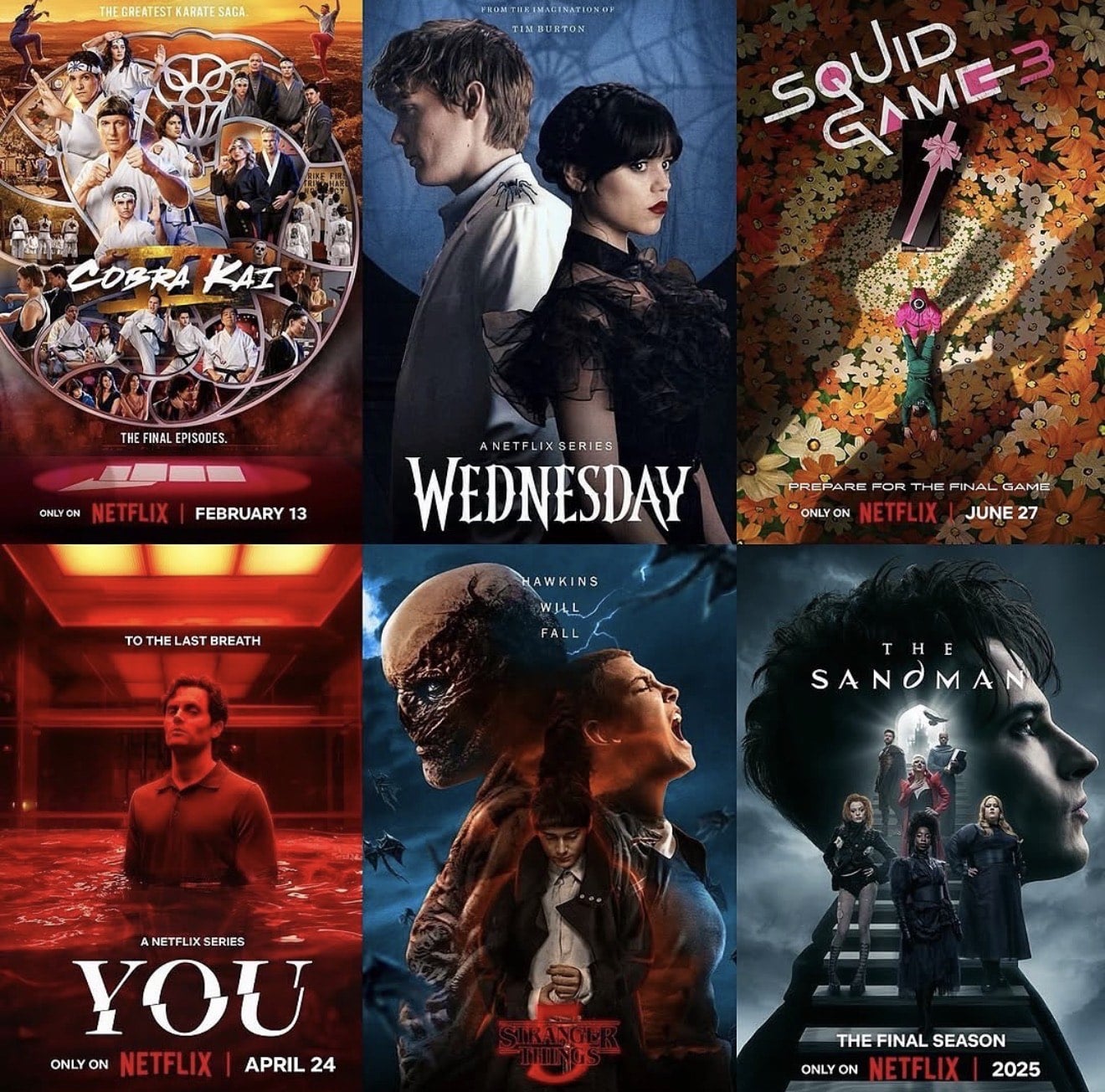
Streaming platforms have adapted to Gen Z’s appetite for quick, shareable content. Netflix has perfected the binge-release model with shows like Wednesday, Cobra Kai, Squid Game, You, Stranger Things, and The Sandman. Dropping entire seasons at once allows audiences to devour them in a weekend and instantly share reactions online. Clips from these shows regularly trend on TikTok, boosting their global popularity.

Celebrities also thrive in this fast-moving ecosystem. Viral red carpet looks, short interview clips, and even relationship drama are clipped, reposted, and spread across platforms within minutes.
Beyond streaming and celebrity culture, shows and films are now designed with virality in mind. Scenes are shot to look striking in 15 seconds, catchphrases are written to be quotable, and iconic visuals are built to spread as memes.
Why short moments work
Psychologists say these small bursts of entertainment trigger a dopamine rush to the brain’s reward system, similar to eating a favorite snack or finishing a challenging level in a game. Short videos, clips, and memeable moments provide instant satisfaction without requiring a long attention span. The social element also plays a huge role: sharing a clip with friends or reacting to a trending moment creates connection and belonging.
For Gen Z, this combination of dopamine and social connection makes bite-sized entertainment addictive. Watching a 15-second clip is as much about laughing with friends and staying in the loop as it is about consuming content. In a way, these short bursts of media become mini-events, tiny experiences that can be enjoyed multiple times without the commitment of long-form entertainment.

And it’s not just about dopamine. Gen Z has also grown up multitasking with screens, scrolling while streaming, messaging while gaming. Bite-sized entertainment is designed for this lifestyle. It’s quick, flexible, and doesn’t demand undivided attention, which makes it a perfect match for how young people already consume media.
The challenges of bite-sized entertainment
While bite-sized entertainment has exploded in popularity, it’s not without its challenges. Some people argue that short clips are training our brains to always expect instant rewards, making it harder to stay focused on longer forms of content like books, movies, or even full TV shows. It’s not that Gen Z can’t sit through long content, but many feel less motivated to do so when quick, exciting clips are always right at their fingertips.
At the same time, creators themselves can feel the pressure to constantly produce content at a rapid pace. The internet moves fast, and what’s trending one day can be forgotten the next. This creates a cycle where creators and platforms are always chasing the next viral moment. For some, it can be exhausting, but for others, it’s a chance to experiment and keep audiences hooked.

Still, even with these challenges, it’s clear why Gen Z keeps coming back to bite-sized media. The highs are quick, the content feels personal, and there’s always something new just one scroll away.
The future of entertainment
Entertainment will likely continue adapting to this new rhythm. Streaming platforms and social media are constantly searching for new ways to satisfy Gen Z’s appetite for content that feels fast, shareable, and endlessly entertaining. Short-form video is not replacing traditional formats. Instead, it is reshaping how audiences engage with them. A two-hour movie or a ten-episode series now competes not just for attention in the moment, but for how well it can generate memes, clips, and shareable highlights that live far beyond the original release.
This shift also challenges older ideas about what counts as success in entertainment. It is no longer measured only by box office sales, Nielsen ratings, or critical acclaim. Today, the true impact of a film, series, or song often lies in how quickly it can spread online, how many trends it sparks, and how many conversations it fuels across digital communities. A show that creates viral moments can often be just as valuable as one that wins awards.

At the same time, we are seeing more crossover between formats. TikTok creators land Netflix deals, YouTube stars headline movies, and TV producers design scenes specifically to spark reaction videos or become GIFs. The line between social media and mainstream entertainment is becoming thinner every year.
As Gen Z’s influence grows, the industry will likely keep moving in this direction. It will become a hybrid space where long-form and short-form storytelling work hand in hand, and where entertainment is as much about the moment you watch it as the moment you share it. Success will increasingly be measured not just by viewership, but by how widely a moment resonates and spreads across the digital world.