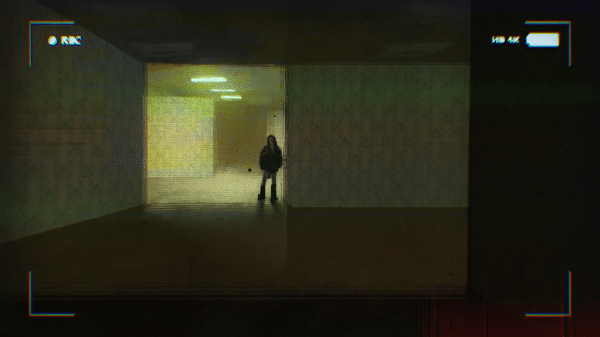
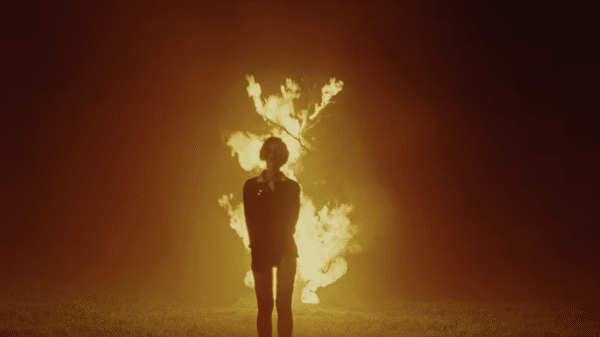
When HBO announced ‘Welcome to Derry,‘ many people were unsure how to feel. On paper, it sounded unnecessary. Another prequel? Another expansion of a story that already felt finished. The It films had wrapped things up in a way that was loud, final, and emotionally exhausting. For many fans, the idea of going backward into Derry again raised the same question people ask every time a franchise stretches itself further. Why now, and why this?
Early worries centered on recognition. Pennywise, the red balloon, and the town itself are iconic. Fans feared the series would lean on these familiar elements instead of telling a fresh story. Buzz grew even before the premiere. The film had fans buzzing, reminding them how much they loved the original films and how excited they were to revisit that world.
But something shifted as the season unfolded. Slowly, almost quietly, Welcome to Derry proved it understood the world it was stepping into. Not just the lore, but the feeling of it. By the end of the season, the conversation was no longer about whether the show should exist. It was about what it was building toward.
What made Welcome to Derry work
Pennywise is clearly the center of the show. There is no pretending otherwise. He is not hidden. He is not saved for a big reveal. He is present, active, and terrifying. What the show does differently is refuse to turn him into a gimmick. Pennywise is not there to remind you of the movies. He is there to remind you of how long this horror has existed and how deeply it has sunk into the town.
Dexerto noted the show’s use of silence and slow pacing, allowing tension to build before any major scares land. Horror doesn’t come from sudden jumps, but from how the monster’s presence becomes part of daily life. Scenes in abandoned houses or quiet streets slowly build unease, showing that Welcome to Derry is about a monster that has haunted generations, not one that suddenly appears.
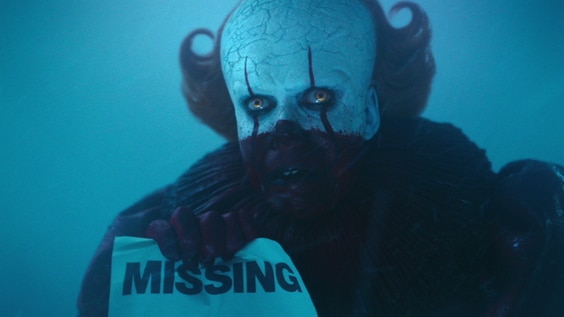
The series understands that Pennywise is not scary just because of how he looks or how he kills. He is scary because of the time. Because of repetition. Because of how normal his presence has become in a place that should know better. Welcome to Derry, which leans into that idea hard. This is not a story about a monster appearing. It is about a monster that has already been there for generations.
Audience and critical response
The show’s deliberate pacing became one of its most notable strengths. Early viewers called it slow, but by midseason, the approach became clear. Horror scenes land with more impact because they are earned, not rushed.
Entertainment Weekly reported how the series expands Derry’s history, focusing on atmosphere and long-term dread rather than jump scares, exploring the town’s history and secrets to give viewers a deeper understanding of Pennywise’s hold on Derry. Online discussions reflected that depth, with Reddit and Twitter buzzing with fan theories, debates about timelines, and predictions for future episodes. Many viewers highlighted the attention to minor characters and town backstories, which added layers without slowing the main narrative.

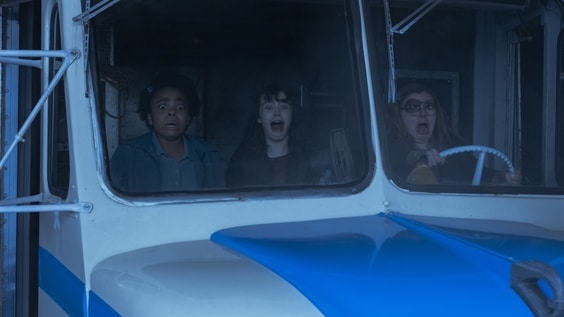
Reviews recognized the slow pace but praised the atmosphere and tone. By the finale, audiences appreciated how the series deepened Derry’s story rather than trying to outdo the films. Fans shared favorite moments online, like the eerie carnival episode or the tension-filled scenes in quiet town streets, showing how effective the show’s slow build could be.
Why the series matters
What ultimately makes Welcome to Derry matter is its refusal to use nostalgia as a crutch. The show acknowledges the larger It universe without leaning on it for validation. It places references with intention, not as shortcuts for recognition. Viewers do not need to memorize the films to understand what is happening, yet longtime fans still gain something extra by paying close attention. That balance builds trust, and the series thrives because of it.
In a television landscape crowded with franchise shows constantly trying to prove their relevance, Welcome to Derry stands apart through restraint. The series never begs for attention or relies on spectacle to keep viewers watching. Instead, it asks the audience to meet it on its own terms. That confidence feels rare, and viewers clearly responded to it.
By the time the finale arrived, the series achieved what many franchise projects fail to accomplish. It justified its existence through care rather than excess. Welcome to Derry, respected the horror, respected its audience, and understood that some stories unsettle more deeply when they unfold slowly instead of forcing immediate impact.
The power of patience
Welcome to Derry demonstrates that franchise fatigue isn’t about familiarity, it’s about effort. Viewers aren’t tired of revisiting worlds they love; they’re tired of being treated like they can’t handle complex stories. The series trusts its audience with a slow burn, heavy mood, and storytelling that values atmosphere over immediate payoff.
HBO benefits from this approach. Not every show must dominate the conversation on day one. Some grow by allowing audiences to catch up emotionally. For the It franchise, Welcome to Derry opens the door for future stories without undermining the originals. Doubtful viewers found something unexpected: not just why Pennywise is terrifying, but why Derry never stood a chance.
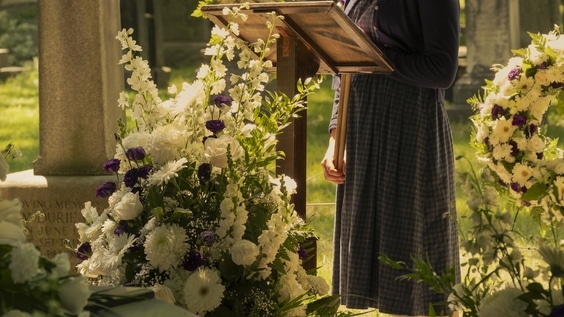
Episodes set during Derry’s town festival highlight this patience. Ordinary conversations and routines establish normalcy before the horror unfolds, showing that suspense builds strongest when audiences have a sense of what the town is like before danger strikes.
Fan engagement and cultural impact
Fan engagement has been intense. Online forums are filled with theories about timelines, character motives, and connections to the original films. Viewers compare episodes, analyze minor details, and speculate about hidden references, creating an active community around the show.
Welcome to Derry has also sparked conversation about the nature of horror storytelling. Critics and fans noted that its slow-building tension differs from jump-scare-heavy series, showing a growing appetite for psychological horror. The success of the show proves that audiences respond to care, deliberate pacing, and well-constructed suspense.
The series’ approach is shaping expectations for future horror franchises, demonstrating that audiences value stories that take time to build dread over shows that rely on cheap thrills.