The recent buzzing news in the film industry is the acquisition of Warner Bros. by Netflix. This deal would not only combine two of the five biggest streaming services, but would also give Netflix control over all of Warner Bros.’ film and television studios. This means Netflix would have control over brands such as Harry Potter, DC Comics, Looney Tunes and hundreds of popular movies and TV shows, including but not limited to:
- “Euphoria”
- “Friends”
- “Game of Thrones”
- “Gilmore Girls”
- “The Sopranos”
- “Sex and the City”
- “Succession”
- “The White Lotus”
- “The West Wing”
- “2001: A Space Odyssey”
- “Barbie”
- “Casablanca”
- “Citizen Kane”
- Every DC Comics movie (including “The Dark Knight” trilogy)
- “Gone With the Wind”
- “Goodfellas”
- The Wizarding World of Harry Potter franchise
- Entire “Lord of the Rings” franchise
- “The Shawshank Redemption”
- “The Wizard of Oz”
If this merger goes through, Netflix would have over a third of the streaming market and a large share of film and television production. Ultimately, Netflix would become the largest force in the entertainment industry on multiple fronts.
Netflix in 2025: Writing on the wall for movie theaters
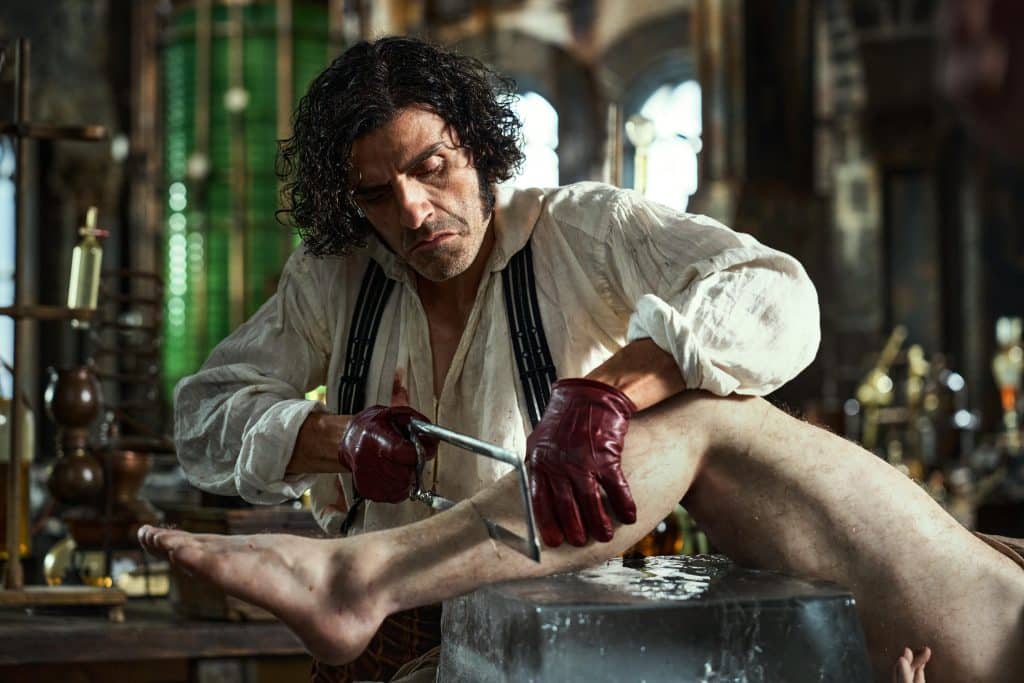
Ignoring the possible antitrust violations this deal would bring, a major concern for many is the future of movie theaters. This year, Netflix has shown its prioritization of short exhibition windows and limited theatrical releases of movies before shortly releasing them onto its streaming service. “Frankenstein,” “Jay Kelly,” and “Wake Up Dead Man: A Knives Out Mystery” are some of the many movies that followed this pattern. However, other movies, like “Happy Gilmore 2,” went straight to streaming.
Meanwhile, Warner Bros. had a pretty strong year at the box office. “A Minecraft Movie,” “Sinners,” “Final Destination Bloodlines,” “F1,” “Superman,” “Weapons” and “The Conjuring: Last Rites” all performed well. That said, “Mickey 17,” “The Accountant 2″ and “One Battle After Another” did not do as well. Warner Bros. took on fifty billion in debt with its 2022 merger with Discovery, and much of it remains. Despite Warner Bros. prioritizing theatrical releases and generally performing well, the box office in recent years wasn’t good enough to turn around its fortunes.
Netflix’s plan for movie exhibition
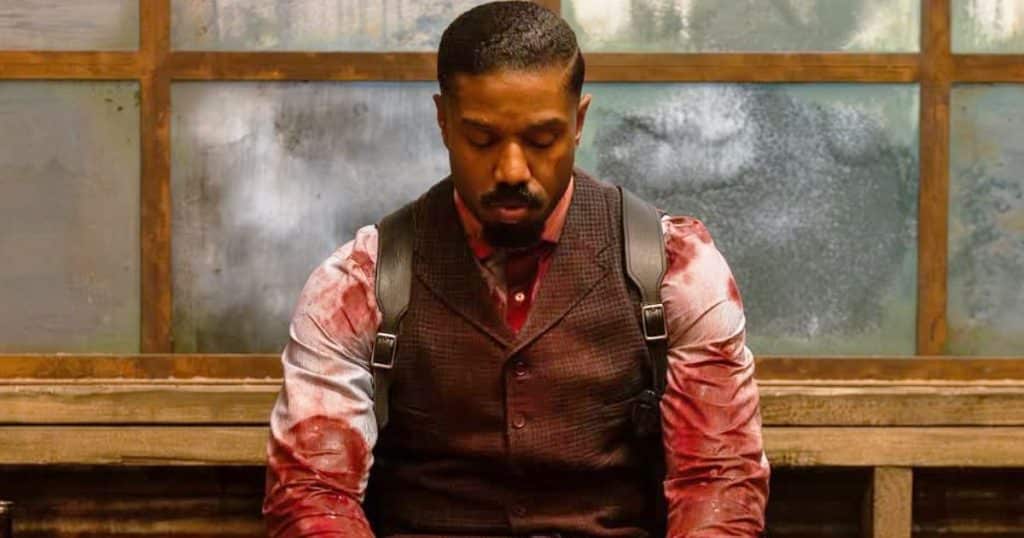
A major concern is that Netflix would significantly hurt the movie theater industry or possibly kill it altogether. Netflix CEO Ted Sarandos said that Warner Bros. movies will continue to play in theaters, but for a shorter time. “I think, over time, the (exhibition) windows will evolve to be much more consumer friendly, to be able to meet the audience where they are quicker,” Sarandos said. Warner Bros. exhibition windows are shorter than in the past, with “Sinners” and “One Battle After Another” releasing on digital six weeks after their theatrical release. Under Netflix, we may only see three-week limited releases like we saw for “Frankenstein.” Sarandos has not shied away from his opposition to movie theaters, calling them “an outmoded idea” in April. It is clear what Netflix’s plan is for the industry, and it’s a major red flag for movie theaters’ futures.
However, it’s more than just movie theaters this may hurt, as barriers for emerging creatives will rise. Most filmmakers make their debuts through independently produced movies, which usually create buzz at contests or film festivals. If successful, a distributor buys it and sells it to theaters. A key component to this process is theaters that distribute the movies, since independent distributors like A24 and Neon do not have their own streaming service. Netflix has picked up some festival movies like “Train Dreams” and “His Three Daughters,” but this occurrence is uncommon. There will likely be fewer opportunities for new filmmakers if streamers control the distribution chain. Simply put, Netflix will look to produce what it wants, likely creating movies it views as safe bets that possess high budgets, rather than uplifting small-budget wildcards.
Reactions to the Deal
Many in the industry and outside of it had strong and mostly negative reactions to the deal. Directors Guild of America (DGA) President Christopher Nolan will meet with Netflix to discuss the repercussions of the deal. The DGA signaled disapproval of the acquisition, citing the possible lack of competition that may come out of it. The Writers Guild of America likewise had the same concerns. Former WarnerMedia CEO Jason Kilar criticized the deal, saying it would likewise kill competition. The biggest critics are Cinema United, a trade organization that represents thousands of theaters worldwide. They fear that over a quarter of box office revenue could disappear if the deal goes through. Virtually nobody in the industry — except Sarandos — spoke positively about this deal. There are major concerns about competition, creativity and opportunities for those in the industry and those trying to break into it.
Politicians all over the political spectrum have also expressed their disagreements with the deal. Conservative Senator Roger Marshall claimed that the acquisition was a blatant antitrust violation. Progressive Senator Elizabeth Warren believed it would give consumers fewer options to watch, and prices would rise due to fewer streaming services. Representative Laura Friedman, whose district includes the Warner Bros. studios, cited opposition based on past mergers creating fewer jobs in the entertainment industry. Even President Donald Trump was skeptical of the deal, claiming that it “could be a problem.”

What will come of this?
The deal won’t be finalized until at least the third quarter of next year, so nothing will be impacted immediately. Additionally, the Trump administration is seriously looking into the deal, meaning there is a chance that they deny the merger. Paramount announced on Monday it will attempt a hostile takeover of Warner Bros., which would give Paramount control over the company. A hostile takeover is when a company goes to the shareholders of the company they are looking to acquire with an offer. If at least 50% of shares are sold to the company looking to buy, they can appoint new board members who would support the deal. Alternatively, a proxy war could be started between shareholders and the board, where the board members may be replaced.
If Paramount were somehow able to buy Warner Bros., there would still be many issues. Unlike Netflix, which would only buy the streaming and studios, Paramount wants the entire Warner Bros. Discovery company. Under the Netflix plan, channels such as CNN, TNT, Cartoon Network, Discovery Channel, Food Network, TLC and Animal Planet would form their own publicly traded company. Under the Paramount deal, these channels would be under their control.
For liberals, the major concern is CNN. Paramount CEO David Ellison has worked to appease the Trump administration and tapped a former Trump appointee to “root out bias.” Ellison also promised Trump “sweeping changes” to CNN, a network that has long been critical of the President. Additionally, Ellison appointed “anti-woke” journalist Bari Weiss to lead CBS News, who many have criticized for her creation of the right-wing media outlet, The Free Press. So while Paramount may not shake up the film industry all that much, it will certainly shake up the media landscape in another way.

Paramount controlling Warner Bros. is a complete hypothetical that is unlikely right now. Looking into the future, we can see Netflix owning a significant chunk of the market. This will have negative consequences for those working in the industry, but also consumers who will view less content for higher prices. Warner Bros. generally puts out 15 to 20 movies a year, all with high budgets. On the other hand, Netflix puts more content, but only about a dozen are marketed heavily and are high-budget. If Netflix can succeed by releasing fewer high-budget movies than a major studio, then I don’t expect it to increase its output much if this deal goes through. There would also be fewer jobs as a result of less content being made.
A glimmer of hope
Apart from the concerns regarding the film industry, Dec. 10 brought us some good news. Social media website Letterboxd launched its own video rental service. This service offers users the ability to digitally rent movies for 48 hours for a fee. While this just sounds like Letterboxd trying to get into the streaming industry, it is not going after ordinary titles. Instead, it is releasing movies not seen by the general public or hidden gems. So far, it has released eight films, four not seen by the public, and five hidden gems. While I find it a good idea, I do hope prices will be lowered, as $20 for some of these rentals is a bit expensive. To be successful, they should bring down the prices closer to $4, like for Todd Haynes’ “Poison.”
Showing independent and smaller-budget films in the age of blockbusters and franchises is a breath of fresh air for many. Letterboxd is definitely more of a niche community, one meant for young cinephiles. As a user, I feel that this will be tailored towards people who are not afraid to see more experimental and unique cinema that the general public may not care for. Yet, Letterboxd has twenty-four million users (and growing), so the community is not small. Some stars may bud out of this new service. If successful, this may be a good pipeline for independent content and may keep the industry competitive, especially for smaller budget films and independents.
Final Thoughts
The future of the entertainment industry is rocky. This year, I saw empty movie theaters for small and mid-budget films, but sold out showings for commercialized remakes or sequels like “Superman” or “Zootoopia 2.” Movies based on existing intellectual properties seem to be more popular as they seem like safer bets for studios. Netflix relies less on that, and I give it credit where it is due as they let creators put out original, good work. That said, it is not promoting smaller films and many of them release without much fanfare as a result. I fear this will continue to happen, and new faces will struggle to break into the industry. Netflix and a few other streamers can decide what movies and TV shows are released, and thus fewer will be shown. This is not only bad for consumers, but the economy too, as the entertainment industry will shrink.
The situation is very bad. Warner Bros. is stuck between a rock and a hard place with its debt and its potential buyers. NBCUniversal should have made a more serious bid, as I believe that it would’ve led to fewer changes to the industry. I find they are two of the best studios in the game too, so combining forces could have done well. Regardless, I hope that enough people show how much they care about new content on the big screen and keep a competitive cinema scene.