It really is no secret that we all live in an era of adaptations and remakes. Just as commonly as people want to tell their own stories, they want to give their spin on others’. Taking proven characters and worlds and modernizing and/or looking at them from a different angle is a deceptively simple way to freshen them up. The film industry does this the most, with new directors, technology, and cultures providing endless opportunities for variation.
However, recent audiences have grown cynical over adaptations, seeing them as lazy, inherently inferior, or an impossible task. I think this stems from simple misunderstanding though, as many successful film adaptations point to a set of simple, if subtle, set of rules.
Why adapt at all?
To answer the obvious question first, why make adaptations over original stories? My first answer is that originality is honestly overrated, as a unique idea is not automatically a good one. My second is that writers and directors always get inspiration from somewhere, which often can include other stories. While a novel idea can make for a good elevator pitch or thumbnail, the execution is what really makes it. This execution just so happens to be where adaptations thrive, and they hardly limit creative opportunities.
The first and most obvious reason for adapting is modernization. Many older novels and films contain excellent messages, but modern audiences would have a hard time understanding them. Others have timeless concepts held back by worn-out tropes, meaning a modern shake-up is all they need. The second main reason is that a writer or director wants to bring their unique vision to a story. Take Charlie and the Chocolate Factory and its two film adaptations. All three take on the story realize the titular chocolate factory in their own unique ways, each with its own fans.
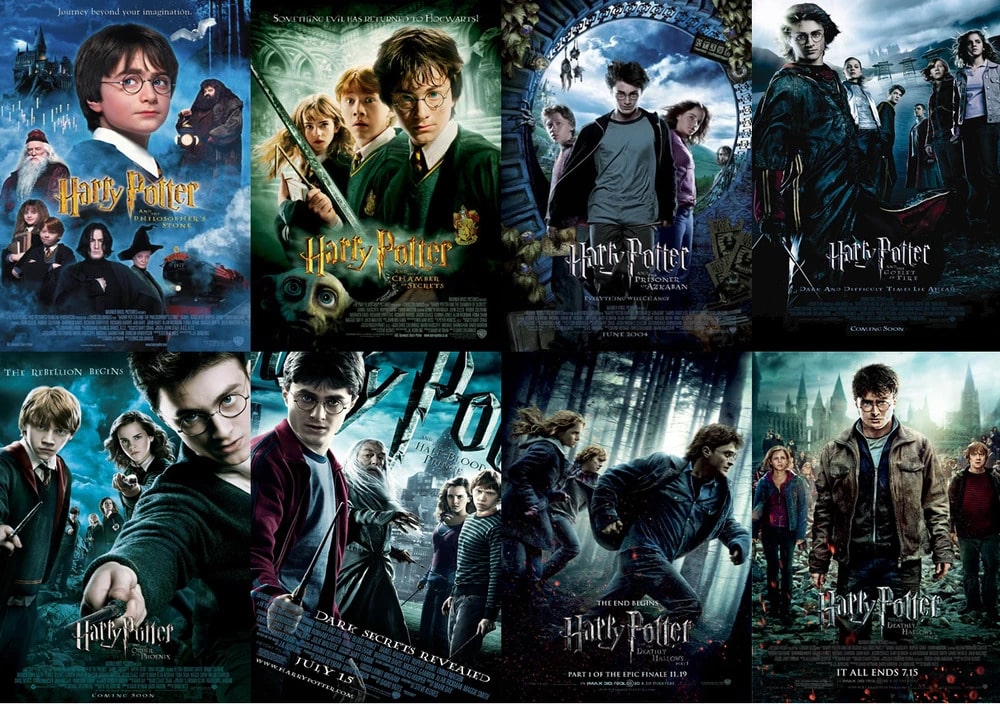
Another big part of adapting is using a new medium to present a story in a never-before-seen way. Films adapted from writing, of course, come to mind, as while some people swear by the imaginative quality of books, the tangible world presented by film is, to most, more immersive. Perhaps the greatest example of this is the eight Harry Potter films, with their iconography becoming how most see the franchise. Fans will notice how the films fall short of the books narratively, but imagining Harry Potter without Daniel Radcliffe or John Williams’ score is nearly impossible.
What matters most to a good adaptation
When any adaptation comes out, fans of the original often hope that the adaptation will be as faithful as possible. This, however, leads to unambitious and ultimately forgettable adaptations that fail to stand out. Many thus conclude that adaptations are inherently paradoxical, that a balance between faithfulness and changes is impossible. While pleasing every single viewer is impossible, as is true of all art, and more importantly, this misses the main point of storytelling.
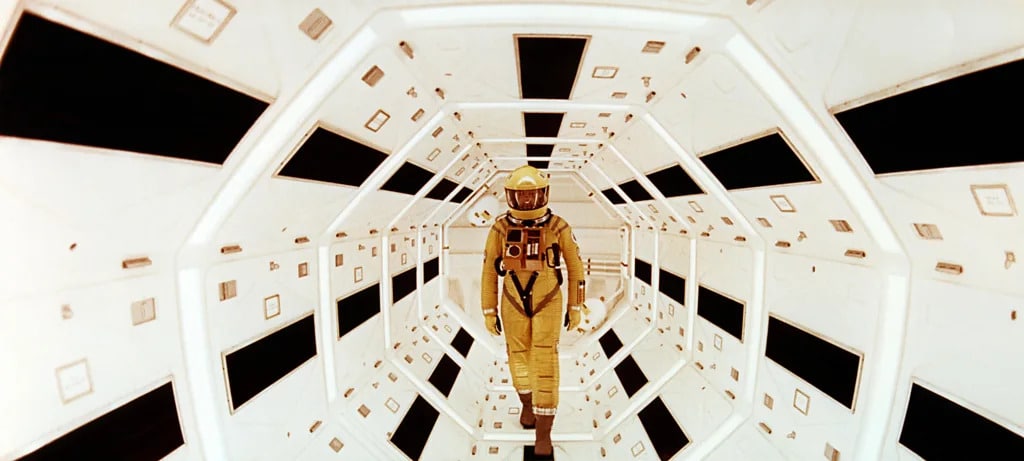
While audiences experience stories through characters and plot, any writer knows that the story’s message is its core. The characters learn the message throughout the narrative, and the world is also often built around it. This core essence is the most important thing to preserve during adaptation to keep the story’s “feel” faithful. Recreating the plot without presenting the theme for a new medium is just as bad as distorting it into unrecognizability. A classic example of keeping a story’s message intact despite radical plot changes is 2001: A Space Odyssey, based on the short story “The Sentinel”. When turning 5 pages into 149 minutes, director Stanley Kubrick posited the same alluring yet terrifying prospect of alien life.
There are, of course, exceptions to this rule, but they are very hard to quantify. The adaptation of the manga “Old Boy” into 2003’s Oldboy is an easy case of this. Both are competently made and entertaining, but the film is so thematically unlike the manga that it hardly feels like an adaptation. Oldboy serves to show that being a good, freestanding film is more important than being a good adaptation. So long as the adaptation can function on its own, many will appreciate its direction.

How good adaptations cross media boundaries
This idea is the simplest part of making a good adaptation, yet writers and directors miss it the most. Writing, films, and video games each must account for their inherent strengths and weaknesses, no matter the story. Writing excels at ‘interiority’ like characters’ inner thoughts, multiple perspectives, and nonlinear narratives, but lacks sensory connection. The film’s strength is ‘exteriority’ like action sequences, character expressions, and huge set pieces, but struggles with nonvisual concepts. Lastly, video games provide interactivity and unparalleled immersion, but ambitious players will easily expose their limitations.
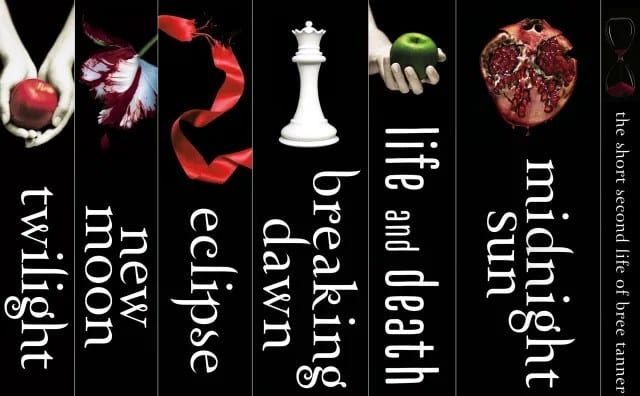
The hardest part of any adaptation is reformatting the story to play to the new medium’s strengths while not revealing its weaknesses. Looking at writing and films specifically, they form a “yin and yang” where one’s weaknesses is the other’s strengths. For film adaptations to succeed, they must nonverbally convey as much of the writing as possible, which often requires creative thinking. 2008’s Twilight was an infamously poorly received adaptation, which can be attributed to the novel not being translated correctly. The film’s awkward, lingering close-up shots of characters were likely attempts to capture the novel’s descriptive wording that failed due to a lack of cues to direct the audience as the novel did.
The writing saying of “killing your darlings” for the story’s betterment is doubly true for adaptations, among other things. Twilight‘s stilted cinematography shows that repackaging or outright discarding aspects of writing is necessary for film adaptations. Films need characters thinking out loud, limited perspectives, tight pacing, and anything else that shows rather than tells. Sacrificing faithfulness to better present the story thematically within film is not the smart choice; it is the only choice.
Good adaptations surround us
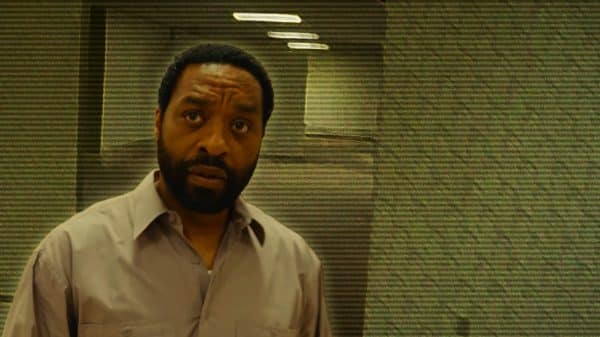
The early 2020s have already seen their share of bad film and television adaptations, especially with video games. But I feel that we have comparatively neglected the good ones that came out at the same time. In just 2026 alone, we have had Iron Lung and Project Hail Mary, two great adaptations of a video game and novel, respectively. Neither is perfect, with the former’s aesthetic looking rather tacky in live action and the latter missing a lot of the novel’s characterization, but these may not be apparent to casual viewers. They each stand on their own while capturing the source material’s thematic spirit.
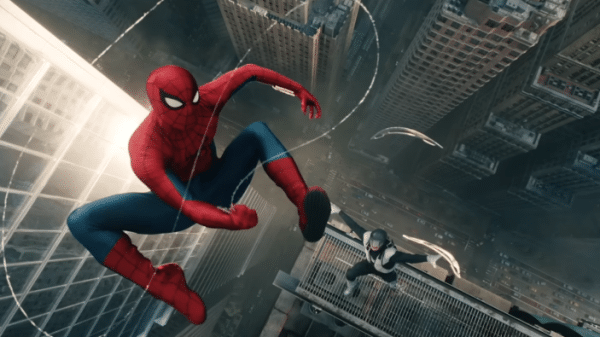
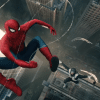
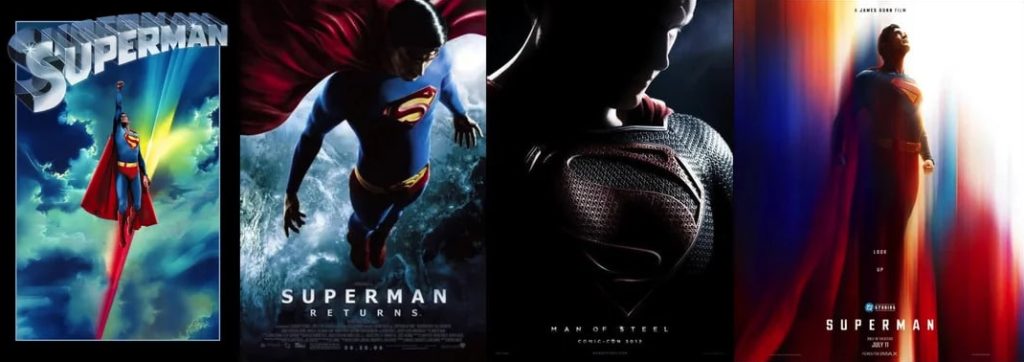
I think superhero films are the best example of good adaptations. DC’s Superman and Marvel’s Spider-Man have dominated theaters for decades, with their films all being comic book adaptations or remakes. Fans have their preferences for what actor or director embodied the comics best, and the films keep the characters culturally relevant. Superman specifically has been a campy, bubbly 1980s hero, a gritty, cynical 2010s hero, and a downtrodden, optimistic 2020s hero. Retelling a classic story is far from impossible if creatives are inspired and know what to do.
When judging adaptations, think about what their source material is trying to say rather than what its plot is about. As many critics say, creative changes that do not compromise the story’s core message can work if executed well. As much as we all love characters and locations, try not to let them get in the way of what artists want to tell us.