Have you ever wondered why Hollywood films, even across genres, tend to feel similar writing-wise nowadays? With the internet’s current cynical outlook on things, the industry’s formulaic nature has been a heavy point of discussion. But something that is less known and discussed is just why these tropes are so popular. Hollywood may be formulaic, but it is not mindlessly following tropes.
In only a couple of years of college, I have been told so much about film writing that I feel should be known beyond studio walls. Let me change your outlook on filmmaking by telling you five mistakes everyone makes about film writing!
1) Not knowing the protagonists’ and antagonists’ purposes
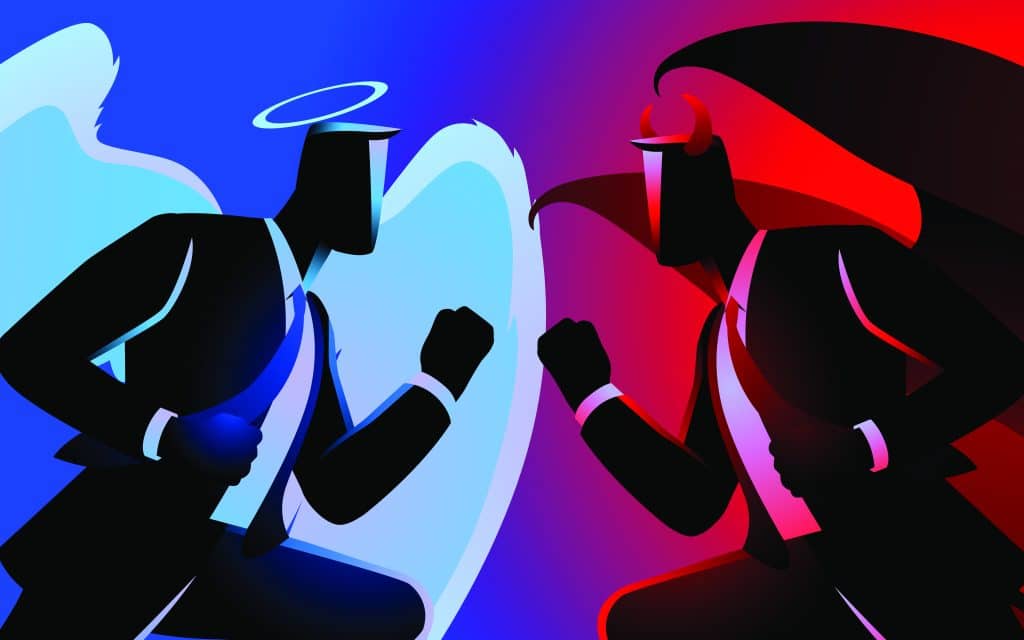
Everyone knows that the protagonist and antagonist are the two most important characters of any story. But people may not know that both are possibly the most straightforward in terms of their role in the story. To writers, the protagonist is the character who learns the story’s thematic lesson. The antagonist, on the other hand, is the primary obstacle to the protagonist. Despite being central to the story, that is all these two characters are mechanically. The antagonist does not even need to be a character, just anything that is the force of opposition to the protagonist.
The protagonist is the only character in the cast who is explicitly meant to go through an arc. Other characters, including the antagonist, may learn small lessons, but they do not fundamentally grow as the protagonist does. A counter-example people often point to is Darth Vader’s redemption in Return of the Jedi, but this case is misleading. Vader only commits a single good act before dying, and so does not have a proper arc. Antagonists may have fleshed out personalities and motivations, but this is secondary to their mechanical purpose.
It may seem harsh to say, but every character besides the protagonist should only exemplify a piece of the larger world or theme. They are not afterthoughts; it’s just a mistake to write them as more than they are to the film. Ensemble casts are for television, and multiple protagonists are only for certain kinds of stories. Writers are often tempted to craft an original story structure, but originality is simply overrated.
2) Mistakenly not writing the theme as central to a film
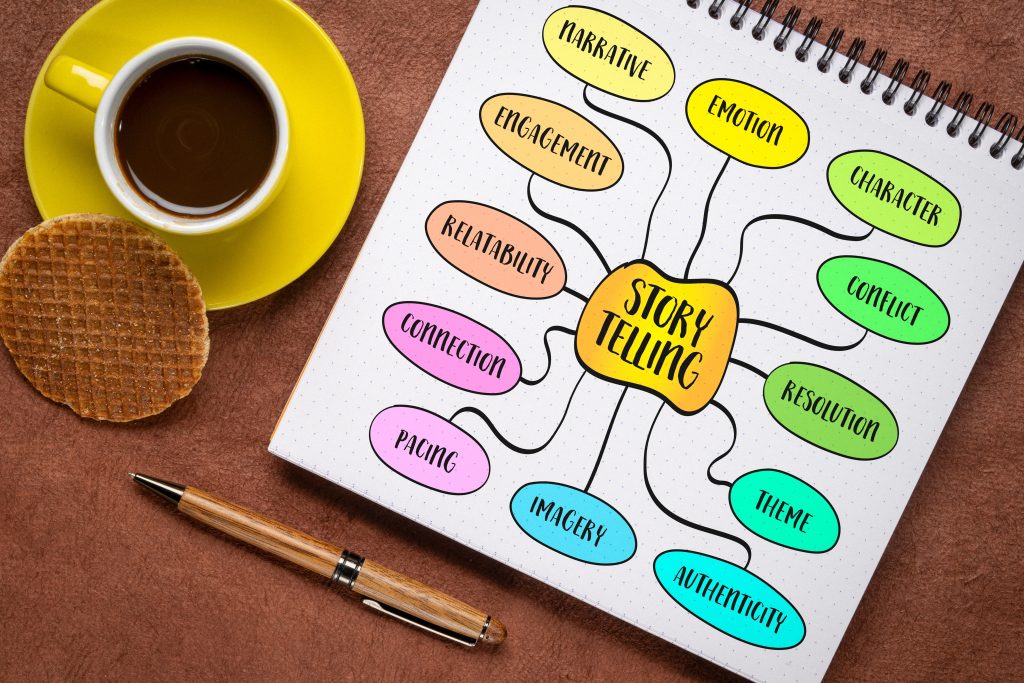
This is the fundamental thing about film writing that cinephiles tend not to realize for themselves. Viewers experience a film’s plot, but the thematic message is a film’s ultimate goal. Like any story, films start with and are built around a message the writer wants to tell the viewer. There is no film without a theme, and focusing too much on the raw plot is a big writing mistake. One of the first things I learned in college was just how important theme is.
This tight formula for narrative films is in place because it is the proven way to gain audience investment. Without a thematic message, the film has no voice and will come off as hollow to viewers. We may enjoy the fun personalities and clever plots, but history has taught us that the emotional theme is the real core of the story. The pitfalls of a weak theme are most seen in science fiction and fantasy films, where an overcomplicated plot drowns it out. Without this emotional core, films feel like mindless stimulation, little more than the dribble we see in social media. Simple antics are fine for short-form content, but viewers need a bit more to watch for ninety minutes or more.
There are famously two kinds of story ideas: high-concept and low-concept, but online viewers constantly confuse them. In the industry, high-concept is simple stories that can easily be summarized or abstracted, while low-concept stories are more complicated and need detailed description. The terminology leads reviewers to think layered character dramas are “high-concept”, but blockbusters are what actually fit the bill. It sounds counterintuitive, but an unlayered, surface-level or top-level story idea is “high-concept”.

3) Not knowing the two types of films and film endings
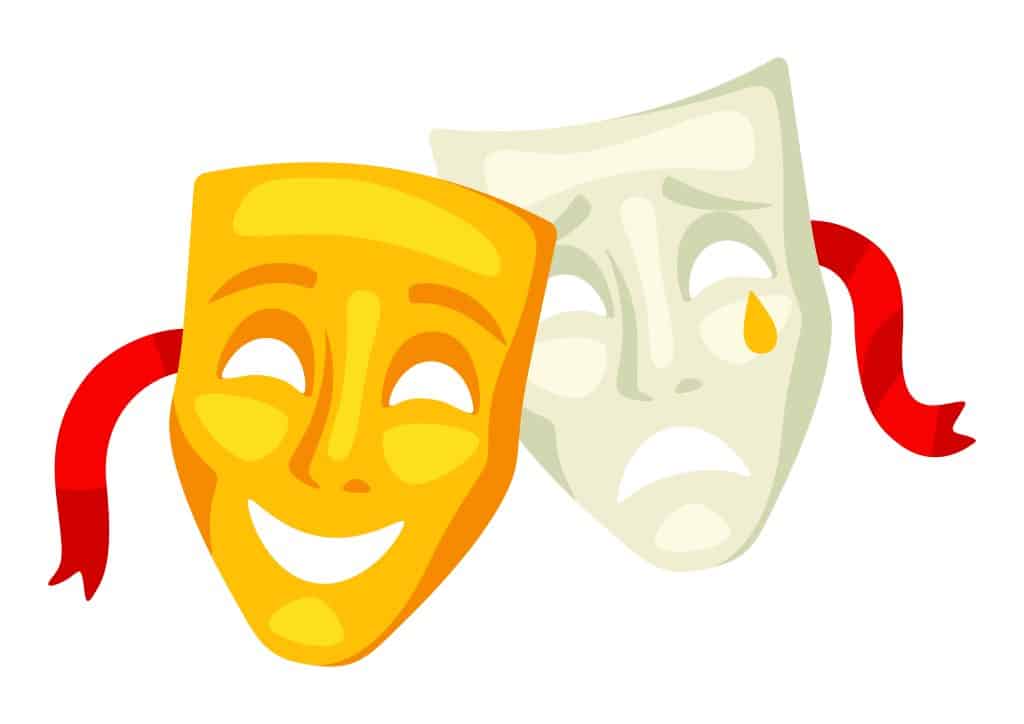
Much like theater, comedy and tragedy are two types of story that a film can fall within. These terms come from the Shakespeare days, with the comedy signifying a happy ending and tragedy a sad ending. However, the story’s thematic ending is what determines if it is a comedy or a tragedy, not the plot. Contrary to what many online reviewers think, a film’s plot and thematic ending are not the same thing. The thematic ending is only concerned with whether the protagonist learns the film’s lesson.
Protagonists are written with a “want”, which is what they think they need, and a “need”, which is what they end up learning during the story. If the protagonist forgoes their want for their need and learns the lesson, the film is a comedy with a happy ending. If the protagonist only gets what they want without learning the lesson, the film is a tragedy with a sad ending. Believe it or not, the protagonist’s physical condition at the story’s end has nothing to do with whether it is a comedy or a tragedy. The protagonist could lose everything or even die, but if they learn the lesson and achieve their need, then the story is a comedy. Meanwhile, the protagonist could acquire ultimate power, but if they only achieve their want, then the story is a tragedy.
The protagonists’ wants and needs must be separate things, as the mistake of writing only one will produce an incomplete film. With only a need, the protagonist will lack a character flaw to overcome. With only a want, the protagonist already knows what they lack, and the story will struggle with conflict.
4) “Show, don’t tell.”

“Show, don’t tell”, the most acclaimed film writing tip of all, sees a lot of usage in film critique without much elaboration. As it turns out, the line between showing and telling in film is not where those outside the industry would expect. Writers obviously avoid drawn-out or unprompted exposition, but a lot of “telling” pitfalls do not involve either. I think a film’s pacing is a good indicator of this, as if it feels too slow, then there is too much telling holding back the story.
Dialogue in films has become infamously ‘quippy’, where the characters make sarcastic or intentionally on-the-nose comments about each other or the situation. Character banter gives writers an obvious and often comedic means of characterization, but only if used sparingly. Many films make their overuse of quippy dialogue even worse by halting scenes just to have characters talk. Dialogue like this can come off as forced, as it often feels the film is telling viewers how to feel.
On the other hand, a film can also tell too much by, ironically, showing too much. Good worldbuilding in films is quick and/or subtle, often occurring during an already important plot beat. If the film has too many establishing or transition shots, or just has a lot of shots where nothing really happens, it is usually because the writer did not weave the worldbuilding more organically into the story. This is even easier to spot in screenplays than finished productions, as the wall of action lines with no dialogue will read like a novel. In fact, most screenwriting mistakes are concerned with script readability, as being nice on the other crews’ eyes is paramount.
5) Not writing films collaboratively is a mistake
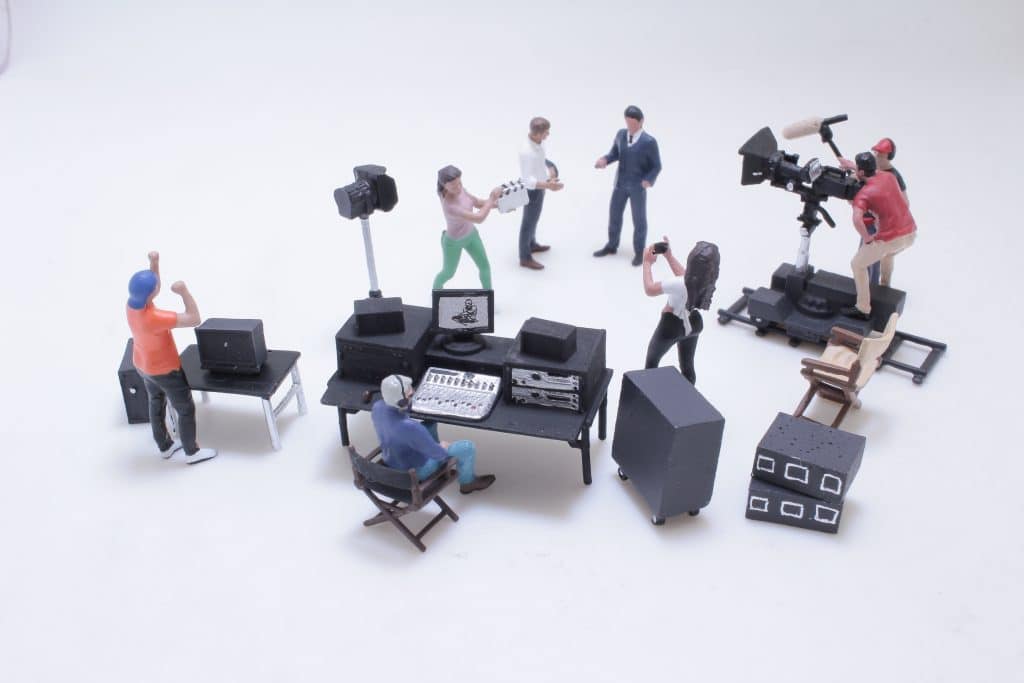
This last part is not so much a mistake about film writing as it is about filmmaking in general. Unlike novels or theater, where the writer has most or all the creative control, filmmaking is deeply collaborative. The writer pens the script, but then the director, cinematographer, editor, and actors interpret and often change it during production. Many produced scripts are surprisingly bare-bones, as other positions prefer the writer not do their job for them. Even though AI seems unlikely to replace the creative processes, that does not mean writers should do everything themselves.
The writer is in many ways the least recognized of the core positions of a film production crew. Despite being the originator of the story, they are below the director and producer in the credits and usually not featured prominently in marketing material. This is not to say the writer should be more important, just that their presence is not as far-reaching as many think. The writer is usually only at fault if the issue mainly concerns the structure of the story or dialogue.
In conclusion: never stop learning
In truth, I did not fully realize some of these things until I wrote this article. There are endless possibilities for writing a film, and thus endless ways to mess it up. Sticking to such a formula for narrative film may seem restrictive, but really, it provides needed structure to a dauntingly nebulous stage of film production. We hear too many stories of overnight success, and must remember that both writers and we are always learning. If you want to be truly credible in your critiques, make sure to have formal experience, as a little goes a long way. I believe that all opinions are worth considering, but it always helps to know what you are talking about.