
The act of going to the cinema is an experience that is universally enjoyed. Dating back to the 19th century, people have been flooding into the theaters to soak up the big screen.
However, factors in previous years such as the rise of TV and streaming, and the global pandemic saw the number of cinema admissions drop massively.
But fear not! Slowly but surely we are seeing the revival of the cinema experience, and here’s why…
The introduction of streaming
“Between 2015 and 2024, Subscription Video-on-Demand penetration in UK households increased by 240%, from a fifth (20%) to more than two-thirds (68%)”
Max Beckett
It is no secret that streaming platforms are dominating the world of entertainment. They offer people a viewing experience that is not only more convenient but also more affordable. More films are now being released on streaming platforms either at the same time as their cinema release, or with a much shorter window afterwards. For example, Dune (2021) was released in cinemas and HBO Max simultaneously. Similarly, Jurassic World: Rebirth was available to stream on Prime Video just one month after its cinema release. This is a massive shift in time frame that used to average at 90 days before the pandemic.

These platforms are becoming more popular than ever with movie producers beginning to favor online streaming. It is almost inevitable that this had, and in some ways is still having, a large impact on cinema admissions. Regardless of the recent surge in cinema-goers, it is proven that theater admissions have taken a hit post-streaming creation.
“By June 2020, the percentage of adults who strongly preferred seeing a movie in a theatre fell to 14%, with 36% choosing to stream movies instead”
Laura Carollo
The COVID-19 pandemic
While COVID had a negative impact on many things, one victim that may not instantly spring to mind is movie theatres. As the world was put on lockdown, cinemas were too. They were forced to shut their doors for months on end and drawing in the lowest annual admissions ever recorded. Cineworld alone made a £3 billion loss during the pandemic highlighting the immense scale of the toll it had on these chains .
During this time it was almost impossible for people to visit their local supermarket let alone their local cinema. It became a question of if movie theaters would even be able to survive this devastating hit. With everyone trapped inside their homes and swiftly turning to streaming platforms, it seemed unthinkable that cinemas would ever be able to recover.
However the boom in cinema admissions after the COVID-19 outburst is one of the contributing factors of this big screen renaissance we are currently experiencing.

The Movie theater revival
Whilst the negative impacts are undeniably evident, the repercussions weren’t all bad. Naturally, the pandemic left us all feeling socially isolated. And what better way to reconnect with those around you than going to the cinema? People enjoyed having that shared experience and sense of normalcy that had been largely lacking for the best part of a year. Movie theaters became a welcomed escape from the isolation and vapidity of the pandemic.
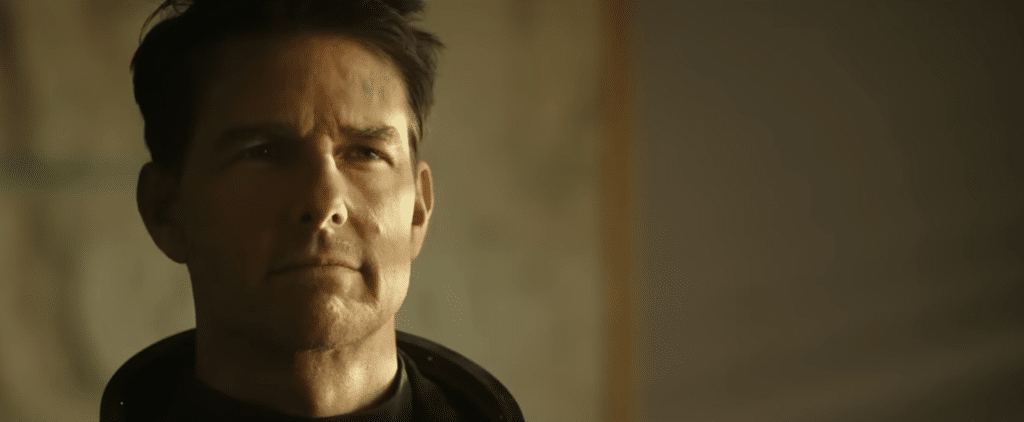
As well as this, cinema companies began releasing a backlog of blockbusters that had been delayed due to the closing of theaters and film production. Many major films such as Top Gun: Maverick (2021) and James Bond: No Time to Die had their release schedule reshuffled to align with the reopening of cinemas. Of course this led to a surge of audiences flooding in and returning to the big screen. The act of going to the cinema was an experience that people could finally take part in again.
“From a historical perspective, and notwithstanding the pandemic-induced cinema decline, the number of feature films produced in 2022, the second-highest level ever for film production, is more than double the levels seen in 2000, a testament to vibrant world movie production in a digital production and distribution age”
David Hancock
Special screenings
Many cinemas offer early screenings for movies, organizing special preview screenings days, weeks, and sometimes even months before mainstream release. These events drive ticket sales and add a sense of excitement to the cinema experience. Early screenings like this are often done with fans in mind, inviting them into the film making process and turning the movie theatre into a community of film lovers.

Anniversary screenings are also on the rise. Cinemas love to celebrate the anniversary releases of big hits of the past and so do fans. Not only do these screenings appeal to established fans, they also create a buzz that welcomes in new audiences. Recently JK Rowling’s ‘Harry Potter and the Goblet of Fire’ has been doing the rounds in cinemas in honor of its 20th anniversary. Fans are able to experience their favorite films in a way they might never have before: on the big screen.
IMAX
“IMAX is a motion picture film format. It consists of a system of high-resolution cameras, film formats, film projectors, and film theatres”
Vasudha Mukherjee
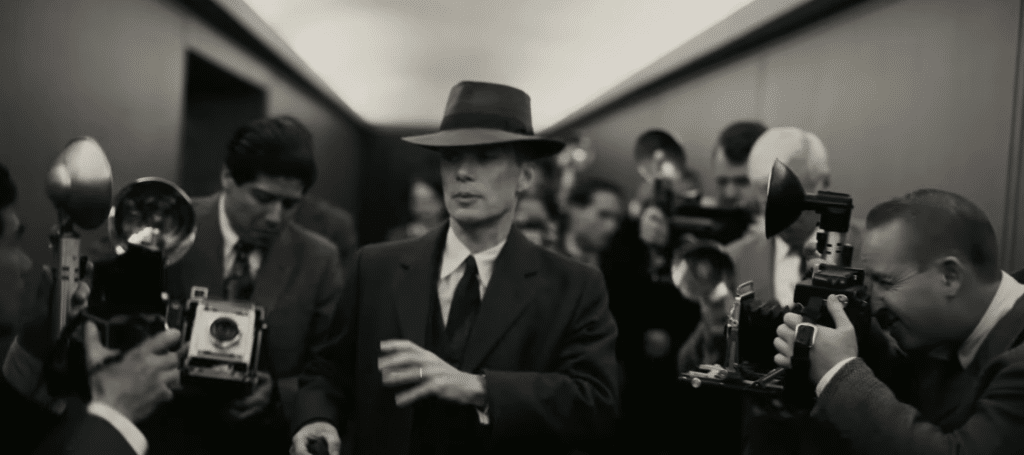
In recent years, more and more films are being produced with IMAX screenings in mind. Spurred by the immense success of movies such as Oppenheimer, filmmakers are creating more films specifically tailored for IMAX. In fact, the list of movies that are filmed for IMAX has more than doubled in 2025 compared to previous years. This format encourages people to visit the cinema for a more immersive experience that simply isn’t achievable at home.
IMAX is becoming increasingly relevant to the cinematic experience and in turn increasing cinema admissions. Audiences are given a large-scale, exclusive experience that can’t be replicated anywhere else
Cinematic comeback
While it is inevitable that we will all stream a movie online from time to time, I personally think there is nothing quite like going to the cinema. It’s not just about the film, it’s about the community and experience. Whether you are laughing along to a comedy, or jumping out of your seat in horror, there is a sort of comfort in knowing that everyone around you is experiencing the same thing. The cinema experience is something unique and something that is undoubtably and rightfully being revived.