For centuries, Black people have shaped industries worldwide, with one of the most transformative being music. Much of the mainstream sound we consume today has been built on the backbone of Black artistry. From jazz, R&B, and blues to hip-hop, rap, pop, country, rock, etc. And yes, I said rock!
Much of what dominates the musical world today can be traced directly back to black innovation. Yet despite building the blueprint, black artists have often been excluded from full recognition and historical credit. Don’t get me wrong, the sounds are celebrated, but the originators are very rarely.
As we honor Black History Month, it’s important not only to enjoy the rhythms but to understand the history and the people who made it and the very artists who changed the world.
The foundation of American music
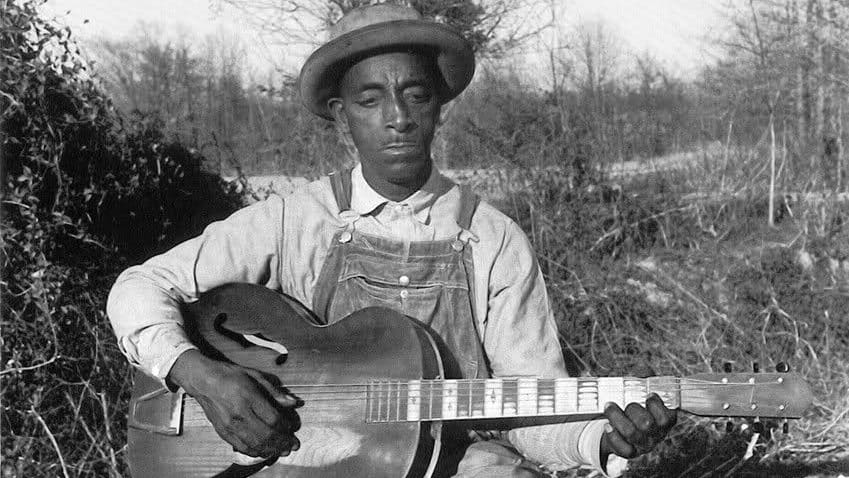
To understand music, you have to start in the Mississippi Delta in the late 1800s. There, the blues emerged from the lived realities of enslaved African Americans and their descendants, with roots reaching deep into West Africa.
Over time, that sound didn’t stay in the Delta. As black families migrated north during the Great Migration, the blues moved with them.
In cities like Chicago and New Orleans, it evolved. Instruments got louder, bands grew bigger, and from that evolution, jazz was born. A genre built on swinging rhythms, improvisation, and freedom. Musicians bent notes and experimented in ways that had never been done before.
Around the same period, gospel music was growing inside black churches. Its powerful vocals and spiritual intensity helped shape soul and R&B, moving into radios and records by the 1950s and influencing artists who would soon be born to define entire generations.
That foundation eventually led to rock and roll, which was built heavily on blues guitar riffs and rhythm patterns already created by black musicians. Artists like Elvis Presley became widely celebrated as the “King of Rock and Roll,” but the path had already been paved by legends such as Chuck Berry, Little Richard, and Sister Rosetta Tharpe.

By the 1970s, hip-hop emerged in a New York borough (South Bronx) where DJs created entirely new sounds, building on every era from the one before it.
Appropriation and erasure
Despite this undeniable impact, the history of black music is also a history of appropriation. Time and time again, black artists created new sounds only to see them repackaged and marketed through white performers who failed to give credit.
Radio formatting separated audiences along racial lines. Industry executives profited from sounds birthed in black communities, while the true artists faced restrictive contracts and limited ownership of their own music.
That pattern continues today with people commenting,
“It makes me so frustrated. I went into a jazz bar the other day and didn’t see a SINGLE black person there. What is going on?” (@icnahm/Tiktok)
Situations like that aren’t new, rare, or even accidental. We’ve seen black art taken, repackaged, and resold for generations. Not just in music, but in inventions, fashion, dance, and more. Black people have consistently been the builders of culture consumed by the world, yet somehow are the ones being erased from the story.
The glass is crystal clear. When a black creator releases a new piece of art, critics often dismiss it or label it “not enough.” Then, a white artist presents the same idea in a different package, and audiences hail it as groundbreaking, award winning and universally celebrated.
This isn’t just about recognition, it’s about truth. Behind nearly every major shift in American culture, a black artist was there, innovating and creating, often without any credit.
Five artists who changed music
While countless black artists such as Jimi Hendrix, Chuck Berry, Whitney Houston, Prince, Beyoncé and Mariah Carey have transformed music entirely, these are just five examples of defining people who reshaped sound and fundamentally changed the way we listen to music today.
Robert Johnson “The King of Delta Blues”
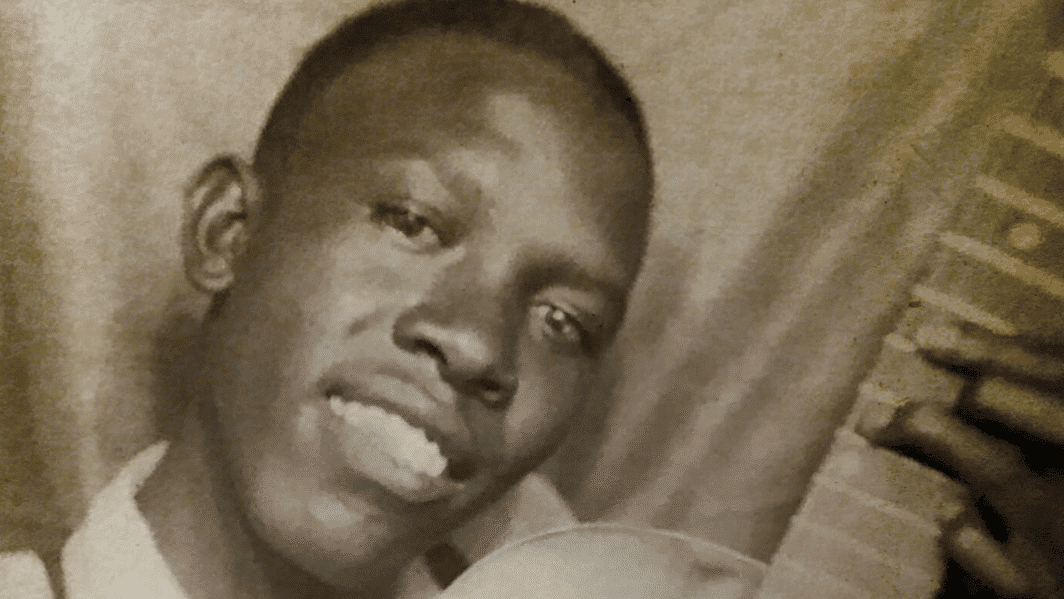
Robert Johnson was born in Hazlehurst, Mississippi (1911), and despite recording only 29 songs, he became one of the most influential blues musicians in history.
Growing up in the Mississippi Delta during Jim Crow, Johnson worked as a sharecropper and taught himself guitar. Early on, local musicians did not view Johnson as extraordinary. But after he disappeared for a period of time and returned with an improved style, he stunned them with a depth of soul that felt almost supernatural.
That’s partly how the famous Crossroads legend began, the myth that Johnson sold his soul to become a musical genius. Folklore or not, it speaks to just how surreal and otherworldly his talent felt at the time.
Recording in makeshift hotel rooms, Johnson had no studio resources behind him, no promotions — just a man and his guitar. He popularized the solo guitar break, used boogie rhythms and fingerstyle techniques that made it sound like two guitars were playing at the same time.
Artists like B.B. King and Muddy Waters carried his influence forward, electrifying blues and paving the way for blues rock, rock and rolland pop.
Stevie Wonder
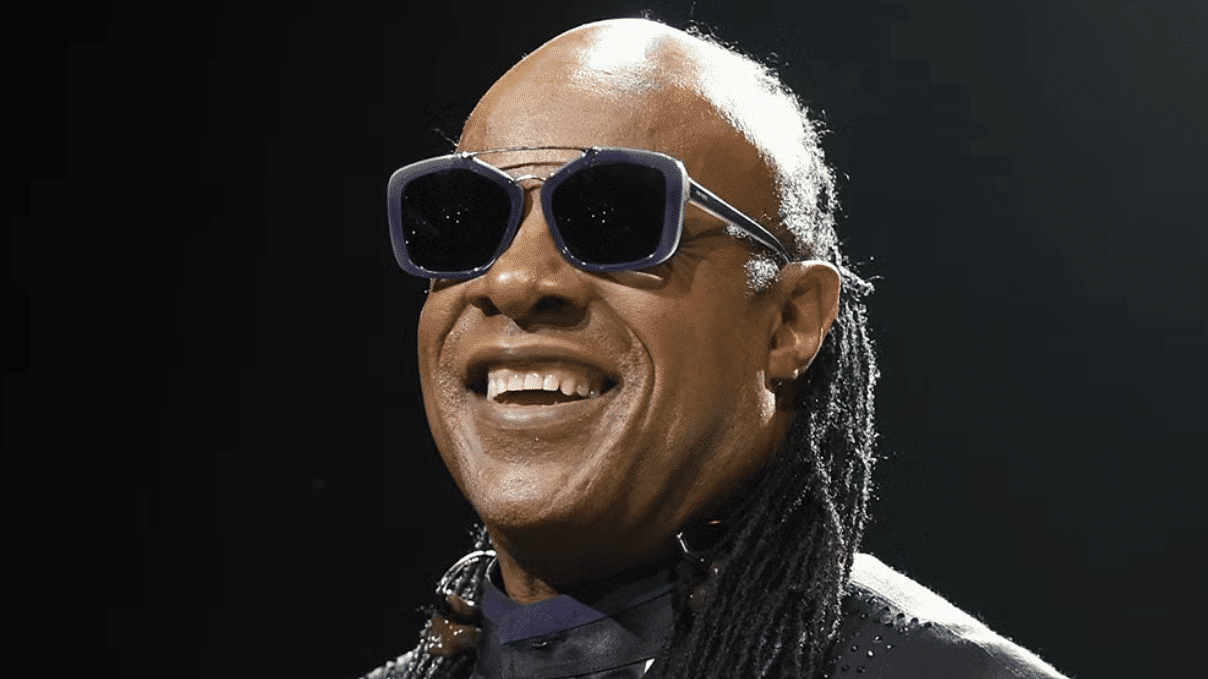
Stevie Wonder was born in Saginaw, Michigan (1950), and around six weeks old, he developed a condition called Retinopathy of Prematurity, which led to permanent vision loss.
That setback didn’t stop him. At just 11, he signed with Motown as “Little Stevie Wonder.” By the 1970s, Wonder was writing, producing, singing, and playing multiple instruments on his own records. Stevie Wonder changed the game on his own, something that was rare, especially for a young, blind black artist.
At a time when soul music was already thriving, Wonder wasn’t afraid to make songs that sounded different and had the ability to layer sounds that felt ahead of their time.
He gave decades of his life nonstop to music and didn’t have just one era. He experimented and stayed relevant across generations. There has never been, and likely never will be, someone who can do it quite like Stevie Wonder. His level of talent isn’t something you can recreate. It’s something you witness once in a lifetime.
Nina Simone
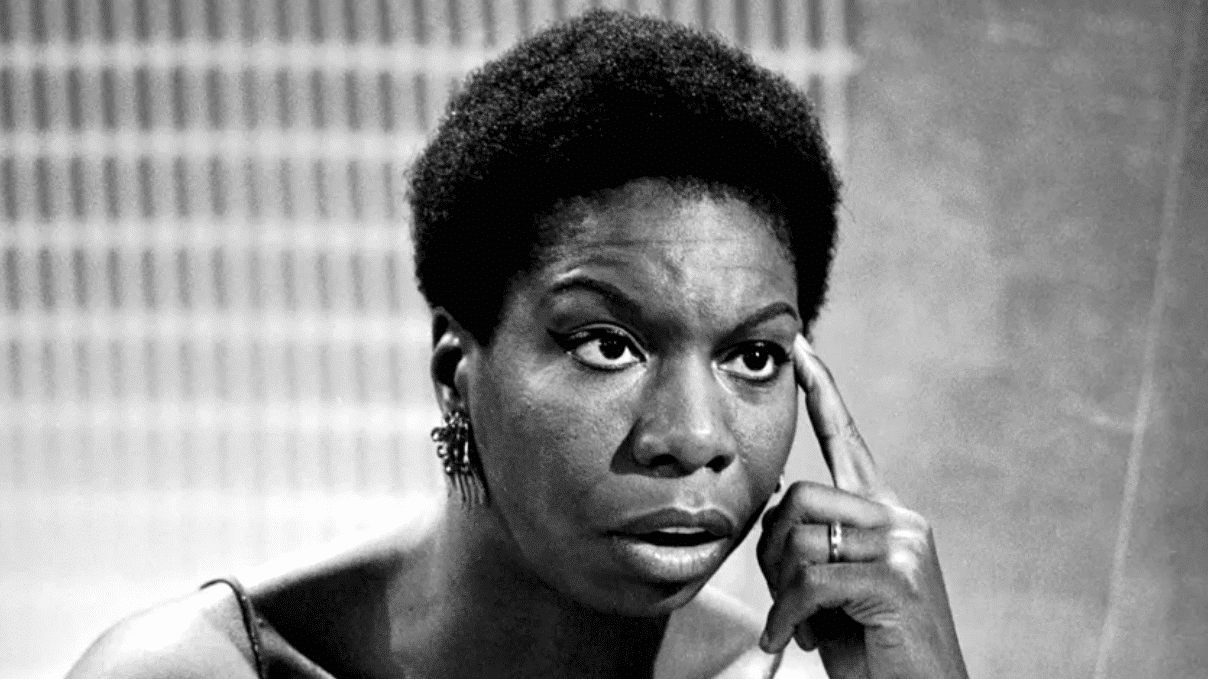
Born in Tryon, North Carolina (1933), Nina Simone originally dreamed of becoming the first black concert pianist to perform at Carnegie Hall. After being denied admission to a prestigious music school called the “Curtis Institute Of Music” due to her race, her path shifted.
She began performing in nightclubs and lounges, where she was told she would have to sing her own accompaniment, a challenge that pushed her to develop a deep and otherworldly vocal style.
Simone embodied all the music that she performed. Her songs told the story of a woman larger than life itself. Her voice, classical training, improvisation, suffering, and a clear view of the world around her, as well as her willingness to act, blended together to create music that was both beautiful and confrontational.
She inspired artists like Lauryn Hill, Usher, Alicia Keys, Mary J. Blige, and Beyoncé, who even said,
“When Nina Simone put out music, you loved her voice. That’s what she wanted you to love. That was her instrument.”
Nina Simone’s voice wasn’t just part of the music. It was the music.
Aretha Franklin “The Queen Of Soul”
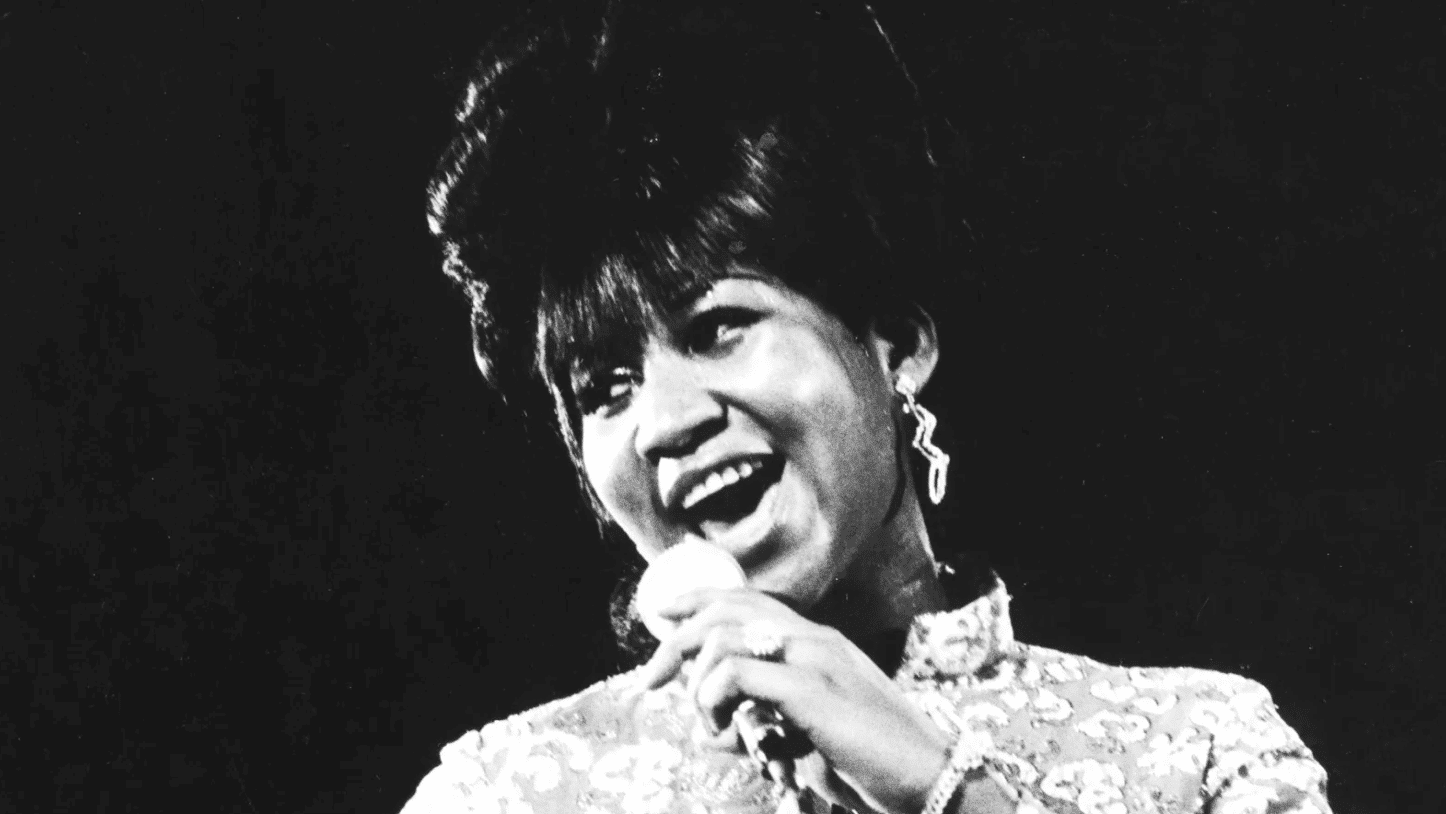
Aretha Franklin was born in Memphis, Tennessee (1942), and helped define the sound that would forever shape rock and roll for generations.
She had a presence and command that could be felt by anyone, no matter how far away. Raised in Detroit by her father, she grew up in the church and infused gospel into every note she sang.
Aretha Franklin became the first woman inducted into the Rock and Roll Hall of Fame, won 18 Grammys throughout her career, and influenced countless artists across generations.
Among them was Whitney Houston, who often stated that, besides her mother, Franklin was her greatest influence.
Aretha Franklin changed expectations, proving that a black woman’s voice could be both profoundly emotional and commanding in a space that often sought to limit her presence.
Michael Jackson “The King Of Pop”
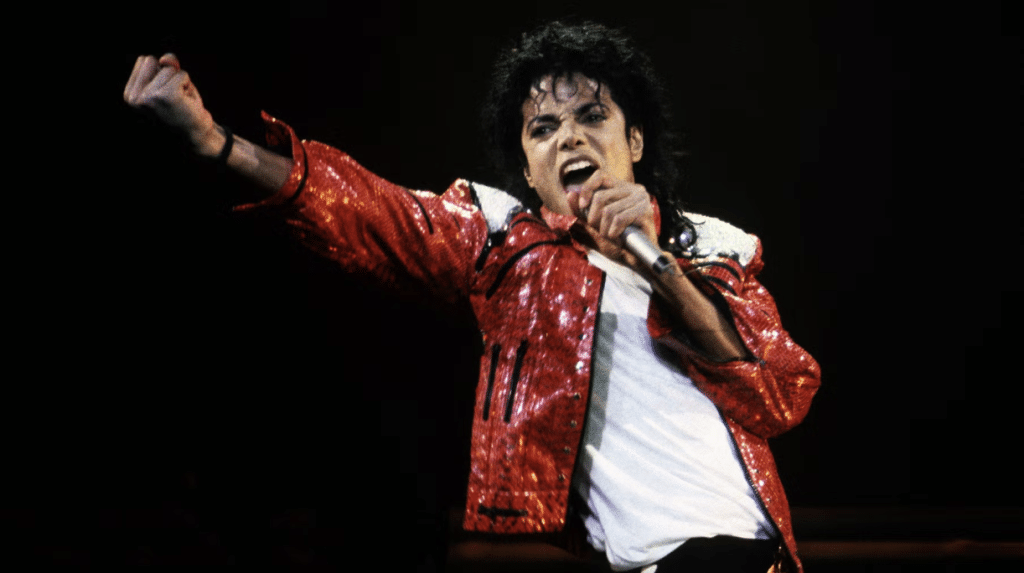
So we’ve gotten to Michael Jackson, and let’s be honest, does he even need an introduction?
Michael was born in Brooklyn, New York (1963), and from the moment he stepped onto a stage as a child with the Jackson 5, it was clear he wasn’t ordinary and was destined for greatness.
What he became as a solo artist changed music forever.
Michael Jackson made songs, yes, but he also created moments. He turned music videos into movies. He reshaped the way people perceived black art and brought together audiences of all races at a time still rooted in systemic racism and inequality.
He attracted billions of fans worldwide. I mean, even Amazonian tribes knew who Jackson was. His talent as a singer and dancer was the pinnacle of musical and entertainment artistry.
Michael Jackson was unique, and to this day, no one has ever sung and danced like him. He was a force of nature, inventing a new style in everything he did.
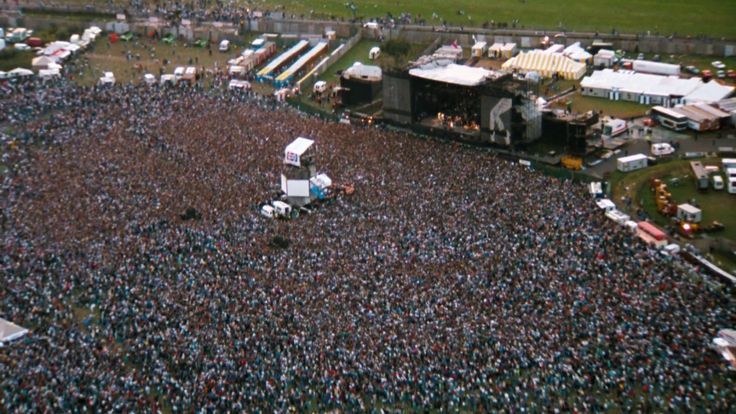
And then there was the performance style. The moonwalk. The glove. His silhouette alone became iconic. Every pop star that came after him studied it. When we speak of setting standards, we speak of people like Michael Jackson.
Fans described it best,
“The excitement you got from him was a feeling that I guess younger people would get waiting for a Kendrick or Beyoncé album to drop times infinity.” (@siham.amra/TikTok)
Michael Jackson excelled in every genre, from pop-rock with “Beat It,” to disco with “Rock with You” and “Shake Your Body,” to gospel with “Man in the Mirror” and “Keep the Faith.”
He was more than an idol and far more than a superstar. Jackson became something larger than fame itself.
Honoring the architects
Black music is not a subcategory of American culture. It is the core of it.
The rhythms that move us. The lyrics that define eras. The beats that fill stadiums. The vocal notes that give goosebumps. All of it traces back to a lineage rooted in culture. When we recognize black artists as architects rather than accessories of the full picture, we finally tell the honest truth of the legacy that built this country.
Could you imagine if black people had never made music, or even picked up an instrument?
The influence is that big and absolutely cannot be overstated. Music as we know it today wouldn’t exist. Entire genres, sounds, and chapters — erased.
So next time you listen to a song that moves you, gets you dancing, or gives you chills, remember who made it all possible.