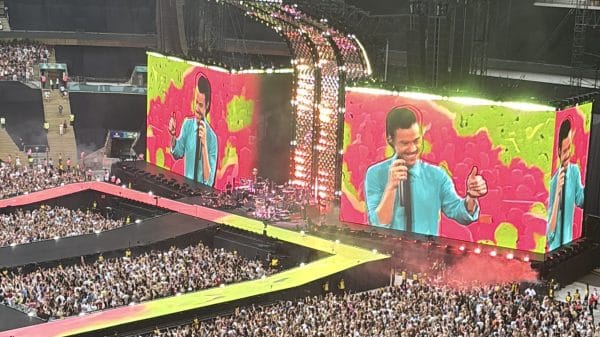

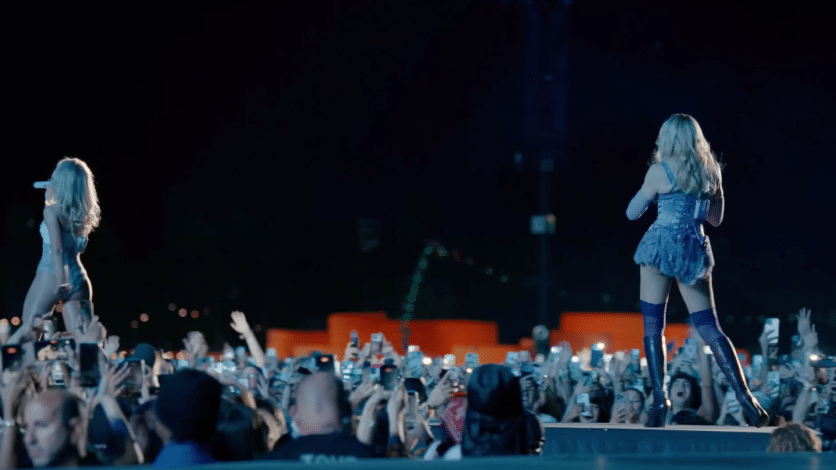
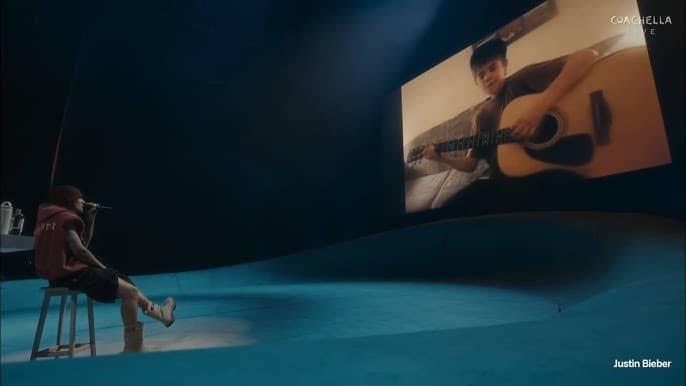
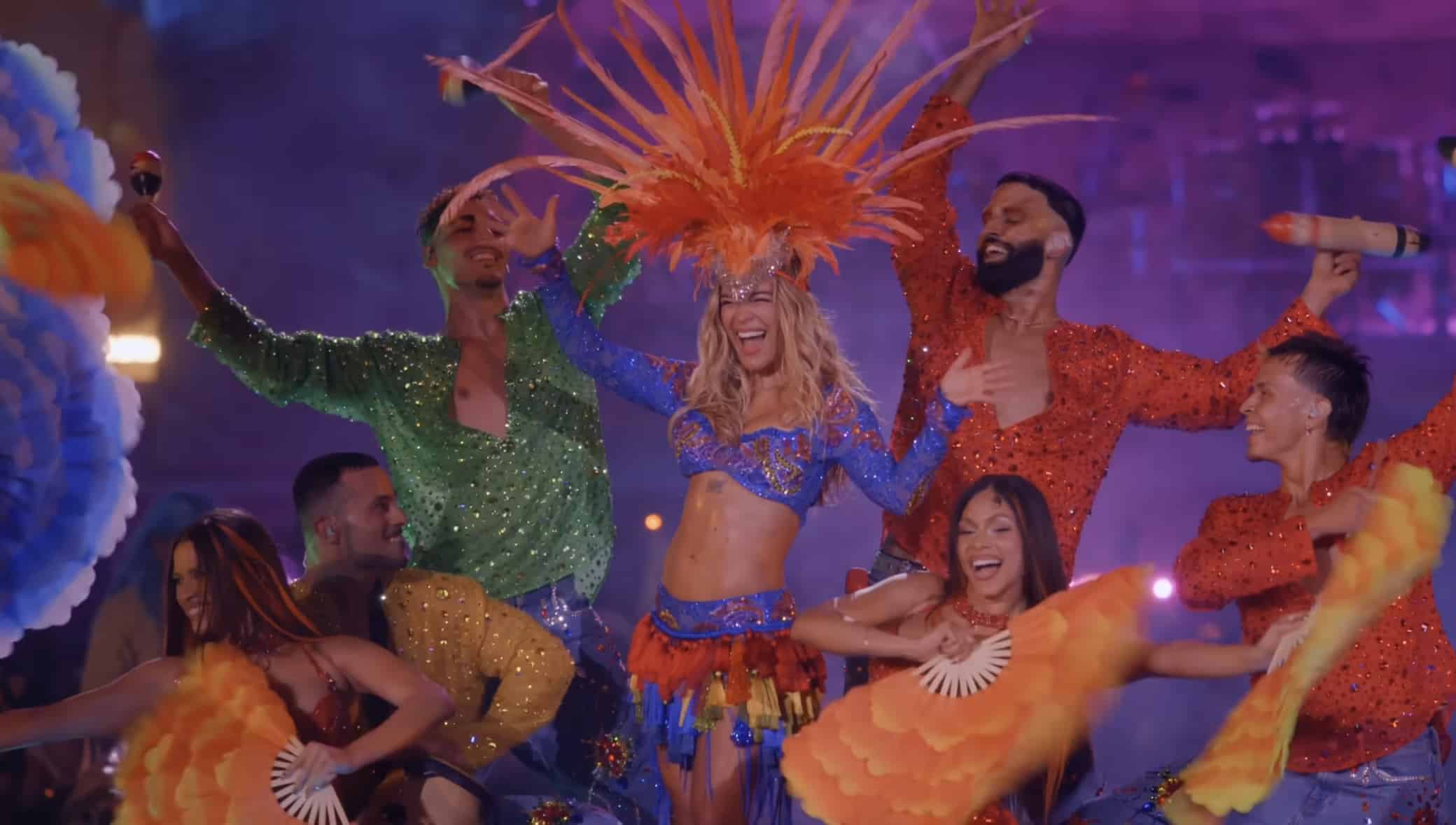
As 2026 Coachella comes to an end, music fans are praising artists’ performances and expressing frustration with the festival itself. This year, Sabrina Carpenter, Justin Bieber, and Karol G headlined the music festival. Many other artists, such as The Strokes, Swae Lee, and Dijon, also performed.
On the other hand, the primary crowd of the iconic music festival appeared to be social media influencers and content creators who used the desert grounds as a photo opportunity to cement their social status. Average music fans complained about the festival’s obscene pricing, making it impossible for them to attend. They expressed their jealousy as influencers and Coachella’s corporate owners took away their opportunity to experience their favorite musicians.
Despite the festival’s original goal to make live music more accessible to the average listener, Coachella’s evolution in recent years poses a larger question: Can the working class still afford to attend music festivals?
Coachella’s exorbitant costs
The price of a general admission pass to Coachella in 2026 costs $549. This is nearly five times the average concert ticket costs ($132), which have already been exponentially rising. Not to mention, if you prefer the VIP experience, tickets cost $1,199. And if you didn’t buy tickets upon release, you could expect to pay over $4,000 for just one general admission pass. When considering the cost of transportation, storage lockers, parking, camping, food, flights, outfits, accommodations, and additional service fees, along with the ticket price, the cost of attendance skyrockets well into the thousands.
Meanwhile, in the United States, the median annual salary is $63,795. With a rapidly rising cost of living and inaccessible housing prices, can the average American even afford to go to Coachella? Considering how the cost of attendance stacks up, one trip to Coachella could equate to about 10% of the average person’s yearly income, making it widely inaccessible to attend.
Coachella’s history
Ironically, Coachella began in 1999 as a way to support the boycott of Ticketmaster’s high service charges. Tickets were only $50 to let music fans see many artists, such as Rage Against the Machine and Beck, for the price of one concert. This is a stark contrast with the high prices seen today.
Additionally, the original Coachella did not feature any corporate — an aspect of Coachella that is inseparable from the event today. For this year’s festival alone, there were 19 official corporate partners, including the ever-controversial Coca-Cola and Starbucks. By partnering with large companies, Coachella has strayed from its punk and grassroots origins.
Influencers
A key cause for Coachella’s shift has been the rise of social media and influencers. In the late 2010s, Instagram led to the rise of a distinct Coachella aesthetic of flower crowns and boho outfits. Content creators flocked to the music festival to take curated pictures. In some cases, influencers even headed to the desert just to take pictures and not to attend the festival. This was a signifier that the festival had become more of a status symbol than a concertgoing experience. And as more influencers share social media posts and more people desire this status, prices continue to rise.

Today, many influencers spend hundreds of thousands of dollars on Airbnbs, stylists, and private jets. Others who are not looking to spend as much have found a new way to attend: corporate sponsorships. Brands offer to send influencers to Coachella and compensate them handsomely in exchange for posts mentioning their products. The larger an influencer’s following, the more they are paid.
Striving for relatable content, influencers boast that anyone can get invited by reaching out to brands. However, these payments will not always cancel out festival costs the same way they do for influencers. Preferential treatment and higher compensation are given to those with high followers, not the average person.
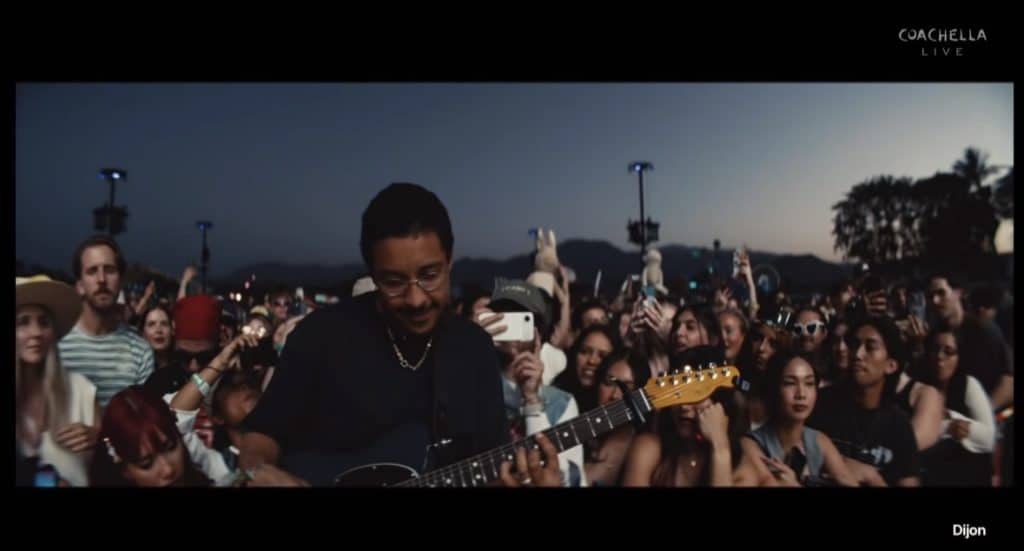
These sponsored influencers turn Coachella into a walking advertisement. Since they get paid as they post, they hold their phones up for the entire festival, taking people out of the moment as they watch the concerts through their phone screens. Look at any picture of a Coachella crowd, and you will see a sea of concertgoers standing still as they hold their phones up.
The very same people who are driving up the cost of the festival aren’t going to enjoy the music. Instead, they’re enjoying the photos. They become a sort of middle ground between Coachella and average music lovers at home. Since the working class can’t afford to go, influencers attend, hold their phones still, and post videos for everyone to enjoy. And as they make money off their content that advertises Coachella, demand only goes up higher, prices rise even more, and regular people have less and less of a chance at attending.
Though they may claim to record “for the memories,” the action of recording each artist feels unnecessary in itself, considering Coachella streamed both weekends live and uploaded videos of sets online, unlikely to be lost to time anytime soon. Instead, their personal recordings act as hidden ads. When watching concert videos posted on personal accounts rather than official artist pages, people feel influenced to go to Coachella, as they’re unlikely to realize they’re watching a sponsored ad.
This trend with influencers isn’t specific to Coachella. There is a whole subset of influencers now who are “concert influencers.” These content creators attend concerts, film the entire show, upload their snippets onto their pages, and profit from the views they gain.
In any other context, this would not be considered a career. If someone were to go to the movies, film it in its entirety, and sell their copies, it would be considered piracy. But for concert influencers, their posts serve as advertisements for artists’ tours and encourage viewers to attend a certain artist’s next show.
In this way, music festivals like Coachella not only profit from their high ticket costs. They also profit from the jealousy of those who cannot afford them. As influencers serve as walking advertisements, demand for tickets increases and prices increase, and only a small group of influencers can afford to keep coming back to Coachella each year.
Morality
Additionally, the new ownership of Coachella, which has exacerbated this new festival culture, has faced other controversy. Coachella’s owner, Phillip Anschutz, has donated millions of dollars to conservative causes and even to U.S. President Donald Trump himself. Considering this, the money many people spend on their Coachella ticket is going directly to causes they oppose. It also strongly contradicts the music festival’s origins in punk counterculture.
In a similar manner, the music festival’s corporate sponsors are controversial as well. For example, both Starbucks and Coca-Cola have come under fire for their unethical labor and business practices. When influencers sign deals to promote these brands to be able to attend Coachella, they are, on some level, supporting these unethical practices.
Influencer Kate Austin uploaded a TikTok sharing how a controversial brand offered her $200,000 to attend Coachella. She also stated that brands offer more popular influencers even larger sums to attend.
However, Austin declined the brand deal as she didn’t want to support the brand’s unethical behavior. She doesn’t condone other creators who do sell out, either.
“Two hundred thousand dollars would literally change my life, and the more I thought about it, I was like this doesn’t feel good for me, it doesn’t align with me morally, it doesn’t align with me ethically, I don’t want to sell my integrity for a check,” Austin said. “It’s possible to say no, and it’s possible not to sell out.”
If, as Austin said, companies are spending $200,000+ per influencer, it is reasonable that instead of spending this money on influencers, brands could spend the money on sustaining more ethical business practices. When influencers agree to align themselves with harmful companies in order to attend Coachella, they allow themselves to advertise businesses that should be boycotted.
Some people ran to social media to make fun of this immoral behavior. Many satire videos with captions like “Coachella House Tour With Lockheed Martin!!!!” instantly went viral.
Moreover, Coachella made $68.7 million in profit and is one of the highest-profit music festivals in the world. Considering this, it is fair to say they could afford to lower their prices.
The future of live music
As the live music landscape changes, becoming more expensive and immoral, it raises the question: Who can go to concerts and music festivals?
High pricing doesn’t only make live music inaccessible. For those who can afford it, it presents a moral dilemma as well. When influencers’ main purpose at a concert is to advertise, they are taking away the experience from real fans of the artist. They also drive up prices and stand in solidarity with unethical companies.
However, there are a few other options for people to be able to see artists perform aside from these festivals. Even when attending a standalone concert, companies maintain a monopoly that drives these ticket prices up as well.
But there is still hope. A jury found that Live Nation and Ticketmaster were guilty of overcharging fans. The general criticism of Coachella-going influencers is on the rise. If both companies and influencers separate themselves from commercializing live music spaces, the average music fan can dream of attending live performances that don’t break the bank.
Or, people can do what Coachella once did: start an affordable festival of their own to combat rising ticket prices and unethical corporate practices, and hope it doesn’t end the same way.