
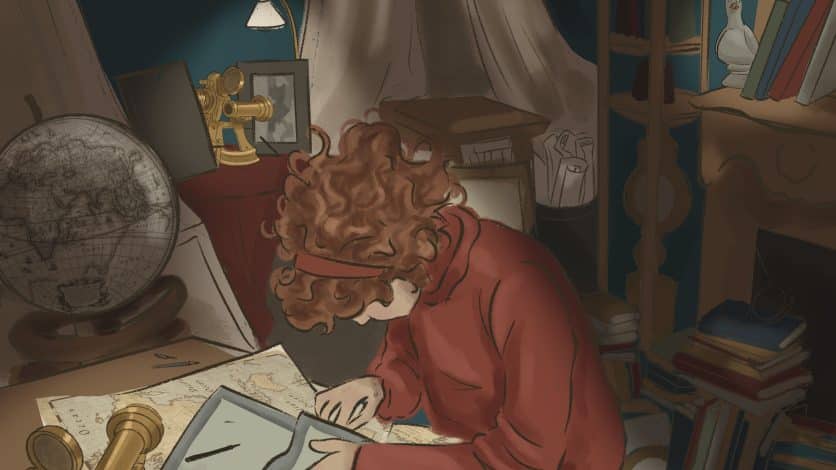
Mad Persona is an independent Literary Magazine looking to build a community of new creatives through its platform. They aim to provide their contributors and readers with an outlet in these troubled times. Mad Persona has set out to show that while there may not be light at the end of our collective tunnel, “not all those who wander are lost.” Because the fact is that they don’t need to be.
Meet the Founders!
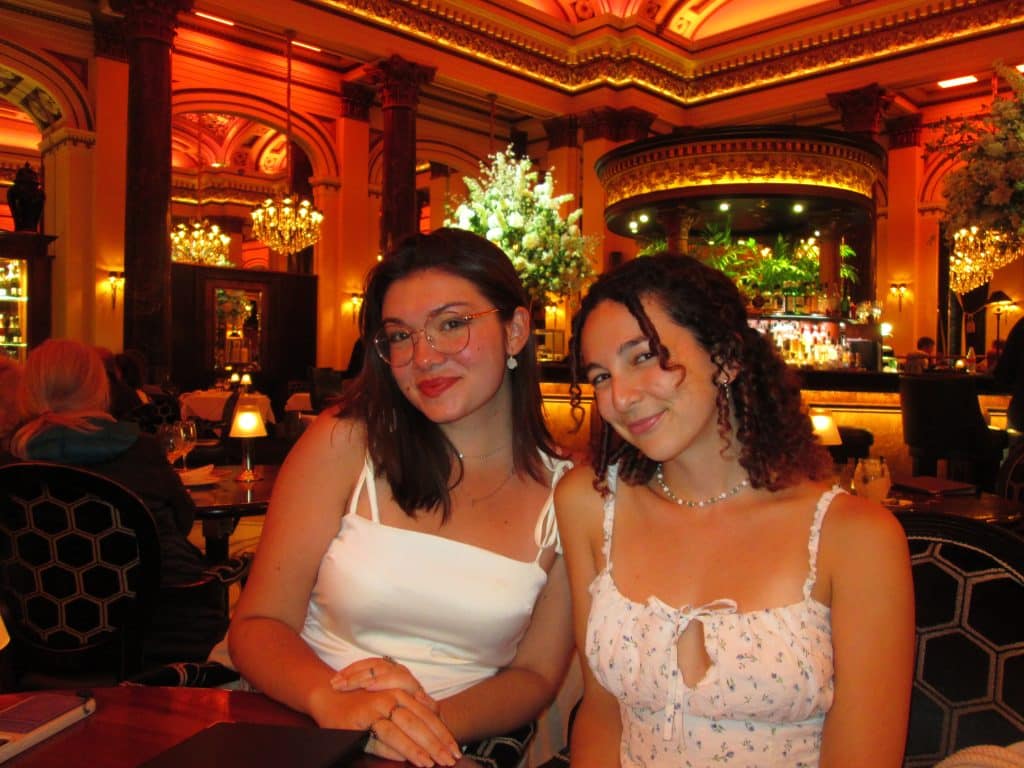
The Mad Persona Magazine was co-founded by University students Julie Allan and Serafina Piasentin, who share an educational and creative background in writerly pursuits. Both are currently working toward master’s degrees in their fields of focus. Serafina and Julie share the dream of becoming integral parts of their local and international literary worlds. They want to create a community for skilled new creatives to break into the published world.
Julie attends the Savannah College of Art and Design (SCAD) in Georgia, USA for art and design. She is in her final year to receive her BFA in illustration for publication. She works as a freelance writer for a variety of art and art history magazines.
Serafina attended the University of Windsor’s English and Creative Writing Program in Ontario, Canada. During her time at the university, she served as part of their Outstanding Scholar program, worked under Black Moss Press in editing and publishing, served as a teaching assistant for three years for the Effective Writing program, and worked as an editor and writer for the University of Windsor Campus. She graduated as the top student of her year in the English department.
The Genesis of Mad Persona
The Mad Persona Literary Magazine was first conceived in the Summer of 2024, in Edinburgh, Scotland, where the two entrepreneurial kindred spirits met during the SUISS exchange Creative Writing course. After bonding over their shared love of the musician Hozier and the historical literary novels they were each writing, Julie brought up the idea of founding a magazine, to which Serafina she readily agreed. And so the Mad Persona was born.
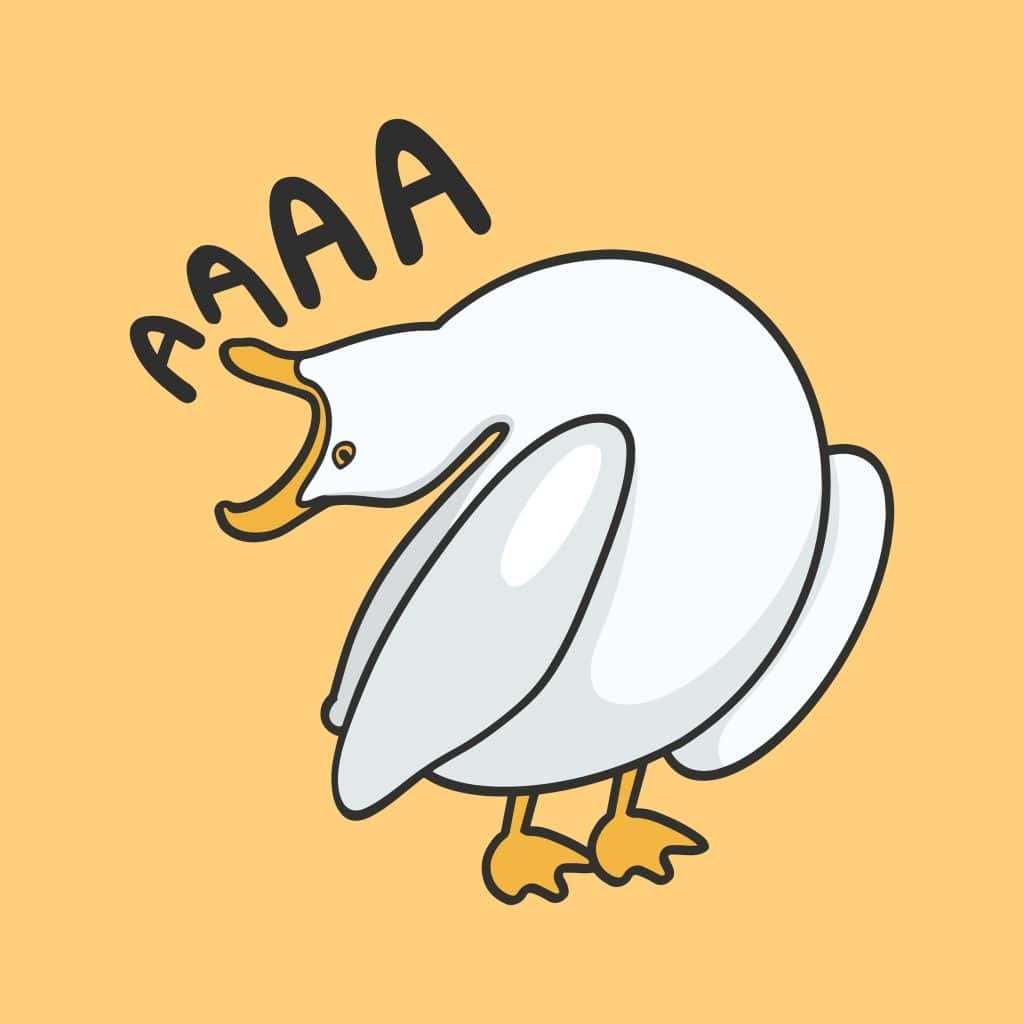
When considering the aesthetic and general appearance, they decided to pay homage to the place of the magazine’s conception. Likewise, they chose their feathered mascot, the seagull, from its equally chaotic nature and frequency within Edinburgh—hoping to embody their desire to allow new creatives the chance to spread their wings and soar.
After the end of the SUISS program, Serafina and Julie kept in contact, working together from a distance to bring their magazine to life. Within three months, their first issue was published on their site. They are expecting to publish their next issue in the spring of 2025. Check out the story of the Mad Persona‘s founding in its creators’ own words!
Why Mad Persona is for You
Mad Persona is a magazine that exists to serve an international generation who have grown up learning, seeing, and hearing about the political instability, cultural upheaval, and chaos in our post-modern world. The authors featured are primarily high school and university students from Canada, the USA, Greece, South Korea, Egypt, and Scotland, reflecting the magazine’s desire for contrasting voices.

It is a magazine for creatives and consumers alike worldwide who are unsure about their place in the world today, as well as the place of their creative output. Mad Persona is for anyone looking for a platform that lets out their voice. It is for every creator unsure of themselves and hoping to break into the industry. Whether you are a writer, a poet, an artist, or a photographer, this platform is for you. Finally, it is for those willing to look to the future and try something new; it is for the mad.
But perhaps most fundamentally, the Mad Persona is a magazine that is working to uplift every person who counts themselves among the mad. They encourage all mad persona creatives to submit their work and have ensured that they will provide individualized critical feedback, whether the piece is accepted or not. And to those submissions that speak in the voice of the mad—of the need to create art for sanity’s sake—they will provide a platform, a mouth, from which to scream.
Who They Platform
Mad Persona doesn’t ask for a specific focus or theme in their submissions. Rather, they take what they have received and craft a theme from the similarities that emerge. They only ask that all submissions be “mad”; an eye in the storm; walking on the thin line between a rock and a hard place; art made for sanity’s sake.
Any sort of media and medium is acceptable, so long as it has not been published previously and is not created through A.I. There is a cap of three thousand words per prose piece, with a possibility for long-form submissions spread across multiple issues in installments. There are no tense or point-of-view restrictions for prose, and free form poetry is welcome. Poetic submissions are restricted to five poems per submission, with a maximum of thirty lines per poem.
All written submissions must be literary—no fanfiction or derivative work. A.I. should have no contact with any submission, in any way. Mad Persona is looking to empower creativity in the face of adversity. The magazine is an exercise founded on human interactions and feelings, and it wants its content to reflect that.
Quality is emphasized over quantity and any other factor for that matter. At the same time, they are looking for objectively well-written pieces that feel new. Potential contributors should, however, be careful in the employment of genres and forms that may toe the line between creative expression and the yassification of the written word, such as can be found in new means of expression such as Insta-Poetry.
The First Issue
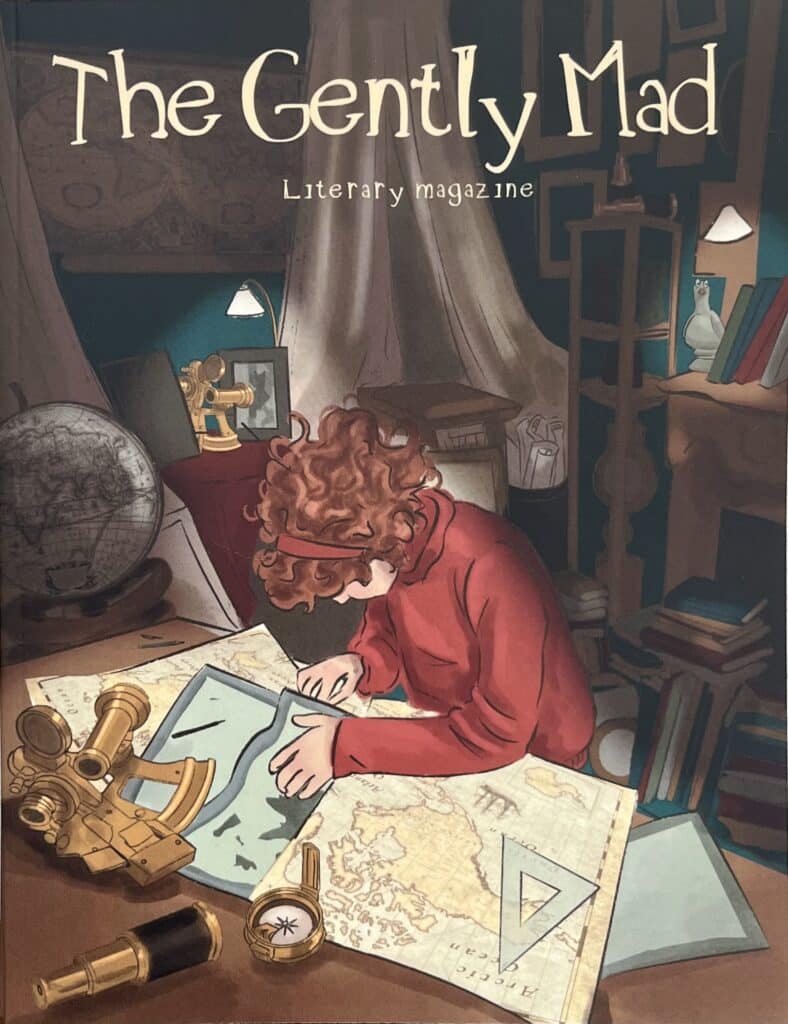
“Madness should be accepted to navigate through the world with purpose.” This is the main message of the Mad Persona Literary Magazine. The acceptance of madness, the gathering of courage to explore the unknown, and wandering without direction to create one’s path is the theme of Mad Persona‘s first issue, released for free access in December 2024. Check out the first issue to see the Mad Persona Navigator (with a bad sense of direction) in action.
In the Future
At present, Mad Persona has released its first issue for open access, and electronic and hard-copy purchase. Future issues are set to release tri-annually in April, August, and September. Mad Persona‘s goal is to become a well-recognized and world-renowned magazine, akin to The New Yorker in both quality and viewership. All contributing creatives will be compensated for the work they have provided once there is an established readership and consistent influx of funds from electronic and paper copy purchases.
Mad Persona is looking to create a regular readership not only online, but in print as well. The primary goal of the magazine is to provide an outlet for its creatives and community, and it is aiming to stave off any issues it may face as an electronic production through this physical component. In a time when even the most successful online magazines are going out of business and facing economic hardship and layoffs, they are seeking to build a foundation that can last a lifetime.
Independence: An Uphill Battle
One of the greatest challenges of creating an independent production is money. Independence necessitates personal financial capital or donated funds to invest in preliminary production costs. It is a stark reality of entrepreneurship. Do not let resources be a limiting factor, to create something from nothing, a leap of faith is necessary.

But starting a production is much easier than growing it and keeping it in operation. The most important thing is attention and interaction; money is useless if you can’t find and keep an audience. All the financial investment in the world will be useless if you cannot get your work in front of consumers.
The only way to overcome both hurdles is through connections, community interest, and a willingness to work at a loss. Don’t let your resources hold you back. If you can’t persevere in the beginning without immediate profit, then you won’t succeed. This is understood very clearly by Serafina and Julie, who have reinvested everything they have earned from the magazine into its production.
Their goal is to make Mad Persona big enough that they will have the resources to pay their contributors. The creation of this community has never been about money for them. They feel strongly that to take what they earn in part from their creative contributions would be exploitative. They’re doing it for the love of it — to give back to the literary community.
How You Can Do It Too!
As Serafina so clearly put it, the literary world is built on connections; it’s a people-oriented world. The best way to get somewhere in the field is to engage with your local creative communities. Go to showings and readings. Persevere, look for major local figures, and connect with them.
The important thing is to build genuine friendships. These friendships will naturally lead to business connections. Make your love for the field and the craft clear, and show up even without clear financial incentives. People will notice, and that matters. Look for experience and learning opportunities, and don’t sell yourself as money-hungry.
If you can, attend University. Professors make for great connections! They are often deeply embedded in their local writing communities, academic or otherwise. They will know people and have connections. Everyone can be a writer — just let the world see it! Push through push-back and rejection, because there is no other way to go but forward!