October is when fall really begins as the weather grows colder and the days grow shorter. There are fewer incentives to go out and more to stay in and read. As the cold nights settle and the pumpkins pop up, nothing is better than a chilling book to send shivers down the spine. Here are four books to curl up with during the spookiest season of the year.
These recommendations are based strictly on vibes. Not all of them are horror books, though some are. You’ll find alien swarms beside pre-Dracula vampires in stories of contrasting styles, structures, and lengths. They’re all a little creepy and more than a little likely to have you jumping at shadows or looking around to make sure you really are alone.
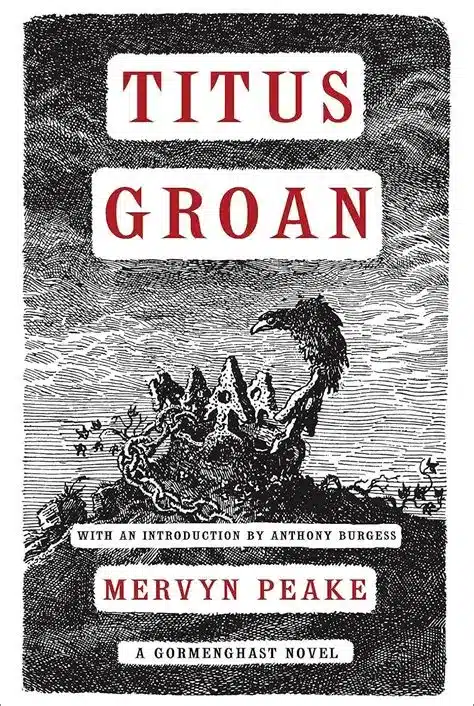
Week 1: Titus Groan by Mervyn Peake
Written by British portraitist and poet Mervyn Peake in 1946, Titus Groan is a strange book with a chilling premise. Though it’s often considered early fantasy, it’s different from the other books in that camp. It combines the experimental style of modernism with the brooding atmosphere of Gothic literature. The effect of this combination is unprecedented and, except for its sequel, unsurpassed.
A darkness lies waiting, hungry to envelop the labyrinthine, half-ruined castle Gormenghast. This shadow is not war, pestilence, famine, or death, but a conniving, charismatic kitchen urchin. Steerpike slaves away in Gormenghast’s hellish kitchen, all while devising cunning ways to obliterate Gormenghast. In his sights are not just the physical castle, but the ancient, eccentric rules, rituals, and people that govern it. His plans are only daydreams until he, by chance, ingratiates himself with the personal attendant to the Earl of Gormenghast. Free of the kitchens, Steerpike puts his plans in motion.
The setting and side-characters are as compelling as our central antihero. The castle is alive just like the human characters, with its half-explored sections and forgotten rooms. The Earl’s romantic daughter, Fuchsia, searches these hidden places, discovering love in the worst possible one: Steerpike. Meanwhile, Mr. Flay, the Earl’s skeletal attendant, splits his time between his duties and his feud with the malicious head chef Abathia Swelter.
Then there is the prose, the glue that holds this fever-dream together. Peake was an artist with words, and reading his work is like hiking in the wilderness: difficult but highly rewarding. With its oppressive setting, its impending disaster of a protagonist, and its uncanny secondary cast, Titus Groan is a perfect book to start a month of creepy reading.
Week 2: Pickman’s Model by HP Lovecraft
H.P. Lovecraft is one of the most dislikable figures to have become an important writer. However, fortunately for the moral reader, he’s dead. Lovecraft’s importance is one reason I chose him. The other is that Pickman’s Model is short, giving the reader more time to finish Titus Groan. The final reason I chose this story is its premise.
Our narrator fought in WWI; yet it isn’t the war that has him shuddering in Boston subway stations. He was a hard-boiled man who loved surreal, gruesome art. Yet, for some reason, he has repudiated this love. One day, the narrator sits down to dine with his friend Eliot and finally comes clean. The root of all this change is inextricably tied to the meteoric rise and sudden disappearance of Boston’s most innovative painter.

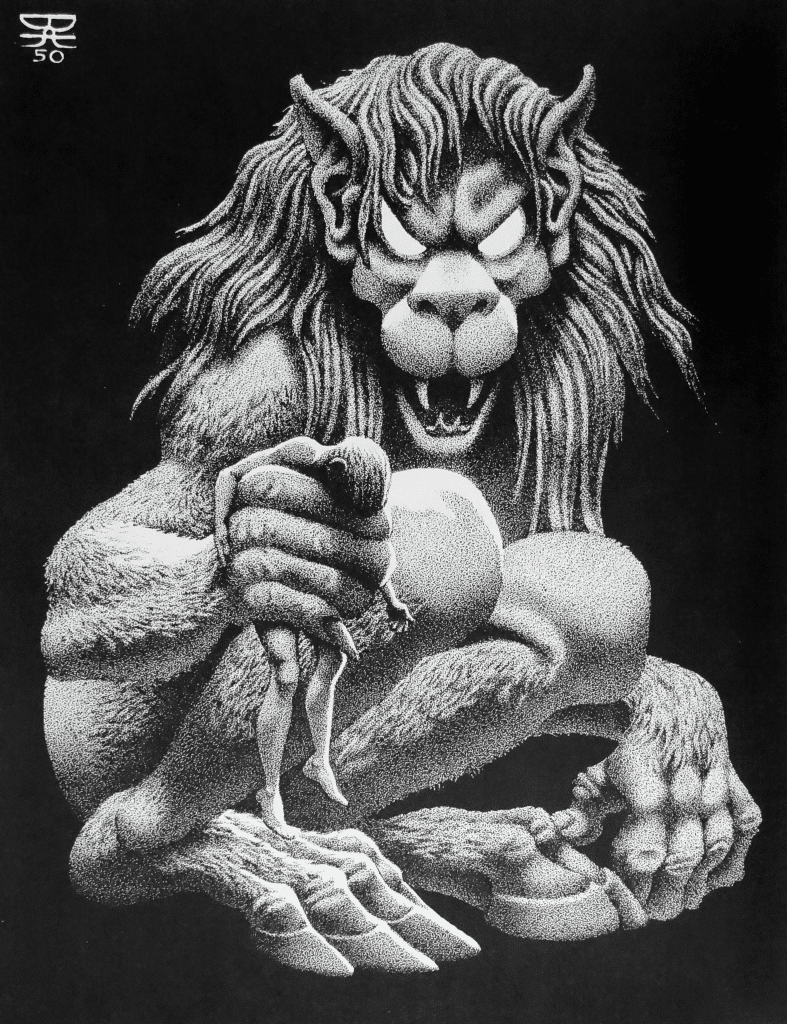
That painter is Richard Upton Pickman, and no one could paint what he can. His work transfixed the narrator with its nightmarish concept and realist execution. The narrator was so enamored with Pickman’s work that he sponsored the artist. Then the narrator makes two mistakes. The first is befriending Pickman. The second is asking where Pickman gets his inspiration.
This is the literary equivalent of a campfire story: a mix of cozy and creepy. Lovecraft is undoubtedly at his best here. The prose is surprisingly agile, especially for Lovecraft, which keeps the story tense. Lovecraft creates a feeling of creeping dread that escalates until the final line. Though that final line is predictable, it is no less scary for that. Overall, the story does what any great Lovecraft story does: makes you afraid to open your eyes once you close them.
Week 3: The Invincible by Stanislaw Lem
Written in 1967 by Stanislaw Lem, The Invincible is probably the most obscure book on this list. Those who don’t know the author shrug. Those who do vehemently insist that he deserves a Nobel prize. While his most famous book is undoubtedly Solaris, I found The Invincible to be better paced, equally thematically compelling, and no less suspenseful.
The crew of the Invincible arrives on Regis III, knowing already that something had gone terribly wrong. They’d been sent to Regis III to investigate the loss of their sister ship, the Condor. When they cannot immediately find the Condor, it is clear that things were even worse than expected. The cautious captain descends into the atmosphere of the planet and sends a search party down to the surface.

What follows is a tense mix of siege and rescue mission as the crew squares off against the remnants of a dead alien civilization. They are a swarm of small robots: They sense brainwaves, they erase human memories, and they evolve. As the story progresses and the stakes rise, the crew must negotiate a war with an apathetic opponent that they can barely understand.
The Invincible is a tense sci-fi book that teeters between thriller, adventure, and horror. The horror comes from the unknown and from the oppressive nature of the opponent the crew faces. Especially terrifying if, like me, swarms of bugs make your skin itch. It deals with some complex, provocative themes as well, thinking deeply about what extraterrestrial intelligence would actually look like, and the surprisingly unsettling and increasingly relevant notion of machines evolving on their own. Besides these literary merits, it also offers a welcome shift in genre and style between Peake, Lovecraft, and our final book.
Week 4: Carmilla by Joseph Sheridan Le Fanu
Carmilla is one of the earliest examples of vampire stories in English. Written by renowned Irish ghost story writer Joseph Sheridan Le Fanu between 1871 and 1872, it predates Dracula by 25 years. Carmilla offers an interesting twist on the familiar vampire formula and presents an engaging narrative in a fraction of the length of Dracula.
You open a doctor’s casebook and find the most haunting story in the history of medicine. It begins with the patient, Laura, recounting a nightmare. When she was six, she woke to find a woman in her room. This woman crawled into Laura’s bed. Laura, terrified, only woke when she felt a piercing sensation in her breast. This dream becomes much more unsettling when you remember that every face in a dream is one you have seen. Laura lives in a rural Austrian manor with three other people, and none of them is this woman.
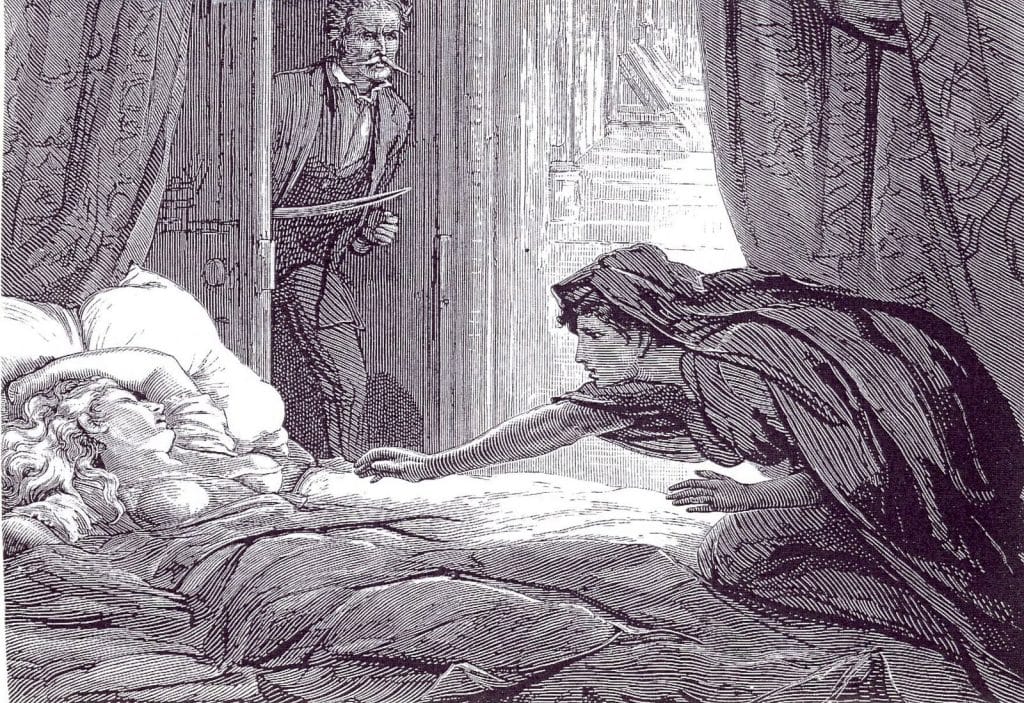
When Laura is sixteen, she meets Carmilla, the victim of a freak carriage accident. Carmilla deeply unsettles Laura: she’s a dead ringer for the woman from Laura’s nightmare. Despite this, the two become fast friends, and Laura enjoys the company. However, all is not well. Nightmares plague Laura, and Carmilla’s behavior is ever more disquieting. Things unravel further when a grief-stricken general arrives with a story of his niece dying after having been bitten twice by a vampire.
The plot is probably obvious by now, but you don’t read this for the plot. You read it for the quintessentially eerie atmosphere of loneliness, darkness, and unease as Laura’s idyllic life unravels. Another point of interest is that this book, unexpectedly for a book written by a man in the Victorian era, centers a woman.
Spooky season feels
October is winding down, and as the last leaves fall and the air turns colder, there’s something about this time of year that calls for stories that linger just beyond the edge of comfort. These four books each bring their own flavor of mystery and unease, inviting you to step into worlds where shadows lengthen and the unexpected waits in every corner.
From the twisting halls of Gormenghast to the eerie paintings of a troubled artist, from the silent threats on an alien planet to the haunting presence of a long-ago visitor, the stories offer you the chance to lose yourself in something strange and unforgettable. They’re not all pure horror, but each has that particular mood that makes you glance over your shoulder or wonder if the creak in your house means something more.
Let these tales propel you through October’s chill and into the kind of quiet darkness that sparks the imagination. When the season finally turns, you’ll have more than pumpkin patches and Halloween decorations to remember. You’ll carry with you the feeling of having explored the eerie and wonderful worlds that can only be inspired by this time of year. So grab a warm drink, find your favorite cozy spot, and settle in. Soon enough, you may be second-guessing what is real or not as you unravel the various mysteries.
Already looking forward to next summer? Check out this article to prep your beach reading.