We are endlessly scrolling, searching for the right formula to become a better version of ourselves. A productivity hack. A mindset shift. A list of things highly successful people do before 6am. We are living in the golden age of self-improvement content, and yet, most of us still feel like we’re falling short. The self-help industry is now worth over $40 billion globally, and it’s only growing. So why, despite all the books, podcasts, and TED Talks, are we still so desperate to be fixed?
At seventeen, I read my first self-help tome called How to Win Friends & Influence People by Dale Carnegie. I was shy–the kind of person who’d pretend to check their phone to avoid eye contact with the barista. So when I discovered Carnegie, I thought, “Finally! The instruction manual for human beings that nobody ever gave me!” I was convinced this book would unlock all the secrets of the professional universe–a cheat code for confidence. I imagined myself conquering boardrooms and interview panels simply by applying Dale’s magic formulas. The peak of my delusion? I walked into my first real job interview clutching a piece of paper—an actual piece of paper—covered in instructions I’d written for myself. To be fair, I’m not sure that was exactly what Dale Carnegie meant, but it certainly explains where my passion for the genre came from.
I still can’t resist the lure of a good bookshop with a sizeable self-help section. The reason? These life-hacking guides offer the tantalizing prospect of transformation: a rapid rewiring of your thoughts, actions, inner self and, every so often, my boyfriend too. To date, I’ve probably read at least 35+ self-help titles (and that’s a conservative estimate). I’ve tried to “embrace the real me,” “overcome trauma,” “stop people pleasing,” and “be the inspiring leader you’ve always wanted to be.”
Spoiler: I’m still a work in progress on all fronts. My bookshelf became a graveyard of good intentions, each spine a reminder of a version of myself I was trying to become but hadn’t quite figured out how to be. Which got me wondering: If self-help is so helpful, why doesn’t it seem to be working?
The Trap of Buying Transformation
The truth is that the self-help industry doesn’t just sell solutions—it sells the idea that you are the problem. Every new release quietly tells you that you haven’t read the right book yet, adopted the right morning routine, or rewired your mindset correctly. It’s a cycle that’s almost impossible to break , because the next title always promises to be the one that finally cracks the code. I went through a phase where I’d buy a new self-help book every time I felt stuck, convinced the answer was just one more title away.
It never was. But I kept buying them anyway, because the hope of transformation is, in itself, a kind of comfort.
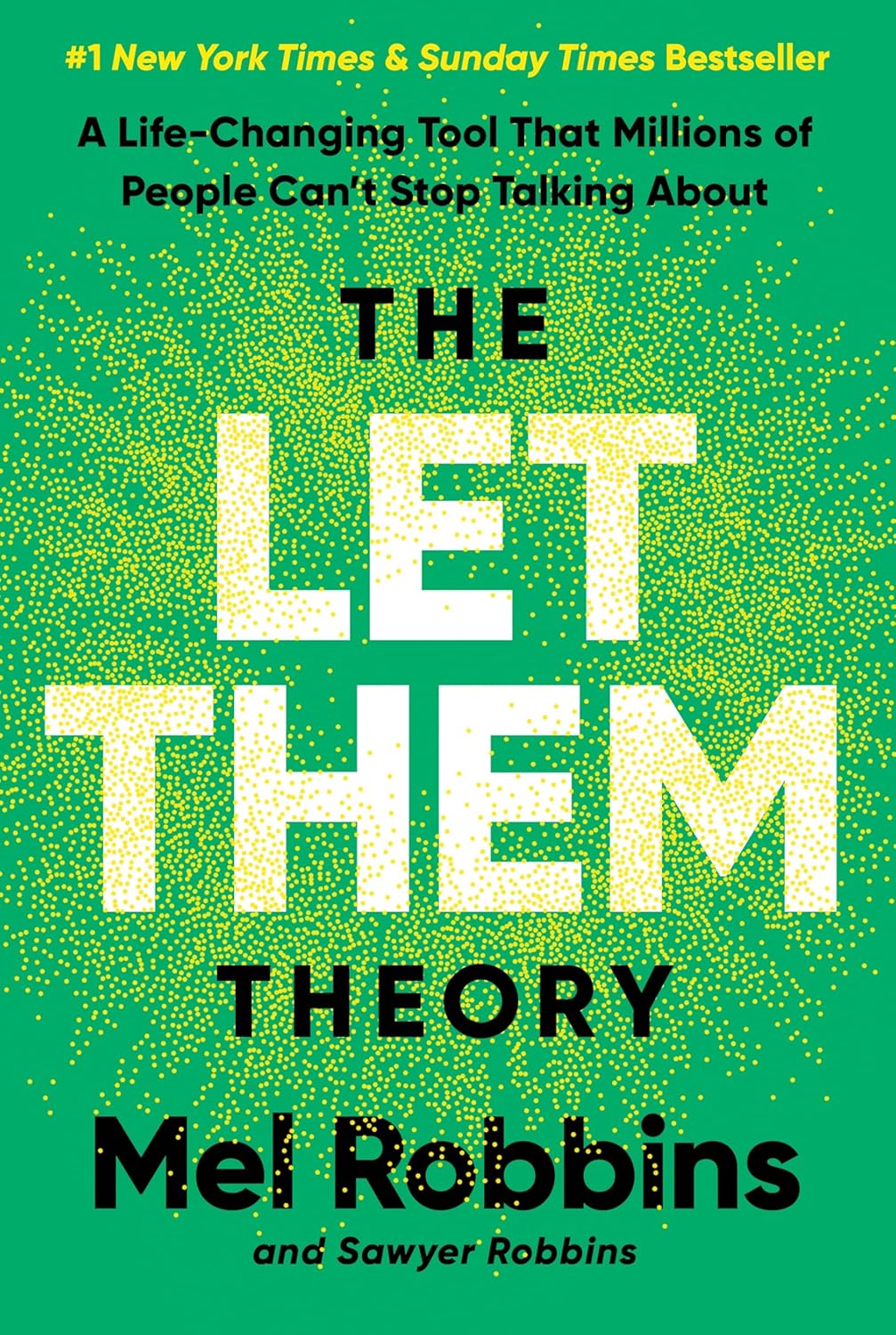
And then came the one that actually made me pause. Mel Robbins’ Let Them theory started as a 60-second video in 2023, and within a week, 14 million people had watched it. The premise is almost disarmingly simple: Stop spending your energy on what other people are doing, thinking, or choosing, and redirect it toward what’s actually yours to manage. Anytime you feel that desperate need to control a situation—or, let’s be honest, a person—you just tell yourself: Let them.
Why 14 Million People Said “Let Them”
I’ll admit, my first reaction was mild indignation. That’s it? That’s the whole thing? I’ve read Tolstoy-length self-help books that took 400 pages to say less. And yet, when something racks up 14 million views in a week, it’s worth asking why.

The Let Them theory didn’t go viral because it was “revolutionary.” It went viral because it named something people were already quietly drowning in: the exhaustion of trying to manage everyone around you while your own life quietly piles up in the corner.
Annoying boss making terrible decisions? Let them. Friend group chat descending into chaos? Let them. Boyfriend loading the dishwasher in a way that is objectively, demonstrably wrong? Apparently…let them. The concept works not because it solves anything, but because it gives you permission to stop. And in a culture that tells you to optimize everything, permission to stop is a radical act.
The Irony of Self-Help
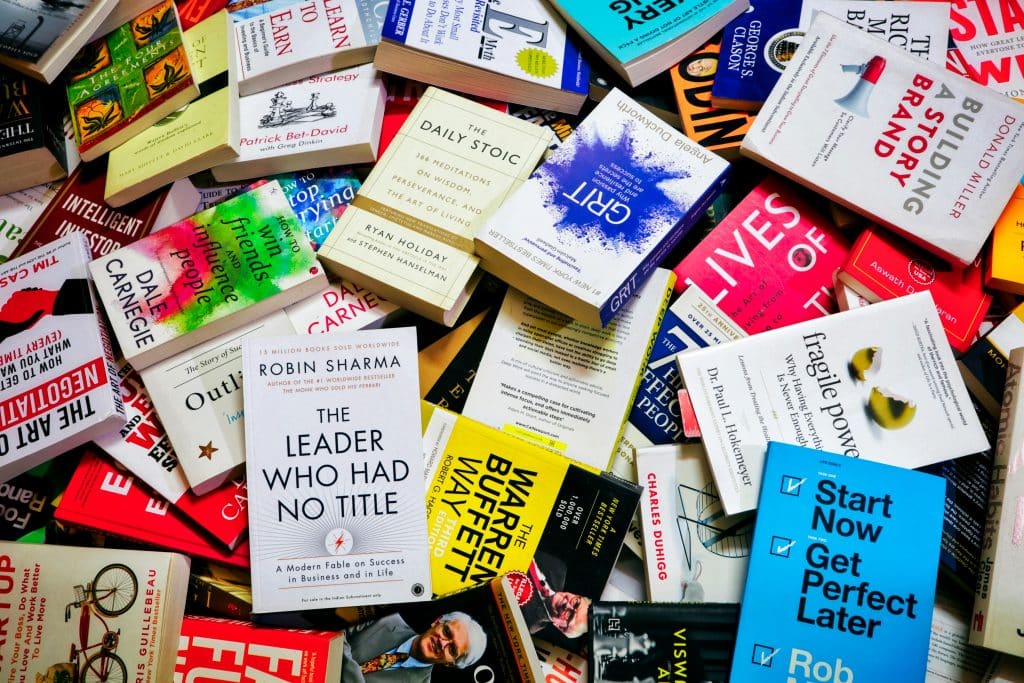
The problem with self-help is that it never seems to end. There’s always another new way to “find inner calm” or “change your life in a day.” And let’s be real–most of the time, I either don’t finish the book, or I’m too swamped to actually do what it says. Ironic, because that’s exactly when you need it most.
I’ve noticed that I’m great at reading self-help books when my life is relatively calm. I’ll curl up on a Sunday afternoon, highlighter in hand, nodding along to advice about morning routines and boundary-setting like I’m absorbing ancient wisdom. But the second things get messy –when work is overwhelming, or my relationships are strained–that’s when the books stay closed. The meditation app goes unopened. The journal stays blank. It’s like trying to learn to swim while you’re drowning. You know the techniques would help, but in the moment, you’re just trying to keep your head above water.
And honestly? That’s the biggest irony of the entire self-help industry. The tools are designed for the moments when you’re least equipped to use them. It’s not the books’ fault. It’s just the reality of being human. We’re inconsistent creatures who know what we should do but don’t always have the bandwidth to do it.
Good Enough is the Goal
We all have a choice in life. We can either live on autopilot, never questioning why we do the things we do, or we can actually try to understand ourselves better and put our energy toward something that matters.
I’m always going to choose the second option–and yes, I probably did read that in a self-help book.
Will I ever reach the promised land of perfect emotional regulation, unshakeable confidence, and inner peace? Probably not. Will I keep buying self-help books anyway, convinced that maybe this one will be the one that finally cracks the code? Absolutely. Because here’s what I’ve learned after 35+ books: tThe point isn’t to become perfect. The point is to keep trying. To recognize your patterns and, every once in a while, manage to break one.
Maybe the point was never transformation. Maybe it was always just staying curious about yourself, refusing to coast through life on autopilot, and occasionally, actually using something you learned–even if you need a piece of paper covered in instructions to do it.