Sometimes when we make decisions, we are reminded of the ubiquitous mantra “don’t judge a book by its cover.” While that can be helpful advice for avoiding erroneous assumptions, there are certain scenarios where we ought to break the rules. Ironically enough, it might be when we are buying a book.
Imagine that you are in a bookstore. Perhaps a Barnes & Noble, to make the scene a bit more vivid. Now imagine that you are wandering back and forth in the section containing your favorite genre. There are so many choices, and you need something new to add to your bookshelf and stave off boredom on rainy days. And unfortunately, you can only afford one book, as money has been tight this month. The store is closing soon, and you need to make a decision fast.
Of course, you don’t want to buy something you won’t be into. Everyone has some books on their shelf like that. The one you can’t bring yourself to read and is more like an over-the-top paperweight collecting dust. But at the same time, you don’t want to spend an eternity browsing for the perfect read. When there are countless book jackets to skim, titles to read, and covers to admire, trying to choose the right book can feel overwhelming.
That’s why we’ve broken down book shopping into a few simple shortcuts to help you select your next page-turner.

Start with the cover
Here’s a simple piece of advice. If you’re truly lost and don’t know where to begin, just grab what looks interesting. The other tips work best when you have something in your hands.
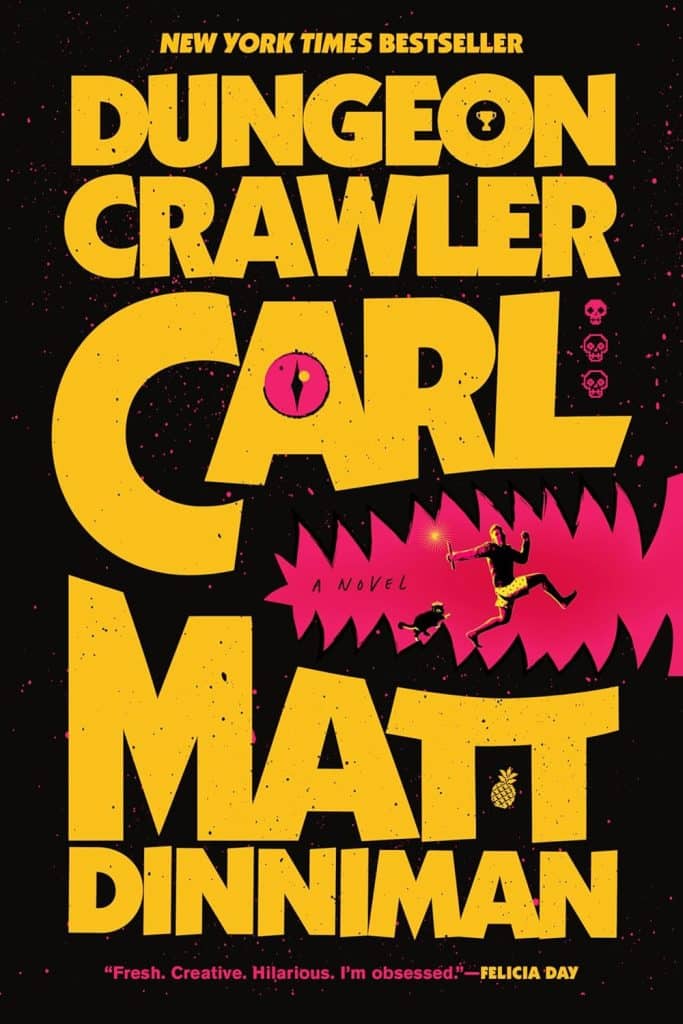
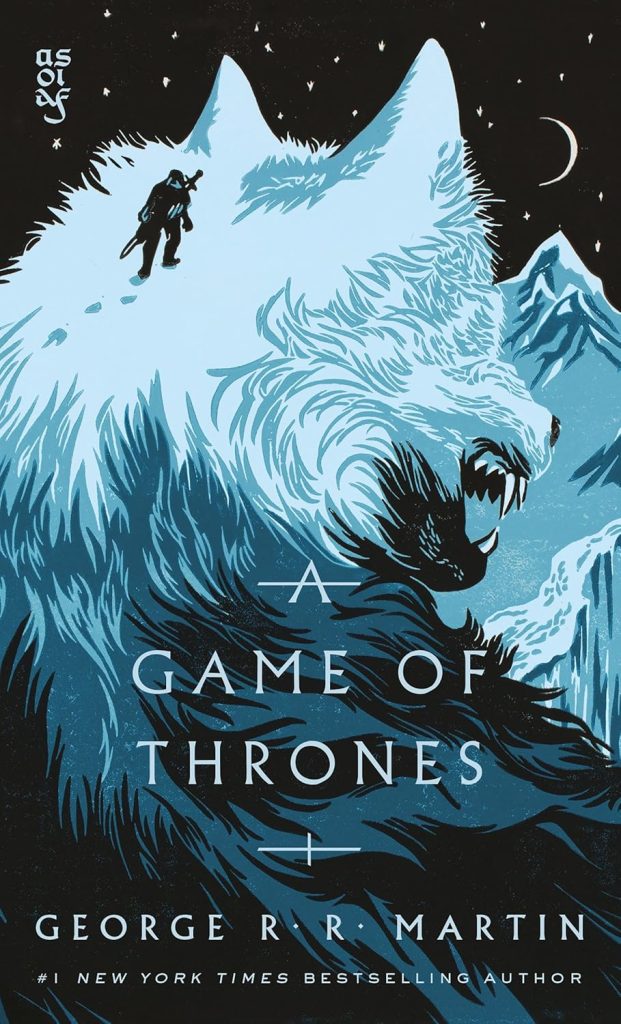
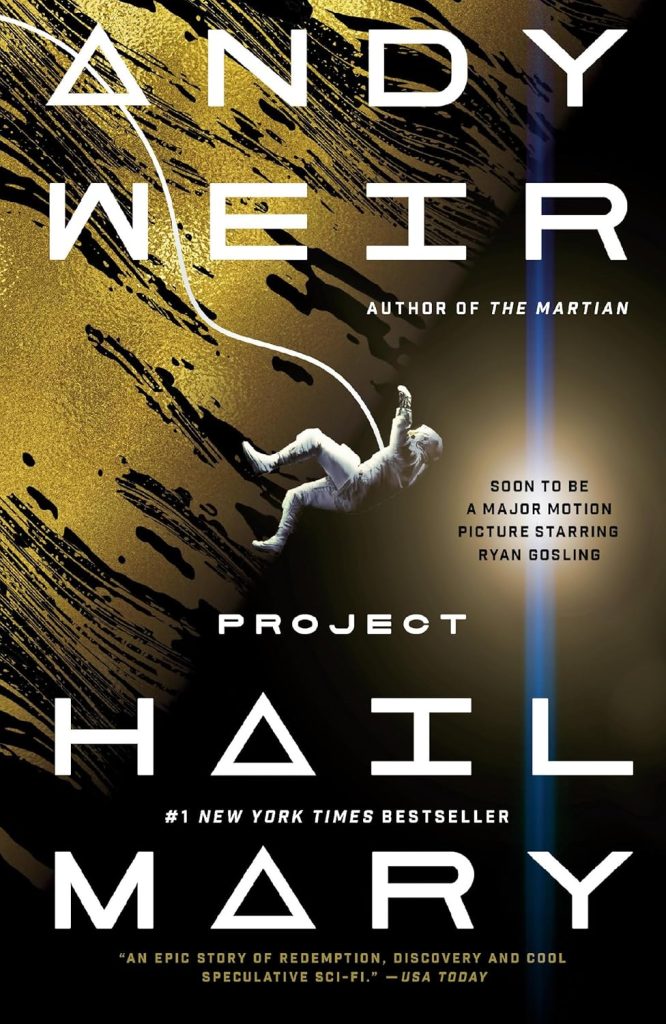
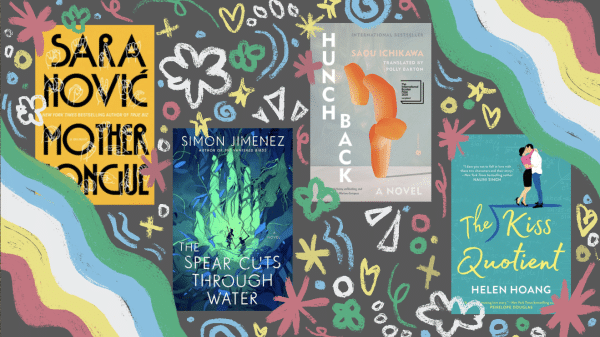
Each of the front covers pictured above has an element that captivates the eyes. They represent a mix of original covers and more artistic renditions.
It might seem a little childish to pick a book because of the art on its cover or because the title is embossed. That’s the point, though. The covers were designed to get your attention, so indulge the graphic designers and marketers for the moment. However, you can also go off of other details on the spine or cover, such as a recognizable author name. Whatever it is, grab something that grabs you.
In short, step one is to judge a book by its cover. With numerous books filling shelves and thousands more published by the day, there is really no other way to start narrowing your choices. A word of caution, though: A good cover does not guarantee a good book. The next steps should help you weed out any posers.

Does the title make the right promises to you?
After you have picked a book, it’s time to look at the title. Maybe the title brought you to the book in the first place. That’s great! The next step is to consider what the author is promising us in the title and whether that promise is interesting.
A title can provide prospective readers with enough interest to at least flip through the book’s pages. What does a book titled Riley’s Terrible Breakup promise? Some might expect a story about Riley’s rebound relationship. Others might expect a story about the last one falling apart.
The point is that you are thinking about the story, even if it doesn’t turn out to be the story you expect. The more deeply you contemplate the title, the better. If you’re unsure, ask yourself, “Do I care what that is?” or “Am I interested in what this might be exploring?” If you answer “yes” to either question, it’s likely a book worth buying.
Riley’s Terrible Breakup is not a real book, at least that we know of. But the titles of real books will make this tip more tangible.
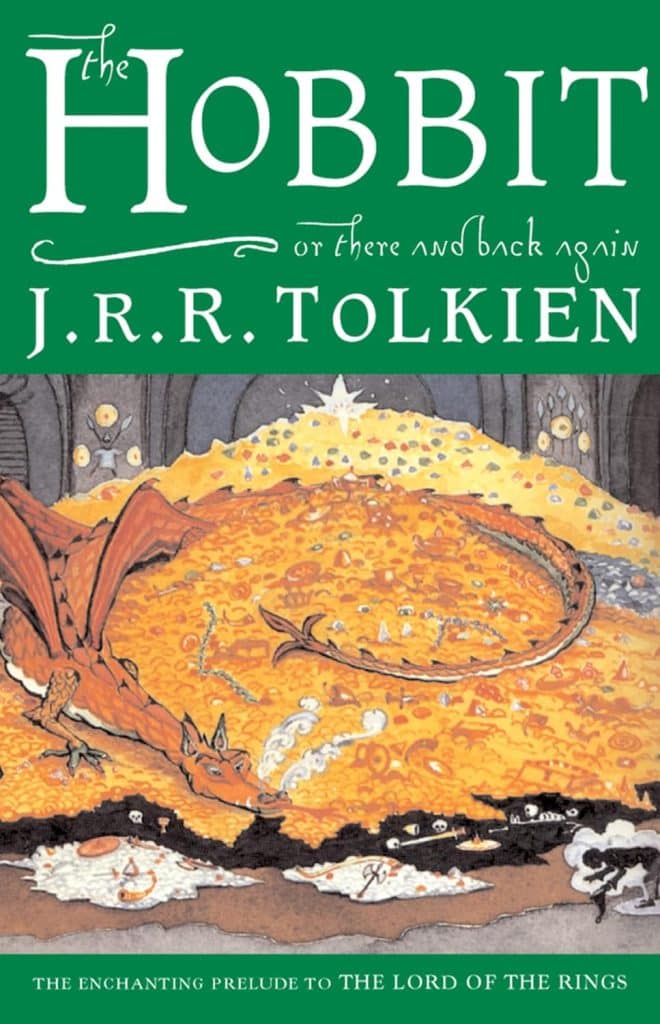
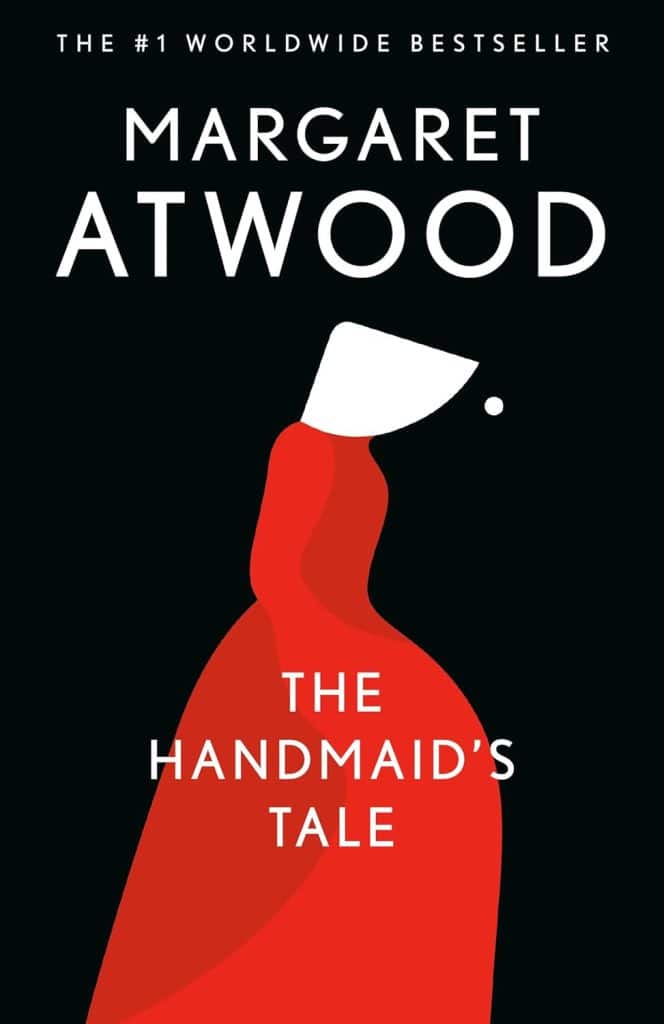
The Hobbit’s subtitle, There and Back Again, promises a journey that will apparently return to where it started. Meanwhile, The Handmaid’s Tale promises an account of the handmaid experience.
The promises of a given title are generally straightforward. The important part is deciding whether they interest you.
Think about where you found it
Hopefully, you now have a book with a neat cover and a compelling title. The next step is to think about where you found your book.
Many brick-and-mortar bookstores have a display table featuring popular books. Others may rotate the book on the shelf so that the front cover, not the spine, faces outward. Little moves like this draw your eyes toward higher-selling books.
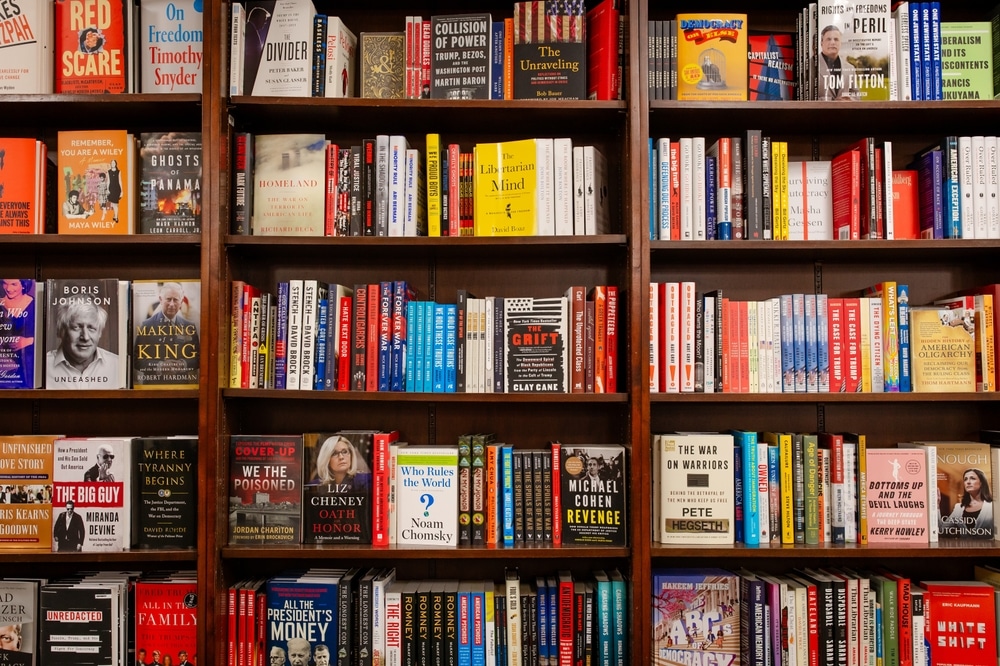
A book’s popularity does not always guarantee that it will be the right fit for you. However, it can at least give you insight into what you’re getting into. Do you prefer to talk with your friends and post about the books you read, or would you rather find something more obscure or underappreciated? Whichever camp you find yourself in, it’s good to know where to start looking.
You can also apply this tip while shopping on Bookshop or Amazon. Take a glance at the number of ratings. A popular title, like any of the Harry Potter entries, may have reader ratings numbering in the millions. Less popular books, meanwhile, might have only a few hundred or a few thousand.
Spend a minute or two reading
If the book you’ve picked off the shelf has survived the gauntlet so far, it’s time to open it up. This might seem obvious, and chances are that you may have already thought to read the book jacket. If that doesn’t give you enough information, read the first page or two.
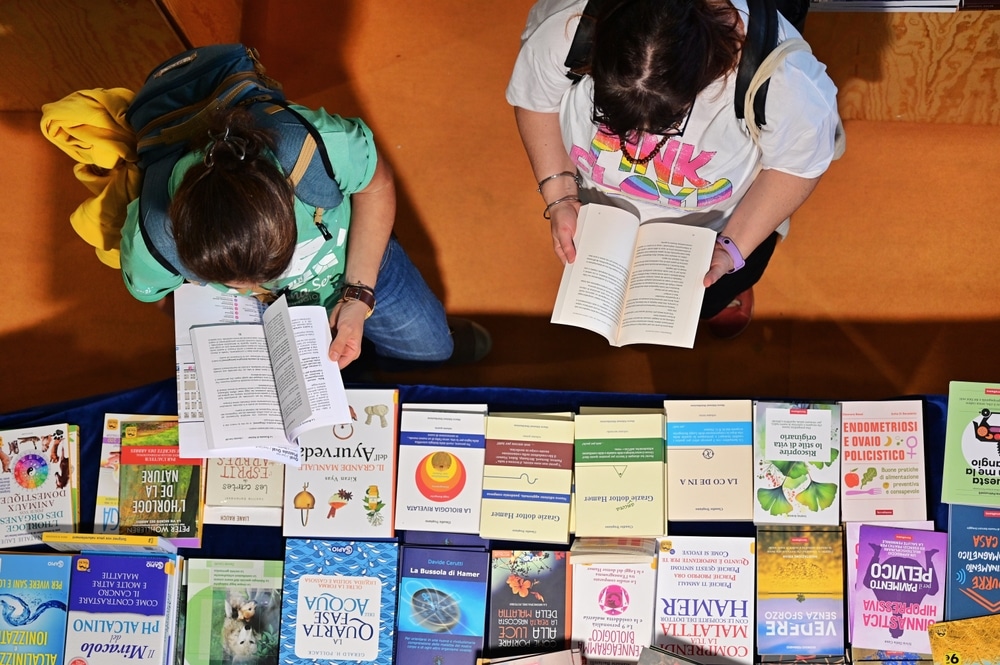
Books don’t have trailers like movies, TV shows, and video games. However, the book jacket serves a similar purpose, so you can apply the same criteria as you do with other media. Reflect on the kinds of expectations the book jacket “trailer” is building. Is it playing on familiar cliches, or is it brimming with novel ideas and story beats?
After that, check out the first few pages. Whether it is chapter one or a prologue, every author knows that the book opening represents their greatest opportunity to pull you in. Does it seem the author is taking that moment seriously? Does the book open with an intriguing scene or nugget of dialogue? Or maybe it sparks a profound thought that foreshadows the rest of the book.
However positive your impressions may be from either the book jacket or the early pages, measure them against your interests. Your taste matters most here.
Reflect on yourself as a reader
Okay, so your book has a cover that grabbed your attention, a title that promises exciting things, a sweet spot on the popularity spectrum, and a powerful hook. Now it’s time for the final and most important step.
Think critically about whether this is something that you will actually read. The question is more complicated than a simple yes or no. Look at the length, both in terms of pages and word count per page. Do you have the attention span and mental stamina to read a 1,600-page behemoth, or is a novella more your speed? Longer does not always equal better, after all.
What are your reading habits and qualities? Do you have an easy time getting into a story, or do you have a more niche taste? (The word “picky” comes to mind here, too.)

Tips, not rules
More than anything, remember that these steps are a guide, not rules to follow to the letter. You might find some awesome reads for as little as $1, whether it’s from a garage sale, a thrift store, or somewhere else entirely.
Certain steps will work better for you than others. If you are the sort of person who can get into any kind of story, no matter how slow, pulpy, or cringey, feel free to skip the last step.
At the end of the day, the point is to save money and precious space on your bookshelf. That can mean different things to different people. Some are cramming books in their already crowded dorm room, while others have a bookshelf that is too big for their nascent collection. In any case, we recommend these tips to anyone, from seasoned bookshoppers who need a fresh perspective to relative newbies seeking a bit of guidance.