For decades, the standard societal response to menstruation was a mixture of clinical silence and quiet embarrassment. Periods were treated as a monthly inconvenience to be hidden, wrapped in discrete packaging, and spoken of only in hushed euphemisms. Historically, this culture of silence has had real-world consequences, contributing to the systemic dismissal of women’s physical pain, where severe conditions like endometriosis or uterine fibroids were often ignored, misdiagnosed, or minimized. But if you spend even five minutes scrolling through TikTok today, you will witness a radically different reality. The algorithm is currently flooded with aesthetic, empowering, and deeply candid content under the banner of “reclaiming your cycle”.
The new wave of content generation is led by millennials and members of Gen Z who refuse to treat their physiology as some sort of inconvenience or disability. On the contrary, they try to take the process of menstruation as a starting point for defining their life and work habits. It all revolves around the idea of “cycle syncing”—a practice of synchronizing everything from nutrition to physical activity and scheduling with one’s menstrual cycle, which lasts 28 days in total. Rather than trying to keep up a constant pace throughout the month, women are being taught to embrace their changing biological rhythms.
The biological bias of the modern workday
To understand why this trend has sparked such a massive cultural awakening, we have to look at the structural design of our modern routines. The traditional 9-5 workday and mainstream fitness programs were not devised for the benefit of a woman’s hormone levels. Men follow a simple 24-hour rhythm of hormones, wherein their testosterone rises early in the morning and gradually falls off later into the night. Women, on the other hand, live through a 28-day rhythm of hormones, whereby estrogen and progesterone continuously increase and decrease.
Pushing one’s body to adapt to the daily requirements of being productive when women’s hormone levels continuously change on a monthly basis is bound to lead to chronic exhaustion and high stress levels. This is exactly why understanding your menstrual cycle changes everything. Instead of beating yourself up because you feel tired suddenly or introverted, you can actually learn more about what is happening to your body and create a life based on your biological needs rather than those imposed from outside.
Mapping the four hormonal seasons
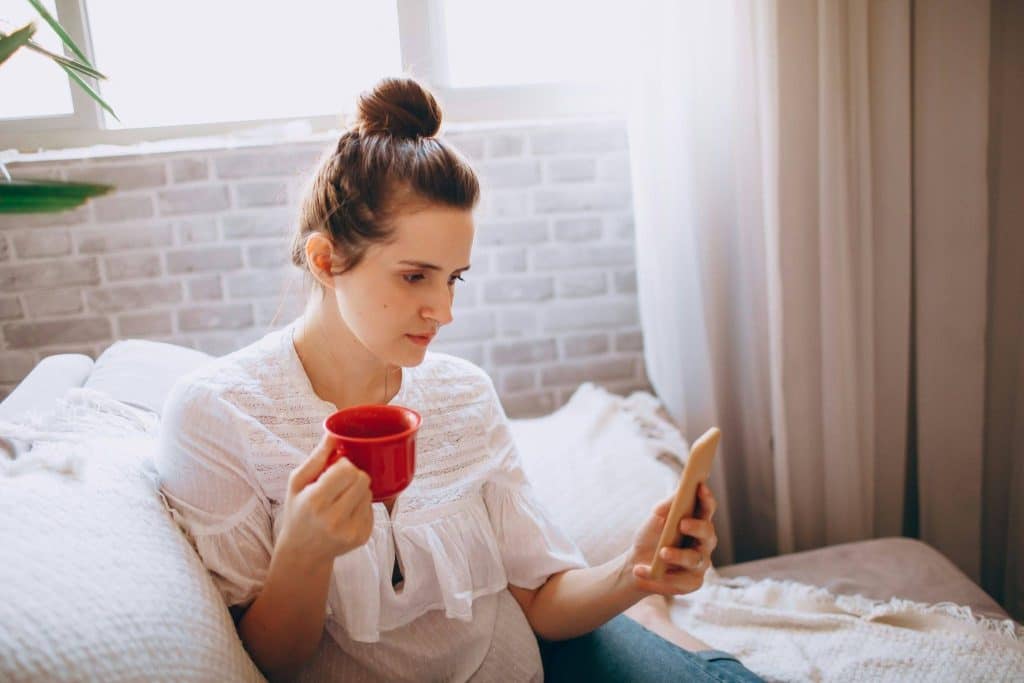
Practicing cycle syncing means breaking down the monthly cycle into four distinct physiological “seasons”, each characterized by its own emotional and physical landscape.
The cycle begins with the menstrual phase (typically Days 1–5). This is also called “the inner winter”. Since this phase sees estrogen and progesterone levels at their lowest, fatigue sets in easily, leading to feelings of vulnerability. It is recommended that during this phase, one practices radical self-care, trading in hardcore cardio workouts for soothing yin yoga. Iron-packed meals such as lentils, ginger, and dark chocolate should be consumed.
As the bleed ends, there follows the follicular phase, days 6–13, which is the “inner spring”. Increased estrogen levels act as a natural pre-workout, increasing drive, mental acuity, and strength. The perfect time for embarking on creative projects, engaging in rigorous exercise routines, and making commitments to social activities.
There then follows the phase of ovulation, day 14, known as “inner summer”. Estrogen and luteinizing hormone levels peak; hence, this marks the peak of confidence, skin glow, and sex drive.

Finally, the luteal phase (Day 15-28) arrives as our inner autumn season. As a result of increased progesterone levels, the body becomes ready for a potential pregnancy, which requires substantial energy. In case no pregnancy occurs, these hormone levels suddenly decrease, leading to the unpleasant symptoms of premenstrual syndrome, swelling, and tiredness. This time becomes characterized by slowing down, resting, and drinking less coffee and alcohol to ease emotional regulation.
For anyone eager to begin this journey, utilizing a period calculator is an incredibly practical and accessible starting point. All you need to do is enter some basic information concerning the menstrual cycle, and then a personal hormonal year can be created. The person will have an opportunity to plan hard training and other activities for optimal periods of time.
What does the science actually say?
As with any massive social media trend, it is crucial to separate digital aesthetics from medical reality. Does clinical science back up the highly specific cycle-syncing claims we see on our feeds?
As stated by the NHS, there is no doubt that hormonal changes have a clear connection with physiological reactions, energy levels, and emotions. However, evidence-based research that validates “cycle syncing protocols”, like eating particular seeds or skipping certain types of exercise depending on the day, is highly limited. As noted in the Cleveland Clinic’s expert breakdown of nutrition and exercise throughout the cycle, while formal cycle-syncing programs lack clinical trials, the core philosophy of listening to your body’s changing signals is highly beneficial for stress reduction, reducing PMS, and improving overall mood.
Medical professionals have pointed out the dangers of oversimplifying complex endocrinology concepts when posted on social media. In analyzing the phenomenon in TikTok’s well-being sphere, it was seen that hormone coaches who do not possess any legitimate credentials in medical sciences often abuse such trends to earn money through the sale of expensive programs or promote unverified “hormonophobia”, which involves the belief that regular contraceptive pills are harmful. Moreover, completely abstaining from physical exercises during the menstrual or luteal phases may prove to be detrimental to athletes or very active people. Cycle syncing should be treated as a flexible tool for body awareness.
Beyond the trend: a cultural reclamation
Despite the need for scientific nuance, the cultural impact of reclaiming our cycles cannot be overstated. The normalization of menstrual pain has led to ignoring more serious underlying conditions, and the silence around menstrual health issues makes young athletes feel ashamed about their own bodily processes. The movement promoted by TikTok has successfully dismantled these barriers, replacing shame with open dialogue and peer support.
While it does not matter whether or not you synchronize your nutrition and training schedule with hormonal changes, the importance of this trend ultimately resides in cultivating the right attitude towards one’s body. It requires a complete mind shift and understanding that our body is not a machine that needs to work continuously without stopping; rather, it is a living ecosystem that should be cherished and respected.