


Cinco de Mayo is a huge celebration, a chance to spend time with family, eat lots of good food, and listen to great music. But it is also much more than that.
Here is everything you need to know about the holiday and why it is so important for Mexican people.
Isn’t it celebrating Mexico’s independence?
No. Mexico’s Independence Day is September 16th. Cinco de Mayo commemorates a significant battle victory over French forces.
The Battle of Puebla
The Battle of Puebla took place in 1862 between the army of the liberal government of Mexico led by Benito Juárez, and French forces sent by Napoleon III. Not Bonaparte; his nephew. The Mexicans won the battle on the 5th of May, thus making Cinco de Mayo a holiday in the region, after the unlikely and unprepared victors defeated the powerful opposition. Benito Juárez was the President of Mexico during this time. He became a national hero of Mexico for this successful battle, as well as for his efforts to make Mexico a democratic federal republic. Since the 1800s, the holiday has grown from celebrating a military victory to celebrating Mexican traditions and culture.
Who celebrates Cinco de Mayo?
While Cinco de Mayo is a Mexican holiday, you’d be surprised that not everyone in Mexico honors it. Naturally, the region of Puebla, where the battle occurred, participates in the festivities. They throw parades, re-enact the 1862 Battle of Puebla, give speeches, and party. But it isn’t celebrated nationally. For many, it is just another day.
Why is Cinco de Mayo celebrated in the United States?
It may be surprising that Cinco de Mayo is more popular in the United States than it is in Mexico. In the 1960s, Latino immigrants brought the holiday to the United States during the Civil Rights Movement to commemorate how a group of indigenous people prevailed in a time of adversity and successfully fought off the French. Since then, it has evolved into a huge festival centering Latin American culture, heritage, and pride. It’s not just a historical tribute; it’s a statement that empowers Mexican-American traditions and people.
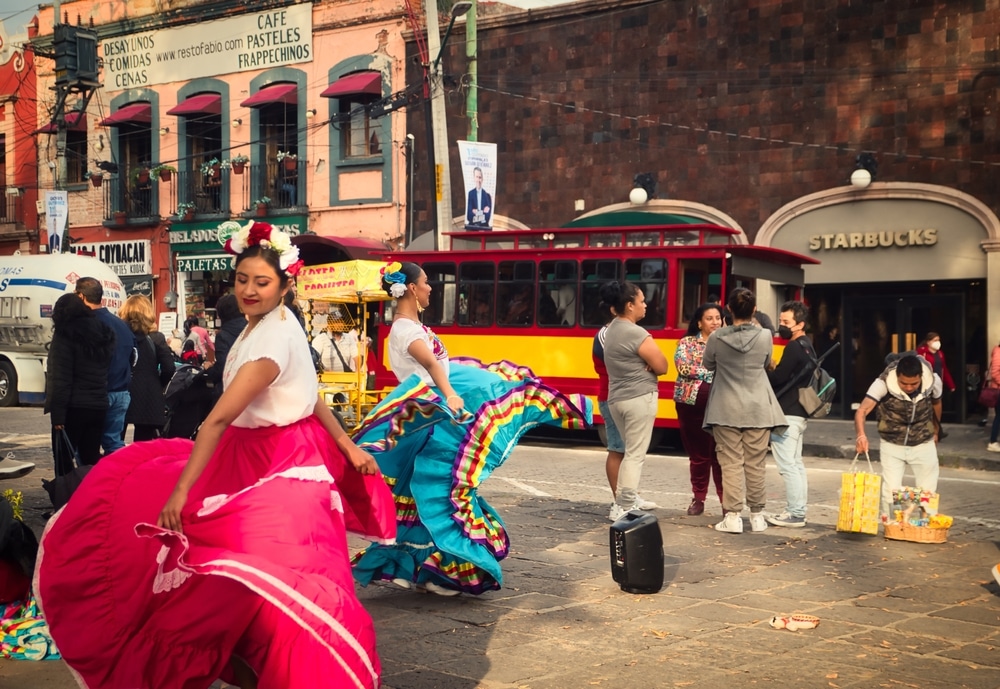
The United States put on massive parties, with the festivities highlighting key parts of Mexican culture, including the food, music, and outfits. However, like most popular holidays, Cinco de Mayo has become a consumer target, primarily for alcoholic beverages such as tequila and margaritas.
What traditions can I get involved in?
One of the most popular traditions is the parades! Cities like Los Angeles and New York host vibrant, busy parades filled with traditional music and dancing, along with tasty Mexican street food.

Dancing is an important part of the parade spectacle. Dancers wear regional outfits representing different parts of Mexico. Much of the dance is storytelling, passed down through generations.
If the hustle and bustle isn’t for you, small, local places tend to host their own parties. Eat at a family-owned Mexican restaurant and try some of their most loved foods. By talking to people and learning what they are proud of, you’ll gain a better understanding of their history.
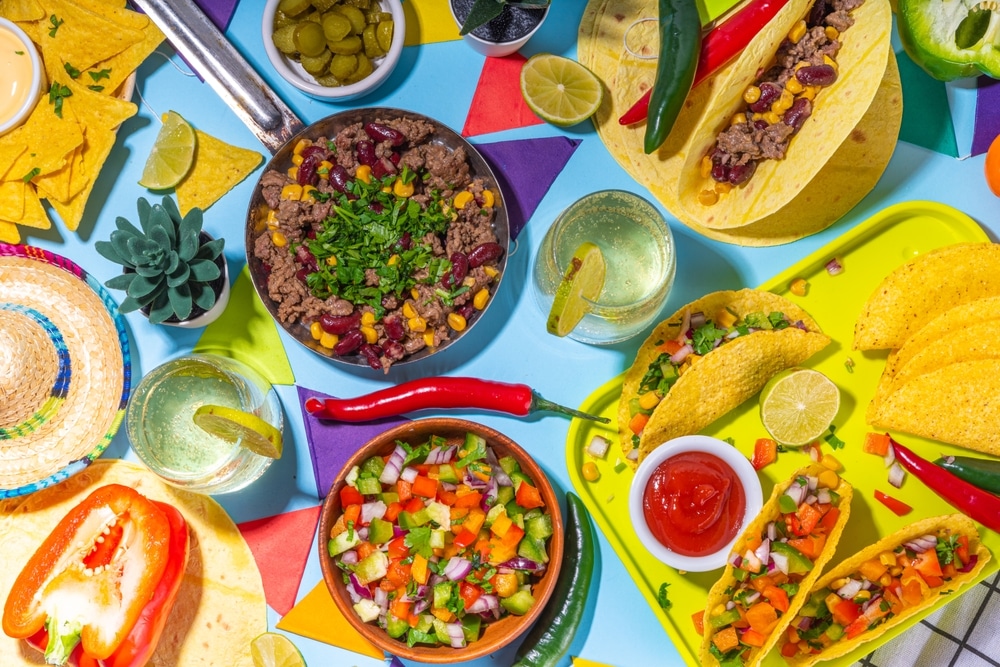
If you enjoy cooking and can’t afford to dine out, make your own Mexican dish for your family! Following a recipe can really give you a sense of the culture, and we all love Mexican food, so why not try it at home?
Many Mexican-Americans produce works of art during the Cinco de Mayo period. Supporting local artists and businesses is a good way of showing your appreciation for traditions and culture. And small businesses are often family-run, so you can educate yourself further by talking to the owners!
The true meaning
Cinco de Mayo is frequently used as an excuse to consume large amounts of alcohol. But it is important to remember where the holiday stemmed from: a group of indigenous Mexicans defeating potential French invaders who were far larger in number and much better prepared than they were.
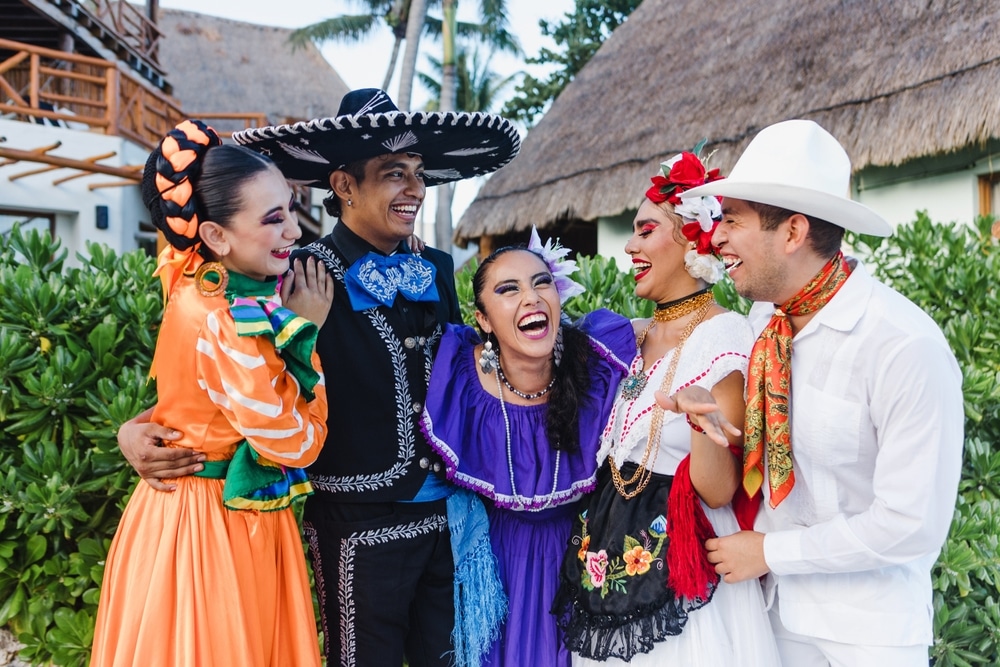
f it weren’t for their bravery, Cinco de Mayo wouldn’t exist. Thousands celebrate each year, making it a special day full of love and friendship between people of different backgrounds and ethnicities.
Happy Cinco de Mayo, everyone!