The Senate resolution to overturn the 20-year mining ban threatens long-term environmental stability, undermines Minnesota’s tourism economy, and deepens public distrust in corporate influence.
Community division has intensified these concerns, highlighting both economic and environmental risks. While supporters of the mining operation claim it would create approximately 750 mining jobs, critics argue this comes at the potential cost of nearly 20,000 existing jobs tied to tourism and outdoor recreation. These include roles in hospitality, park services, small businesses, and real estate—all industries that rely heavily on preserving the natural landscape.
The Boundary Waters Canoe Area Wilderness is a major tourism destination known for paddling, hiking, camping, fishing, and nature viewing. It has also become a popular spot for young adults who seek temporary escape from the digital world through outdoor recreation.
Resolution ≠ prosperity
H.J. Resolution 140 was influenced by the broader Project 2025 policy framework. The proposal supports mining operations by Twin Metals, a subsidiary of a Chilean mining company operating in Minnesota, near Duluth, focused on extracting copper and nickel.
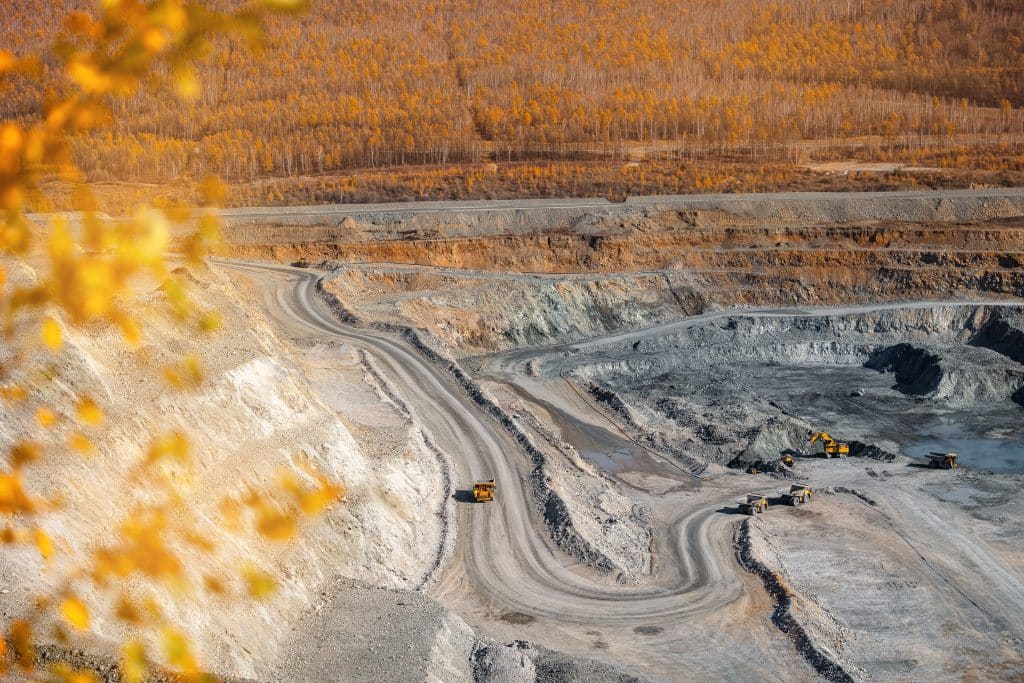
The mining project is estimated to span roughly 1,000 acres. According to the company’s projections, mining could reach depths of 400 to 4,500 feet below the surface.
Public outcry over potential damage to such a highly valued natural area has drawn national attention, reinforcing how significant the Boundary Waters are—not just locally, but across the country.
Senator Tina Smith (D-MN) expressed her concerns in a speech begging Republican Senators to vote ‘no’ on the resolution. In the speech, she discussed the importance of the Boundary Waters to the community and environment.
Although the resolution has passed, mining operations are not imminent. The proposal must still undergo multiple environmental reviews and hearings at the state level, a process that could take decades before any development begins.

The future impact on climate and environmental identity
This crisis aligns closely with concerns over long-term consequences and environmental legacy. Policies affecting wilderness preservation today shape what ecosystems will exist decades from now.
The environmental risks of sulfide-ore copper mining are especially severe. This process can produce “acid mine drainage,” a form of pollution that contaminates water systems for decades or even centuries. In a region defined by interconnected waterways, the consequences would be widespread.
Pollution could spread through the Rainy River watershed, affecting the South Kawishiwi River and eventually reaching major bodies of water such as Lake Superior, one of the largest sources of fresh drinking water in the world. This contamination would also threaten fish populations and broader aquatic ecosystems.
The Boundary Waters, furthermore, play a crucial role in carbon storage and biodiversity. The region is home to endangered species such as the gray wolf and Canada lynx, both of which depend on stable habitats. Deforestation and industrial activity would create lasting ecological damage, potentially disrupting these species’ survival.
Many see environmental protection not as optional, but urgent. The Boundary Waters debate has become a clear example of climate stewardship, biodiversity preservation, and the responsibility to maintain sustainable ecosystems for future generations.
Outdoor recreations and mental health
Gen Z places a high value on outdoor access, wellness, and meaningful experiences. For this generation, the Boundary Waters are not just a protected area—they represent a space for recreation, solitude, and mental health.
Following the COVID-19 pandemic, many young adults shifted their priorities. After being forced to stay indoors for such a long period of time, they have increasingly turned toward road trips and outdoor recreations.
Traditional vacations, such as cruises or plane travel, have declined in appeal due to rising costs and changing interests. Instead, more immersive, adventure-based travel has grown in popularity.
Mental health awareness has also become more prominent among younger individuals. Disconnecting from the internet and reconnecting with nature has shown clear psychological benefits.
It’s ironic, really, that social media has played a role in this shift. Platforms like TikTok and Instagram often promote outdoor travel, with creators highlighting both affordability and personal wellness. In a paradoxical way, the same digital spaces people want to escape are also influencing where they go.
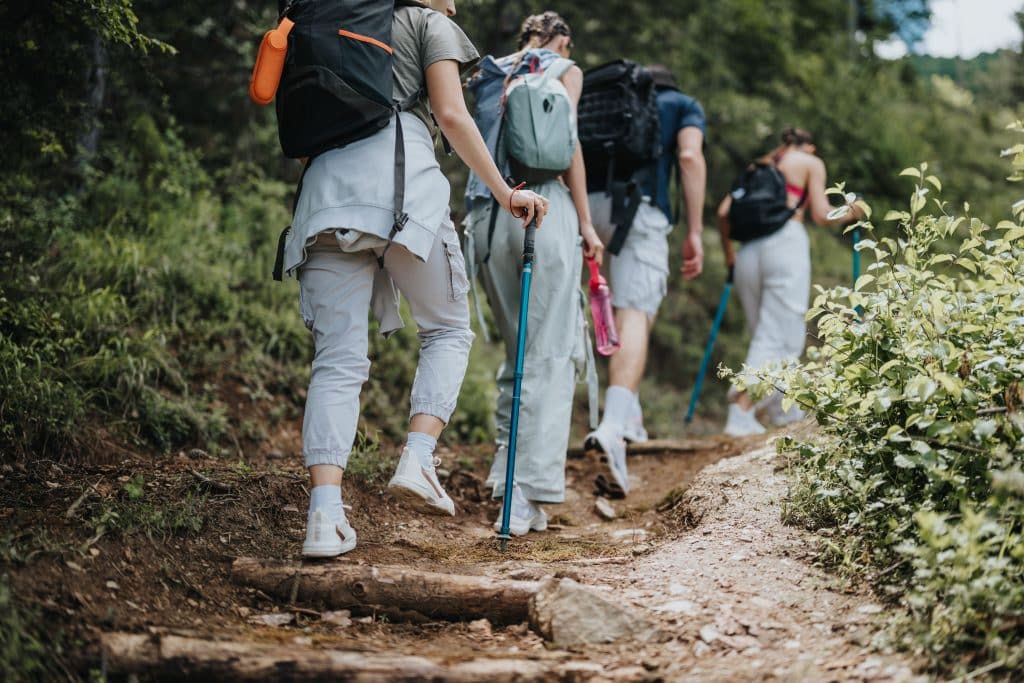
These outdoor environments have also become new social spaces for this generation. They are more likely to hang out through small group activities, such as hikes, rather than traditional nightlife settings.
In this context, protecting places like the Boundary Waters is not just about conservation—it is about preserving spaces that support well-being and community.
Digital activism and awareness
The resolution and its consequences have increased social awareness among Gen-Z. Young activists have shared information, organized petitions, and mobilized amongst their peers to fight the new law.
The Boundary Waters has become a focal point of these efforts, with online campaigns and influencer advocacy raising awareness about conservation threats and encouraging political engagement. This reflects a broader shift in Gen-Z toward using digital platforms as tools for environmental advocacy and real-world impact.
Distrust of corporate influence
At the same time, this growing awareness has contributed to a deeper skepticism among Gen Z toward large corporations, particularly those in extractive industries.
Many young people believe these companies prioritize profit over environmental protection and community well-being. This perception has intensified distrust between the public and corporate interests.
The Boundary Waters debate is one example within a broader pattern of environmental conflicts, where young activists continue to challenge powerful institutions despite ongoing obstacles.
It represents a broader question of priorities: short-term economic gain versus long-term environmental preservation. The decision made today will shape not only the landscape but also the environmental landscape inherited by future generations.