Sometimes it feels like I’m surrounded by the expectation of romantic relationships. From family members to friends to colleagues, it seems what’s missing is that special someone. But my solitude doesn’t equate to loneliness.
Rewind my life ten years to find an insecure 16-year-old who would go to crazy lengths for validation. Skip forward a couple of years, and I was a 20-year-old going from relationship to relationship in need of fulfillment. These relationships varied from one-sided to co-depende
I wasn’t alone. A study posted on GITNUX found that “65% of serial daters experience repeat breakups.” These relationships were a mirror that reaffirmed my belief that I wasn’t worth more. Deep down, anything was better than being alone.
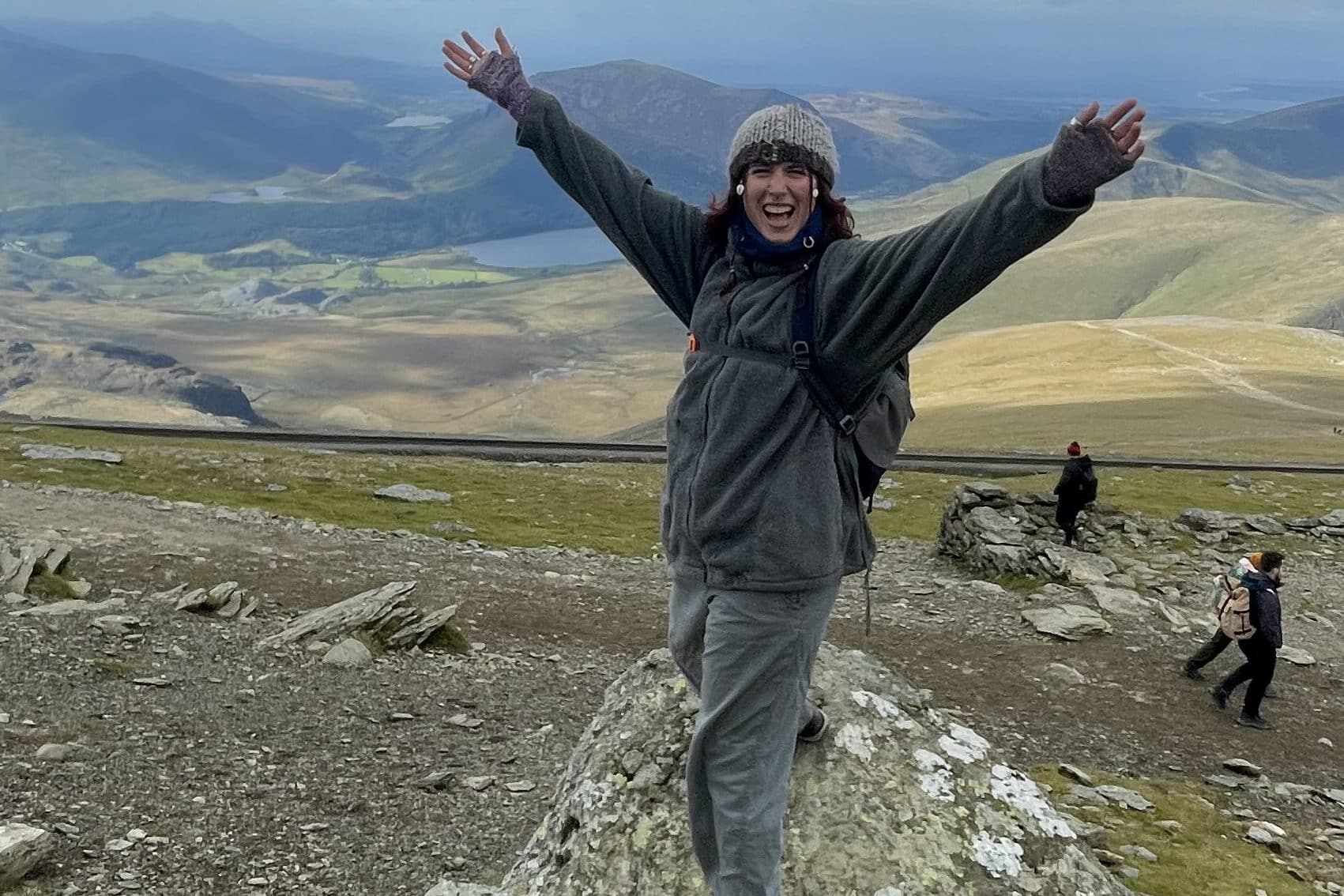
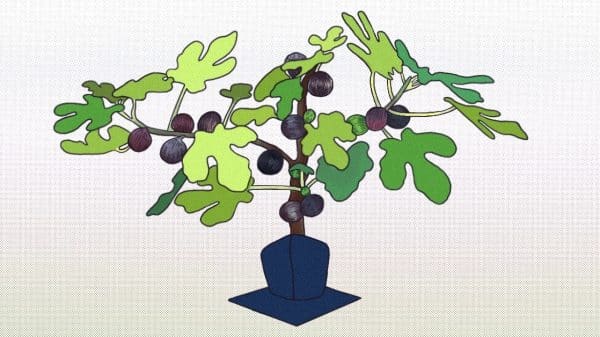
Flash forward to now, edging toward my late twenties, single, and the happiest I’ve ever been. If my life were a house, my relationship with myself is the foundation, my friends are the bricks, my passions are the furniture, and romance is that plant sat outside that I definitely could prune but can’t be bothered to. I’ve gotten so comfortable with solitude that disturbing it seems unnecessary.
But what were the steps I took to get there?
Make Friends with Yourself First
Henning Kruthaup, the founder and CEO of relationship guidance platform RegainLove.com, says that “solitude is where people finally stop performing, stop chasing reassurance, and start becoming emotionally honest with themselves.” Journaling, art, and reading were tools I used to gain insight. Being curious deepens your sense of self.
Solitude seems scary because of what the silence brings. It forces us to face what we otherwise distract ourselves from. “There are many ways to be connected, and connection doesn’t always come through another person”, says Melissa Kester, an experienced Licensed Marriage and Family Therapist.
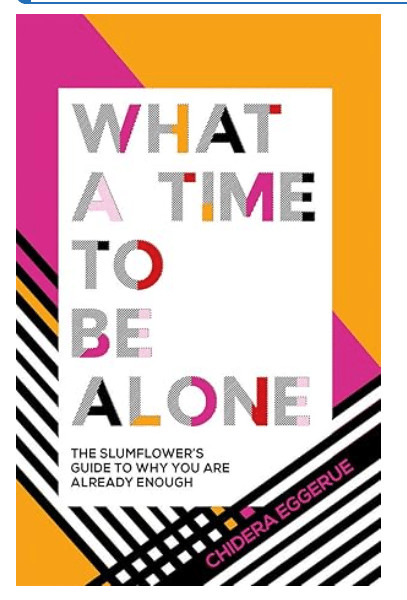
In reflection, I saw how willing I was to stay around people who took advantage of me, just to feel chosen. Having empathy for others shouldn’t negate the empathy you have for yourself; you can’t unlearn the hurt someone has caused you by understanding why they’ve acted that way. Cultivating safety within yourself helps in knowing when to walk away.

Attachment Theory
I learned along my journey that no matter how hard you try, you can’t help someone who doesn’t want to help themselves. Energy-draining relationships disrupt your nervous system and can derail you for years. Attachment theory “hypothesizes that early caregiver relationships establish social-emotional developmental foundations,” affecting not only the way we react to others, but who we find ourselves being pulled towards in the first place.
If we see our partnerships as mirrors, they reflect what wounds need healing. Our attachment styles highlight what we must overcome to become secure in our relationships. Learning that I people-pleased due to a deep-rooted belief that love had to be earned showed me what I needed to heal.
Cultivation of Community
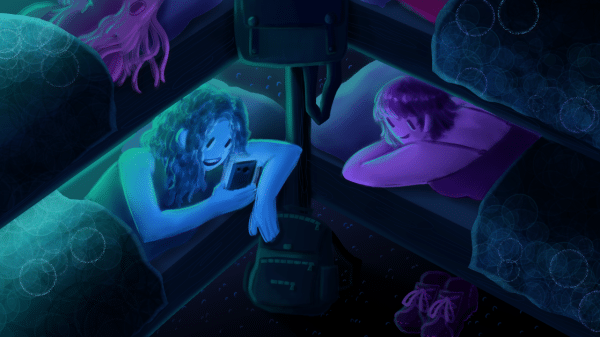
Making friends as an adult relies on us acting intentionally. There are fewer chances for friendships of convenience or proximity, so building a village takes time and sustaining it takes effort.
M. Kester believes that “one of our first lines of defense when dealing with discomfort is the community we have cultivated.” Friendship isn’t owed to you, so treat them with the same respect you do for romantic partners. Start framing friends as soulmates and see how this exchange feels so much more symbiotic.
Danielle Bayard Jackson sees our social networks as a key cornerstone of our lives.
Comparison is the killer of joy
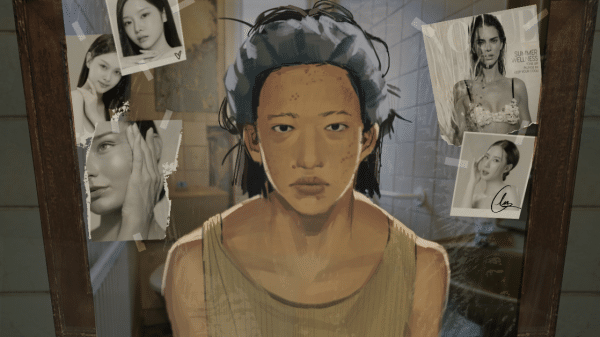
Social media normalizes comparing ourselves against others. This creates a false narrative of another person. When consuming anything online, do so critically; you’re seeing perfectly curated highlights of another’s life, not the full picture.
The way to rid ourselves of comparison is to find contentment in our own lives. That starts with asking yourself, ” What does that person have that you’re envious of? How could you use that envy to fuel your growth? Jealous of their success, busy yourself with your hobbies or career. Envious of their romantic life, take yourself on a date. Think their social life is more filled than your own; connect with your community. If we’re smart, we can use every emotion we experience to help our self-development.

We create narratives of other people’s lives that don’t exist in reality.
(Shutterstock/PeopleImages)
Pour yourself into your passions
The truth is, many of us aren’t where we’d like to be in life. It’s great to push yourself, but recognize that happiness won’t suddenly appear when you get that promotion or meet that special someone. We’re conditioned to think that we should always be striving towards the next thing; from school to college, from college to work, etc. It never stops.
Practicing gratefulness helps us to find happiness in the little things. Hobbies and interests, outside of work or other people, fulfill us in the present moment. We’re not built for constant productivity. Do things because you love to do them, not to achieve something. You never know what you saw as a fun side project could turn into something that makes money in the future. Passion goes a long way in this world.

You Don’t Like Them, You Want Them to Like You
Often, romance acts as a means of validation or a way to chase away boredom. Choosing to chase someone who doesn’t reciprocate feelings is an act of self-destruction. We’re telling ourselves that we’re only worthy of that person’s love if we prove it. It’s why anxiously attached and avoidants pull together like a magnet. But if you find yourself in such a dynamic, ask yourself: do you actually like that person, or just how it feels when they eventually pay you attention? If so, why do you want a person who keeps you as a convenience?
“Many people aren’t stuck because the relationship is right for them – they are stuck because being alone feels more frightening than staying in what is familiar.”- Mr. Kruthaup
Romantic partnership as the cherry on top of the cake
We’re lucky to live in a time and place where marriage isn’t necessary for our survival. Heteronormativity has conditioned us to think that romantic relationships are the most important thing we’ll ever experience. I say we start rejecting this. Romance shouldn’t be the foundational pillar upholding you. It should only ever add to your life; if it’s detrimental, it’s time to rethink.
Alone but not lonely
Until we can manage solitude as a welcomed peace and not as a boring in-between, we’ll search for ourselves in others. Putting effort into your self-development isn’t about blocking out love, but realizing that you don’t need it to have a fulfilled existence. My worst fear is to live a richly experienced life, yet on my gravestone, only be remembered for being the wife of so and so. We’re so much more than our love life, and it’s time we start remembering that.
So take what resonated, leave what didn’t. I wish you only the best on your journey of self-discovery!