

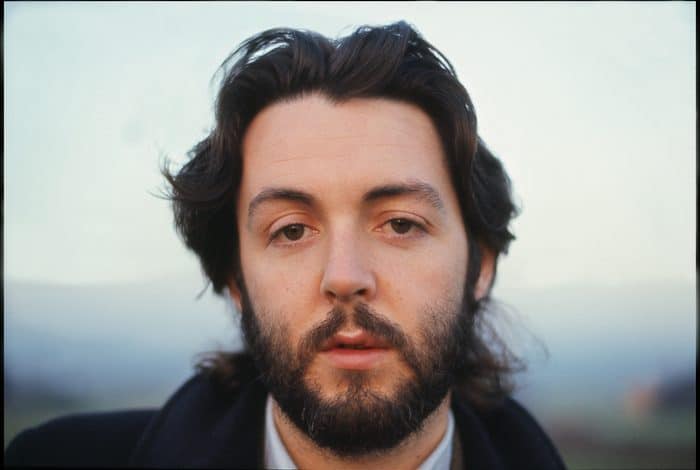
Man on the Run is a near-perfect music documentary about Paul McCartney, the world-famous bass player of The Beatles. It’s shockingly honest, intensely comforting, funny, and sometimes somber. Most of all, though, it feels incredibly human.
Paul McCartney is best known for his time in The Beatles, an early ’60s sensation and the very first pop band to exist. They were so big that they caused some strange, new form of hysteria; a Daily Mail journalist called this “Beatlemania”, and the label stuck. “The Cute One” was what the shrieking Beatlemaniacs nicknamed McCartney.
The pressure was too much for The Beatles. They stopped touring and started making albums in the studio full-time. Even that wouldn’t last, though. In 1970, after only eight years of global success, the group split. It wasn’t caused by any one thing, but rather a combination. They grew tired of their rabid fans; their new manager was a hustler; and they became irritated and jaded with one another. Paul had been a Beatle since he was a young lad in Liverpool. Feeling lost, he spent the post-split chapter of his life ’trying to grow up,’ he says.

Photo credit: Dezo Hoffmann, Distributed by Capitol Records in the Public Domain
The new documentary, Paul McCartney: Man on the Run, captures McCartney in the immediate decade following the Beatles’ breakup. McCartney deals with the bitter post-Beatles aftermath; he forms the band, Wings; and spends time on a rural Scottish farm raising four children with his beloved wife, Linda Eastman.
It’s very difficult to make a good music documentary. It’s even harder to make one that feels honest and raw. Being truthful doesn’t mean without bias, though. Man on the Run leans into its bias, and that’s part of its greatness
The McCartney in this documentary is consistently opening up, sharing unfiltered opinions and perspectives. Man on the Run doesn’t feel sanitized, which comes as a big surprise. Throughout his long career, McCartney has spoken about the people and events in his life with great delicacy.
McCartney never liked dramatic press coverage. Whether he was clashing with John, George, or Ringo, or dealing with his messy marriage to Heather Mills, he’s always tried to put the sensationalized parts of his life behind him.
In that vein, McCartney has rarely spoken about John Lennon in a bad light. Man on the Run might be one of the first real examples of him addressing the truly ugly and disparaging side of their post-Beatles friendship. Here, he’s shockingly candid; sometimes even harsh and critical.

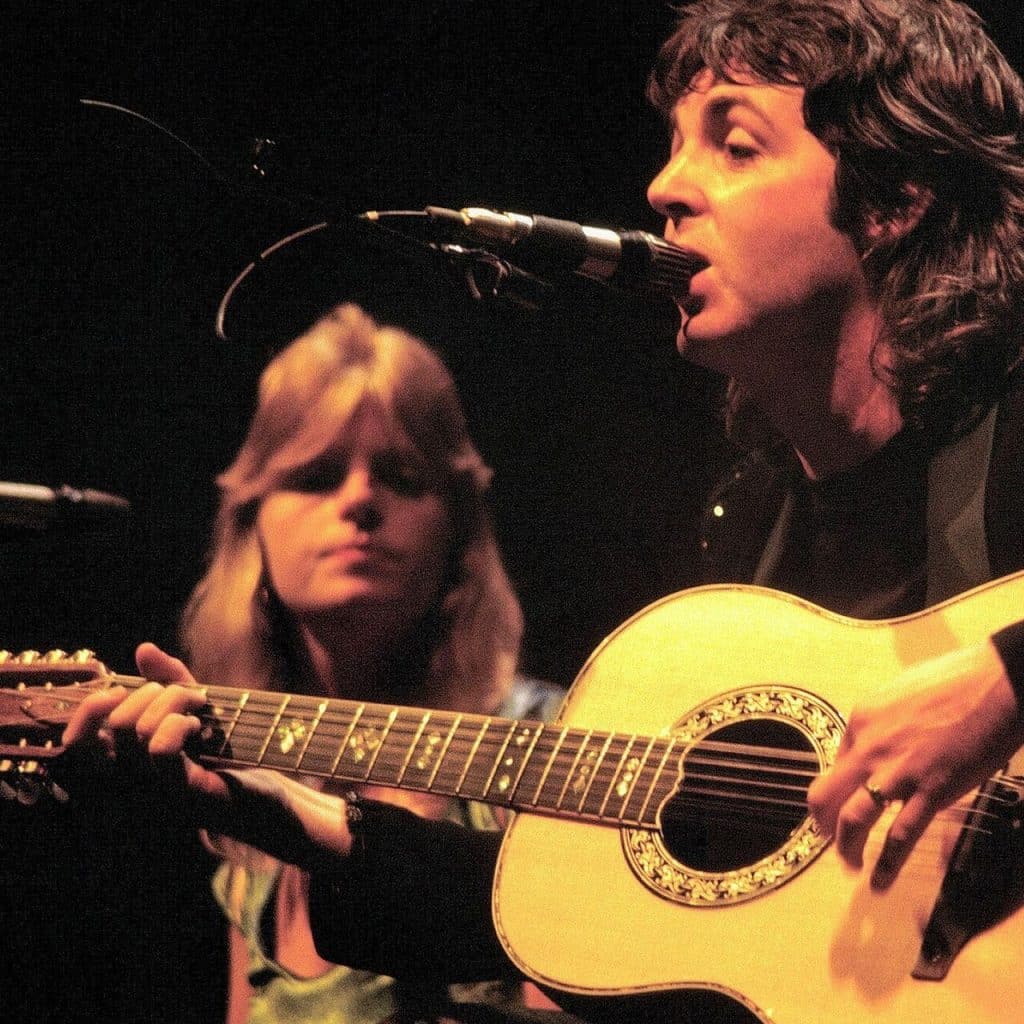
Photo Credit: Jim Summaria/Attribution 3.0 Unported license
“The Cute One” doesn’t shy away from what, at the time, was considered his “chronically uncool” phase either. Quotes or headlines from major publications described McCartney’s solo endeavor, Wings, as unimpressive, saying they were nothing special compared to his ex-bandmate’s solo careers.
The young public that The Beatles once appealed to felt that Wings was corny, lame, and for the old-timers. The songs didn’t address current events, politics, or world issues. These were things the youth hungered for in Rock and Roll. The heavy, gritty rock band, Led Zeppelin, became the world’s number one artist, replacing the Beatles after their previous eight-year streak.
There’s an interview of a soul-searching McCartney looking serious outside a venue Wings had booked for their Australian tour. The interviewer asks the former Beatle if he’s too old to be playing in a rock band like Wings, to which McCartney responds no.
In retrospect, these comments are sometimes laughable. Wings is undoubtedly a household name now. Albums that critics panned on release now earn critical acclaim. A lot of the public — and, in turn, the press — just didn’t get it.
At other times, it’s almost frustrating. Everyone lambasted the man in an already tumultuous period of his life. He wasn’t trying to maintain his stardom; he just wanted to make music and be happy doing it. On top of that, McCartney was truly inspired, and it shouldn’t have taken decades to pass for people to realize that.
Man on the Run is rich in nuanced content, but that’s not the only thing that makes it so gripping. The editing is fantastic, and the archival footage is unbeatable. Director Morgan Neville does an amazing job gathering tasty visual tidbits and piecing them together in a way that makes the documentary feel whimsical, jumpy, and colorful.
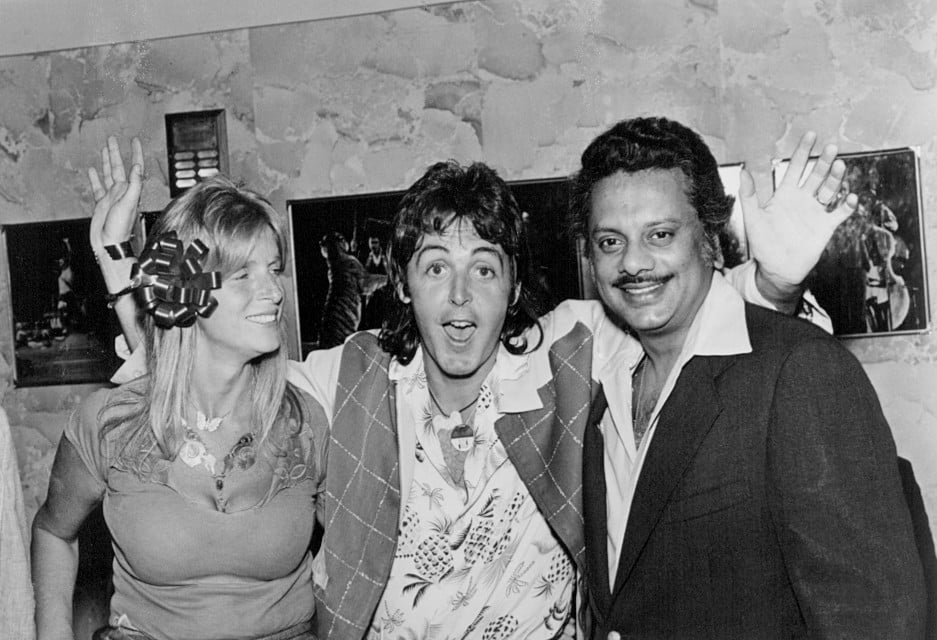
Photo Credit: Capital Records/Public Domain
Documentaries sometimes struggle to hold a general audience because, unless the viewer is invested in the topic already, a steady stream of interviews can feel monotonous. This is especially true for audience members who are used to traditional movies with plot and pacing.
Neville does a great job of using pertinent videos and visually alluring photos with edits that add movement, colorization, or a clever transition to another photo to create good pacing and a strong narrative. Paul McCartney: Man on the Run is for more than just McCartney fans in this way.
Even without the editing, the archival footage Neville acquired from hundreds of sources is incredible. There are impressive amounts of never-before-seen footage. Neville avoids modern imagery or interviews, building the documentary almost entirely from archival material. This gives McCartney fans a deeper look into topics they may already know about. Fans will surely enjoy the segment on the behind-the-scenes process of making the Wings album covers.
Even for watchers who aren’t necessarily fans, this footage adds breath; it makes the documentary truly come alive. The best photos and videos are the ones taken by friends, family, or Linda. These tend to feel the most natural and in-the-moment.
Some of the interviewees give incredibly special insight that’s hard to find elsewhere too. Besides Paul himself, those who provide particularly interesting commentary are his and Lennon’s children, his former band members, and archived statements from his deceased wife, Linda.
Best of all, though, is the emotional depth that Man on the Run fosters through these photos, videos, and interview clips. The segment on The Beatles’ break-up is chaotic, made so through snippets of grittier photos and overwhelming jumbles of audio. In a subtle jest, one of the overlayed audio clips that is used to create this chaos is Yoko Ono’s avant-garde ‘singing’.

White cottage of Wing
Photo Credit: Sonny K Photography/Shutterstock
McCartney’s time at his Scottish cottage is astonishingly warm. The pictures and video footage of the farm feel as natural and human as can be. There are videos of his children dancing barefoot in the meadows, close-ups of Linda Eastman’s hair blowing crazily in the wind as she smiles at the camera, and moments captured of Paul caring for their various farm animals. A personal favorite is the intimate collection of drawings and doodles from Linda, Paul, and their children. Everything feels so dreamy in these moments.
McCartney describes this time as a break from the world, since the cottage was extremely rural and removed from civilization. The audience can feel that, and maybe even crave it themselves after witnessing the idyllic footage.
But the documentary isn’t completely serious; Neville throws some light-hearted bits in there. McCartney is a witty man. His jokes are clever, sometimes sly; he got himself into troubling situations post-Beatles which can be quite funny. This humor balances out the sugary sweet moments the audience gets with his family and farm and the darker, sadder topics discussed too.
One thing to note about Man on the Run: context helps. This documentary can be viewed blindly, but background knowledge is useful. If you want a general overview that covers their entire history, check out the 1995 docuseries, Anthology, which was recently restored in 2025.
The Beatles: Get Back is an amazing three-part documentary made entirely from archival footage. It’s great for those looking to know more about their creative process, interpersonal turmoil, and the context surrounding their final album, Let It Be.
Lastly, if what you want is to get to know them on a more personal level, The Beatles have created and starred in a few movies: Hard Day’s Night and Help! Though the Fab Four made both films mostly as tax write-offs to visit the Swiss Alps and the Bahamas, they’re great pieces of cinema anyway.
Knowing about The Beatles and Paul makes watching Man on the Run feel much more emotionally impactful.
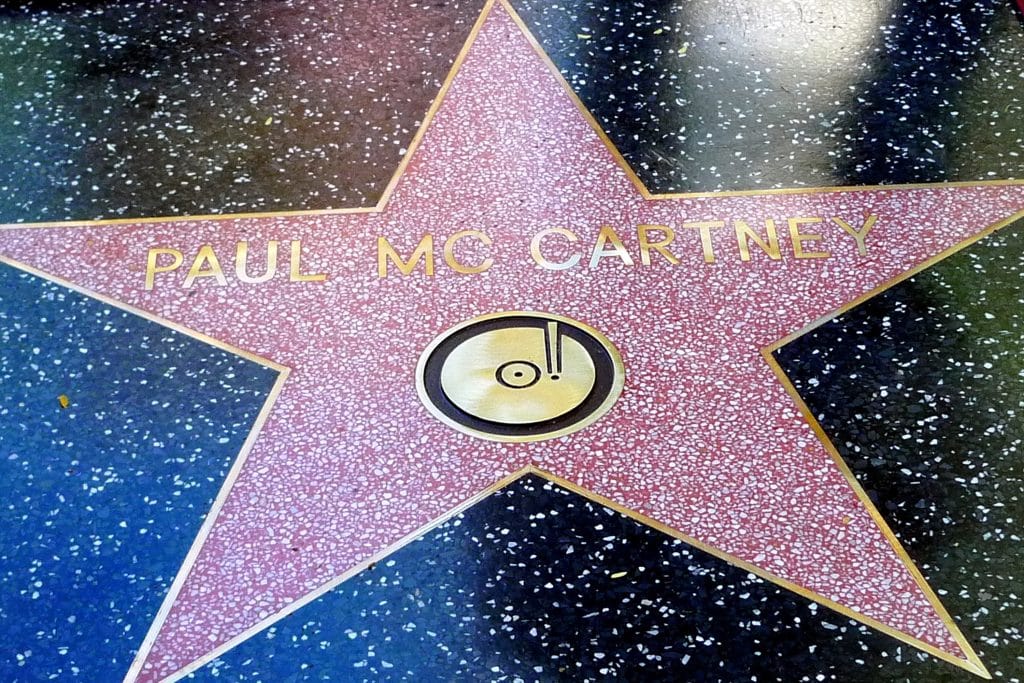
Photo Credit: Joe Seer/Shutterstock
With or without that context, it’s an incredibly moving experience. To share the life of a world-famous celebrity with the openness Man on the Run has is rare. Neville’s piece is one of the most well-done music documentaries because it doesn’t sensationalize. Instead, it covers a wide range of raw human emotions and familiar experiences: drifting apart and then reuniting with friends, finding yourself, making a family, and leaving the past behind. Unlike the average person, McCartney shares all this under a ginormous spotlight. Even so, his stories make the viewer feel like he’s part of the regular crowd despite being an international phenomenon.
Man on the Run will become available to stream on Prime Video on February 27th, 2026.














Debra White
February 24, 2026 at 9:36 am
“ginormus” sets this comment back into time. Perhaps better to not use this word!