The rise of hip-hop in the 1980s is largely due to the artists who became the face of the genre, but producers are often forgotten pieces of music history. The journey of hip-hop becoming widespread began on the East Coast, where Rick Rubin created a new genre.
The creation of Def Jam Recordings was essential for hip-hop artists to have the opportunity to become successful outside of the clubs. The independent record label created by Rick Rubin and Russell Simmons gave the culture a welcoming place to expand.
Early beginnings

As a young college student at NYU, Rick Rubin was enamored by the hip-hop club shows he saw in the early 1980s. The culture was rich, raw, and powerful. From the perspective of the only white person in the room, he could see that the energy from live shows wasn’t being reflected in the albums he could find in stores.
Rubin decided to quit pursuing law at NYU to start his own independent record label. He asked his friend, Russell Simmons, who was well known in the hip-hop world, to be his partner for the label. He promised to do all of the work, but simply needed Simmons’ name associated in order for artists to take his creative judgments seriously. Simmons agreed, and Def Jam Recordings was formed in 1983.
Money wasn’t a concern of Rubin’s. Instead, Rubin wanted to do these artists justice by helping them capture the energy from live shows and the magic of the DJs. He felt he had the passion to represent emerging hip-hop artists properly.
Rubin’s success
The first single his label released was an LL Cool J song that sold over 120,000 copies. Rubin’s ability to replicate club performances on a record proved to be successful.
I Need A Beat, by LL Cool J, spearheaded the reputation of Def Jam Recordings and encouraged other artists to trust Rubin. One can easily hear the high energy and power in the song, which Rubin was intending to capture.
LL Cool J and Rick Rubin proved the potential of Def Jam Recordings with this instant success.

As the credibility of the label started to grow, Rubin continued to accomplish his goal. A Beastie Boys song called Rock Hard was the second release from Def Jam. This was his first attempt at producing a mixed-genre song, and the Beastie Boys were the perfect guinea pigs for it.
The Beastie Boys are known for blending elements of rap, rock, and punk into their music. Rubin was able to harness their energy to create the beginnings of the rap-rock genre. Rubin’s reputation as a genius producer was growing as this experiment was successful.
The importance of Licensed to Ill
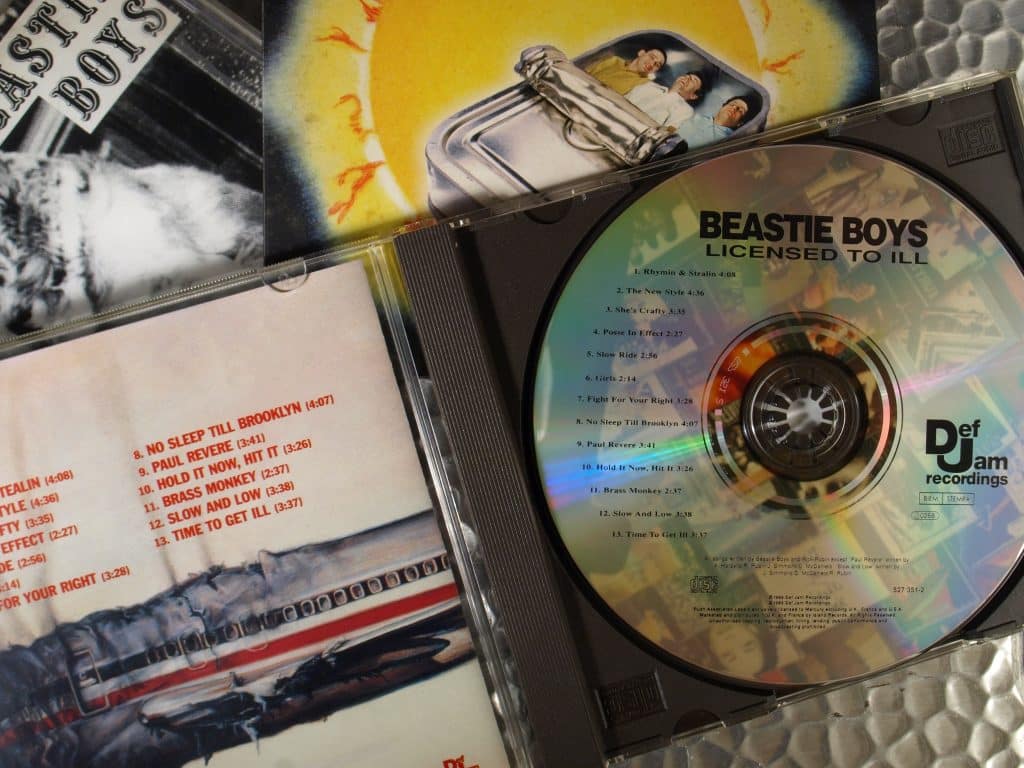
Rick Rubin’s collaboration with the Beastie Boys was significant to the outreach of Def Jam’s audience. The beats drew in hip-hop fans, the guitar elements brought in the metalheads, and the angsty lyrics appealed to punk rockers.
By meshing these contrasting cultures, Rubin created a new and exciting world of possibilities for the band, the label, and the future of rap.
The exposure of hip-hop to suburban audiences was essential for the genre to reach mainstream status. The group’s usage of rock riffs made it palatable to listeners who were unfamiliar with rap culture. By easing in fans with a sound they recognized, they became more likely to explore other hip-hop artists and popularize the genre.
No Sleep Till Brooklyn by Beastie Boys is a great example of how the band proves to be both rock stars and serious rappers. The group pokes fun at this contrast in their humorous music video, which was popular on MTV.
The song is carried by the heavy guitar riff, while the lyrics about living life on the road are rapped in a punk-yell style. This never-before-seen blend was a hit.
The group was notably the only white rappers emerging from the genre at the time. Their authenticity and unique sound helped push them to instant success with the help of Rick Rubin. Their presence in early hip-hop made it possible for future white rappers to join the scene.
Run-D.M.C. isn’t afraid to rock out
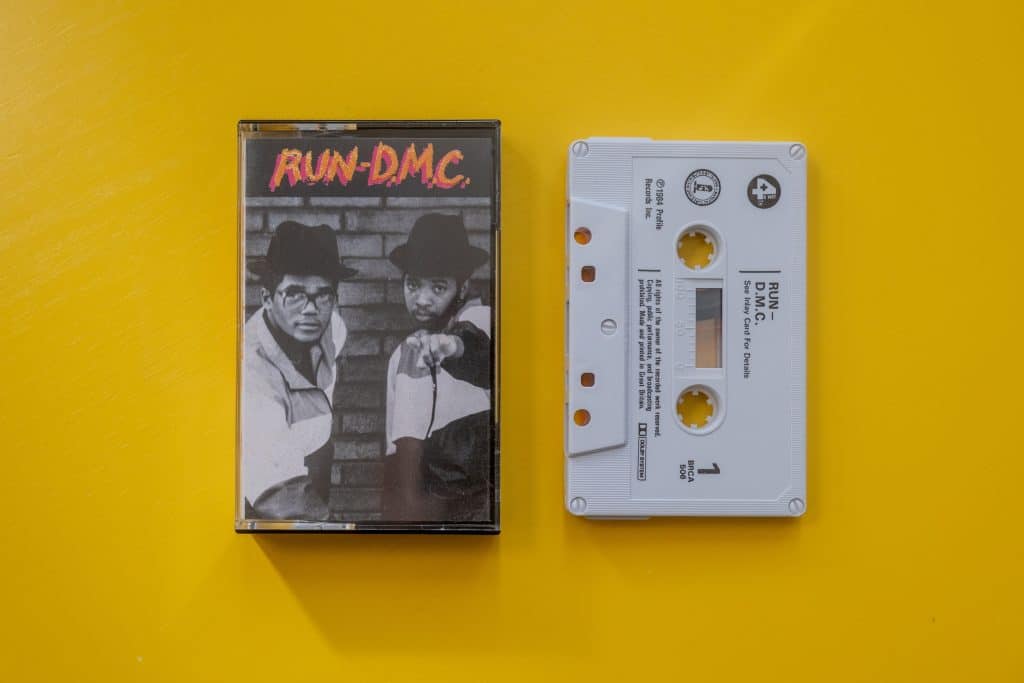
Run-D.M.C. is an essential part of Def Jam’s story of success. Previously, Russell Simmons had worked with the group before the formation of his label.
Before Rick Rubin produced their Raising Hell album in 1986, Run-D.M.C. had already experimented with blending rock and hip-hop. King Of Rock in 1983 and Rock Box in 1984 were their first attempts at mixing the genres.
Featured on both tracks is Eddie Martinez, who supplies the punchy guitar riffs. The hard rock guitar tone made these tracks MTV-friendly and first exposed rockers to hip-hop.
In the video for King Of Rock, Run-D.M.C. shows that rap music is capable of integrating with any genre, as long as the artist has the skills to pull it off.
These tracks prepared them for Rick Rubin’s idea that would catapult the group to mainstream status.
The collaboration of Run-D.M.C. and Aerosmith
When Rick Rubin was producing Run-D.M.C.’s Raising Hell album in 1986, the chance to attempt rap-rock arose once again.
Before the iconic beat of Rapper’s Delight was popular in clubs, rappers used Aerosmith’s Toys In The Attic record. Walk This Way had the perfect opening beat for DJs to utilize.
Run-D.M.C. wanted to use the beat for their new album, but Rubin insisted that they use the original lyrics.
In 1986, Aerosmith was preparing for the release of their 1987 album Permanent Vacation, which was their first album as a sober band. Aerosmith needed a jumpstart before the initial release. Rubin had the idea for the two groups to collaborate on the track.
“Always be open to trying something new, because it might not only change your life, it could change the world.” – D.M.C. on the success of Walk This Way.
Credit: Loudwire/YouTube.
This collaboration completely revitalized Aerosmith’s career before the success of their Permanent Vacation album, which would also be a hit for the band.
The Raising Hell album was a commercial hit for Run-D.M.C., selling 13 million copies in 13 weeks. Although Peter Piper, It’s Tricky, and My Adidas are all iconic tracks, Walk This Way was the talk of the album.
Rick Rubin solidified the legitimacy of rap-rock with this collaboration. Some fans thought it was innovative, while some thought it was blasphemous of the original song. Either way, the track brought both groups to mainstream success.
Breaking down the walls between genres
The music video for Walk This Way made the song even bigger, as MTV had the ability to make or break a song at the time.
At the beginning of the video, a wall separates the two groups. On one side is Aerosmith with their instruments, and on the other is Run-D.M.C. with their soundboard and DJ.
The wall is also a metaphor for the separation between black and white music cultures. Eventually, the wall between them is broken, and they are able to peer into each other’s environment. This shows the blending of the two genres.
At the end of the video, the groups share the same stage, and the viewer is no longer sure of who the track really belongs to. As Aerosmith rocks out, Run-D.M.C. stomps in their Adidas, showing that the two genres can co-exist.
This visual representation of blending black and white music was significant for pop culture at the time, when MTV was facing criticism for favoring white music and rock bands.
Upon its release, MTV heavily rotated the Walk This Way music video, which made a clear statement that both hip-hop and rock music are capable of equal success.
Rick Rubin’s impact
Accurate recordings of hip-hop culture were essential to the mainstream capability of the genre. Rick Rubin’s genius methods brought together the worlds of rock and rap, which ultimately popularized the hip-hop genre.
Hip-hop is an authentic and diverse art form that stems from the culture of live music. The creation of Def Jam Recordings and Rubin’s ability to capture the energy of hip-hop gave artists the chance to represent their culture.
Def Jam’s success, which derived from the experimentation of rock-rap, paved the way for future sub-genres of rap music.
80s East Coast hip-hop was just the beginning of the potential of rap music. As a result, sub-genres such as trap-rap, gangsta-rap, mumble-rap, and country-rap have developed because of Rick Rubin’s impact on the production of hip-hop.
As a result of Rick Rubin’s passion for genre representation, the possibilities of rap music are limitless.