

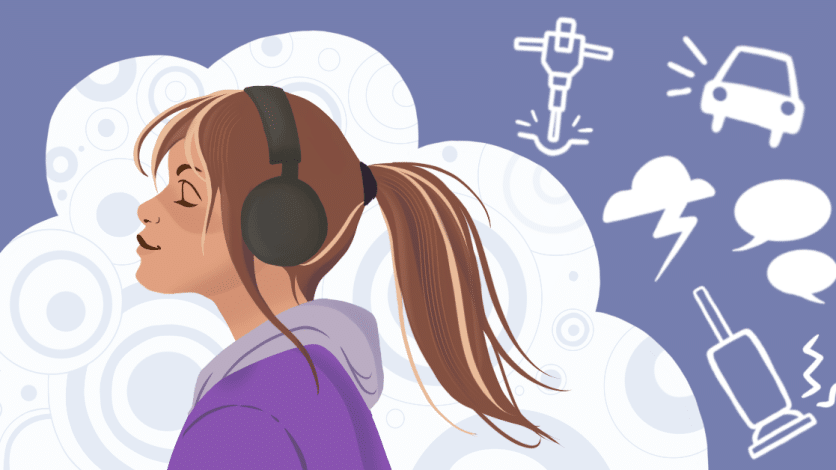
All of us deal with unwanted noises on a daily basis. Traffic, construction, or conversation in a coffee shop are examples of this. Long-term exposure to background noise can be detrimental, even though these sounds might appear innocuous. Research has connected extended exposure to ambient noise to various physical and mental health issues. These can include everything from stress and difficulty sleeping to cognitive issues and hearing loss.
For a calm atmosphere, extraneous noise should be eliminated. We can mitigate the effects of disruptive noises with the help of contemporary technology and a few simple adjustments to our daily routines. This modification has the potential to raise our standard of living. To promote focus, communication, and overall well-being, this guide will examine methods for reducing background noise, enhancing the performance of hearing aids, and designing a more wholesome and peaceful environment.
What Are the Main Sources of Unwanted Environmental Noise?
Urban and Natural Sources
- Traffic Noises: One of the main causes of environmental noise in urban areas is traffic. Urban areas are constantly noisy due to sirens, honking car horns, engine sounds, and construction vehicles. For people who live in crowded urban areas, the constant presence of these noises can exacerbate stress and make it difficult to focus.
- Industrial Sounds: There is always noise coming from factories, building sites, and industrial equipment. Such sounds might be heavy machinery, metal clanging, or heavy vehicle traffic. These industrial noises are common in many urban areas. Even though noise levels can vary, they frequently mute the quiet in the neighborhood.
- Natural Sounds: Not all noise is produced by people. Certain natural sounds, like wind, rain, and thunderstorms, can also cause disturbances, particularly in areas close to forests or the coast. Although these noises are normal, they can disrupt rest and sleep, especially at night.
Social and Domestic Noise
- Conversations: Focusing can be difficult when conversations overlap. This includes conversations among family members in a separate room, among coworkers in the office, or in crowded restaurants. For those who require a quiet environment to work or unwind, or who have hearing impairments, this can be particularly annoying.
- Household Appliances: Commonplace appliances such as air conditioners, microwaves, refrigerators, and vacuum cleaners add to the background noise in our homes. While these sounds are necessary for daily life, they can interrupt quiet moments or make it difficult to concentrate.
What Are the Health Impacts of Environmental Noise?
Although it’s simple to dismiss background noise as an inconvenience, research indicates that prolonged exposure to loud noises can have a substantial negative influence on one’s physical and mental well-being. Typical health problems associated with ambient noise include:
1) Hearing loss
Prolonged exposure to loud environments, whether at work or in leisure time, can cause permanent hearing loss. Even moderate noise levels, if sustained over time, can gradually impact hearing. Such damage is especially problematic in noisy environments like factories, building sites, or entertainment centers.
2) Increased Stress
One well-known stressor that causes the release of stress hormones like cortisol is noise. The body’s stress response is maintained by constant exposure to background noise, which can lead to heart disease, high blood pressure, and other stress-related health issues. This ongoing stress can eventually be detrimental to one’s physical and mental well-being.
3) Sleep Disruption
Sleep disruption is one of the primary consequences of ambient noise. Noisy environments during sleep, whether from traffic or domestic sources, can result in insomnia, disrupted sleep cycles, and subpar sleep. Such behavior makes you feel exhausted during the day and can exacerbate your anxiety, irritability, and difficulty focusing.
4) Cognitive Impairment
Extended exposure to background noise, particularly in work or study settings, can impair memory, focus, and attention. This is especially troubling for vulnerable populations, such as children and the elderly. Children may find it difficult to concentrate when studying in noisy settings, for instance, which could result in poorer academic performance. Similarly, continuous noise exposure may increase the risk of cognitive decline in older adults.
What Are Some Tools and Technologies for Filtering Noise?
Fortunately, several tools and technologies today can help filter out unwanted noise. Whether through noise-canceling headphones or noise-filtering apps, these tools can help lessen background noise, improve focus, and enhance overall well-being:

Noise-Canceling Devices
Headphones with active noise-canceling (ANC) technology are popular for blocking unwanted sounds. ANC headphones use built-in microphones to detect surrounding noise and produce sound waves that counteract it. This technology is helpful for people dealing with stress or insomnia caused by outside noise. Certain devices, like Nuance Audio glasses, use directional microphones to focus on specific sounds, such as voices, enhancing clarity and making them ideal for noisy environments.
Noise-Filtering Apps
Smartphone apps that use advanced algorithms to filter background noise are another effective way to reduce distractions. These apps analyze the sounds around you and filter out unwanted noises like air conditioning, traffic, or loud chatter. Some also offer sound masking or white noise features to help you focus during work or study sessions. For those who struggle to sleep, many apps provide soothing sounds that create a peaceful environment for easier sleep.
White Noise Machines
White noise machines mask disruptive sounds with a constant, calming sound, like rain or ocean waves. These machines are particularly effective for improving sleep quality by creating a stable sound environment that lessens the impact of sudden noises. White noise machines can also help with focus and concentration, especially in open offices or busy homes.
How Can You Optimize Your Environment to Minimize Noise?
Occasionally, the best way to cut down on noise is to optimize your living or working space. Here are some tips for creating a quieter environment:
1) Soundproofing Techniques
If you live in a noisy area, soundproofing your home can greatly reduce external noise. Simple solutions include installing heavy curtains, double-glazed windows, or acoustic panels. These methods help block unwanted sounds, creating a quieter living space.
2) Choosing the Right Room for Communication
When you need to have an important conversation, pick a quiet room with soft furnishings like carpets and curtains. These materials help absorb sound and prevent echoing, making conversations clearer and more comfortable.
3) Scheduling Calls During Quiet Times
To reduce background noise, schedule phone calls or meetings during quieter times of the day. Early mornings or late evenings are often the best times, as there tend to be fewer distractions.
What Are the Challenges of Filtering Noise?
While noise-filtering devices and strategies are useful, there are some challenges to keep in mind:
- Incomplete Noise Filtering: Some noise-canceling technologies may not block out all types of noise. For instance, loud, sudden noises like car horns or slamming doors might still reach you. Devices can struggle to filter out unpredictable sounds completely.
- Distortion of Desired Sounds: In some cases, excessive use of noise-canceling technology can distort sounds you want to hear. For instance, it may be challenging to hear voices clearly in situations where conversations matter. Balancing noise reduction and sound clarity is key to optimal performance.
- Dependence on Technology: Noise-canceling devices need regular maintenance, charging, and updates. Without proper care, their effectiveness may decline, preventing users from receiving the full benefits of noise filtering.
Conclusion
Managing environmental noise is essential for improving focus and protecting physical and mental health. With the right tools and strategies, such as noise-canceling headphones, soundproofing, or noise-filtering apps, you can effectively minimize the harmful effects of noise pollution. By using these simple yet effective approaches, you can enjoy better communication, less stress, improved sleep, and a more peaceful environment, all while enhancing your overall well-being.