You’re familiar with Cormac McCarthy. Let me explain.
Cormac McCarthy was an author best known for his westerns, thrillers, and unique, exceptionally intricate writing style. Even prior to his death in 2023, he was considered a keystone in the pantheon of the greatest American novelists to ever live.
McCarthy is probably most famous for two of his works in particular: Blood Meridian and No Country for Old Men.
The former has recently resurged into popularity with young readers, particularly for its unforgettable villain Judge Holden. The latter was made into a movie in 2007, winning four Oscars including Best Picture.
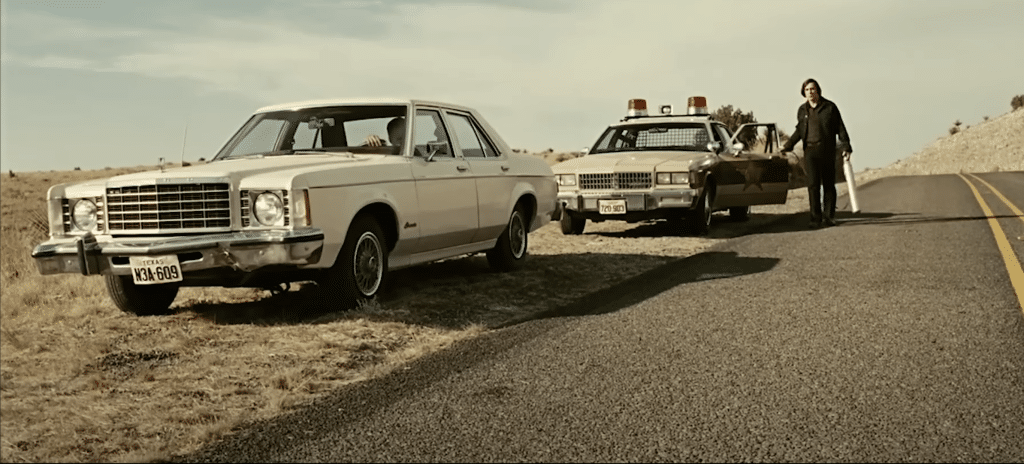
Five other films have been adapted from McCarthy’s work. Most are pretty bad.
In fact, the average rating of these five movies measures up to a “rotten” 50% on Rotten Tomatoes. Other rating sites aren’t much kinder– excluding No Country, McCarthy’s filmography averages at just 3.3/5 stars on Letterboxd and 6.2/10 on IMDb.
How is this possible? How is it that the works of an American literary titan so often fall flat on the silver screen?
From page to screen
Partially, it is an issue of qualification. After all, McCarthy’s work has certainly attracted an odd assortment of filmmakers.

On one hand, respected legacy directors have long eyed his novels as a source of inspiration. These include Ridley Scott, known for Alien, Gladiator, and Blade Runner, who directed McCarthy’s screenplay The Counselor in 2013 to lukewarm acclaim. The Coen brothers, too, had already churned out the likes of Fargo and The Big Lebowski before tackling No Country.
John Hillcoat, too, though not an industry veteran, had already made a name for himself in the Australian thriller scene before directing the 2009 adaptation of The Road— a post-apocalyptic father-son roadtrip story by McCarthy.
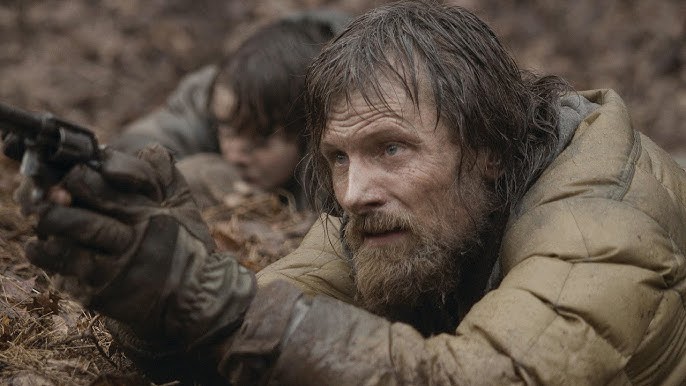
This is where it gets weird.
Oddly enough, the remaining three movies in McCarthy’s filmography were all made by actors-turned directors.
The Sunset Limited, directed by its headliner Tommy Lee Jones, is probably the most solid example. Based not on a novel, but a stage play by McCarthy, it is essentially one long, philosophical dialogue between Jones and his costar, Samuel L. Jackson. If anything, the performances alone make this one worth a watch.
We don’t talk about the last two. But for the purposes of this article, we will.
Billy Bob Thornton’s adaptation of All The Pretty Horses stands out as particularly disappointing. Though based on one of McCarthy’s most popular and iconic novels, the film is a disaster to watch. To give Thornton credit where it’s due, his film was supposedly butchered in the editing room for commerciality’s sake.
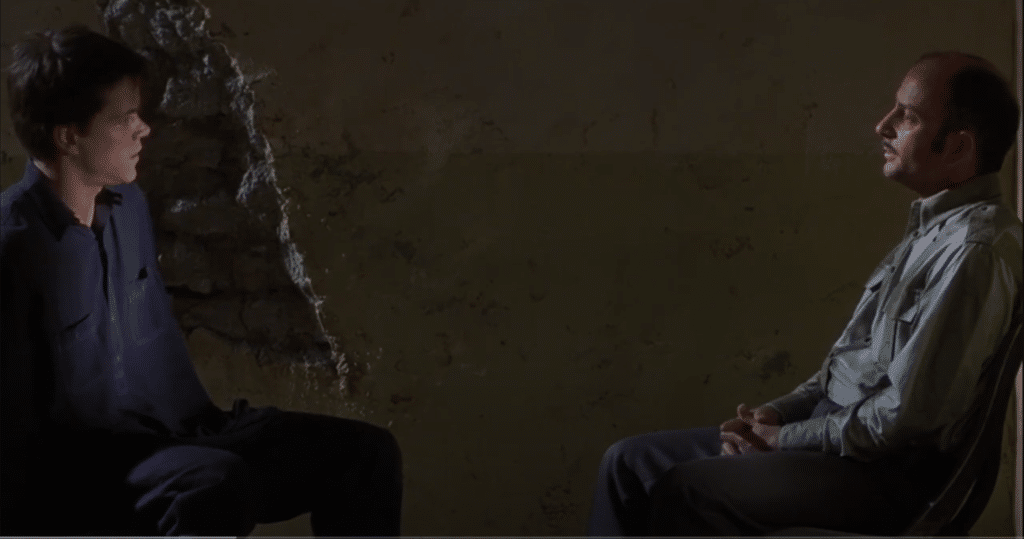
Finally comes the 2013 adaptation of perhaps one of McCarthy’s most disturbing books, Child of God. The original novel follows a rural Tennessee hermit who goes on a depraved killing spree in the mountains.
Who directed it? James Franco. That’s all you need to know.
The McCarthy curse
Regardless of the filmmaker, there is something about McCarthy’s books that makes them fundamentally difficult to adapt. Maybe more than one ‘something.’
For one, his writing style.
The two sources McCarthy’s prose is most often compared to are William Faulkner and the Bible itself. It is safe to say his books tend to be a bit dense. This general inaccessibility to most audiences not only makes adaptations of his work less marketable, it makes them near impossible to put to screen.
Take the following passage from his novel The Road.
Once there were brook trouts in the streams in the mountains. You could see them standing in the amber current where the white edges of their fins wimpled softly in the flow. They smelled of moss in your hand. Polished and muscular and torsional. On their backs were vermiculate patterns that were maps of the world in its becoming. Maps and mazes. Of a thing which could not be put back. Not be made right again. In the deep glens where they lived all things were older than man and they hummed of mystery.
It’s enough to give a screenwriter a seizure. Much less a director.
How do you even go about translating such words into visuals? You can’t. Even if you just film trout swimming upstream, so much of the passage’s meaning would be lost.
There’s more to it than that, however.
McCarthy often delves into the psychological and speculative, abandoning the storyline for narrational tangents. This is a practice that is entirely unique to literature.
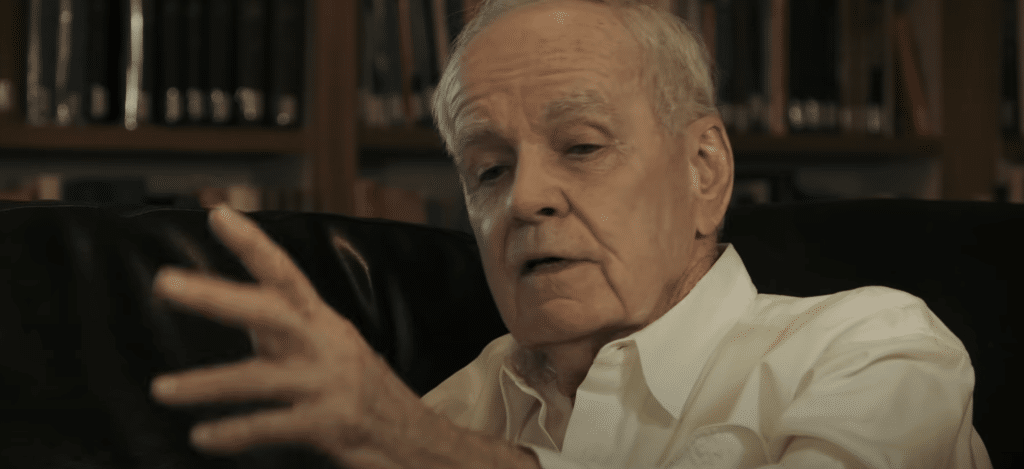
Movies are a primarily visual medium– you can make a silent film but never one without video. What makes McCarthy’s novels so unique and evocative is lost in the transition from page to screen because some things simply cannot be shown. Maybe the most important thing of all when it comes to telling a story.
The third and final reason: the content.
Blood Meridian in particular is an infamous example of an ‘unfilmable’ piece of media. Not for its prose, which is dense even by McCathy’s standards. No, the book is just too gross. Since it follows wild west scalp-hunters, a good chunk of what it portrays is simply not suitable for most audiences. The same is probably true for other works of his– even those that have already been adapted.
Part of what makes it so great is his sober examination of human nature and unflinching willingness to find beauty in it. The issue is most people just don’t want to read about such horrible things, much less watch them.
The coen-aissance
These drawbacks certainly seem to explain why all film versions of McCarthy’s work feel lacking in comparison to the original. All, that is, but one particular outlier.
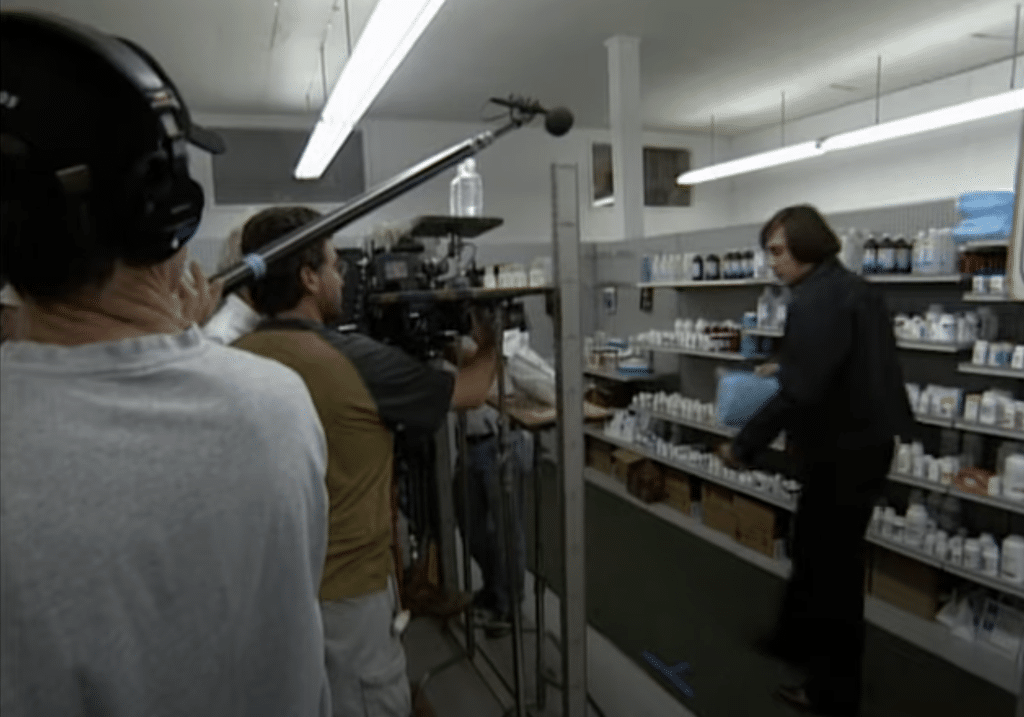
No Country For Old Men— widely regarded as one of the best western movies and possibly best films of all time. What makes it so far superior to the rest of the McCarthy adaptations?
The first reason is obvious– the film is simply very well-made. Everything from the performances to the direction to the cinematography is on point. It goes deeper than that, though.
In essence, the Coens manage to retain the spirit and feeling of the original text.
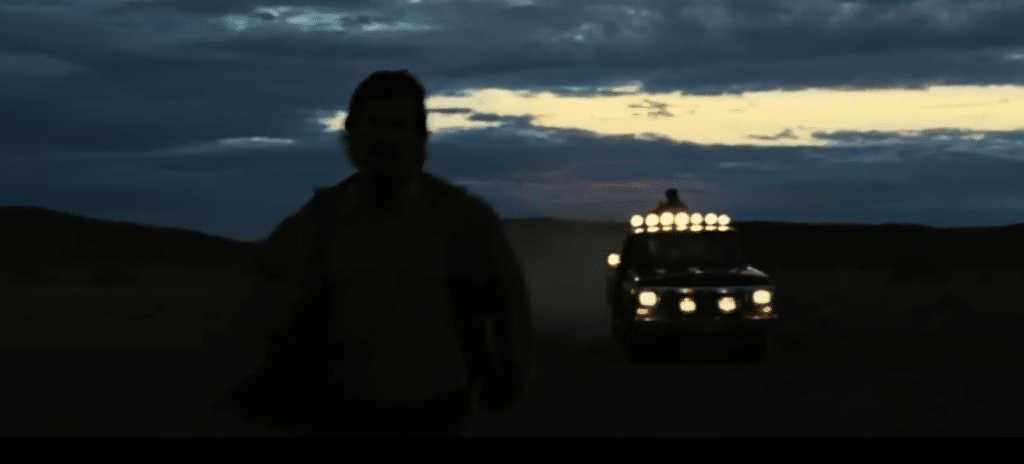
A big part of this is Roger Deakins’ cinematography. As he himself is a legend in the industry, Deakin’s unique ability to capture the New Mexico expanses is a perfect complement to McCarthy’s prose illustration of the same scenes.
Most importantly, the film literally retains McCarthy’s words. The famous opening and closing monologue, delivered by Tommy Lee Jones’ Sheriff Bell, are ripped verbatim from the text. In short, by cleverly integrating parts of the text as narration and dialogue, the Coens enhance the impact and accuracy of No Country for Old Men.
The future
Now the question becomes: when will we next see an adaptation of McCarthy’s work onscreen? It’s harder to answer than it seems.
All six McCarthy adaptations came out within the same fifteen years in the 2000s to early 2010s. That sounds like a long time until you consider the fact that much of his work has been around for the better part of fifty years. Was this string of adaptations a passing trend in cinema?
Hopefully not. And, as it turns out, most likely not.
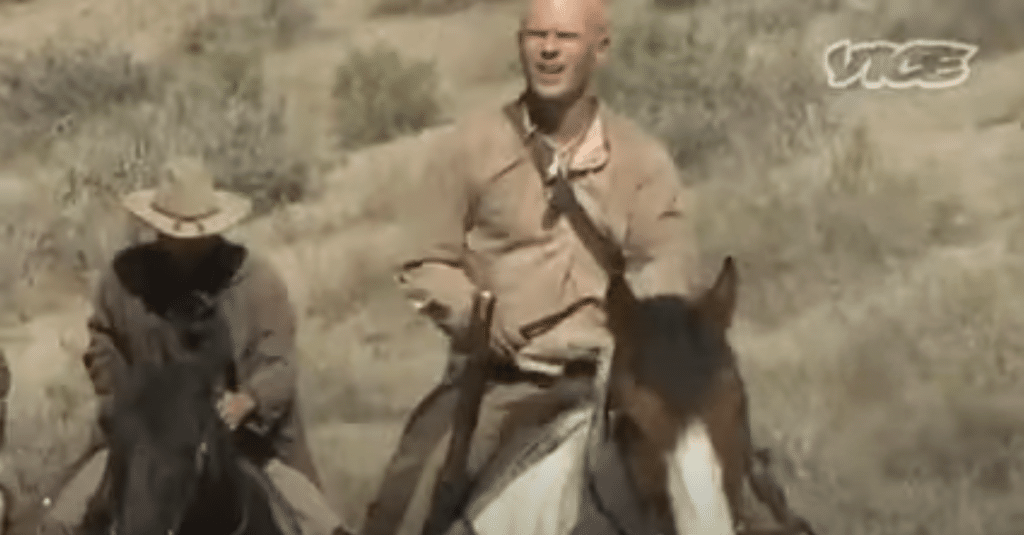
After the resurgence in popularity of Blood Meridian in past years, there has been a large push for a definitive film version to be made. However, this book’s reputation for being unfilmable is not unearned– many have tried and failed. Notably, former McCarthy adapters Ridley Scott and James Franco. The latter even filmed a bizarre screen test for the project, available on YouTube.
Unsurprisingly, neither of these projects got off the ground.
Now, the question becomes: will we ever see Blood Meridian onscreen? The answer is a definite maybe.
Blood Meridian and the problem with adaptation
After forty years and multiple failed attempts at adaptation, it is safe to say the prospects of a Blood Meridian film seem, as always, dim.
Things change, however. In an article from Deadline, it was announced that another former adapter, John Hillcoat, will be taking on the project. That was two-and-a-half years ago. Hillcoat is not the first to try, and, if he fails, he won’t be the first to do so either. Regardless of the status of the project, considering the size of this undertaking, maybe it is a good thing for him to take his time.
Glimmers of hope still show, however. Recently, Hillcoat has dropped a number of suggestive Western-themed posts on his social accounts:
These are only the ones from the past 2 weeks.
In the past months, Hillcoat has posted other images potenially hinting at an adaptation. A gory, exploded prop torso, and a massive strongman’s hand compared to his own– possibly an allusion to the book’s violent sequences and The Judge himself.
Could Hillcoat get the film made? Probably. The demand for it certainly exists.
Will he? Who knows. These are the wrong questions. Here’s the right one:
Will it live up to the book? No. But that’s okay.
More than anything, it is important to realize that an adaptation is just that, an adaptation. What die-hard fans so often forget is that things will inevitably be lost in the transition of a story from one medium to another. And thats’s ok– enough is added with the introduction of sound and visuals to make up the difference.
Instead of a perfect adaptation, how about we first ask for a good movie. One that function first and foremost as a film, and only then worries about accuracy to the source material.
After 10 years since the last of 5 bad McCarthy adaptations, maybe that’s all we need– a good movie.