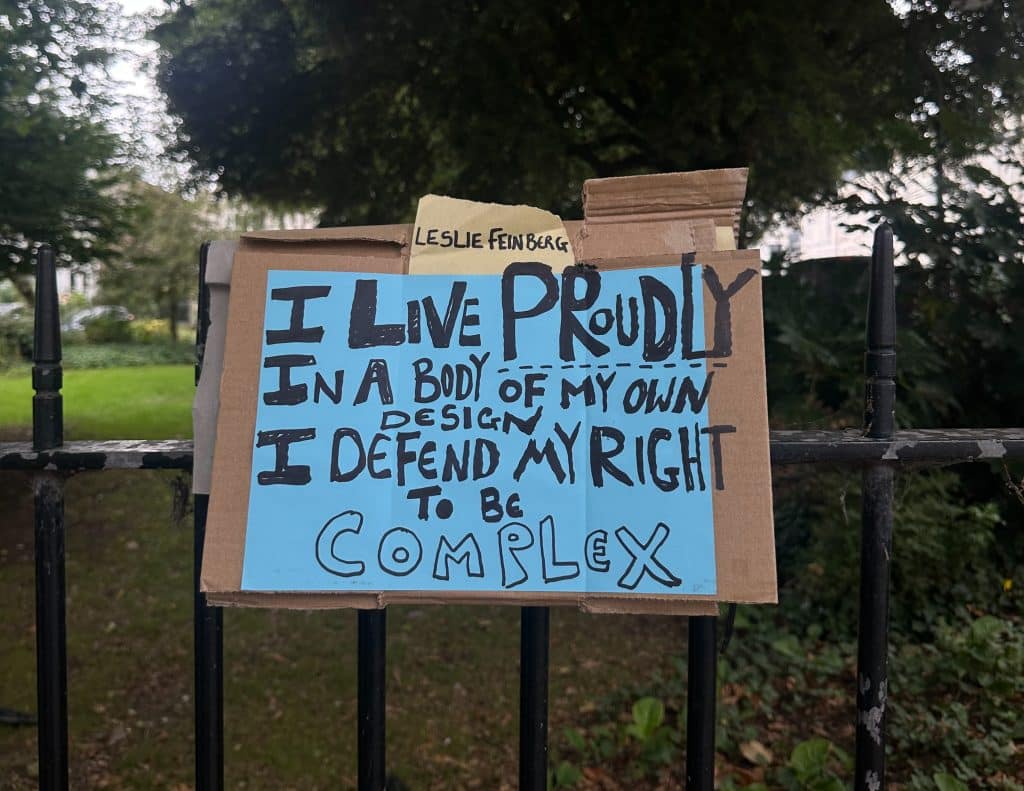
When desire is dictated, not discovered. ‘Comphet’ — compulsory heterosexuality — still shapes how queer people see themselves, their desires, and their relationships.
What is comphet?
In order to understand internalised homophobia and whole array of issues affecting the queer community and coming out, comphet plays into the silent ways we reject our authentic selves.
“Comphet, or compulsory heterosexuality, refers to the pressure that people feel to live by heterosexual norms and behaviours, even if they do not desire to do so.” – ChoosingTherapy.com
Comphet can affect anyone, no matter their gender or sexuality. The pressure to fit into it can come from lots of places—like family, religion, books, movies, or TV shows. Although, this is particularly present in the LGBTQ+ community.
To reflect more on this subject, I spoke with queer people about how comphet shapes their sense of identity, attraction and self-worth.
Mills (they/them)
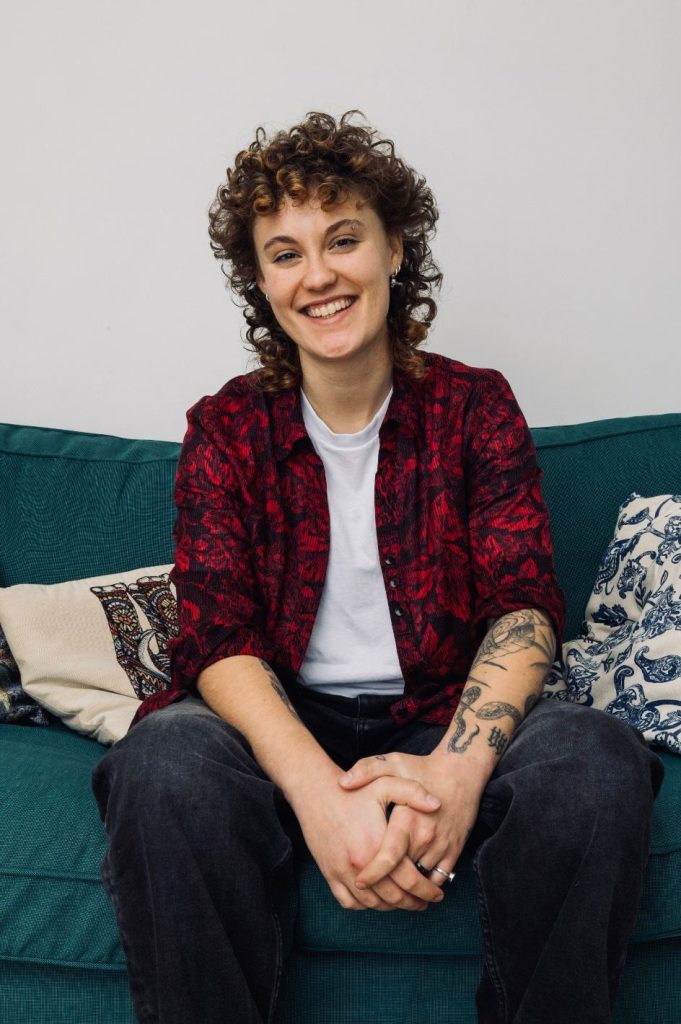
At 23, Mills is a passionate London-based musician who identifies as queer.
What is queerness to you?
“Queerness to me is that playfulness you can have with identity and bending all of those rules that were told you need to follow since you were kids. Queerness is so much more than who you date or what you look like, it’s that acceptance of yourself and challenging the status quo”
How has comphet affected you?
Growing up, Mills encountered compulsory heterosexuality in the media they consumed.

“The issue with comphet is that its so ingrained, such as growing up watching Disney movies and this idea of a prince charming that you are waiting for, but no one tells you that you can be the price charming.”
A recurring theme runs through everything from Disney movies to reality TV and teen films.
“Celebrities were bashed for coming out was a massive thing when we were growing up. Watching films where characters get bullied for being a lesbian, you can go so much into that and be almost scared by the media to be yourself or to explore that side of yourself.”
The 2004 film Mean Girls illustrates this, using the term ‘lesbian’ as a slur.
These negative connotations can delay the journey of coming out or being comfortable with our authentic self.
“Its taken me a while for me to present in more of a masculine way and when i started doing it i thought, this feels so much better and much more free, also I can be sexy.”
Say that louder for the people at the back! Now repeat after me: Just because you dress masc doesn’t mean you can’t be sexy!
“I’m dressing for me now, what makes me feel good, what makes me feel confident.”
Growing up, I mistakenly believed that within queer relationships, one person always had to be very masc and the other very fem – a misconception I know is very far from true. These stereotypes, due to comphet, can also work its way into sex lives of queer people.
“Even just talking about stap-ons, comphet definitely makes it way into sex, this idea that sex is penetration and I think that in the eyes of home heterosexual people that lesbians don’t have sex because of the lack on penetration.”
What the future holds?
“I think we are on such a good track, there’s always going to be things to fight for sure as trans rights, as a community and with allies we have to challenge and constantly fight for.
There are more queer TV shows and more people speaking openly than ever before. There are so many safe places and events, festivals, movies, books, reminding everyone that even though it can get scary, people more than ever now don’t feel as alone.”
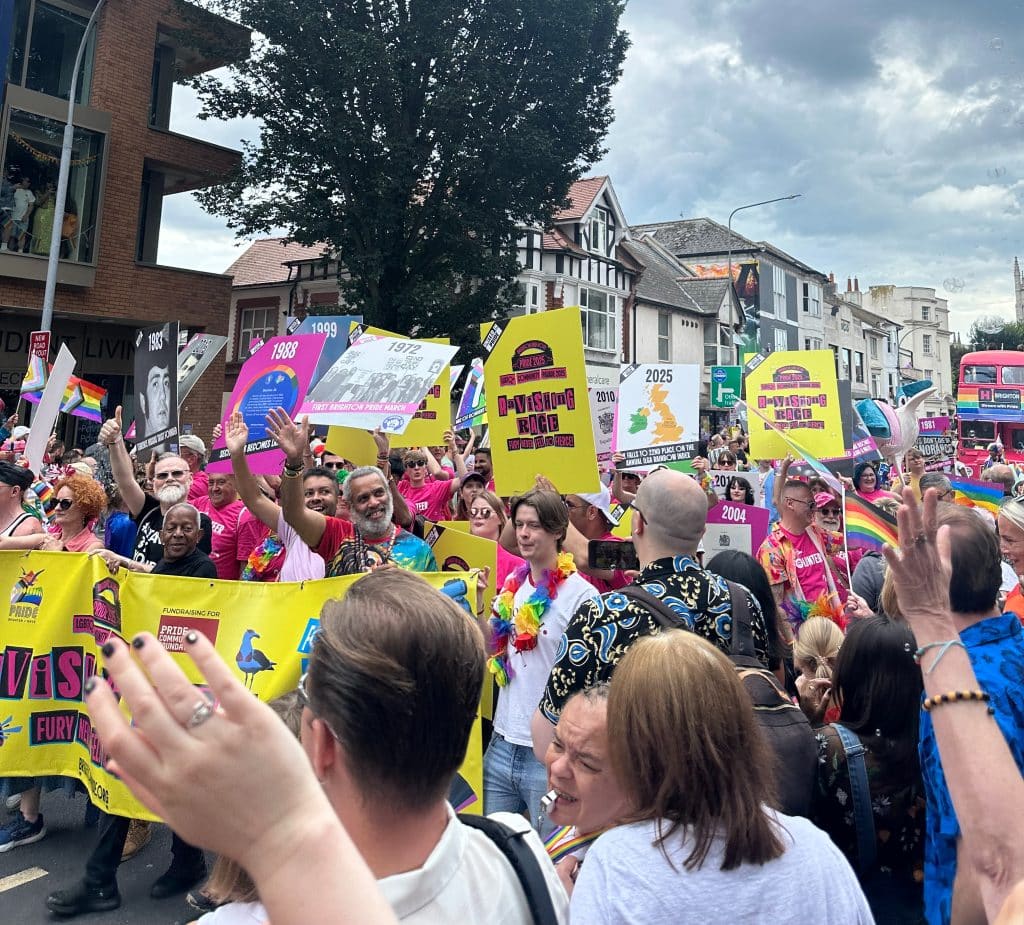
Beyond safer spaces spaces and representation, there’s also the quieter work of unlearning comphet and healing from internalised homophobia.
“It’s ingrained in us and it’s about healing and unlearning that to become our most authentic self. I think it’s a really beautiful process coming out of that little cocoon”
“Life is about growth.”
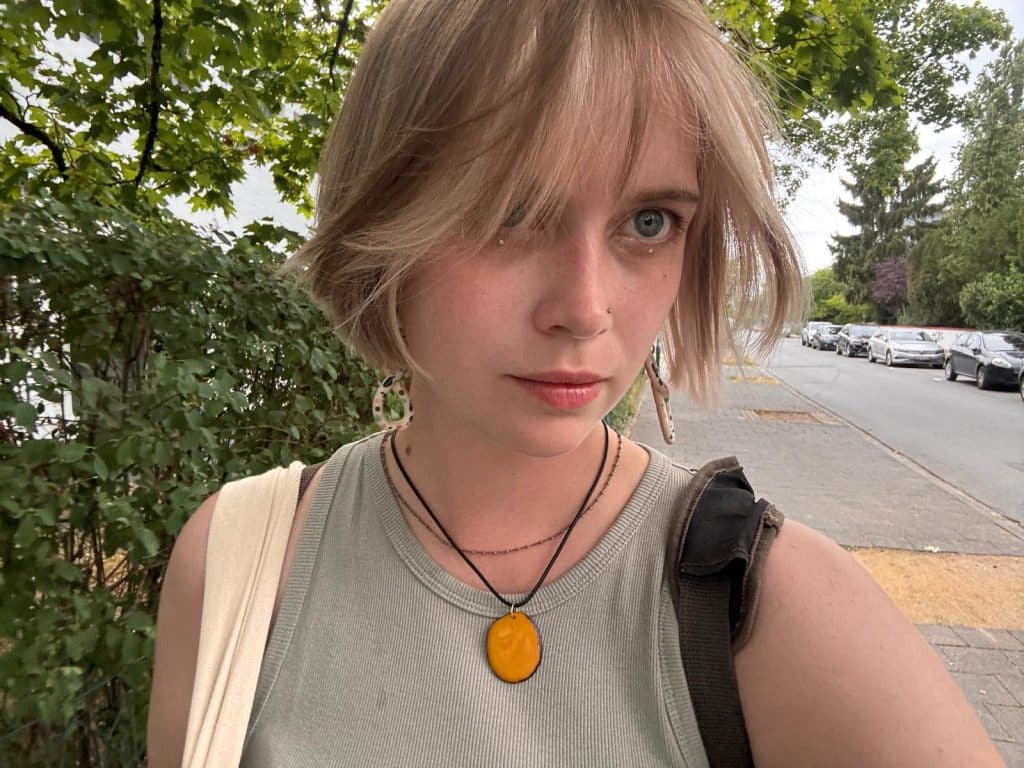
Rosa (she/her)
Rosa is a 26 year old musician from London and identifies as lesbian.
What is Queerness to you?
“I feel like this is something I haven’t deconstructed but there is something really beautiful about it. Maybe it’s a little bit cliché, but it’s this thing of moving against the grain and defying this thing that society tells you to be.”
How has comphet affected you?
“Having a boyfriend was a status symbol.”
Rosa went to an all girls school which seemed to have a notable impact on her journey of self discovery.
“There this hyper pressure when you’re there to be able to socialise with boys because everyone is completely boy crazy because you are surrounded by girls the whole time.
So even though I liked girls I was always hyperfocused on needing to prove that i could interact with the opposite sex.”
Moreover, I feel like this is very common with gay women with the stories I have heard and within my own experiences. The pressure to fit in, especially as a teenager, carries so much weight.
“The prevailing thing is that if i had someone that i’d chosen to have a crush on, if they reciprocated i got so anxious and i would just withdraw instantly. I thought i just had bad really dating dating anxiety.”
“I remember having a boyfriend for 48 hours and then breaking up with them because i couldn’t do it.”
How did comphet affect your coming out journey?
Rosa continued engaging with men up to her university years, almost hoping she could blend into the projected ‘cookie cutter’ expectation of having a boyfriend and then eventually biological children.
“I remember so clearly thinking ‘I’m sure I’ll date women, but in the end I’ll marry a man.’ And then I got into a relationship with my (now) ex girlfriend…”
Rosa identified as bisexual until her first adult relationship with a woman.
“I remember finding it so interesting and thinking ‘wow i feel so comfortable and I feel really excited about progressing things and calling her my girlfriend and wow I think I’m finally over my dating anxiety, this feels really good.”
“Why would I want this relationship to end so I can marry a man?”
Although her family were very liberal, there was still this unspoken expectation that she herself should prove that she could be with a boy even after becoming more confident with her sexuality.
“Compulsory hetrosexuality can be something that straight people can internalise and project onto other (queer) people”
When Rosa’s relationship ended, her family and peers would question if she would date men again, even after coming out to them.
“It was as if my sexuality had almost reverted itself now that i wasn’t with a woman.”
Moreover, this brought on imposter syndrome for Rosa which can be very common within the queer community due to comphet.
“It’s upsetting, I feel like its this denial of who I am and makes me question it as well”
“I get anxious about ‘what if I’m just actually bisexual and I’m just pretending to be a lesbian’ I could just marry a man, it would be so easy but when i think about it logically, seeing two women together makes me heart ache and I want that for myself.”
What the future holds?
Rosa feels that it’s hard to determine the future with the current political climate.
However, she recognises that conversations around comphet are slowly starting to emerge, even if they are limited.
“I feel like this should be talked about more, internatalised homophobia is talked about but not so much comphet hetrosexaulity”
“I’m glad the conversation is being had but I still feel like its very much online conversation. I think there is more of a chance for change if taken offline”
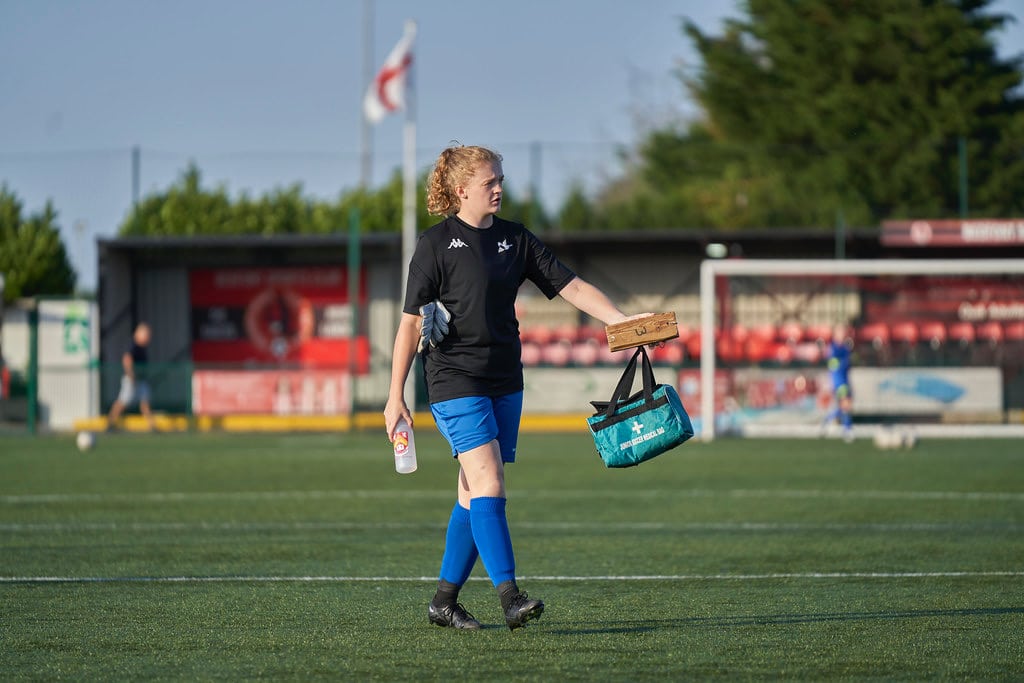
Georgina (she/they)
Based in London, Georgina teaches science and PE and identifies as gay.
What is queerness to you?
“Having the freedom and the ability to express yourself if whatever way you want to, love who you want to love and be open about it.”
How did comphet affect you growing up?
“I think because Ive always played sport, especially football, it’s a place where compulesory hetrosexuality doesn’t really exist, its not a big deal. There are a lot of gay footballers and there always have been.”
Since the age of five, Georgina has played football, and by ten she had joined her first all-girls team.
“(Womens) sport is definitely something where its always been a bit different and the girls you see were always a bit more masculine (presenting) or have musclues or were challenging these gender roles that you would expect poeple to have that compet society pushes with the ‘submissive women and strong man’, whereas this was the opposite.”
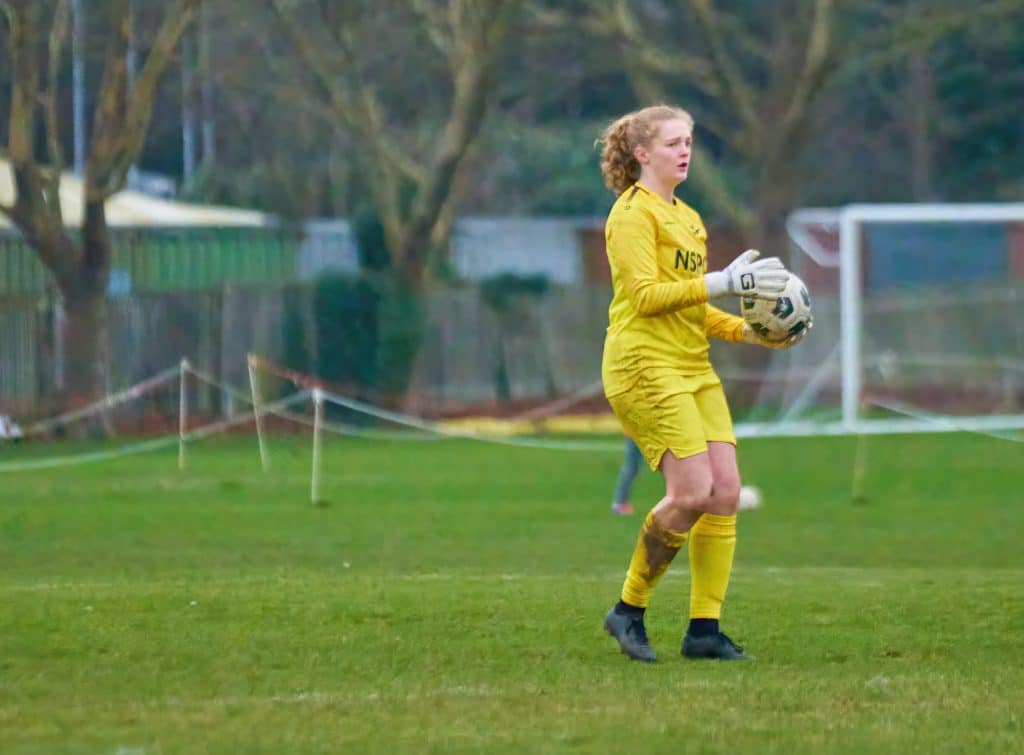
Georgina would hang out with a lot of queer/gay women in her teenage years, such as going to rugby matches with her own group at the age of 17.
“I think it was beneficial for me being confident in my queerness.”
However, at school Georgina was never exposed to queerness, it was never taught, leaving them in the dark.
“When you’re at school, you never really learn about the alternative and if it is mentioned, its just a passing comment about ‘oh yeah that exists as well but we’re not going to talk about that, we’re going to talk about being straight and having a family, husband and kids.’
Growing up you have to seek out queer role models and seek out different places where queerness is normalised because its not in the forefront of media and what you learnt at school, its hidden.”
Due to the lack of representation, Georgina felt different from their peers who all had crushes on boys.
“If you don’t see it, you don’t know its an option, I just thought for a long time that i didn’t like anyone because I didn’t know I was allowed to like girls…
But at the same time i would be looking at pictures of Cara Delevigne and being like ‘I wanna be like her when i grow up,’ little did I know.”
(Me too girl.)
Working in a school – Do you try and implement this normalisation of sexuality?
As a teacher, Georgina has restrictions on what she can talk about in the classroom.
If a pupil starts talking about gender, a teacher is not allowed to go into the different types of gender identity, only male and female.
“You can say that other identities exist but you cant go into detail on it and if they ask questions, you have to shut them down because its too ‘controversial’ apparently.”
How does that make you feel hearing that?
“It didn’t make me feel great but I understood, sort of, that if they go home and tell their parents and the backlash they could potentially come from that wouldn’t be great.
I did have a kid ask me about it and had to tell them that ‘unfortunately I’m not allowed to talk to you about that yet’”
Moreover, there is an importance of this subject being taught and learnt in the right way, the internet can be a dangerous place for a kid!
“I feel that it’s important for them to learn about it through the right sources and not learn through social media because sometimes that can go badly.”
What does the future hold?
“I think representation really needs to be pushed through, even things like adverts. It’s always hinted at but never said, such as a TV advert with two women sat on the sofa.”
The audience are left to decipher whether the scene was set up as two gay women or friends. Whereas seeing a man and a women on an advert like this, it is automatically be assumed that they are together.
“There is definitely still work to be done. TV shows, they are doing a bit more, there is always a ‘token gay’ in them.”
“There is definitely more to be done to normalise it. However, I think until it actually is normal, you have to make a big deal out of it, until you don’t…
I just hope it continues to improve and not go backwards like it keeps threatening to.”
Final comments by the author
I believe this is such an important topic to be educated on and can really facilitate towards some healing within the queer community by having this deeper understanding of where this internalised homophobia stemmed from.
The conversations I’ve had with others and these two artists have given the needed depth to the conversation and it has been very healing to hear these experiences.
In order to progress as a society I feel like this is something that should present itself in mainstream media, not as a threat or slur, but a reminder that we are all part of a community.
There are plenty of real problems in the world, love shouldn’t be turned into one of them.