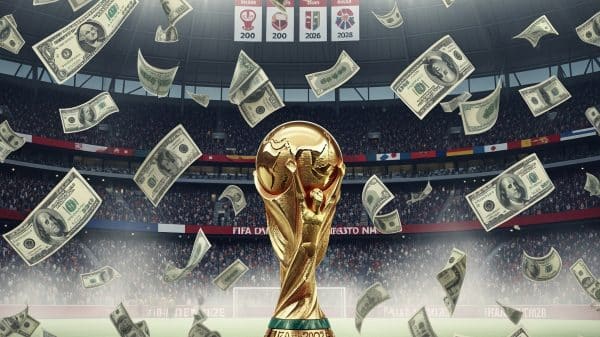
This year’s competition has rewarded consistency, but it hasn’t limited how teams can succeed. Clubs that controlled the league phase enter the knockouts with confidence, while others arrive carrying momentum earned through pressure-filled playoff matches. Last season showed there’s more than one path to the trophy, with defending champions Paris Saint-Germain proving that early adversity doesn’t rule anyone out. What matters now is how teams handle expectation, depth, and control once every match carries real consequences.
As the knockout stage approaches, the conversation shifts from potential to proof. History still matters — no club understands that better than Real Madrid, winners of the competition a record 15 times — but history alone no longer guarantees anything. The teams still standing all have reasons to believe, yet only a few look positioned to go the distance, each bringing its own strengths, risks, and defining questions into the rounds ahead.
Paris Saint-Germain — On the Quest to Defend Their Title
As the defending champions, Paris Saint-Germain enter this Champions League campaign on a quest to repeat history. Last year, they won the UCL despite not finishing in the top eight in the league phase, fighting their way through the playoffs to lift the trophy. That experience proved they can handle high-pressure matches and grind through adversity — a trait that makes them one of the toughest teams to bet against.
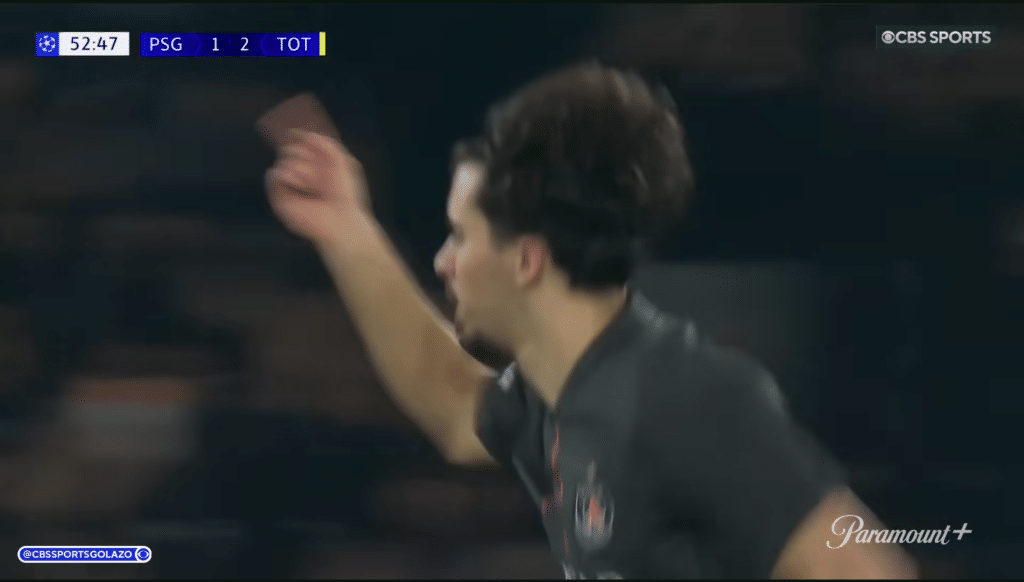
This season, PSG faces a tighter domestic title race in France with Lens, unlike last year when they dominated Ligue 1. Their Champions League form has had flashes of vulnerability, including a 2-1 home loss to Bayern Munich back in November, yet they remain a team capable of thriving in the knockout stage. If they get past Monaco in the playoffs, they will face either Barcelona or Chelsea in the Round of 16 — a familiar challenge for a team used to high-stakes European matchups.
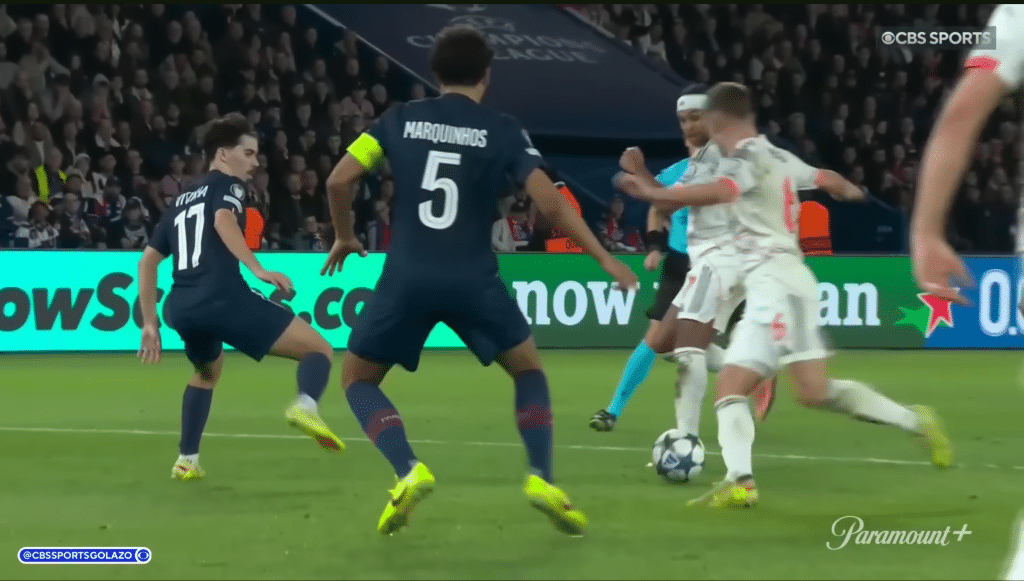
PSG’s attacking firepower remains elite, led by Désiré Doué, Khvicha Kvaratskhelia, and Bradley Barcola, with a midfield that controls tempo and defenders who can absorb pressure. Manager Luis Enrique expertly rotates the squad to maintain freshness.
Despite not being as dominant as last season, PSG remains the benchmark for others chasing the Champions League, proving that talent, experience, and resilience still make them one of the most dangerous teams in Europe.
Arsenal — Dominance Meets a First-Time Quest
Arsenal dominated the league phase, finishing perfectly 8-0, including a statement 3-1 win against Bayern Munich back in November and a commanding 3-1 away victory at Inter Milan in January. They’ve spent the majority of the season at the top of the Premier League, showing consistency, tactical discipline, and a squad capable of controlling games from start to finish.

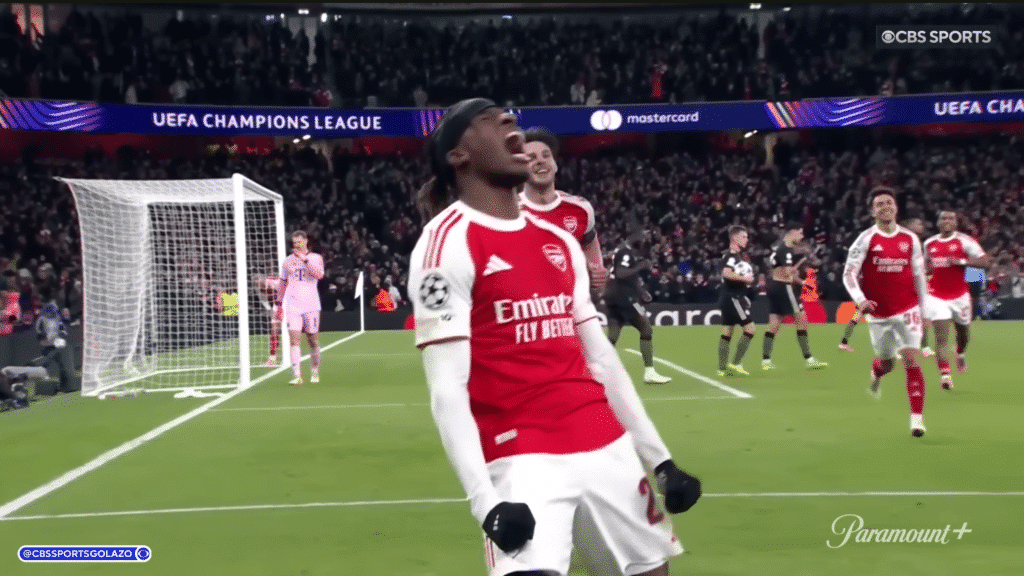
Arsenal’s attacking unit, led by Bukayo Saka, Gabriel Jesus, and Martin Ødegaard, combines creativity, pace, and clinical finishing, giving them multiple ways to break down defenses. Defensively, Arsenal is regarded as one of the best in Europe, anchored by Gabriel Magalhães and William Saliba, their starting center backs who form the heart of the backline under Mikel Arteta.
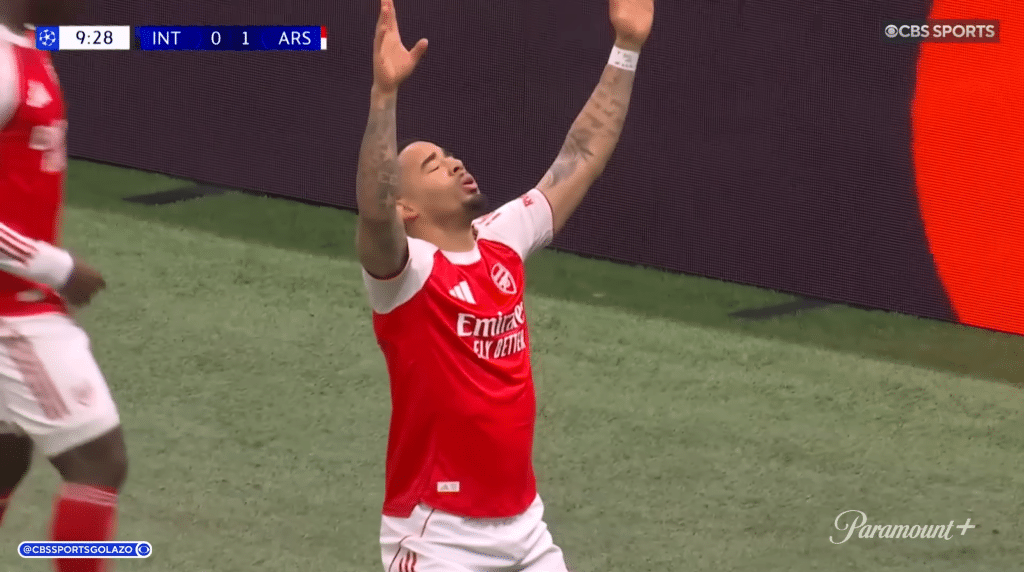
Their ability to press, intercept, and recover quickly complements a disciplined midfield, making Arsenal hard to break down. As the No. 1 seed, they’ll host every second leg of the knockouts — a significant advantage in the high-stakes format.
Yet despite all this dominance, history still looms: Arsenal have never won the Champions League. The knockouts will test whether this top-of-the-table squad can turn domestic brilliance into European glory. Could the Gunners finally lift the trophy and complete their long-awaited breakthrough? Only time will tell.
Real Madrid — Experience, Pedigree, and a Season of Transition
After a turbulent league phase, Real Madrid finished with 5 wins and 3 losses, just missing out on a top-eight spot after a late 4-2 defeat to Benfica. If they had won that match, they would have qualified directly for the Round of 16. Now, Madrid must face Benfica again in a two-legged playoff to secure their place, with a Round of 16 showdown against either Manchester City or Sporting CP waiting for the victors.
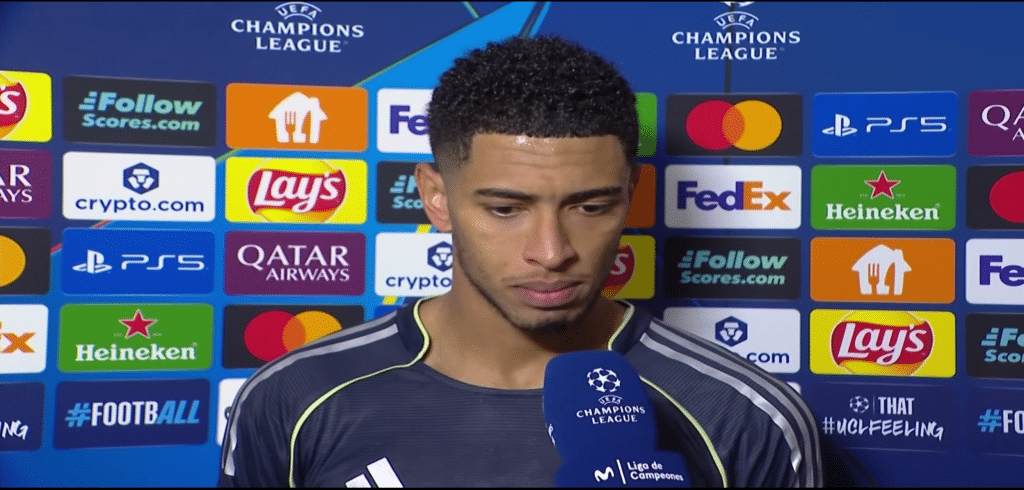
The season has also been one of transition. Head coach Xabi Alonso departed, and Álvaro Arbeloa has stepped in as interim manager for the remainder of the campaign. Despite this change, Madrid currently leads La Liga by a narrow two points over Barcelona, keeping their domestic ambitions alive while focusing on Europe.
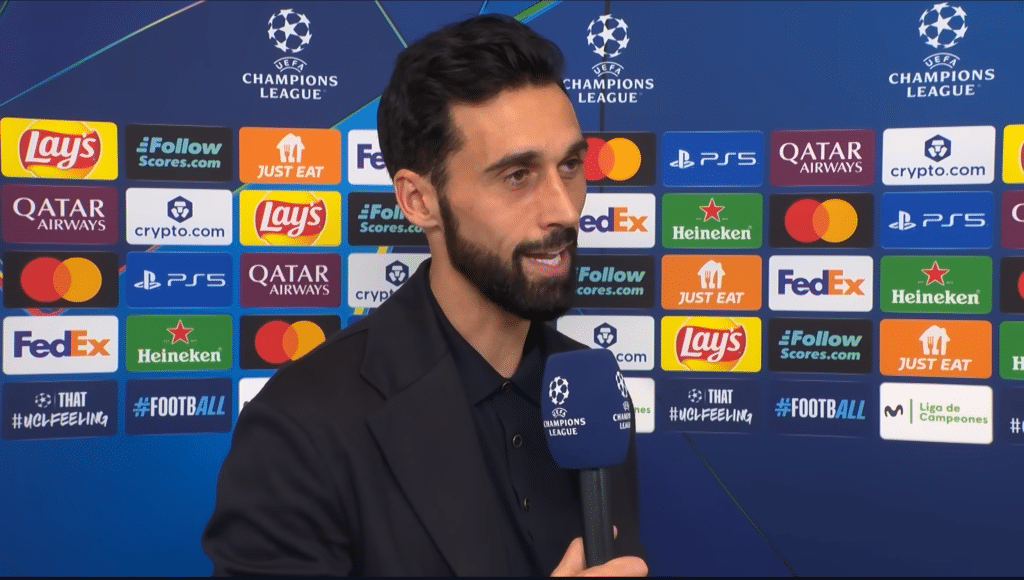
Star players have carried the team through uncertainty. Kylian Mbappé has been in lethal form up front, while Vinícius Júnior is steadily returning to his best under Arbeloa’s guidance. Their blend of talent, tactical intelligence, and unmatched Champions League pedigree — winners a record 15 times — makes Madrid a team that remains dangerous, even after a trophyless season.

Barcelona — Brilliance, Risk, and a Long European Wait
Barcelona enters the knockout stage in strong form, sitting second in La Liga and finishing fifth in the Champions League league phase, good enough for direct qualification to the Round of 16. Led by a dynamic core featuring Pedri, Lamine Yamal, and Raphinha, Barça remains one of the most entertaining teams in Europe, capable of overwhelming opponents with possession, pace, and creativity.
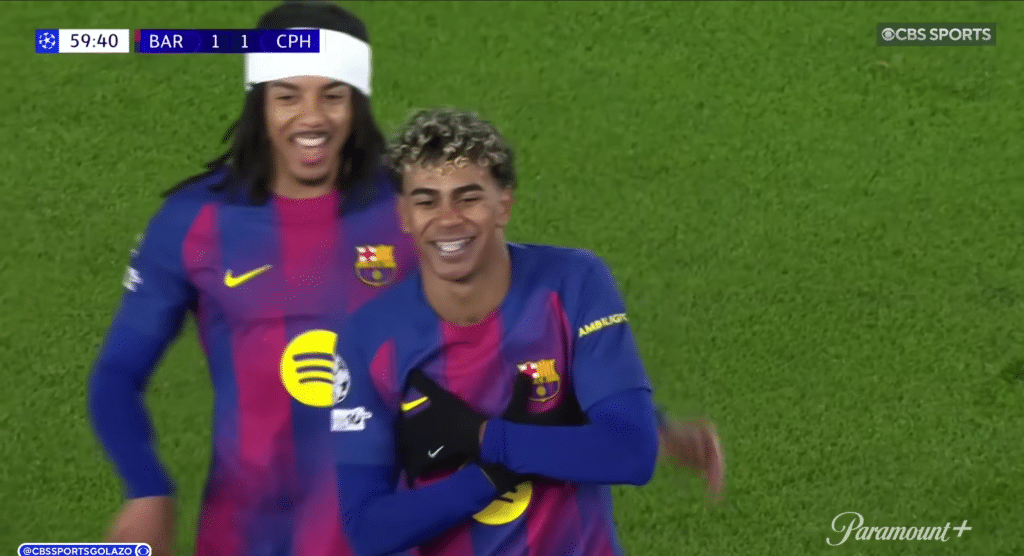
Under Hansi Flick, Barcelona play with an aggressive high defensive line, pressing high up the pitch and committing numbers forward. When it works, it suffocates teams and keeps the ball pinned in the attacking third. But that approach also comes with risk. Those defensive vulnerabilities were exposed in a 3-0 loss away to Chelsea back in November, a match that showed how quickly Barcelona can be punished when the press is beaten.
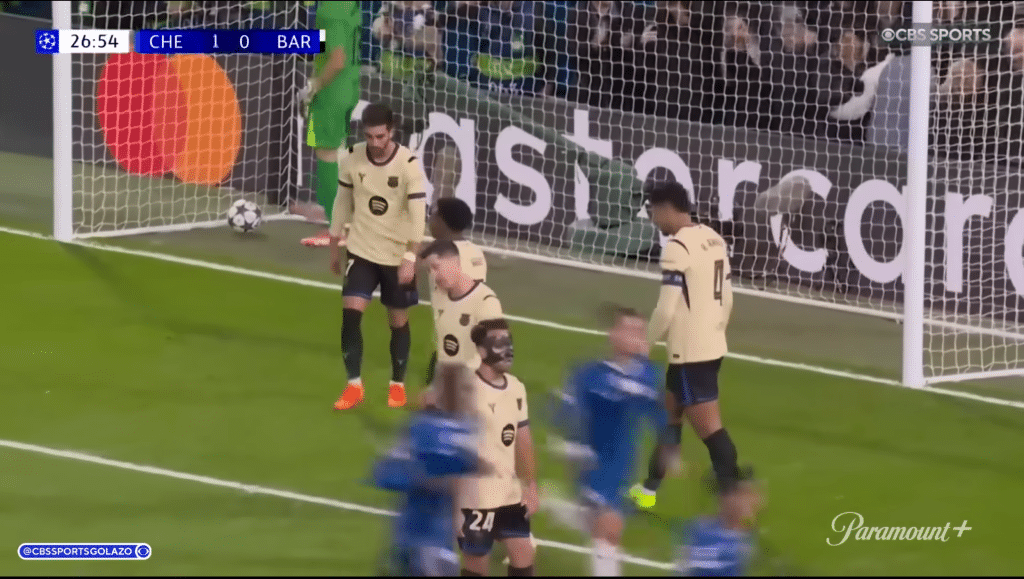
There’s also history hanging over this run. Barcelona haven’t won the Champions League since 2015, and every season since has ended in frustration at the hands of Europe’s elite.
The talent is undeniable, and the ceiling is high — but the knockouts will test whether Flick’s bold approach can hold up against the best. If Barcelona is to end its long European drought, it’ll need to balance brilliance with control when the margins are at their thinnest.
Bayern Munich — Power, Precision, and a Familiar Hunger
The German giants are once again among the Champions League favorites. Bayern Munich sits six points clear at the top of the Bundesliga, asserting domestic dominance while finishing second in the Champions League league phase with seven wins and just one loss. That lone defeat came away to Arsenal at the Emirates, a 3-1 loss that briefly slowed an otherwise relentless European campaign.
Under Vincent Kompany, Bayern opened the 2025–26 season in historic fashion, winning 16 consecutive matches across all competitions, a record among Europe’s top five leagues.
They’ve also shown they can win on the biggest stages, including a 2-1 victory over Paris Saint-Germain in Paris back in November — a reminder of their ability to handle elite opposition away from home.
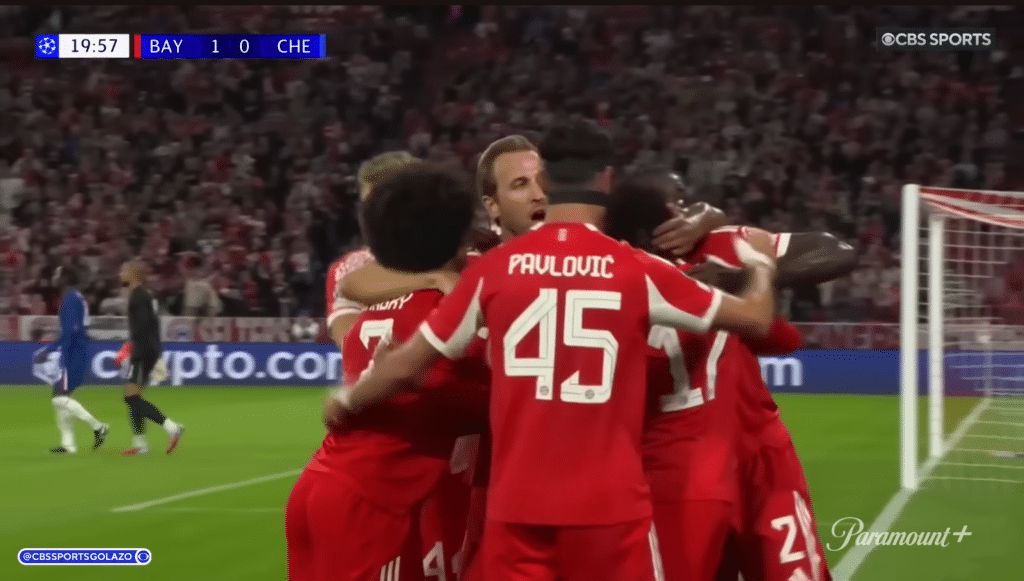
Bayern’s attacking depth remains one of the most dangerous in Europe. Harry Kane continues to lead the line as the focal point, supported by the creativity and pace of Michael Olise and Luis Díaz.
It’s a group built to overwhelm defenses while still maintaining structure and control. While Bayern haven’t lifted the Champions League trophy since 2020, their consistency, experience, and firepower suggest they are once again fully equipped for a deep run.
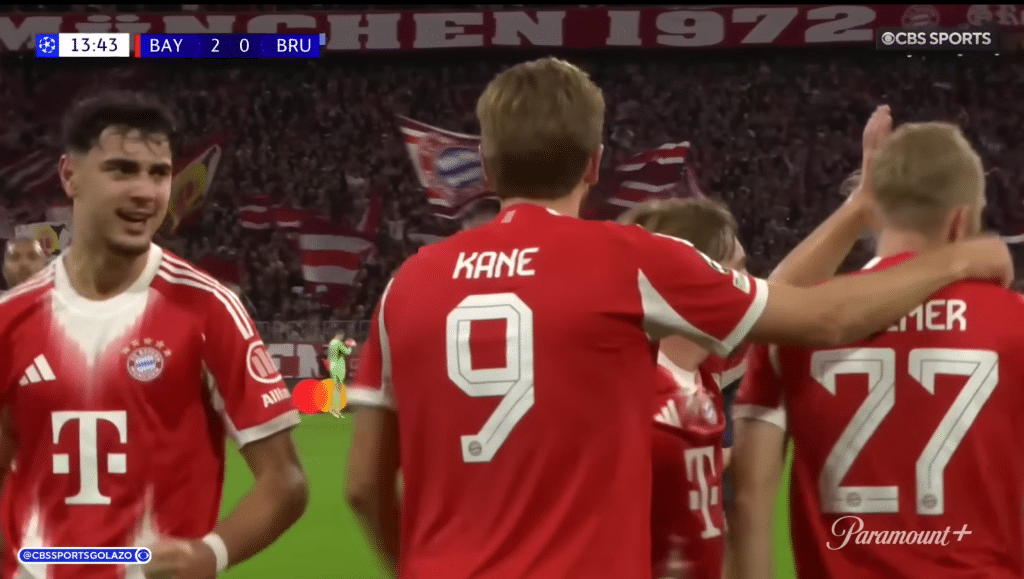
The question isn’t whether Bayern belong among the contenders — it’s whether this version, under new leadership, can finish the job and return to the top of European football.