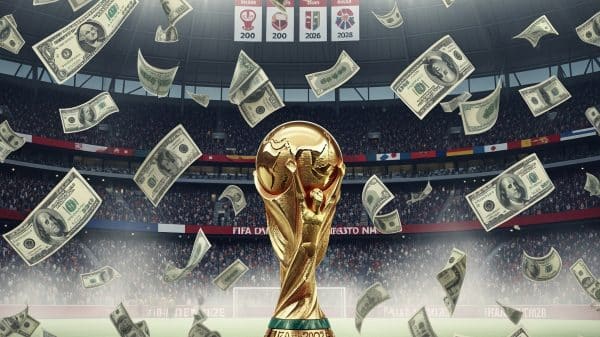
When Cristiano Ronaldo signed with Al Nassr, it didn’t feel like a normal transfer. It felt like a moment, not because stars don’t leave Europe, but because of what the move represented. The money was massive, the destination was unexpected, and suddenly Saudi Arabia was part of every soccer conversation.
Then Neymar and Karim Benzema, three players who defined an entire era, were now in the Saudi Pro League. In football, commonly known as soccer in America, transfers like these are rarely just about players changing teams. They’re signals, signs that money is starting to matter in ways the sport hadn’t fully seen before.
The question isn’t whether Saudi Arabia saved or ruined football. It’s simpler than that: did this moment change what players chase, and how the rest of the sport responds?
The signings that changed the conversation
Cristiano Ronaldo. One name, endless headlines. When he signed with Al Nassr, it wasn’t just another transfer; it was a statement. Ronaldo isn’t just a football player; he’s one of the most recognizable athletes on the planet. His moves make waves beyond the pitch, from social media to global marketing campaigns.
This wasn’t a late-career side project. At 40 years old, Ronaldo is still performing at a level most players would have retired from years ago. Signing him wasn’t just about his skills; it was about what he brings to the table: attention, influence, and legitimacy.
Suddenly, the Saudi Pro League is no longer an under-the-radar competition; it’s the league where Ronaldo is writing the next chapter of his career.

The salary and bonuses are jaw-dropping, numbers no other club outside Europe can match. But it isn’t just about money. For Saudi Arabia, Ronaldo is a magnet: he draws in fans, sponsorships, and media attention that few could. His presence alone makes the league headline news around the world and sets the tone for the next wave of transfers.
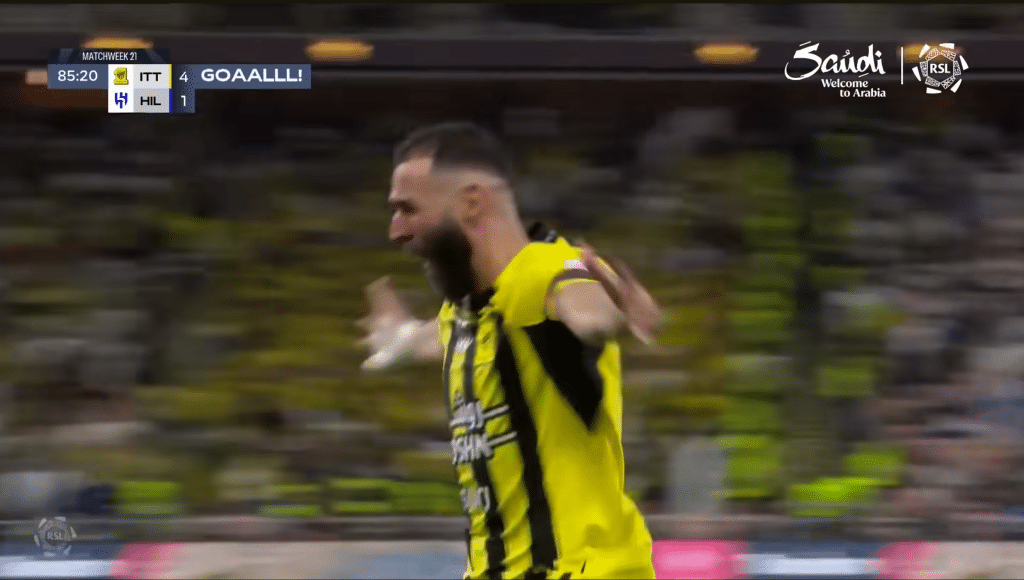
Then comes Karim Benzema. After leading Real Madrid to countless titles and becoming a five-time Champions League winner, Benzema wasn’t just another player — he was still performing at the top of his game.

His arrival at Al-Ittihad in Saudi Arabia sent another shockwave through the football world. The league wasn’t just attracting aging stars anymore; it was becoming a destination that mattered for players still in their prime.
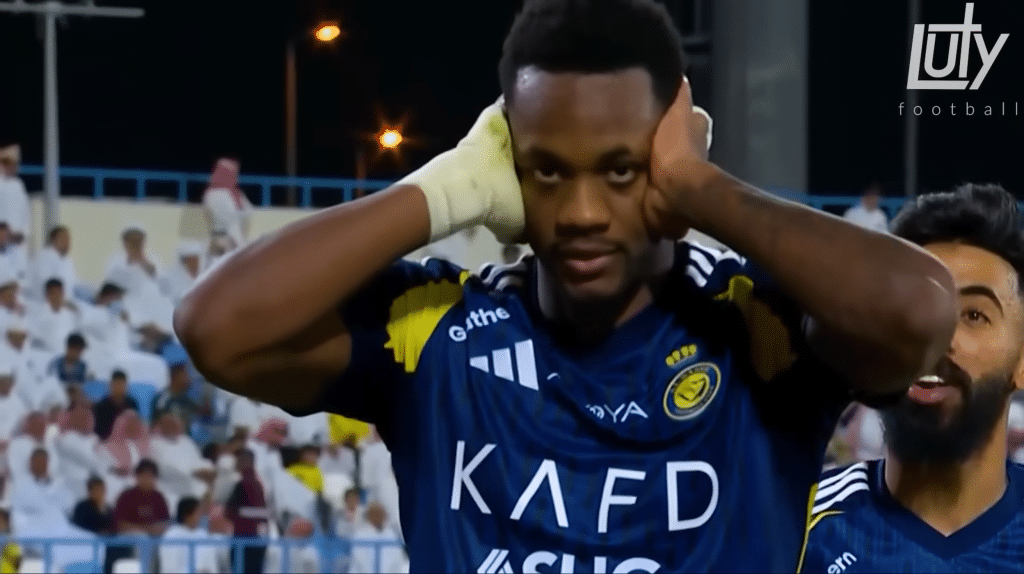
Then comes Neymar. The Brazilian superstar joined Al-Hilal in August 2023, adding even more star power to the Saudi Pro League. Neymar’s presence brought international attention and hype. But his time in Saudi Arabia didn’t go as planned. Over just seven games across a year and a half, Neymar scored only once, while suffering a torn ACL, meniscus, and later a hamstring injury.
Al-Hilal had spent more than $200 million on his transfer and salary, making him one of the league’s most expensive signings ever.

He eventually returned to his childhood club, Santos, marking the end of his Saudi stint. While Neymar’s time in the league was brief and marred by injury, it underscored the lengths Saudi clubs are willing to go to attract global stars — and how even massive spending doesn’t guarantee success.
Young players are following the money
It’s not just older stars making headlines — Ronaldo, Benzema, and Neymar grabbed the spotlight, but younger players are starting to jump to Saudi clubs too. Take Jhon Durán, a rising star who would normally be building his reputation in Europe. Instead, he heads to Saudi Arabia for wages most clubs aren’t willing to match.
Money is changing how players think about their careers. Where the path was once clear — grow in Europe, play top-tier football, maybe earn a big transfer later — now the calculus is different. Big contracts can outweigh traditional career moves, even if it means leaving Europe earlier than expected.
Toni Kroos, now a retired player, offers a blunt take on the Saudi transfers. He chose to end his career at Real Madrid instead of chasing the massive contracts Saudi clubs were offering.
🎙️ Toni Kroos: "Saudi Arabia? It has been said ambitious football is played there, but everything revolves around money. In the end, it's a decision for money and against football."
— Football Tweet ⚽ (@Footballtweet) August 31, 2023
✍️ @diarioas pic.twitter.com/QVmyLAN0jw
Kroos’s perspective shows how even top players weigh the lure of generational wealth, not just trophies. The game’s financial landscape is shifting — players aren’t just chasing titles anymore; they’re chasing contracts that can change their lives and their families’ futures.
Is the money running out?
Saudi Arabia’s spending spree hasn’t just been about football — it’s been part of a massive push to make the country a global sports hub. From buying stakes in Newcastle United to hosting billion-dollar boxing matches and investing in streaming platforms, the kingdom has been throwing cash at nearly every angle of sports. But recent reports suggest the well might be starting to dry up.
The Public Investment Fund (PIF), the mega-fund behind these projects, has billions in assets but is seeing delays and liquidity challenges in several high-profile investments.
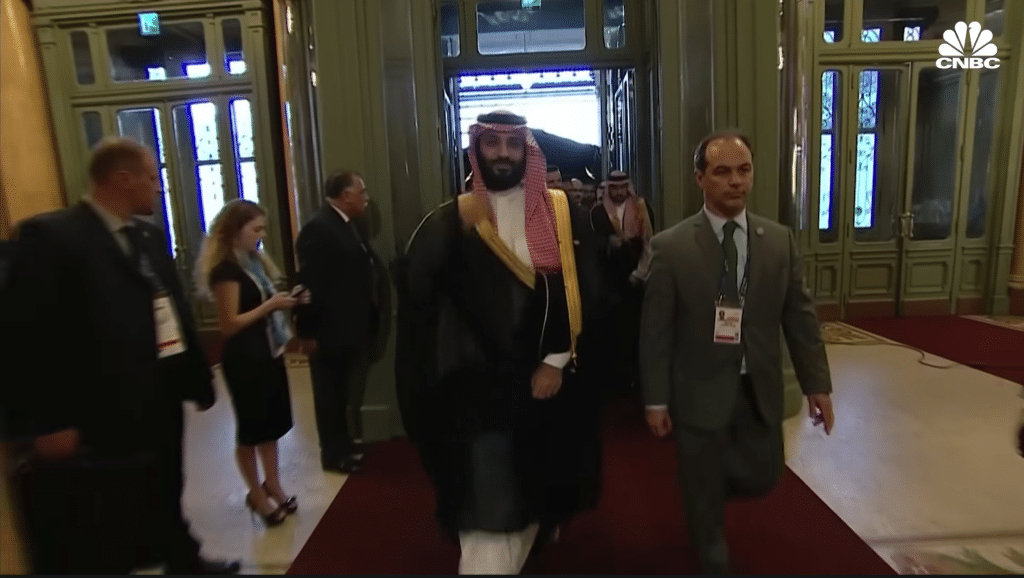
Even with a $1 billion FIFA stadium venture, questions are rising about how long Saudi clubs can keep handing out jaw-dropping contracts. The league’s biggest all depend on that cash flow.
Mega-offers like Kylian Mbappé’s reported £259 million transfer plus $776 million salary, and Vinícius Jr.’s proposed €200 million-per-year deal, show just how high the stakes are. If Saudi funding slows, the Pro League could see a major shift — and some of Europe’s top talent might head back west.
Saudi Arabia isn’t just flexing in its league — it’s also set to host the 2034 World Cup, signaling the kingdom’s ambitions to cement itself on football’s biggest stage. Critics say these moves are part of a broader push to make the country a global sports hub, though slowing funding could shift how Saudi football attracts the world’s top talent.

For now, the Saudi Pro League remains the place to watch. Whether it’s keeping aging superstars, luring in rising talent, or flexing the kingdom’s financial power, the league has made one thing clear: money matters, maybe more than ever. But the bigger question is what happens when the money tap turns off — and whether players chasing these life-changing contracts will rethink their paths.