The UEFA Champions League final is finally here, and this year’s matchup between Paris Saint-Germain and Arsenal feels bigger than a normal European final. As the biggest game in club football this year, both teams arrive in Budapest with completely different stories, histories, and expectations, but each has a chance to define a new era on the sport’s biggest stage.
PSG comes into the match looking much stronger than earlier in the season. What once felt like another talented but inconsistent Paris side has grown into one of the most complete teams in Europe under Luis Enrique. Arsenal, meanwhile, have put together one of the most impressive Champions League campaigns, going unbeaten throughout the competition while relying on discipline, structure, and key moments from players like Bukayo Saka.
With two different styles, two different histories, and two fanbases desperate for a defining European moment, the final at Puskás Aréna on May 30 already feels like one of the defining matches of the football season.
PSG: Defending Champions Chasing History
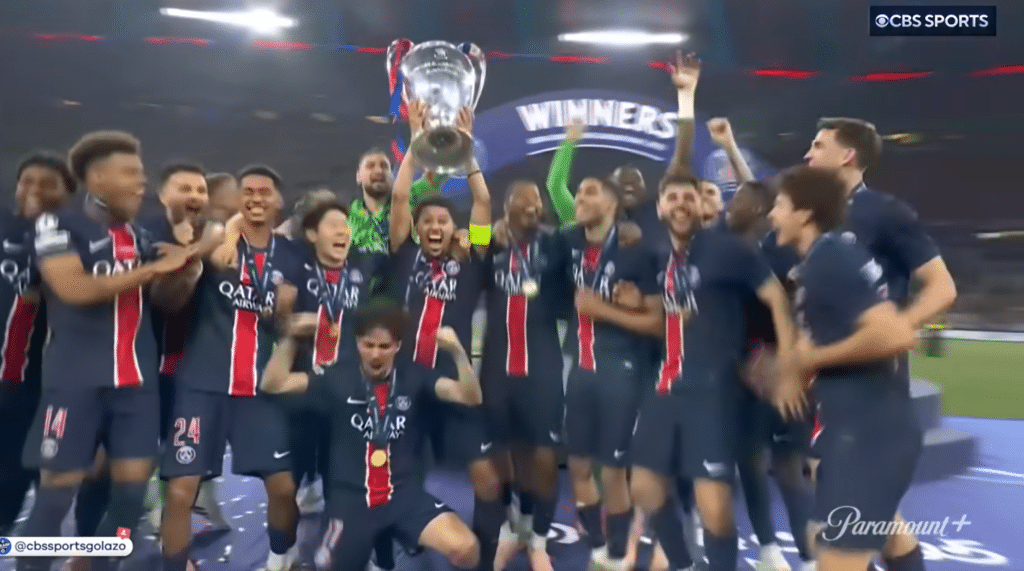
We already know how good Paris Saint-Germain can be on the biggest stage — they proved that last season when they finally lifted their first Champions League trophy after defeating Inter Milan 5-0. This time around, the journey has looked different. A slow start to the season, disrupted by injuries and inconsistency, made them feel less like certainties and more like a team still searching for rhythm.
That changed as the months went on. Under Luis Enrique, PSG gradually found its form again and now arrives in the final looking sharper, more connected, and far more complete than earlier in the campaign. The attacking talent has always been there, but now it feels fully unlocked inside a more balanced system.
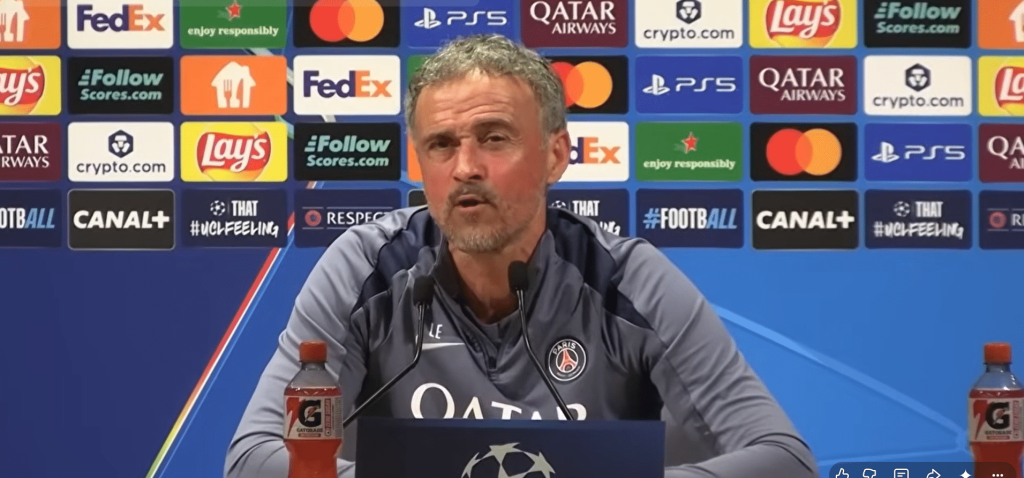
Much of that threat comes from players who can decide games in a single moment. Ousmane Dembélé has stepped into the spotlight with Ballon d’Or-level performances, while Khvicha Kvaratskhelia’s creativity and unpredictability have given PSG a different edge in big matches. Around them, a more structured team has allowed those stars to shine when it matters most.
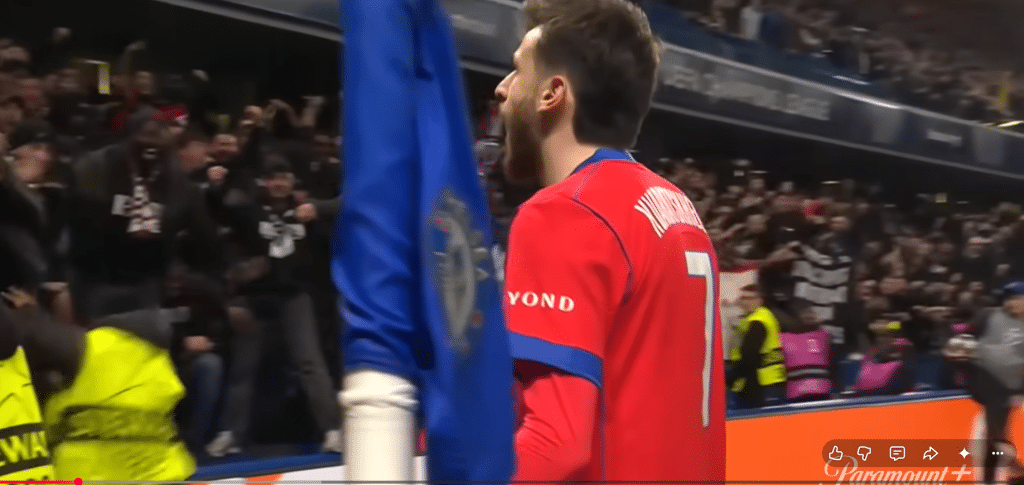
One of the defining moments of their season came against AS Monaco in the knockout play-off first leg, when the defending champions found themselves 2-0 down early and on the ropes. For a team that had already been forced into the play-offs after finishing 11th in the league phase, it felt like another reminder of how inconsistent their campaign had been at times.
But instead of collapsing, PSG responded like champions, showing the mentality that has started to define this version of the side under Luis Enrique. It was a turning point that highlighted their resilience, proving that even when they’re under pressure, they now have the quality — and belief — to turn games around.

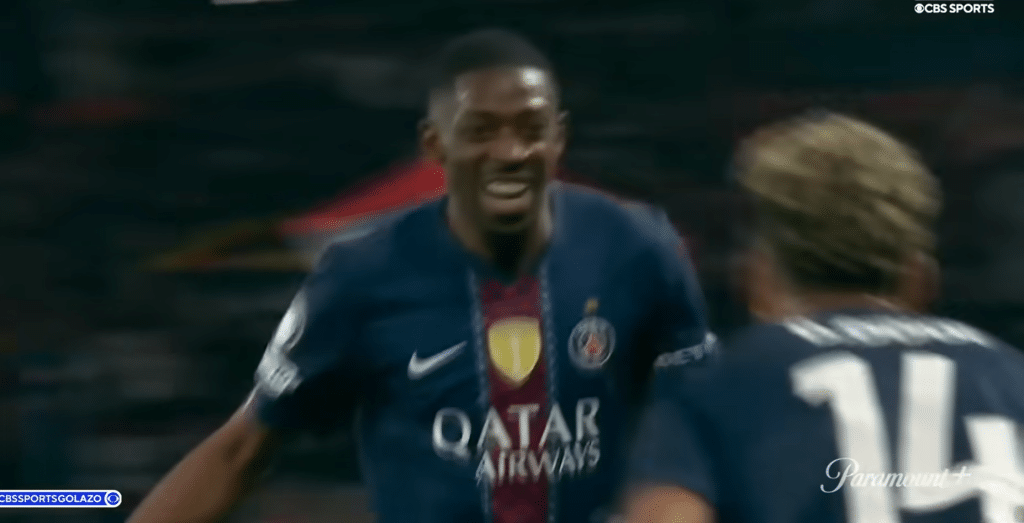
They also come into this final battle-tested after eliminating Bayern Munich in a dramatic semi-final, which finished 6-5 on aggregate, a tie that pushed them physically and mentally but confirmed their status as one of Europe’s elite sides once again. Now, PSG aren’t just champions defending a title; they look like a team trying to build something even bigger.
Arsenal: Unbeaten, Underdogs, and Chasing History
For Arsenal, this Champions League run has felt different from the start. Not just because of how they’ve played, but because of what’s on the line. They finished the group stage 8-0 and remain unbeaten in Europe, the only team to go through the competition without a single defeat. On top of that, they arrive in this final as Premier League champions for the first time since 2004, ending a long wait for domestic success.
But this is still unfamiliar territory, Arsenal’s second ever Champions League final, their first since the heartbreak of 2006 against Barcelona. That history sits over everything.

For years, Arsenal have chased this trophy while rebuilding their identity in Europe, and now they’re 90 minutes away from something the club has never achieved: a Champions League title. They also got here by beating Atlético Madrid 2–1 on aggregate in the semi-finals, a result that underlined just how far this team has come.
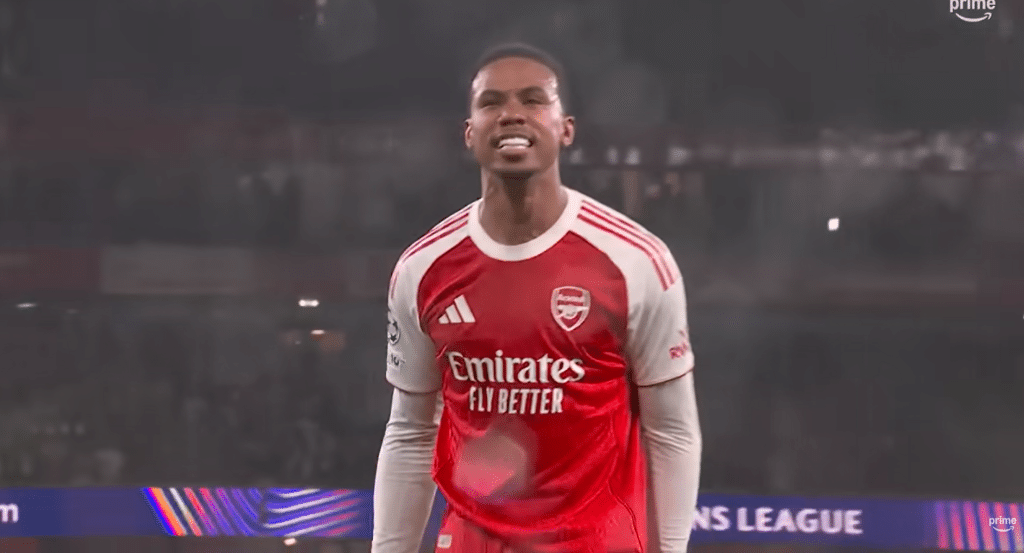
A big part of Arsenal’s success this season has come from their defensive strength. They’ve only conceded six goals in the entire Champions League campaign, building their run on structure, discipline, and control at the back.
David Raya has been reliable in goal, providing calmness in big European nights, while the center-back partnership of William Saliba and Gabriel Magalhães has been the foundation of Arsenal’s defense. In front of them, Bukayo Saka has been just as important going forward, not only as a constant attacking threat but also in the way he helps set the tone for Arsenal’s pressing and balance on the right side.
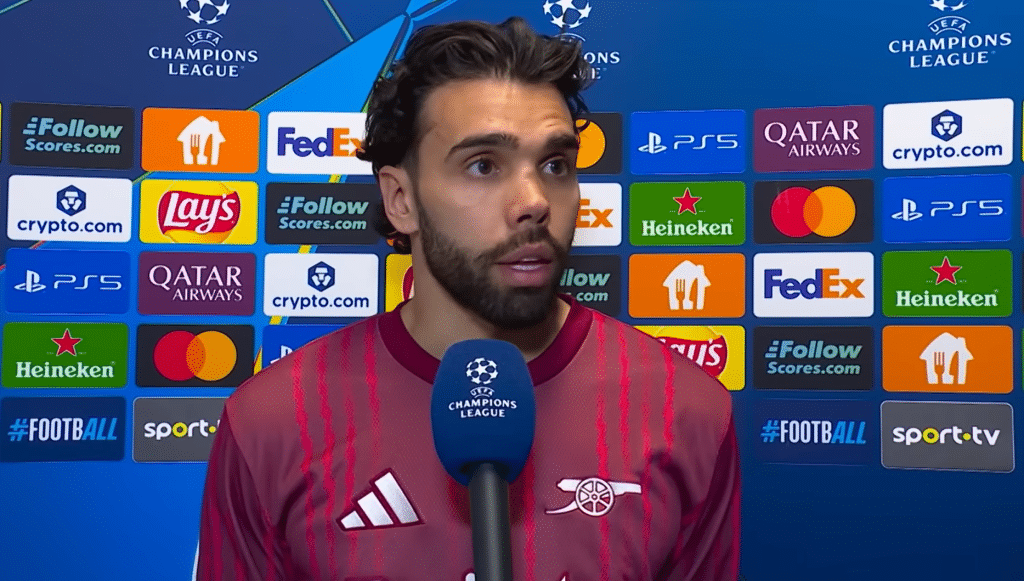
This defensive base has helped Arsenal control tight games and protect leads when it matters most, keeping them unbeaten in Europe. It may not always be flashy, but it has been incredibly effective and is a key reason they’ve reached this stage. Now, heading into the final, that defensive solidity will be tested against a PSG attack full of pace and world-class quality.
PSG’s Firepower vs Arsenal’s Structure
This final feels like a clear clash of styles between Paris Saint-Germain and Arsenal. PSG’s game is built around attacking fluidity and individual brilliance, with players capable of deciding a match in a single moment. They don’t always need long spells of control; sometimes, all it takes is one opening, one run, or one piece of quality to change everything.
Arsenal, on the other hand, has taken a very different path to the final. Their success has come from structure, control, and a disciplined defensive shape that has carried them through the competition. They’re not a team that relies on chaos or constant end-to-end football. Instead, they manage games, stay compact, and trust that their organization and key moments in attack will be enough.
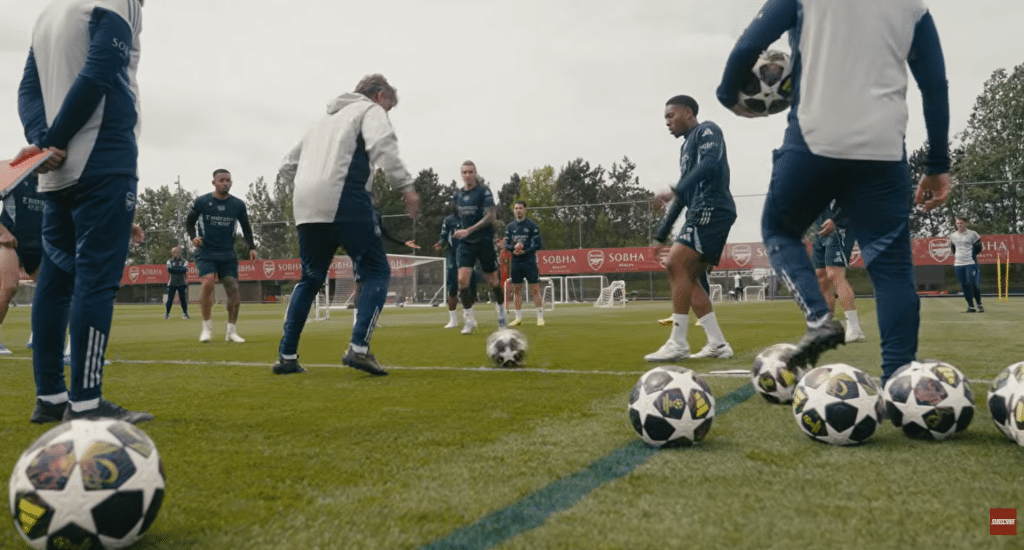
The key battle will likely come in transition. PSG are at their most dangerous when games open up, and space appears in behind, while Arsenal have built their run on limiting chances and keeping matches under control for as long as possible. If Arsenal can slow the tempo, stay compact, and avoid being stretched, they give themselves a real chance to control the flow of the game. But if PSG finds rhythm early and starts breaking lines through midfield, they can take over the match quickly.
Beyond the tactical battle, there’s also history on the line. PSG are not just defending champions — they are chasing something even rarer in modern football. No club has won back-to-back Champions League titles since Real Madrid did it in 2016–17 and 2017–18, and only eight teams in total have ever managed to do it. A win here would put PSG into that exclusive group and firmly establish them as a dominant European force rather than a one-season success story.
For Arsenal, the moment means something different. Years of rebuilding, setbacks, and European frustration have brought them here — one game away from a breakthrough that would define a generation at the club. From an unbeaten run in Europe to a long-awaited domestic return to the top, everything has led to this night in Budapest.
In the end, it all comes down to one question — can PSG extend their era at the top of Europe, or will Arsenal complete their rise and finally become Champions of Europe for the first time?