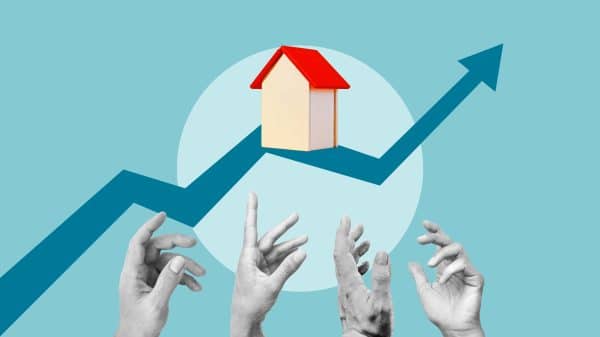
For Gen Z, the dream of buying a home feels as distant as dial-up internet, a relic of another era. Across the United States and beyond, young adults are facing a housing market determined to keep them renters for life.
The vanishing starter home
Across almost every U.S. state, fewer than half of people under 35 own a home, according to a 2025 analysis. The report, published by The New York Times using data from Evernest, paints a grim picture of generational inequality. Only Minnesota managed to cross the halfway mark, with a 50.8 percent homeownership rate for that age group. This rare success comes from relatively affordable home prices of around $323,000 and decent salaries averaging close to $95,000.
Compare that to Hawaii, where young adults earn about the same, yet homes cost an eye-watering $849,000 on average. It’s easy to understand why only one in four young Hawaiians can afford to own property. Situation in California and New York remains bleak, with fewer than 30% of young adults owning homes in either state.
The overall homeownership rate across generations has slipped to a five-year low of about 62%. High interest rates, low inventory, and stubborn inflation have pushed the housing ladder further out of reach for almost everyone, but for Gen Z, it feels like the ladder was never there to begin with.
Where can Gen Z still buy? Not where you think
If you’re under 30 and holding a mortgage, you’re practically a unicorn. A Newsweek analysis of LendingTree data found that in America’s 50 biggest metropolitan areas, only 3.1% of people under 30 have a mortgage. That means nearly 97% don’t.
The rare exceptions are clustered in the South and Midwest. Nashville, Indianapolis, and Pittsburgh top the list of metros where young adults are likeliest to own homes. In Nashville, about 9.4% of under-30s have mortgages, with median home prices sitting around $475,000, hardly cheap but a far cry from coastal extremes like San Jose, where the median home price exceeds $1.4 million and fewer than 1% of under-30s own.
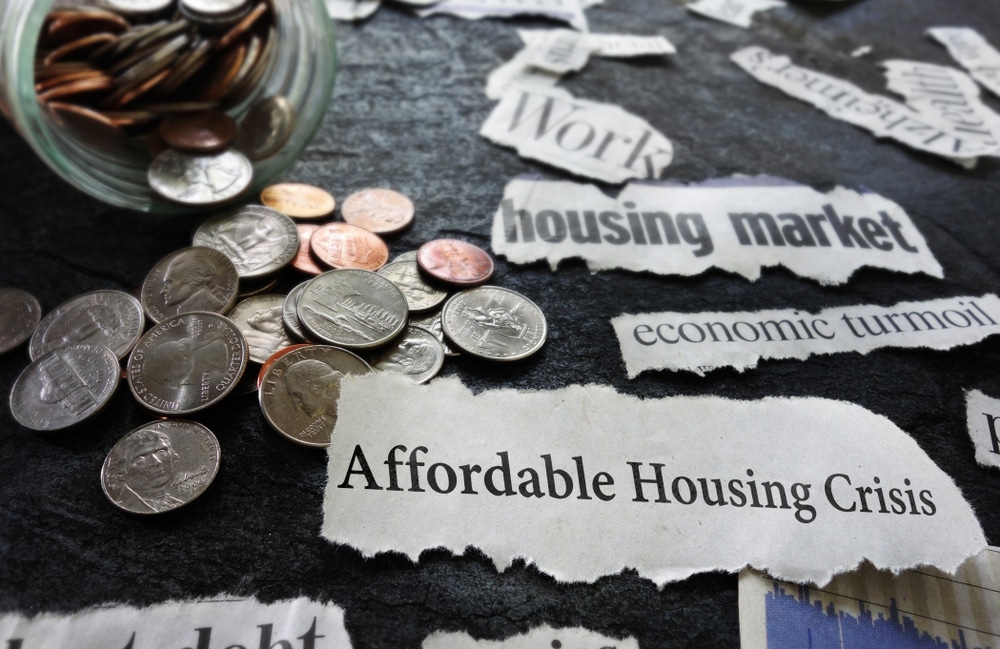
As LendingTree’s chief analyst Matt Schulz put it, “Buying a home is little more than a pipe dream for most 20-somethings in San Jose, New York, and Los Angeles.” Even with better-paying jobs in those cities, soaring prices and stagnant wages have left most young Americans permanently priced out.
And that’s before factoring in student loans, credit card debt, or the simple cost of existing groceries, childcare, and rent. It’s no wonder that more Gen Zers are turning to side hustles and financial therapy TikToks just to cope.

A global generation locked out
The housing crunch isn’t uniquely American. From London to Tokyo, young people across the world are facing the same disheartening equation: high costs, low wages, and virtually no path to ownership.
Across Europe, homeownership among 25–34-year-olds has dropped from 25% in 2005 to just 11% in 2018, according to Worldcrunch. In countries like Spain and Italy, young adults are now more likely to live with their parents well into their 30s.
Meanwhile, in Greece, the average person doesn’t move out until age 30.7. Rising rents and the 2008 financial crisis’s fallout make independence harder. In the U.K., nearly two million aspiring homeowners have given up. Many are convinced they’ll never afford a house.
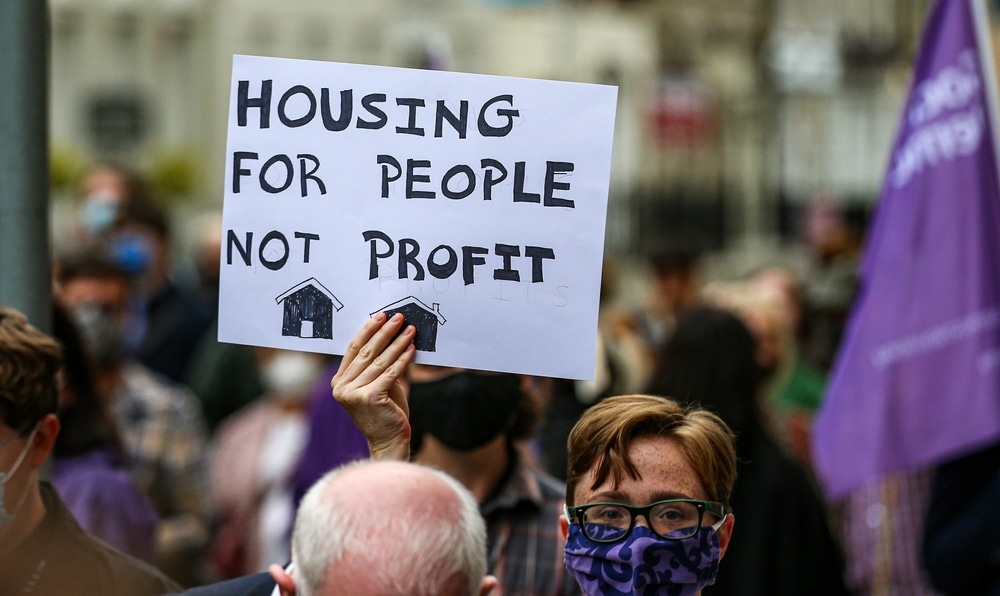
Meanwhile, in Australia, one of the world’s least affordable housing markets, the average home price recently surpassed 1 million Australian dollars, roughly $652,000 USD. “The Australian Dream,” once synonymous with suburban comfort, now feels like a punchline for younger generations.
Across these economies, housing has morphed from a source of security into a symbol of inequality, a visible gap between those who got in early and those perpetually shut out.
“Just stop buying lattes” Isn’t the problem
Older generations love to mock Gen Z’s financial despair, often reducing it to “irresponsible spending,” as if one less coffee could make up for a 30% rent hike. But the data tells a different story.
Since the 2008 crash, housing construction has lagged far behind demand. Fewer homes were built, investors snatched up inventory, and mortgage rates, still hovering around 6–7%, have turned ownership into an extreme sport.
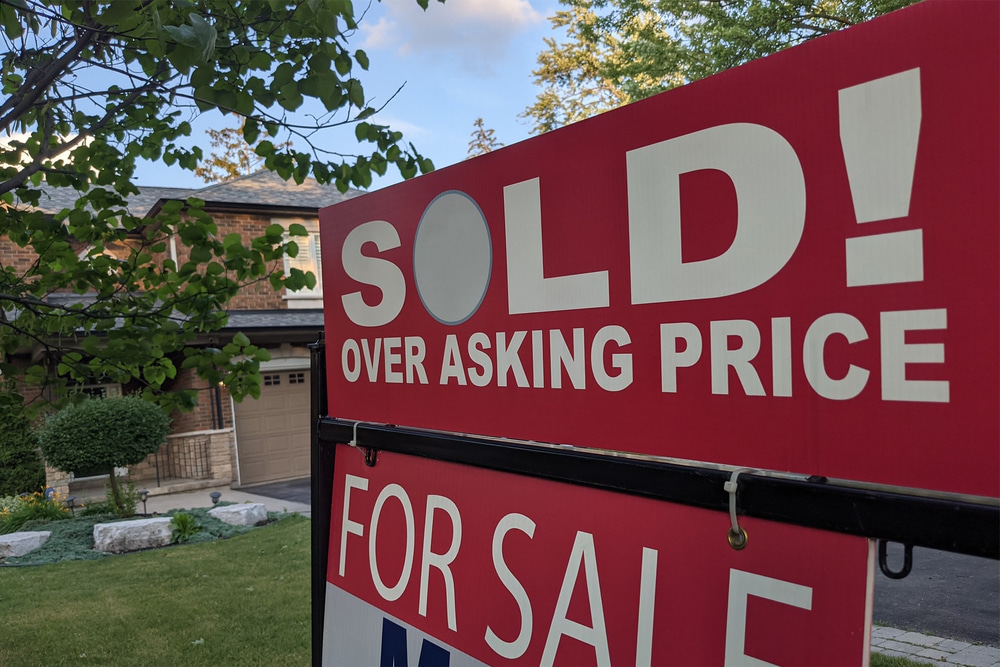
For most young people, the “starter home” no longer exists. Renting isn’t cheap either: across the U.S., average rents have reached historic highs, with young adults devoting an outsized share of their income to housing. A 2024 Redfin report showed that rent affordability hit its lowest point in two decades.
The social impact is deep. Many in their 20s and early 30s are delaying major life milestones, marriage, kids, even pets, simply because they can’t afford space. The idea of settling down feels like a luxury item, not a life stage.
Adapting, rethinking, and getting creative
Still, Gen Z isn’t exactly giving up. They’re getting creative. Some are co-buying homes with friends or moving to more affordable regions. Others embrace the “digital nomad” lifestyle to escape rents. Many are turning frustration into cultural commentary through TikToks mocking landlords or memes declaring “forever renting” as a lifestyle. Online threads now swap survival tips on living decently while housing remains out of reach.
Even the definition of success is shifting. For many, stability doesn’t come with a deed; it comes with freedom: flexible work, experiences, or simply being able to pay bills without panic.
The rewritten dream
The housing crisis has done more than delay homeownership; it’s redefining it. Across generations, owning property was once synonymous with adulthood and achievement. For Gen Z, it’s an option few can realistically pursue.
But out of frustration comes clarity. This generation isn’t just mourning the death of the white picket fence; it’s questioning whether it was ever a dream worth chasing.
Homeownership may no longer be the measure of success, but the desire for stability remains. The only difference is that Gen Z is learning to build it on their own terms, one rented apartment, one side hustle, and one viral meme at a time.