Over the years, AI has become more popular among the younger generations, using platforms such as ChatGPT to write essays. Have you ever wondered whether you are using these sites to potentially make illegal content?
Artificial Intelligence Also well known as AI. Created back in 1956 at John McCarthy’s Dartmoor College Workshop, he was later referred to as ‘the father of AI’.
The term artificial intelligence was coined by McCarthy in 1955, a year before the product came out.
AI had a popular comeback in early 2023 with the launch of the popular AI tool ChatGPT.
This platform attracted thousands of people worldwide within the early days of being active. The boost in popularity was due to the developments in generative AI, which could be used for many applications, such as generating essays and images.
Why do we have AI?
AI exists for simply three main reasons, and that is to enhance efficiency, automate tasks and to solve complex problems, in all improving our daily lives without worrying about certain tasks.
Automation and efficiency: AI automates repetitive tasks and can boost efficiency and productivity, by freeing up individuals and organisations to focus on other important activities.
Insights and decision making: AI is able to analyse sets of data to determine patterns, trends and insights that we could not see straight away. This can lead to better strategies and better judgement towards data collected.

Personalisation: AI personalisation is there to help individualise your results. This could be recommending sites for something which you may have previously searched for that contain more accurate information.
Innovation: AI is constantly developing and becoming better and is now driving innovation across the world. its also helping with advancement of new products and services.
What is a deepfake?
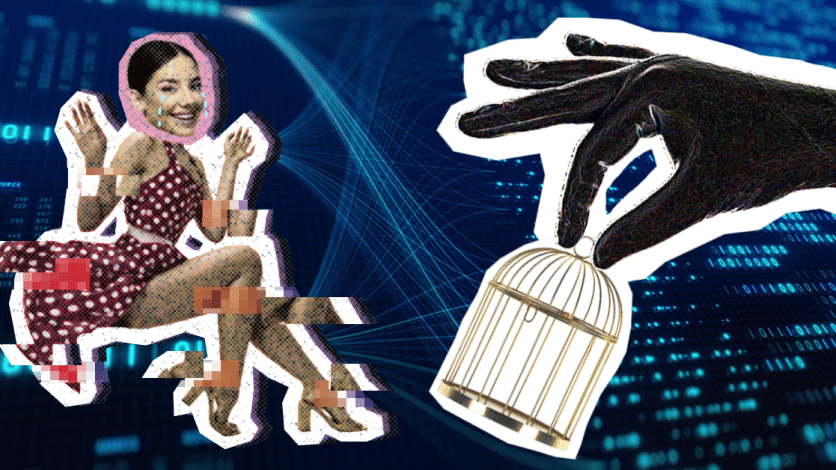
Deepfakes are a type of synthetic media created using AI tools and techniques such as deep learning.
A deepfake is a video, image or piece of audio that has been altered or it can be a direct product of AI to look like something that it never was.
It involves swapping the likeness of a person in an image or video, making it appear as if the person is doing or saying something they did not actually do.
Deepfakes are produced with highly realistic images, videos and audio, leading many people to be concerned about misinformation and privacy.
Deep learning is part of machine learning that uses artificial networks to learn complex patterns of data, such as pictures and videos of people learning a 360 view of them.
Once it collects all of the data needed, it stores the information. It can then be used to create a brand new picture or video that looks 100% real, of the person in the original format.
How individuals are using AI
AI is a great tool that you can use to help you with various tasks in your daily life at home and work.
It is also a fun tool to create funny pictures of yourself and friends in different places or looking like different people.
However some people are taking it a step far and this tool is becoming dangerous.
It could be as little as making someone who is in the limelight say something that never happened or asking AI to make an image of a person inappropriate.
It is all classed as a deepfake.
Recently it has become a regular occurrence that deepfakes are being made and shared around.
Questions and concerns have been rising around laws that make having inappropriate images without consent illegal.
Deepfakes look realistic, however, as they are made with AI. It is, therefore, difficult for the creator to be held accountable for their actions.
What is happening in the UK
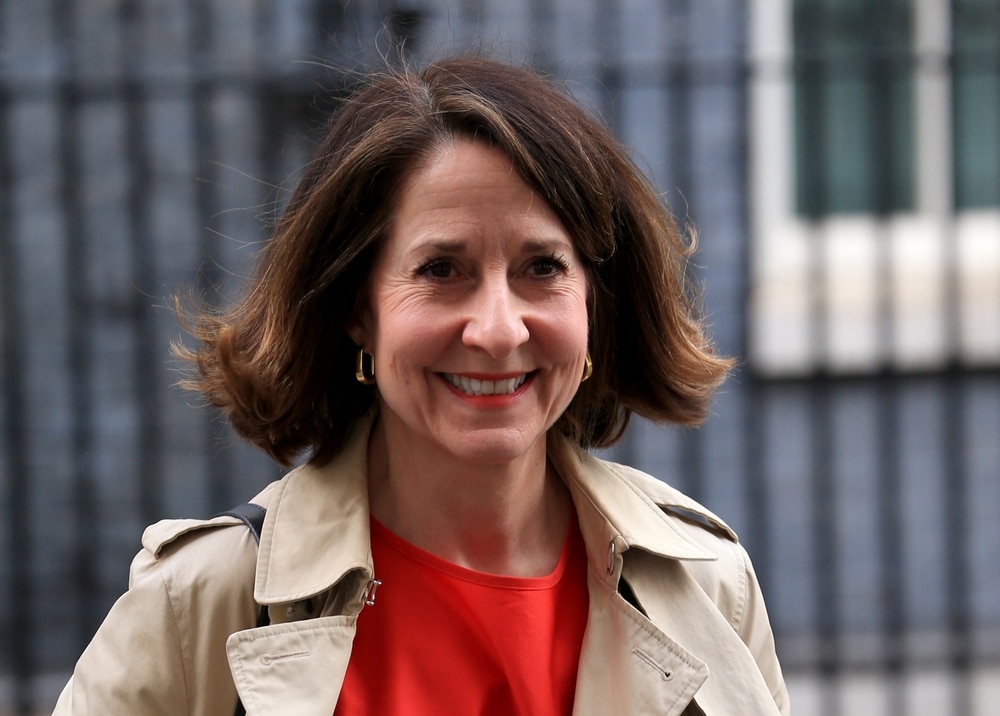
On January 12th, Liz Kendall said in the House Of Commons.
“No woman or child should live in fear of having their image manipulated by technology”.
The AI tools such as ChatGPT, other AI websites and Grok found on social media platform X, can be used by many people to create and share inappropriate, intimate deepfake images.
Kendall said,“ The Internet Watch Foundation (IWF) reports ‘criminal imagery’ of children as young as 11.”
They have seen many reports of photos shared of women in scenarios, and she believes many lives have been devastated by this content
“Which is designed to harass, torment and violate people’s dignity”.
Week beginning January 5th, the social media platform X limited its access to the AI image function. Only allowing paying subscribers to access the AI tool.
Which Kendall passionately explained, “It does not go far enough and is insulting.”
Under the Online Safety Act, sharing images or threatening to share them is a criminal offence for individuals and platforms.
The Data Act was passed last year. This made it a criminal offence to create or request the creation of non-consensual intimate images.
In the statement, Kendall said:
“ Today I can announce to the house that this offence will be brought into force this week and that I will make it a priority offence in the Online Safety Act too.
“This means individuals are committing a criminal offence if they create, or seek to creat,e such content. This is including on X, and anyone who does should expect to face the full extent of the law.”
With this coming into place, the responsibilities don’t just lie with individuals for their own behaviour. Platforms that host accessible materials must be held accountable, including X.
What should happen going forward
AI will always be around us, constantly developing new skills and becoming bigger. So going forward, it shouldn’t have to be a dangerous and scary tool for the upcoming future generation.
But that means using these advanced, revelational and technical tools for what they were made for. Discovering complex data patterns, advancing new products, conducting repetitive routine tasks, and not creating deepfake, inappropriate images and videos of people.