


The political climate in the UK has found itself in a period of turmoil. Traditional political coalitions are fracturing under the weight of deepening polarisation, falling living standards and general dissatisfaction with the way things are.
The voting system is built on the predisposed notion that there will always be two major parties. Until very recently this has been the case.
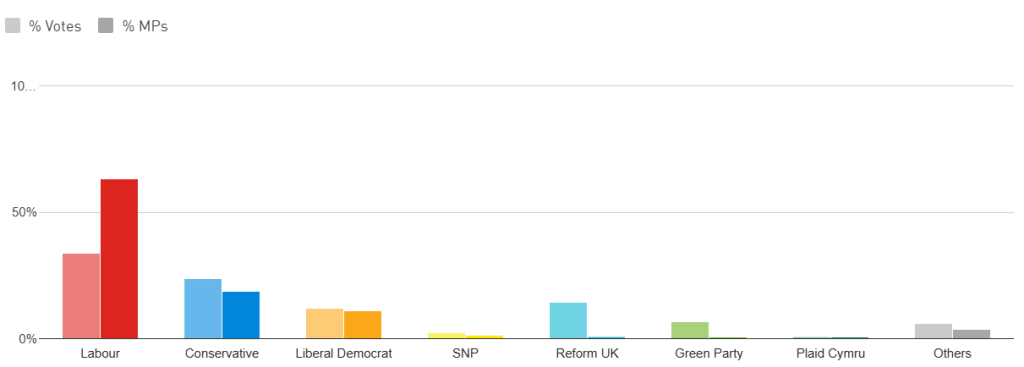
For many there still seems to be no alternative to the duopoly of Labour and Conservative. However, when the country is at a point where governments can win landslide majorities on 34% of the vote, there seems no better time to rethink our system.
First past the post
Despite this, it is unlikely that young people’s views will be represented in Parliament.
This is due to the First Past The Post system. First Past The Post means that the party that gets a plurality of the vote, not a majority, in a constituency wins that seat outright. This lead to the Hendon constituency electing an MP by just 15 votes, with only 38% of constituents voting for him.
The same picture can be seen nationally. Only 34% of people voted Labour at the last election, which gave them 411 seats. In contrast Tony Blair’s landslide in 1997 saw him recieve 43% of the vote, and 418 seats.
Disproportionality is baked into the system.

Traditionally this would be to the benefit of the Labour and Conservative parties. But as new political parties rise, the system becomes unstable.
The First Past The Post system is not built for the multi-party democracy we now find ourselves in. So what are the alternatives?
Proportional representation
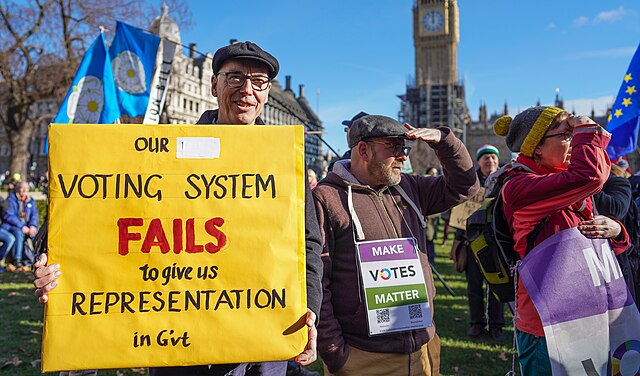
Any system of proportional representation is built on the idea that parties should receive a proportion of seats equal to the amount of votes they receive. This is a simple democratic principle. One that First Past The Post subverts entirely.
Every democracy in Europe, besides Britain and France, uses some sort of proportional system.
Every party outside Labour and Conservative back it.
Labour members have backed the proposal at conference on several occasions. There are MPs in both Labour and the Conservatives who support the change. Scotland, Wales and Northern Ireland already use proportional representation for their local elections.
It is not controversial or radical. Yet Britain’s political establishment seems terrified to engage with the issue.Since the 2011 referendum on the topic, voting reform has all but vanished from the political conversation. Keir Starmer has paid lip service to voting reform in the past, but seems to have shied away from the subject in recent years.
This is despite it becoming more and more relevant as the former big two parties falter.
So what is to be done? What other systems of voting are there, and what do they have over First Past The Post?
Single transferable vote
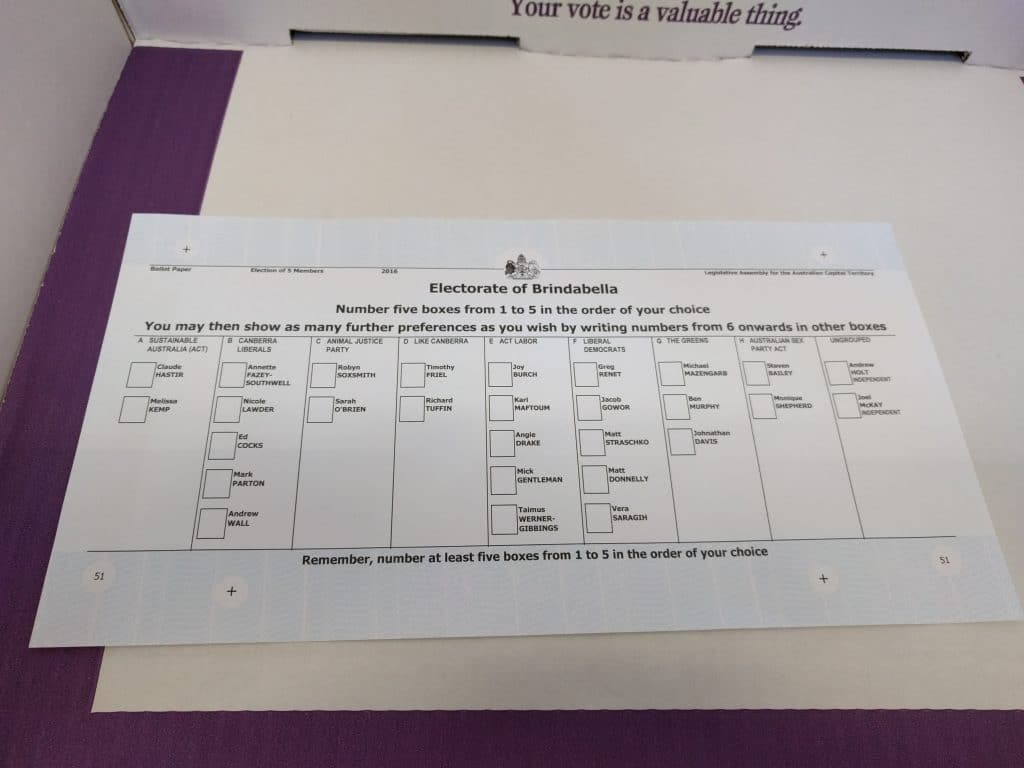
There are several types of proportional representation, Single Transferable Vote being the most popular form in the UK. This system is used in Wales, Scotland and Northern Ireland, as well as the system supported by the Electoral Reform Society.
Single Transferable Vote allows voters to rank candidates in order of preference, with the candidate with the least votes being eliminated, and any candidates who reach the threshold getting elected.
Once that candidate is eliminated, or reaches the vote threshold, second preference votes for people who voted for that candidate are distributed among the other candidates. If your second preference is eliminated then third preference votes are distributed.
The candidate elimination process continues until all seats in an area are filled by candidates reaching the quota.
Usually a Single Transferable Vote system uses multi-member districts, which allows for multiple people to be elected to represent an area, which is bigger than a typical constituency.
The system makes sure that no one’s views are entirely dismissed, and winners tend to be a compromise between voters’ opinions.
Alternative vote
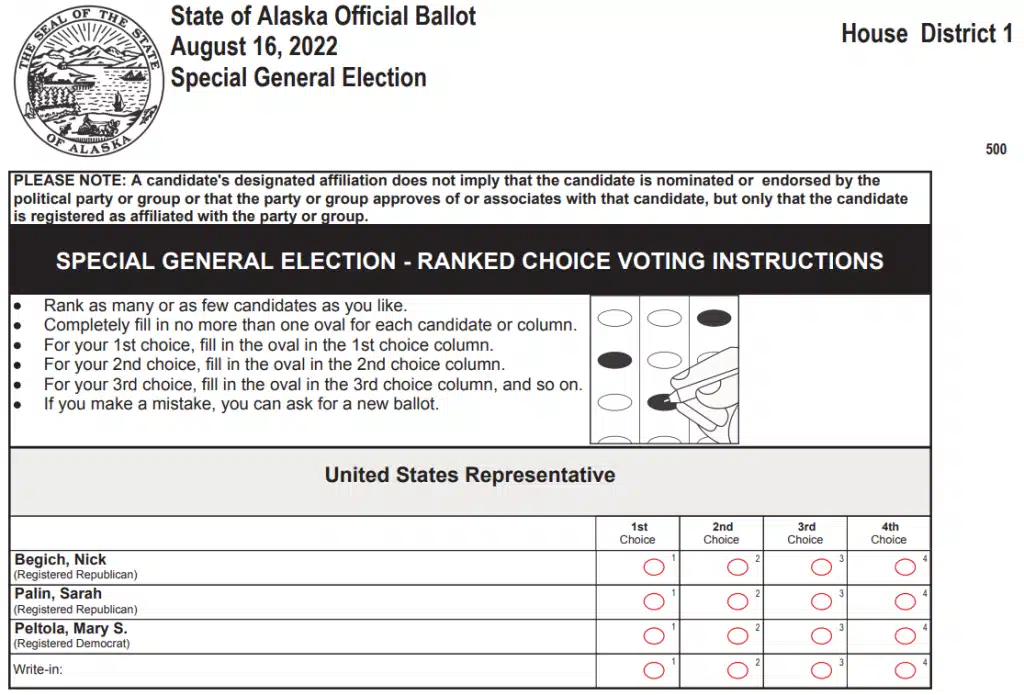
Similar to Single Transferable Vote in that voters rank candidates, Alternative Vote is nontheless far less proportional.
Retaining the single MP constituencies of First Past The Post, voters rank candidates in order of preference. If no candidate recieves 50% of the vote, the candidate with the least amount of votes is eliminated, and their voter’s second choice votes are transfered.
This system was put up to a referendum in 2011, as part of the Conservatives coalition agreement with the Liberal Democrats. The system is also used in the US states of Alaska and Maine.
Alternative Vote is only marginally better than First Past The Post, as it requires 50% of constituents to at least somewhat support the candidate.
There are systems far more proportional than this one, but so far it has come closest to replacing First Past The Post.
List systems
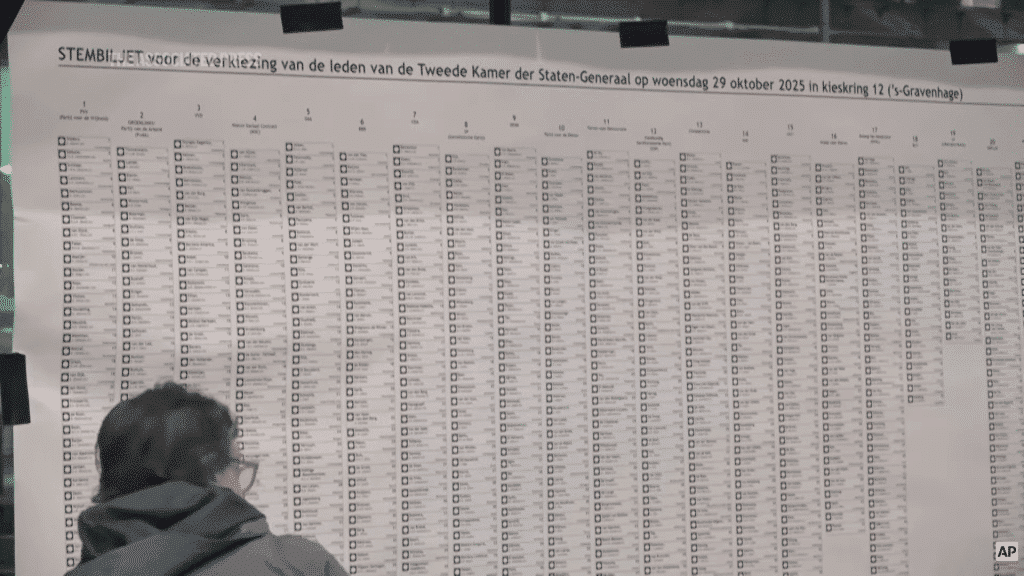
List systems fall under two different sub categories, Open and Closed.
In a Closed List, a voter votes for a party, and the percentage of votes that party gets roughly translates to seats in parliament, typically with some sort of percentage threshold in place.
The party chooses the individual candidates that make it to parliament, which limits how directly candidates can be chosen.
An Open List has the voter vote for the party and then the specific candidates from that party are ranked.
This offers voters more agency over who represents them. This comes with the caveat of it being more complicated when calculating election results
By far the closest to a perfect democracy, List Systems assure many parties get ito parliament. This lead to unstable governments and lengthy negotiations to form coalitions.
Why should gen-z care?
As long as First Past The Post is in place young voter’s views will not be represented. Young people are more likely to vote for third parties, making it more important for them to demand change in our system.
Voting reform isn’t the most exciting discussion, but it is important. Millions upon millions of votes are wasted each election. Governments win bigger and bigger landslides on fewer and fewer votes.
Voting reform can help revitalise trust in government, it can raise up previously ignored voices.
Replacing First Past The Post is the first step on the road to government renewal. It’s one that young people may want to invest some time in.