John Edgar, a journalism and media communications student in the UK, starts most of his days before sunrise and ends them after midnight.
As an international student who wants a better future, he manages all his classes, assignments, and multiple part-time jobs to pay for his tuition, groceries, and rent. The free time he gets between his shifts and the course deadline, he mostly spends worrying about good grades, career opportunities, and when his hard work will pay off.
“There’s pressure from everywhere,” he says. “You want good grades, work experience, money, and stability at the same time. Sometimes it feels like you can never fully rest because there’s always something you should be doing.”
John is not the only student facing burnout caused by academic pressure, financial stress, and fears about the future. Students from universities worldwide are experiencing increased burnout because they feel the expectations placed on them are heavier than ever before.
Students now juggle multiple responsibilities at once. They must study, protect their mental health, network, gain work experience, maintain active social lives, build professional identities online, and prepare for competitive job markets. As a result, society has normalized a culture of exhaustion in which people constantly stay busy.
The pressure to be the “perfect” student

Many students start experiencing burnout when they feel that only attending university is not enough.
The concept of becoming an ideal student is really common now, and it is someone who is excellent in grades, has leadership experience, internships, extracurricular activities, social connections, and a polished online presence.
Social platforms such as LinkedIn and TikTok show you the stories and activities of your friends and strangers. Some of them are sharing their productive routine. While others share the stories of their success. Some are growing online, or some are running a successful side business. Therefore, it is hard to avoid the comparison. “You open social media for five minutes and suddenly feel like everyone else is ahead of you,” John explains. “It makes you feel guilty for slowing down.”

This pressure has created what many students describe as a culture of “always needing to do more.”
Students increasingly feel that every moment should be used efficiently:
- studying,
- networking,
- working,
- building skills,
- or preparing for the future.
This becomes more intense for international students because most of them moved abroad carrying the burden of proving themselves. They also have to fulfill the expectations of their parents or guardians who have invested in them financially and emotionally.
Amara Saeed, an international student, says that living away from home adds another layer of emotional exhaustion. “You’re trying to survive in a completely different country while also making sure your sacrifices mean something,” she says. “You don’t want to disappoint anyone.”
Financial Stress Is Fueling Student Burnout

Student burnout is caused by students trying to balance their university life while managing their money. The costs students have to pay to continue their full-time studies, rent, transport, groceries, tuition fees, and bills have made university life difficult to manage financially.
For Arooj Fatima, an international nursing student in Australia, “balancing studies and work has become emotionally and physically exhausting”.
“Nursing itself is already demanding,” she says. “But when you add long work shifts and financial stress on top of it, it becomes overwhelming.”
Just like many international students, Arooj works part-time while completing a challenging degree, managing between clinical placements, coursework, and job responsibilities.
“You constantly feel guilty,” she explains. “If you’re not studying, you think about assignments. If you’re not working, you think about money.”
Higher studies are expensive, and not every student can afford them. Therefore, making mistakes is not an option. This financial pressure results in students thinking that university life and completing their degree is an investment that needs to be successful.
This mindset often pushes students to overload themselves with work, extracurricular activities, and career-building opportunities in an attempt to make their degree “worth it.”
“You remind yourself why you came here,” Arooj says. “You want a better future, but sometimes the process becomes mentally draining.”
The struggle to maintain a balance between succeeding in academic life and surviving financially leaves students in a cycle of stress and exhaustion.
The Fear of Falling Behind in a Competitive Job Market
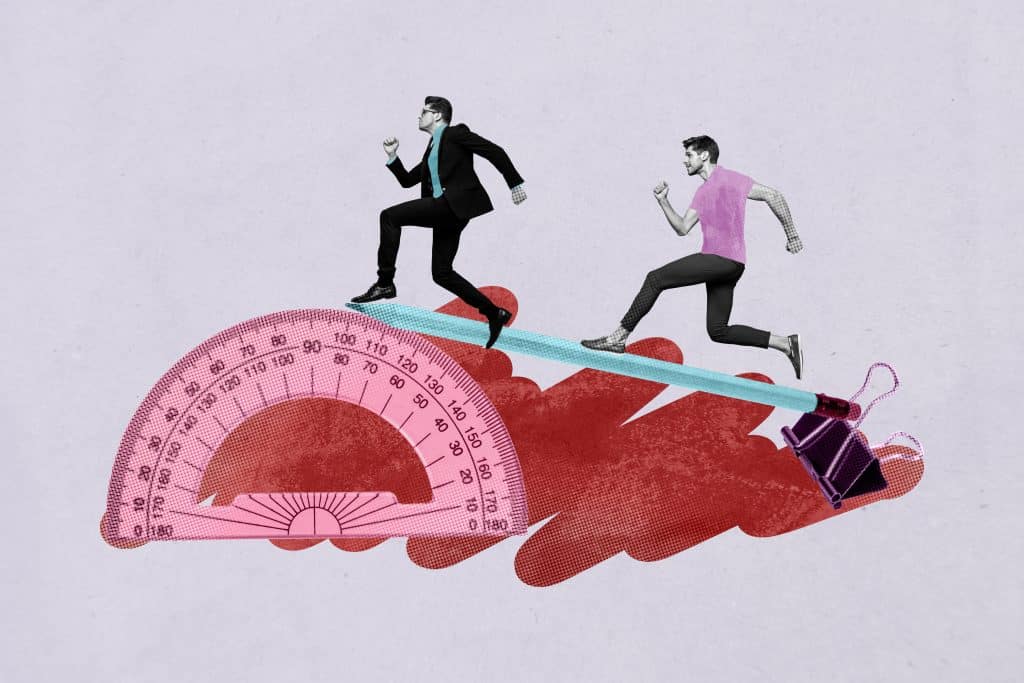
The burnout does not end at academics and finances; instead, many students feel that the biggest burnout is stress about life after graduation.
Today’s job market feels increasingly competitive, “especially for young graduates entering industries where experience is expected before securing entry-level positions”.
There are so many things students need to do now, rather than just limiting themselves to building impressive CVs. Such as internships, volunteer work, networking events, certifications, side projects, and online portfolios. All before finishing university.
Maryam Zulfiqar, a textile design student from Pakistan who has just graduated, is uncertain about employment, as it has become a major source of anxiety.
“I’ve applied for so many jobs during my degree,” she says. “I wanted experience while studying, but it’s difficult to find opportunities that fit around university.”
She says that as the time for graduation is approaching, the stress to secure a good job has increased. She even thought of building her career as a social media influencer like many other Gen-Z graduates.
“It feels like everyone needs multiple options now,” she explains. “A degree alone doesn’t feel safe anymore.” This idea is not limited to Maryam; it has become a reality among Gen Z students. Worldwide, many students have left traditional career paths and chosen options like freelance work, content creation, or online personal branding. Social media platforms have played a major role in amplifying hustle culture, resulting in burnout, as audiences now see and reward productivity.
Influencer culture exposes students to success stories that motivate them to pursue financial growth because they see it as more rewarding and secure than traditional pathways. Contrary to this bright side, this culture also produces a constant pressure to work, produce, and market themselves.
Maryam says, “The fear of being left behind can become emotionally exhausting. “You feel like you need to do everything at once,” she says. “Study, work, build a future, stay creative, stay relevant, it becomes too much.”
Conclusion: Why This Conversation Matters
Student Burnout has become a social issue, no longer limited to the individual but shaping the mindset of an entire generation.
Today’s students are a part of a world that believes success is achievable if you are consistently productive. Students are expected to achieve academically, survive financially, prepare professionally, and maintain a social identity online, all at the same time.
For students like John, Arooj, and Maryam, burnout is not because of poor time management or laziness. The consequences of struggling to meet all these expectations are not only overwhelming but also compounded by the pressure to find a stable career.
Their stories highlight a darker reality for many students. Students are suffering quietly every day, fearing falling behind and the exhaustion that comes from constantly trying to secure a better future.
Universities are focusing heavily on conversations about mental health and well-being. However, several students question whether success should mean sacrificing rest, stability, and peace of mind.