As we move deeper into the 21st century, fashion has increasingly shifted toward a model where branding takes precedence over material substance. It is now common to see garments made primarily from polyester and other synthetic fibers sold at premium prices, often indistinguishable in composition from far cheaper alternatives. In earlier eras, fabric quality played a central role in how clothing was valued, worn, and preserved over time. Today, logos and marketing narratives frequently distract from what actually determines a garment’s longevity, comfort, and performance: what it is made of.
This article explores why fabric remains one of the most important — and overlooked — indicators of value in fashion, how material choices shape wear and durability, and how consumers can begin making more informed, fabric-first decisions.
Why material choice defines quality
Before a garment is styled, branded, or marketed, it is fundamentally a material object. Fabric determines how clothing interacts with the body and the environment — how it breathes, how it moves, and how it responds to repeated wear. These qualities are not abstract; they shape the daily experience of wearing something. A well-cut piece made from poor fabric will still feel uncomfortable, retain odors, or lose its shape over time. By contrast, a simple design executed in a high-quality material can feel effortless and enduring.
Material choice directly influences performance. Breathability, temperature regulation, moisture absorption, and overall comfort are all dictated at the fiber level. Natural fibers like cotton, wool, linen, and silk regulate heat and airflow in ways synthetics struggle to replicate. They respond to the body rather than trapping it, making them more adaptable across climates and seasons. This functional relationship between fabric and wearer is frequently overlooked in favor of surface-level aesthetics, but it is central to how clothing earns its place in a wardrobe.
Longevity, too, begins with fabric. Clothing is meant to be worn, washed, and lived in, and materials age differently under those conditions. Higher-quality fibers tend to break down gradually and predictably, developing softness or character over time. Lower-quality synthetics, by contrast, often degrade abruptly — pilling, stretching, or losing structure after relatively few wears. This is not to say that all synthetic fibers are inherently poor, but that durability depends on intent, construction, and quality rather than category alone.
Understanding fabric as function becomes especially important in a fashion landscape defined by speed and scale. As trend cycles shorten and price points rise, consumers are increasingly asked to pay more for garments that may not be designed to last. When material quality is deprioritized, clothing becomes disposable by design, regardless of its positioning or pricing. Re-centering fabric in conversations about value allows for a more honest evaluation of quality — one based on performance and wear, not perception.
Understanding fiber quality
Not all fabrics are created equal, and understanding the difference between high- and low-performing fibers is one of the most effective ways to assess quality beyond branding. While no material is perfect in every context, certain fibers consistently outperform others when it comes to comfort, durability, and long-term wear. The key distinction is not price or prestige, but how a fiber behaves once it is worn, washed, and lived in.
Natural fibers and why they last
Natural fibers have long formed the backbone of functional clothing for a reason. Materials like cotton, wool, linen, and silk interact with the body in ways that prioritize comfort and adaptability. Cotton is breathable and absorbent, making it well suited for everyday wear. Wool regulates temperature exceptionally well, insulating in the cold while remaining breathable in warmer conditions. Linen excels in heat due to its airflow and moisture-wicking properties, while silk offers strength, softness, and natural temperature regulation despite its delicate reputation.

What these fibers share is their ability to age gracefully. With proper care, they soften rather than stiffen, mold to the body instead of resisting it, and maintain structural integrity across repeated wear cycles. Even when they show signs of age, those changes feel intentional — part of the garment’s character rather than a flaw.
Synthetic fibers and the illusion of quality
Synthetic fibers like polyester, acrylic, and nylon dominate modern fashion due to their low cost and ease of mass production. While they can serve a purpose, particularly in technical or performance garments, their widespread use in everyday fashion often prioritizes margins over material experience. Polyester, for example, is durable in a technical sense but lacks breathability and tends to trap heat and odor. Over time, it frequently pills, loses softness, and develops a plasticky feel that becomes more noticeable with wear.
Acrylic mimics the appearance of wool but rarely its function, offering limited insulation while degrading quickly. Low-quality synthetics may look acceptable on the rack, but their shortcomings reveal themselves over time, often after only a few washes. This gap between initial appearance and long-term performance is where many consumers begin to feel that clothing “doesn’t last like it used to.”
Blends, context, and intent
Blends are not inherently bad. When used thoughtfully, combining fibers can enhance performance by adding stretch, durability, or structure where needed. The issue arises when blends are used to dilute quality rather than improve it. A small percentage of elastane in cotton denim can improve comfort, but a garment dominated by synthetics with minimal natural fiber content is often optimized for cost rather than longevity.
Reading fabric labels with intention helps clarify these distinctions. Fiber percentages reveal more about a garment’s true quality than branding ever could, offering insight into how it will wear, feel, and age over time.
When branding replaces substance
Branding has always played a role in fashion. At its best, it communicates identity, values, and point of view. But in today’s market, branding often functions as a shortcut for quality, standing in for material substance rather than reflecting it. As consumers face an overwhelming number of options, logos, aesthetics, and brand narratives make decisions feel easier. The problem arises when those signals are no longer backed by what the garment is actually made of.
In many cases, price now reflects perception more than construction. Garments across vastly different price points frequently share nearly identical fabric compositions. A polyester shirt priced at a premium may offer little functional difference from a far cheaper alternative, yet branding encourages the assumption that one is inherently superior. Marketing language fills this gap, emphasizing lifestyle, exclusivity, or heritage while material quality remains secondary or entirely unaddressed.
That said, branding itself is not the enemy. Some brands use their identity to support genuine investments in fabric development, responsible sourcing, and long-term wearability. The issue lies in branding that obscures rather than informs. True quality is transparent — it can be seen on a label, felt in hand, and proven over time. When branding replaces substance, value becomes abstract. When branding supports material integrity, it reinforces it.
How to recognize fabric-first brands
Rather than categorizing brands as good or bad, it is more useful to look at which ones consistently prioritize material quality within their core offerings. Many long-established brands built their reputations around function and durability first, and traces of that fabric-first thinking still exist today, particularly in categories like denim, outerwear, knitwear, and shirting.
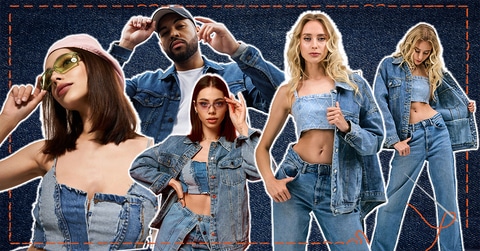
Denim offers one of the clearest examples. Brands like Levi’s and Wrangler built their identities on sturdy cotton twill designed for work and wear. Their higher-quality lines and rigid denim offerings continue to rely on heavyweight cotton, often without heavy synthetic blends. These pieces tend to age visibly but honestly, creasing, fading, and softening rather than losing structure altogether. Their enduring appeal has less to do with branding and more to do with how the fabric performs over time.
In a more elevated context, brands like Ralph Lauren demonstrate how material choice can support a lifestyle narrative rather than replace it. Across tailoring, knitwear, and shirting, the brand continues to use wool, cashmere, linen, and cotton as foundational materials. While trend-driven pieces exist, many of its staples — oxford shirts, wool sweaters, tailored trousers — are defined by their fabric as much as their aesthetic. These are garments designed to be worn repeatedly, not cycled out after a single season.
What ultimately makes a brand worth buying from is not trend alignment or cultural relevance, but repeatable material integrity. Brands that clearly disclose fiber content, rely on natural materials for foundational pieces, and design around how clothing is actually worn tend to offer better long-term value. Learning to read labels, understand fabrics, and prioritize performance over perception gives consumers something branding never can: control. In a market built on speed and image, choosing fabric first is one of the few ways to step outside fashion’s cycle of disposability.