Throughout fashion history, different prints and the use of patterns have become trends and outlets for expression. They have reflected cultural shifts, economic issues, advancements in technology, and personal identity.
Today, there is a constant cycle of trends. Animal prints, polka dots, and stripes are all prints and patterns that have been popular throughout different fashion pieces. From dresses to accessories, they add an elevated element to pieces that shift them from basics to statements.
This is not a new cycle. From the 1920s on there have been trends in patterns that have allowed people to stand out and represent the current era of time.
Rise of patterns in the Roaring 20s
The 1920s, often referred to as the Roaring 20s, had a style that is easily recognizable to this day. There was a distinct difference between daywear and nightwear during this time.
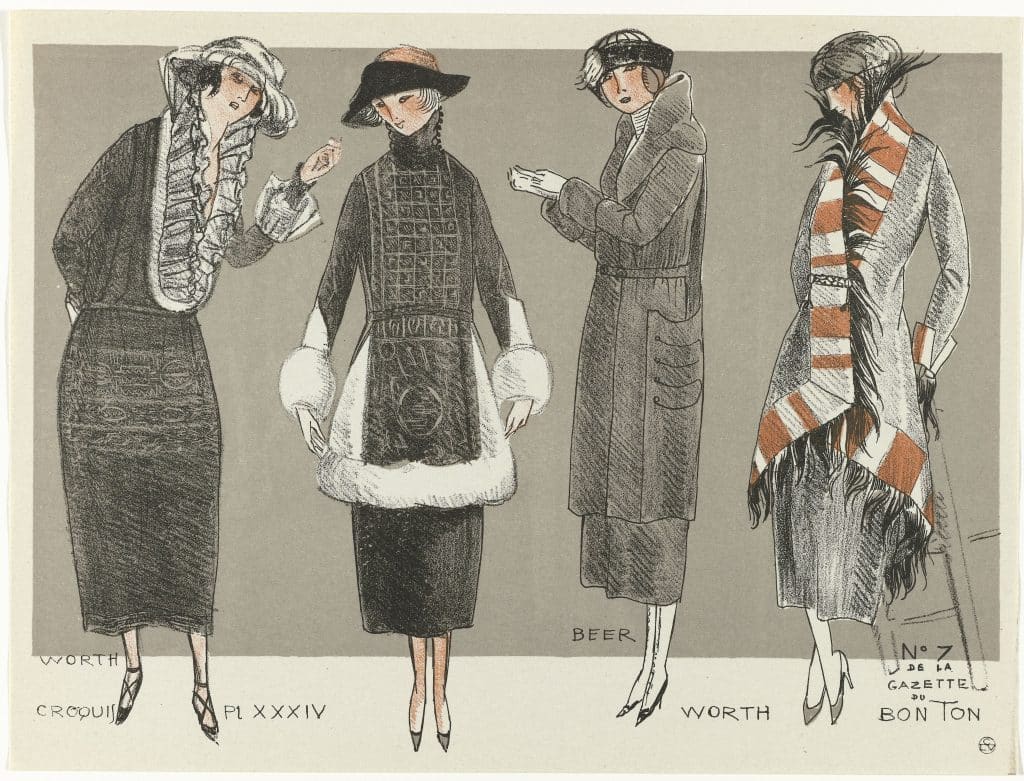
Modest styles were standard for this time period, so daywear consisted of neutral tones and basic patterns. These pieces maintained modest, knee-length looks. There wasn’t a focus on wearing statement pieces or being flashy during the day.
However, the nightwear allowed more room for expression. Shifting from the neutrals of the day, polka dots, florals, and stripes were paired with rich, darker tones for nightwear. Embroidered dresses were extremely popular during this time. This is often what people picture when they think of the looks of this decade.
This allowed women to find pieces that were one of a kind and tailored to their personalities. The prints allowed them to wear pieces that had a more glamorous feel to them.
Reinventions of the 1930s
In the 1930s, economic issues and the Great Depression had an impact on the fashion industry. The difficulties of the time left people to get creative with the resources that were available. Because of this, many of the pieces that people wore were handmade.

Prints still kept their popularity, but they were often reworked from the previous decade. This kept floral embellished prints popular. The modest style of fashion was maintained throughout this time.
Fun, conversational prints also made their way into this era. These often showcased landmarks, such as the Eiffel Tower, and jungle prints, such as zebra. This allowed more room for people to add personality to their fashion choices.
Since the resources were hard to come by, it was important to create pieces that were loved and able to be worn consistently. However, this did not diminish the urge people had to wear pieces that felt elegant and glamorous.
This decade really showed the way that world issues can influence fashion and how people perceive it. The effort to continue creating looks that felt personal despite the hardships emphasizes the importance of having different styles and prints. They allow people to still find styles that showcase their individuality.
Rationing and revival of the 1940s
This decade faced more challenges due to World War II. Similar to the previous decade, the war significantly affected fashion production. There was an increase in fabric shortages and rationing, leading to similar prints becoming popular throughout the era.
There was also a shift in the societal standards of fashion, allowing it to be seen as acceptable for women to wear slacks and trousers. This allowed for more expression and pieces to be utilized for the women of this time.
Although the decade faced struggles, there was a rise in creativity towards the end of the decade. The later years strongly revived prints in fashion, showcasing fun styles. They became more common as well. Rather than having certain pieces, such as nightwear, showcase prints, they shifted to being seen in all aspects of fashion.
Smaller dot prints, plaid, stripes, dainty brushstroke florals, abstracts, and paisleys were all popular during this time. These were seen on all kinds of garments for women, as well as gaining popularity in children’s clothes.
This rise in creativity and love for prints was due to advancements in revitalized textile production. These innovations allowed for more opportunities and optimism in the world of fashion.
Femininity and statement pieces of the 1950s
This decade offered more freedom in fashion. Shifting from the expectation of the past decades, there were more opportunities for women to wear sportswear and expressive pieces. Although they maintained modest lengths and styles, it was a pivotal decade for women in fashion.
Daywear typically consisted of solid colors and florals. This maintained the idea of day looks being simple and subdued compared to more eccentric nightwear.
The nightwear saw colors such as hot pink and peacock blue. The prints that were worn during this era were playful and expressive, widely appealing to the youth culture of the time. Poodle skirts became a prominent look in women’s fashion.
Novelty prints were also prevalent. Polka dots, landmarks, and animal prints flourished throughout the decade.
This allowed women to wear fun pieces that typically wouldn’t have been seen in previous times. Prints offered an outlet to showcase styles that were fun and personal to the person wearing them. It shifted the perception of fashion from being practical to being expressive.
Prints as a political voice
The 1960s fashion styles were heavily influenced by the political state of the world. During this time, hippie and flower power movements of peace were pivotal. People began to allow the movements that they were passionate about to influence their styles.
This era was iconic for bright, floral patterns. They were seen on all types of pieces, including tights, dresses, skirts, and heels. Leopard print, tie dye, florals, and peace signs became standout styles.
These styles revamped bright and bold colors in fashion. Shifting from neutral palettes that were seen among past decades, there was a newfound love for colors that stood out. Prints became direct expressions and were utilized in new, creative ways.
This influenced the way that prints existed in fashion. It allowed people to get more creative with accessories, such as tights, in ways that were not seen before. Serving as a cultural symbol, it also emphasized the power that fashion has to express oneself and one’s values.
Patterns of a cultural revolution
Fashion continued to be closely connected to political movements during the 1970s. Protests were happening regarding the Vietnam War, women’s rights, LGBTQ+ rights, and environmental issues. The hippie trends still maintained popularity throughout this time.
Prints reflected similarities between these two decades, with florals and animal prints still being in the loop. The color scheme slightly shifted from bright colors to earthy shades such as browns, mustard yellows, and dusty oranges.
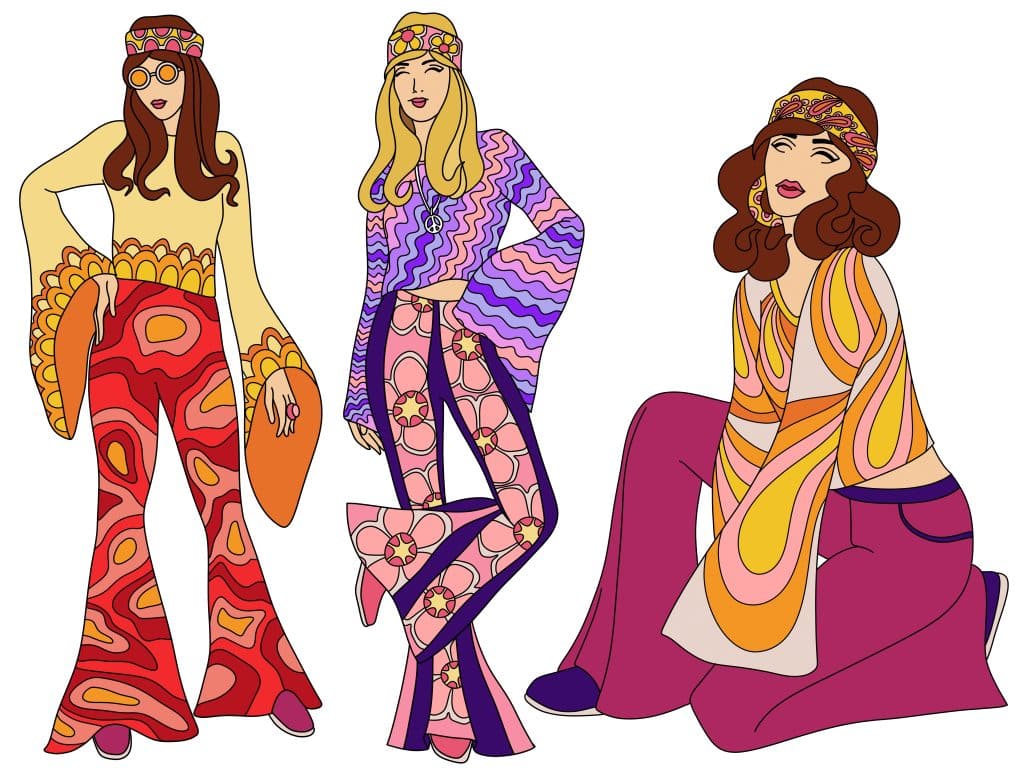
This decade’s fashion was also influenced by music. Popular artists often kept certain patterns alive within their fanbases. The Beatles sparked popularity in the paisley print throughout this era.
Genres like disco and rock created styles of their own. The music that people listened to directly influenced the way they chose to dress. Their looks aligned with the artists and the vibes of the music they loved.
The 1970s further emphasized the need for expression in fashion. People are compelled to wear pieces that represent themselves and the things they love. Whether it is music or political ideals, fashion is a way to speak without opening your mouth.
Electrifying prints of the 80s and 90s
The 1980s and 1990s were very similar in their love of prints. Although they had some differences, they were a significant rise in fun prints in all aspects of fashion.
The 80s are known for their cartoony styles, Hawaiian prints, and a costume-like approach to fashion pieces. The iconic bright, neon colors were seen among all of these prints and patterns. The start of the 80s was subdued, but as the decade progressed, the colors became brighter.
Women were more interested in wearing shorter, fitted styles. They were able to find more freedom in pieces, straying much more from the societal standards seen throughout the past decades. Although some of the decades saw slight changes, this was a pivotal decade for women going forward.
Music continued to be potent in the fashion world. TV also became extremely influential. Since it became easier to produce and release music videos, people found inspiration much more quickly. This allowed trends to become more fast-moving.
Many of the popular prints and styles of the 1980s carried over into the 1990s. This decade was further influenced by the media. The media and celebrities that were popular at the time heavily influenced everyday looks.
Y2K styles
The 2000s fashion was heavily influenced by music and subcultures. Listeners of different genres repped different styles that aligned with the music. Emo, rap, and rave looks gained popularity during this decade.
Brands also began to look for pieces that made them stand out to the consumer. Utilizing prints that have existed in previous decades, they incorporated their brand name and image to create a style that was specific to them and their products.
Juicy Couture, Ed Hardy, Victoria’s Secret, and Von Dutch were all popular examples of this. Ed Hardy often used camouflage prints and brand symbols to create iconic statement pieces. Juicy Couture became iconic for using bright colors and sequins to create pieces that stood out amongst competitors.
This era was famous for reworking previous fashion trends and creating something fresh. Influences of the 80s and 90s were extremely visible, but they were reworked enough to stand alone and make Y2K so widely recognizable.
Trends of the 2010s and 2020s
Throughout the past few years, trends have become more fast-moving than ever before. In the past, trends typically spanned over an entire decade. Although they shifted as the years progressed, they were often able to be seen as a whole.
In the 2010s, trends seemed to change year by year. Years like 2016 have been widely discussed for having trends that are individual to the singular year. Makeup, prints, and trends often find popularity and are replaced by the new ones all in a short period of time.
Animal prints have become a cycle throughout these years. Cow print, leopard print, zebra print, and more have all had life spans in the fashion world before being replaced with the next big thing.
Fast fashion has made it easier for these trends to be so brief. In the past, fashion was reliant on resources and technologies of the time. However, fast fashion has allowed mass production to offer customers cheap pieces.
This allows people to be less concerned with investing in pieces that are going to stand the test of time. Instead, they could purchase pieces that are popular at the time and not have to feel bad if they don’t wear them after the trend dies down.
Prints have also maintained their popularity through the rise in individuality of style. During the pandemic, people got experimental with their fashion choices. Free from outside judgments, they were able to find the styles they love without having to worry.
This attitude shifted the way that people perceived fashion. After the pandemic, people valued individuality in style and wore more pieces that showcased their individuality. Instead of following societal standards and trends, people are more willing to showcase their personal styles regardless of outside expectations.
Looking to 2026
There are many predictions for the trends that are going to be popular in the coming year. Animal prints, polka dots, plaid, and more are all finding their way into the fashion predictions for the rest of this year.
(Image credit/Shutterstock)
There is also a shift in the fashion world, focusing on seasonal trends. Rather than wearing patterns at all times of the year, people have been focusing on certain patterns during certain seasons. Plaids are popular in the fall, while polka dots find their way into spring styles.
People have been incorporating accessories and all kinds of pieces into their looks, showcasing patterns and prints in many different ways.
Regardless of what print finds the most popularity, there is no doubt that they have maintained popularity throughout the last century. Serving as all kinds of different fashion values, they are an ever-changing way to showcase style.