

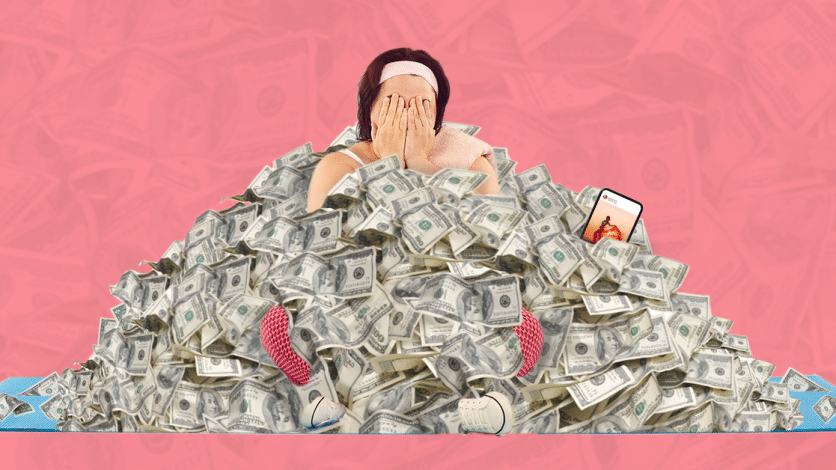
Most individuals care about their mental, physical, spiritual, and emotional wellness. Many people may find it hard to manage stresses and anxieties that come with juggling the struggles of life. Factors such as these can impact one’s daily experiences significantly. Everything seems to be more expensive and money flies away in the wind, even when you’re holding it close. It’s hard to enjoy life when you’re fighting to stay afloat. So when resources are few, what do people turn to?
Our phones often never leave our side, why would they? We rely on them for communication and as our source of entertainment, news, and media. With a click of a button you can completely escape into the digital world.
You’ll be met persistently with ads on platforms like TikTok, Facebook, Twitter, and Instagram. “This crystal water bottle is so cute”, “Your cortisol is too high, take these”, “My course will help you find peace”. Left and right social media users are met with another ad, and another product. Often times playing into consumers’ insecurities with persistent advertisement, eventually receiving their money and subtly altering their spending habits.
Has wellness influencing taken a new face? Is it revolved around healing, transformation, and positive change. Or has it become another monetized illusion of self-care? Putting consumers back into the cycle of what’s potentially causing them the most stress in the first place.
While distinct wellness methods have been used for centuries by cultures all over the world, and the westernization of these methods have exposed other walks of life to these different customs. With the rise of the online market, and its interconnection with social media, influencing more people than ever. It may be doing more harm than good.
Woven wellness
In case you’re unaware of what wellness influencing is, wellness influencing is the concept of social media personalities sharing their experiences, recommendations, and content related to overall health and well-being. Creators can sometimes collect commission in relation to the amount of items sold from the advertisement in their videos. This has cultivated a social environment where some creators put profit over people. But how did we get here?
What was once a niche practice, has transformed into a 6.3 trillion dollar industry. With the earliest records of alternative health residing in ancient Ayurvedic traditions, involving yoga and meditation. And, ancient China using traditional Chinese medicine to take a more holistic approach towards medicine, using methods like acupuncture and tai chi. Promoting harmony over profit. By the 19th century, wellness was building its foundation with physicians such as Maximillian Bircher-Benner, who pioneered nutritional research in the late 1800s.
Fast-forward to the 21st century, and with increased rates of obesity and chronic disease, healthcare cost rose dramatically. Efforts in healthcare shifted towards prevention and wellness, along with the rise and optimization of social media. The screen became the new shopping cart. The wellness industry had been fully stitched into capitalism’s fabric as yoga was stripped from its spiritual roots, becoming dominated by Lululemon leggings and dimly-lit studio memberships. Ancient dietary practices became re-packaged as “superfoods”.

Instead of serving as an alternative to manage the stress that work and responsibilities awards us, alternative health and wellness has been rebranded into an aspirational lifestyle industry, over the years subtly influencing how we perceive wellness.
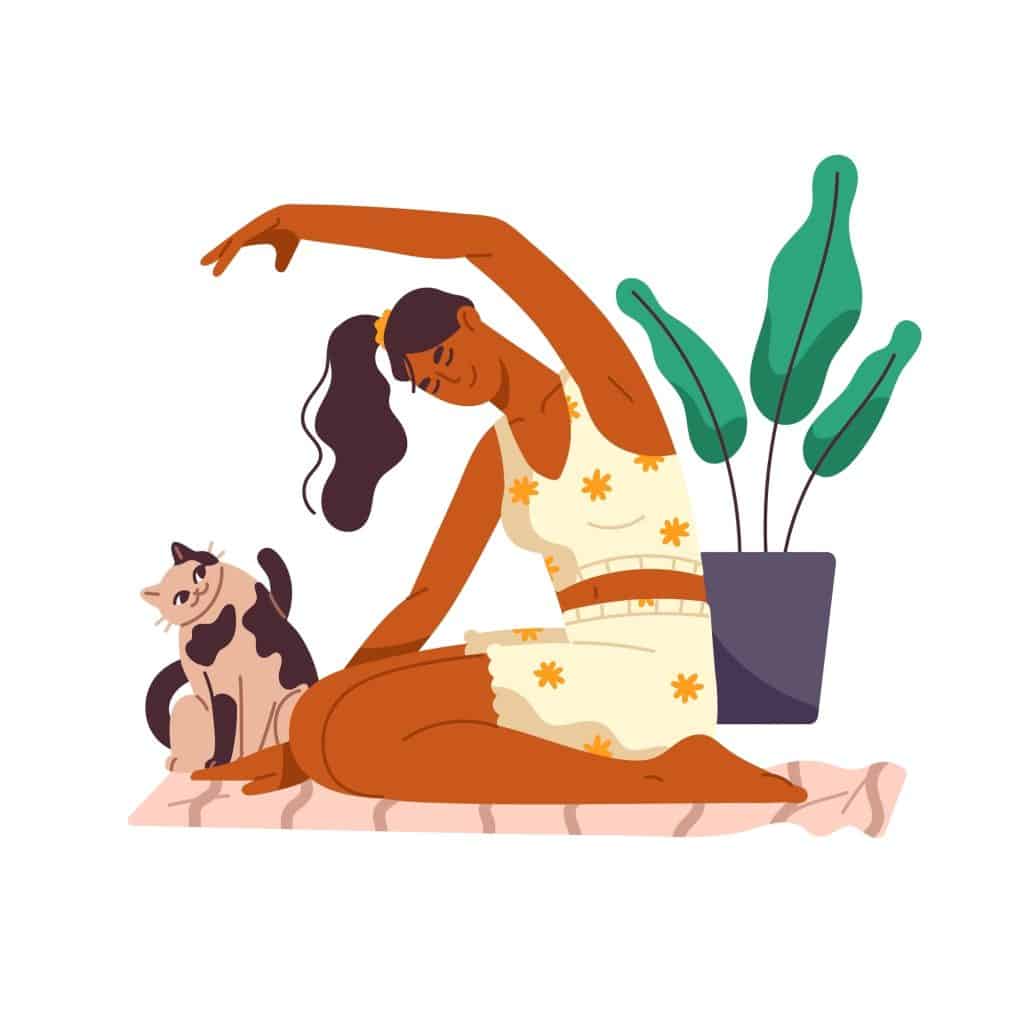
Wonky wellness
You may have asked yourself, what does capitalism have to do with any of this? Great question!
For those who are unaware, capitalism is a system of individuals or private entities controlling means of production to gain profit. While it’s hidden in plain sight, the consequences of capitalism surround us. Often the root issue of many social issues such as wealth inequality, food insecurity, racism, and mental health crises. As these issues thrive on the financial stresses that capitalism causes for most of us.
The most common example of this is the current financial stresses that workers are facing in America. According to the 2023 Wellness Barometer Survey, 92% of employees are stressed about their finances due to economic uncertainty. Stress can play a direct part in consumers likelihood of impulsive spending.
According to the National Library of Medicine, “Previous studies have deduced that in response to stress, consumers may have a stronger preference for compulsive purchases and impulsive purchases”.
A system that intelligently thrives on creating problems, then selling you the “solution”. Wellness influencing thrives in this system as a variety of stresses eat at us day to day. Burntout? Go to a retreat. Work is stressing you out? Take these Ashwaghanda supplements. Lack of proper healthcare? Try this new wellness app.
Wellness influencing says: fix yourself, without considering the deciding factors of systemic failure and not individual responsibility. Rarely does wellness influencing acknowledge structural issues like low wages, student debt, or lack of healthcare. It becomes not about healing but about maintaining an image of health, beauty, and productivity.
The larger problem at hand is not wellness influnecing, influencers, social media, or consumers. The deeper issue lies in wealth disparities and wage stagnation.
Worthy wellness
Wellness does not have to be this way. Beneath the commotion of influencer culture and attractive marketing. Lies the possibility of something more alive, more human. Worthy wellness is not about consumerism and capitalism — it is about practices that restore balance without demanding constant spending.
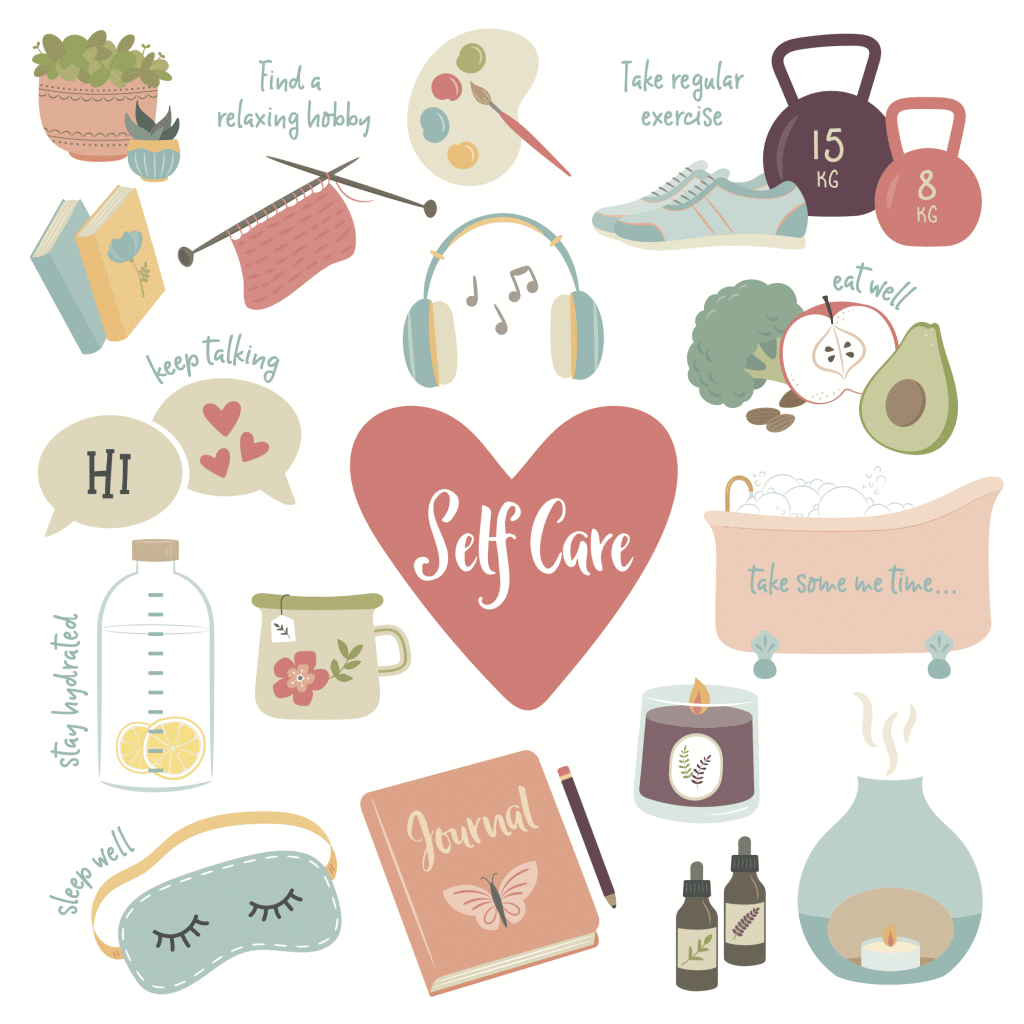
Worthy wellness looks like sleep, time with loved ones, affordable physical movement like walking or dancing, emotional upkeep like journaling, community care, and yes meditation. As a tool rather than a commodity, something you dont have to pay for to receive. It’s about recognizing that rest is resistance, not laziness, in a culture that glorifies overworking yourself.
This kind of wellness also acknowledges systemic realities. True healing cannot come from a retreat or a supplement alone. As much as it sucks to hear, healing isn’t instant. Healing takes small incremental and intentional change from oneself. It comes from building environments that support mental and physical health. That might mean affordable healthcare, accessible public spaces, or workplace regulations that respect boundaries and value health over hard work. Individual wellness matters, but it thrives when collective wellness is prioritized also.
Worthy wellness concentrates on the original aim of wellness practices: connection, reflection, and care. It reminds us that healing is not something you buy, it is something you make, and own.
Conclusion
Wellness influencing thrives because people are desperate for a break. The world we live in is quick, unbalanced, and precarious. Leaving many of us exhausted and searching for balance. That need is valid. But when the only solutions we’re offered as humans comes with a price tag, we’re caught in a loop: The weight of the world causes you stress, that stress fuels consumption, and the cycle continues
That is why you can’t meditate away capitalism. No number of yoga classes or wellness apps can erase the deeper system that drives burnout, anxiety, and detachment. What we can do, however, is differentiate worthy wellness from wonky wellness, to recognize when we’re being sold a delusion and to seek out practices that truly bolster us.
Sometimes that’s spending time with a friend instead of a $150 fitness class. Sometimes it’s turning off your phone, getting off social media, and resting. Instead of buying another productivity tool, sometimes it’s community care instead of individual self-optimization. Buying items aren’t a crime, but put focus on what matters.
Wellness should not be a consumer trap. It should be a human right — accessible, affordable, and rooted in care rather than profit. Until then, wellness influencing will keep trying to sell us peace. But peace cannot be bought.













Jasmine
September 28, 2025 at 1:01 pm
Awesome read & gonna share this in my class. It will help them understand so much more.
Michael Johnson
September 30, 2025 at 12:15 am
Soo informational, love it