Have you ever felt like you were just a number? Between your student ID, the large sums on your tuition bill, and the pressure of maintaining a GPA, it’s hard not to feel reduced to metrics. This is a deeper dive into the experience of college student burnout — and how academic performance became so closely tied to identity.
You are more than your grades. You have dreams, ambitions, and a desire for stability and independence. Maybe you once wanted to be a doctor, a lawyer, or an actor in an upcoming movie. Somewhere along the way, academic superiority became the defining trait — the thing that mattered most.
But when did that happen?
Overachieving Before College Even Begins
Before you even reach your senior year of high school, the pressure starts.
“What do you want to be when you grow up?”
“What school are you going to?”
College decisions begin earlier than ever. Early acceptance applications open in the fall of junior year, when students may have just earned a free period or finally chosen a class they genuinely enjoy — only to be pushed into mapping out their entire future.
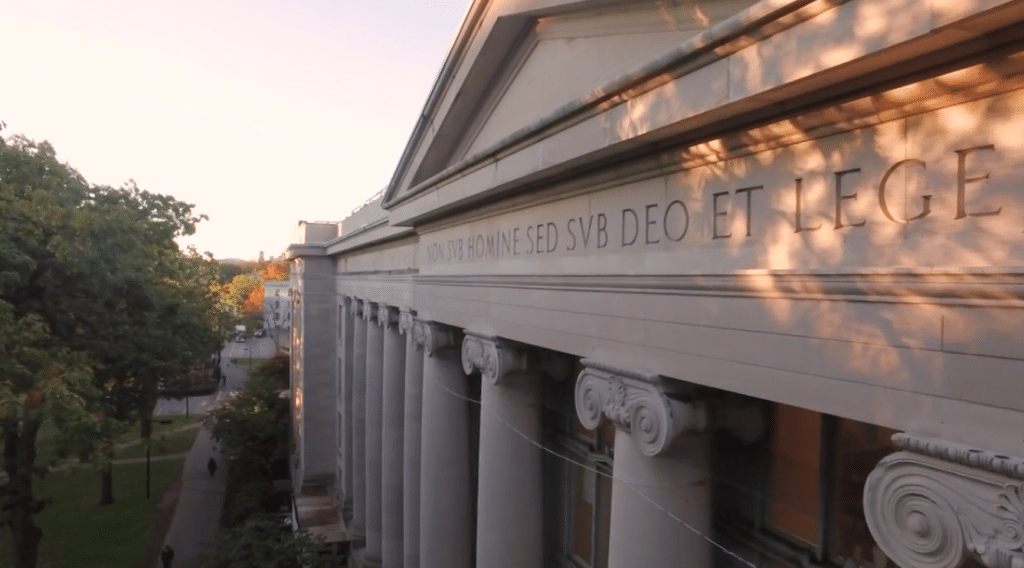
High schools often romanticize higher education, especially elite institutions like Harvard, as the ultimate goal. But that version of college isn’t reality for most students.
We can’t all be Elle Woods — and even she struggled.

Teenagers quickly learn that overperforming isn’t optional; it’s expected. To meet what feels like the “college minimum,” students are taught to take on advanced classes, extracurriculars, leadership roles, and part-time jobs — all while maintaining top grades.
When everyone around you is doing exactly what you’re doing, the deciding factor becomes what you can do better.
High school overachievers — straight-A students, honor roll regulars — often take the hardest hit. Many of them were praised for being “smart” their entire lives. When they enter an environment where everyone is equally capable, that identity begins to crack.
Schools unintentionally force students to compare themselves to other high-achieving peers, and for the first time, some realize they are no longer the best — or even close.
College can be a rude awakening.
It’s not that students suddenly become unintelligent. College challenges students to actually learn — to think critically, manage time independently, and absorb complex material. While high school may have felt manageable for some, college is difficult for nearly everyone.
The shock of starting over
For many students, college is a complete change in circumstances.
You move into an unfamiliar environment, away from established routines and support systems, and are expected to figure everything out — academically and socially — on your own.
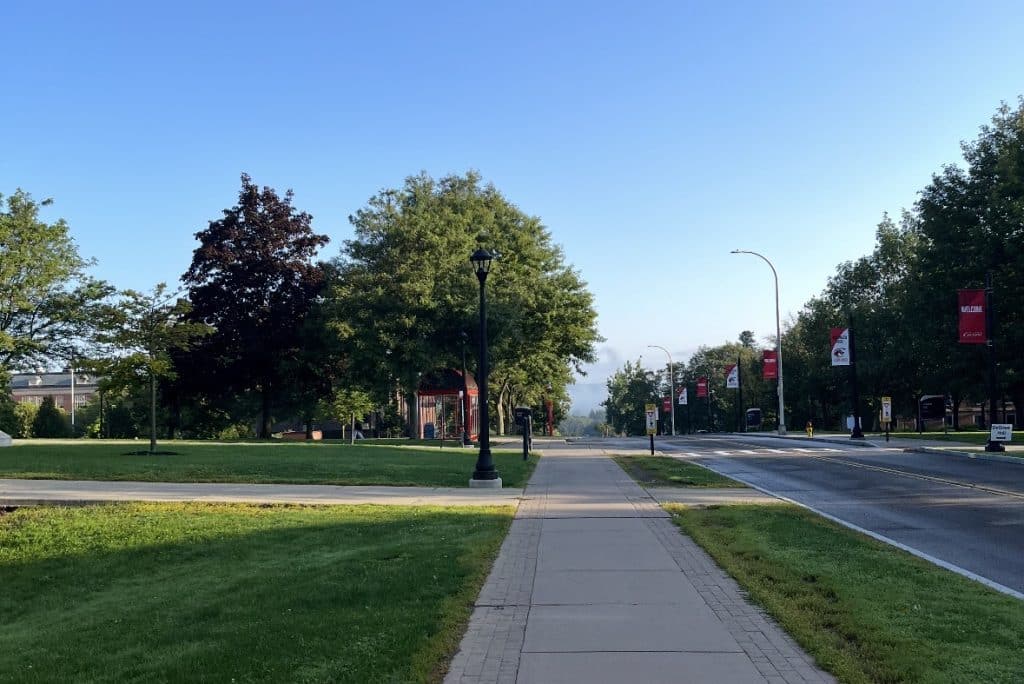
In high school, opportunities to build résumés are everywhere. Student government, honors programs, sports teams, and clubs offer structure and validation. Social events like football games and school dances encourage connection and community.
College, by contrast, is open-ended.
No one knows who you were in high school. You aren’t automatically recognized for your past achievements. You have to reintroduce yourself — and sometimes reinvent yourself — from scratch.
For students who strive for perfection, this can be debilitating. A grade that doesn’t reflect who they believe they are — or who they used to be — can feel like a personal failure.
If no one knows you, how would they know you’re better than a C or D on a paper?
“Nobody’s perfect,” people say — but somehow, students are still expected to exist right on that line.
The Rory Gilmore Syndrome: the pressure to be perfect

Rory Gilmore is often cited as the ultimate “perfect student”: valedictorian, student government leader, and Yale admit. For many viewers who grew up watching Gilmore Girls, Rory represented the reward of academic excellence.
So when her character struggled and dropped out in season six, fans were disappointed. Some called it unrealistic. Others found her frustrating.
But maybe Rory wasn’t unrealistic — maybe she was just ahead of her time, before people had a name for college student burnout.
When someone is praised their entire life for being “perfect,” for being smart, for excelling academically, their sense of worth becomes tied to performance. When that performance no longer sets them apart, it can lead to intense self-doubt and emotional distress.
The “Rory Gilmore syndrome” — being trained to want, and even need, to be the best — creates unrealistic standards that many students can’t sustain.
When you become the representation of something, like the perfect student, people don’t see you as a whole person.

Many students feel this pressure firsthand, and research confirms it’s more than anecdotal.
Bonnie Lane, a graduate with a master’s degree in developmental and counseling psychology, notes that these pressures can have serious mental health impacts.
“A study reported by the National Education Association found that 44 percent of college students surveyed reported symptoms of depression, 37 percent experienced anxiety, and 15 percent said they had considered suicide.“
You aren’t just a number — but these numbers matter.
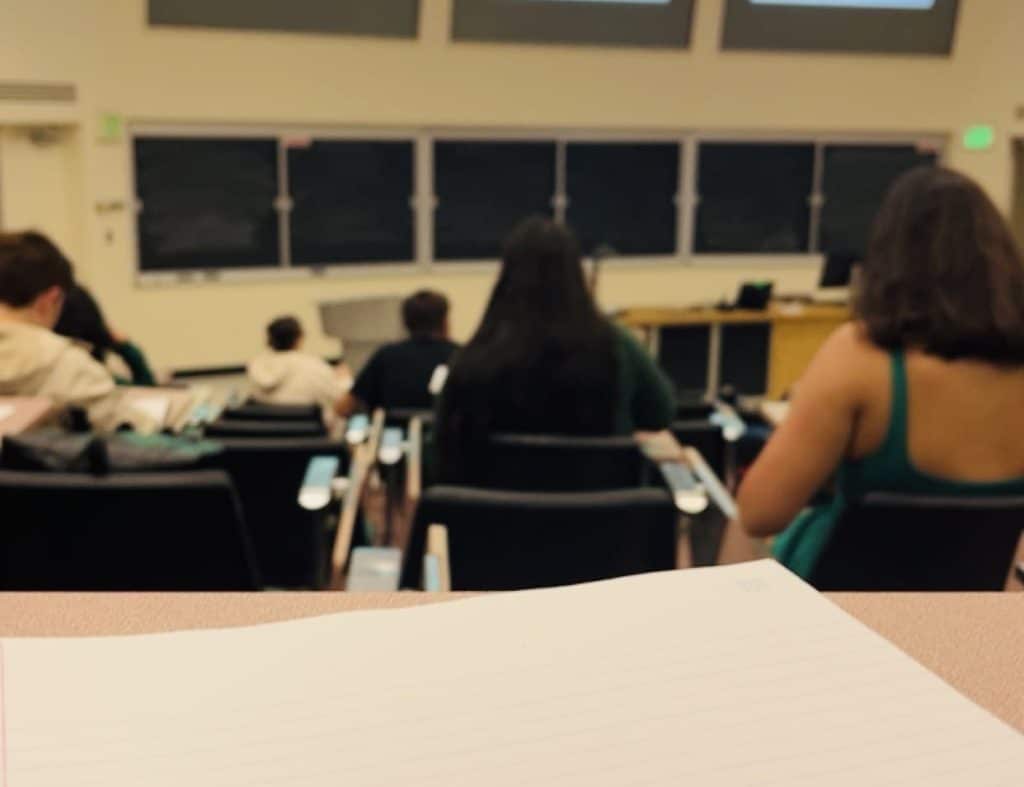
Lane emphasizes the importance of asking students meaningful questions: “Are they resourceful? Can they advocate for themselves when they’re struggling emotionally or socially? Are they aware of their strengths and weaknesses?”
The more honest these conversations become, the more realistic the picture of college life will be.
Rest, recharge, or run away?
College students — especially freshmen — are often drawn to socializing and partying. But at some point, it’s worth asking: is it still just fun, or is it avoidance?
There’s a difference between wanting to unwind with friends after a long day and actively seeking distractions to avoid opening an assignment.
Brain breaks can be productive. As a junior in college, I’ve learned that I work best when I split my time between subjects or set time limits for tasks.
But I was also once a freshman, and sometimes it was easier to avoid stress than confront it.
The partying lifestyle isn’t always glamorous. Sometimes, it’s just escapism.
Jessica Russell, senior academic program coordinator at Kent State University, notes that burnout often comes from taking on too many commitments at once: heavy course loads, part-time jobs, clubs, and sports.
She describes how students begin to tie their personal value too closely to academic validation, making stress feel heavier than it needs to be.
When college students burn out, they often skip the step of asking for help and go straight to feeling like failures.
Russell’s advice is simple but powerful:
“Treat rest like a responsibility. Schedule breaks the same way you would a class or a work shift. Make some of that time truly off — not just more screen time or multitasking. And try to separate who you are from how one semester goes. College is an adjustment process, not a judgment of your value.”
It’s about balance.
You have responsibilities — but you also only live once.
Marketable, but still an individual
As students approach graduation, new anxieties emerge.
Entering the workforce can feel like starting over yet again —becoming a résumé in a pile of thousands. The pressure to appear “put together” professionally while still figuring out who you are can be overwhelming.
Most students graduate in their early to mid-twenties. Navigating career uncertainty, fear of falling behind, and separating personal worth from professional success is daunting.
Being marketable matters. Internships, part-time roles, and relevant clubs can help.

But being marketable doesn’t mean sacrificing individuality.
Knowing who you are — academically, socially, creatively — helps you understand how to present yourself. Confidence isn’t about perfection; it’s about self-awareness.
Your strongest asset as a student and applicant is knowing your value beyond grades.
The brighter side: degrees and possibilities
Remember why you started.
College degrees are expensive, but they are often worth the investment. On average, degree holders earn significantly more than those with only a high school diploma. Beyond income, college builds skills like adaptability, discipline, and critical thinking.

Not everyone finishes college. The workload, expectations, and pressure can be overwhelming — especially at such a young age.
If you made it through, you gave up time, money, energy, and mental endurance to earn that degree.
The phrase “C’s get degrees” may sound silly, but the idea holds weight. No employer knows what grade you got in biology when they see your diploma.
College isn’t about perfection — that’s the misconception.
Perfection is static. Becoming is growth.
Becoming means evolving, learning, and changing — and that’s far more meaningful.
You don’t need to be perfect to be successful. You’re far more interesting when you’re yourself.
A degree opens doors — to careers, independence, and opportunities. And once you earn it, no one can take it away.
Your degree doesn’t define you, but it reflects your resilience.
And if no one else reminds you of your worth, maybe seeing your name on that piece of paper will.
More than surviving — becoming
If it were easy, everyone would do it.
Not everyone finishes college. The classes, the curriculum, can be too much for people, particularly when you’re so young.
You were willing to give up your time, your money, your energy, and your mental stability to become a college graduate.
The phrase “C’s get degrees” is a bit silly, I admit, but the philosophy is entirely true.
No one knows you got a C in biology when they look at the degree on your wall.
College isn’t about perfection, and that’s why most people think they’re doing it wrong.
A misconception. Perfection is an idea, and a stagnant one at that.
“Becoming” means so much more than “perfection”.
Becoming means you’re changing, evolving, and learning — and only the best people do that.
Be open to becoming. You don’t need to be perfect—in fact, you’re far more interesting when you’re yourself.