
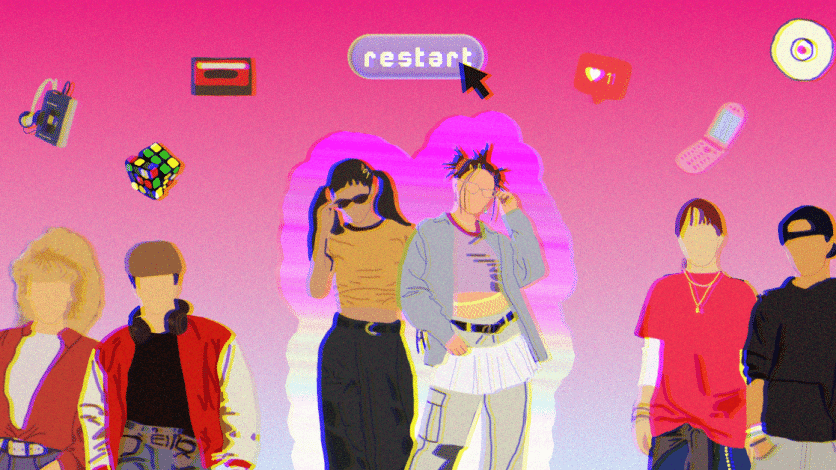
From statement pieces to casual comfort to vintage filters, trends recycle themselves over decades. As a member of Gen-Z, I still feel a strange pull towards the 90s. It’s not something I experienced firsthand, yet it feels familiar.
Psychologists call that feeling anemoia: a sense of longing for a time you never experienced. It often comes from the desire for comfort, stability, and an idealized simplicity.
For Gen-Z, anemoia is very powerful because most of our understanding comes from digital media. We experience tailored, aestheticized versions of the past.
But the nostalgia cycle isn’t random—it’s a pattern. Media and generational shifts drive these waves, bringing back past trends, music, and cultural references every two to three decades. Even for those who never experienced it, nostalgia for a better time can still feel real.
But nostalgia does more than revisit old trends; it helps us form understand ourselves and make sense of a rapidly changing world.
The current nostalgia cycle
Around every 30 years, children who grew up surrounded by a certain style start to reintroduce it into mainstream culture as adults. The influence isn’t a direct memory, but an inherited familiarity shaped by media, culture, and exposure over time.
For example, Gen-Z is deeply inspired by the 80s, 90s, and early 2000s. 80’s Funk and rock music, and the collision of grunge “don’t care” fashion from the 90s are just part of that nostalgia.
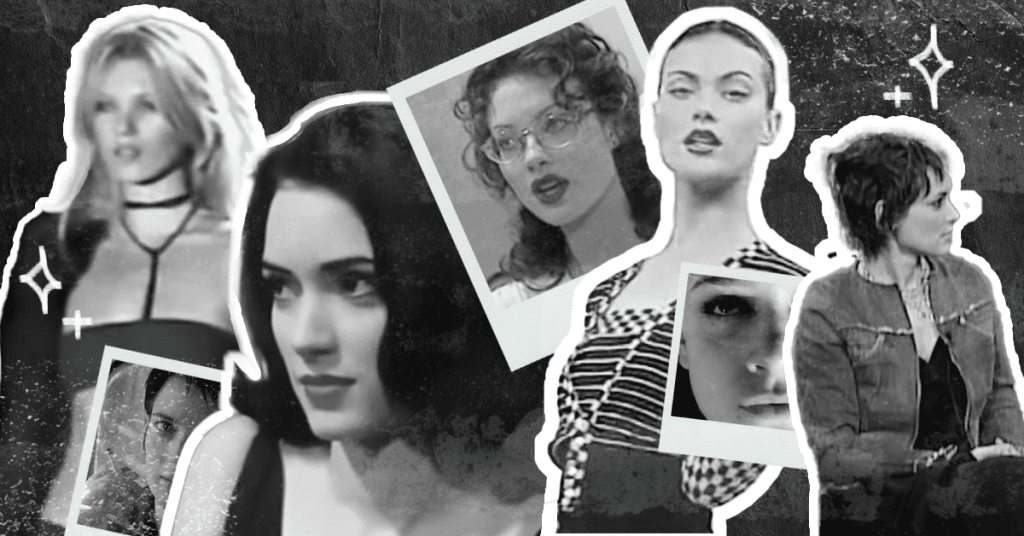
The so-called nostalgia pendulum allows us to reflect on who we are and where we come from, providing us with a framework for navigating the complexities of our daily lives.

Today’s nostalgic revival of (in particular) the 90s and early 2000s mirrors the same cycle as previous generations. Trends like baggy jeans, glitter details, claw clips, and low-rise jeans have all made a comeback, with brands like Juicy Couture and Von Dutch regaining popularity.
However, they have returned to today’s culture because of how they’re presented on social media. Social media has turned these trends into an aesthetic that makes them feel retro and new at the same time. So Gen-Zers like me shape our identities by adapting and reinterpreting a past we never lived through.
But nostalgia also tends to frame the past as simpler—before the rise of electronics, life was supposedly slower and simpler. Social media introduces nostalgia in a way that creates an especially strong longing for a life that feels less overwhelming than the present.
An example: Stranger Things
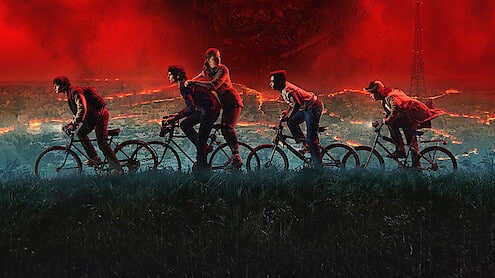
Although this show was created for modern audiences, it is set in the 80s and nostalgically recycles 80s culture. With its childhood friendships, small-town adventures, and imaginative play, this show is the perfect example of our desire for simpler times (monsters or not).
Stranger Things‘ retro style fuels the nostalgia cycle. From games like D&D to artists like Kate Bush and films like E.T., Nightmare on Elm Street, and The Goonies, 80’s culture has found its way into the hearts of Gen-Z audiences.
Even for viewers who didn’t grow up during that time, Stranger Things feels familiar. The show creates a sense of connection through storytelling and shared cultural references. The blend of old and new helps viewers connect their experiences, past and present, to trends that once defined pop culture. It’s not about memory; it’s about constructing meaning.
Digital culture
Today’s society creates nostalgia for the past not in the way we remember it, but in how we share and relive it. It goes beyond yearning for a time we never lived in. We yearn for past technologies and offline moments. Memes and retro filters and classic video games all feed into our longing for nostalgia’s comfort and familiarity.
Social media fuels that cycle. It amplifies content, spreads trends quickly, and turns them global. Platforms like TikTok and Instagram make it easy for trends to spread instantly. They allow users to curate and experience memories they never lived. With social media, nostalgia has become something we actively construct rather than a memory. This shift turns nostalgia into something we participate in. It blurs the line between real experience and imagination.
Over time, this creates a kind of collective memory. Through stories that have been told, a domino effect of secondhand nostalgia forms. Social media actively produces it on our feed, making it a central feature of how we continue this cycle.
Identity and emotional appeal
At its core, nostalgia plays a key role in shaping identity. It connects people to collaborative experiences, real or imagined, and it helps them understand where they fit in.
With nostalgia, fashion, music, and media become more than just a trend; they become a form of self-expression. They allow us to explore different versions of ourselves, even those that feel attached to earlier times.
There is also a strong emotional tie to nostalgia. Feelings of happiness and comfort make the past feel safe compared to what we are going through now. A shared sense of identity draws people in, even if they are experiencing it secondhand. That is what makes nostalgia long-lasting—the luxury to be able to look back and imagine what life in an earlier time was like.
The cycle continues
Nostalgia directly shapes how we understand ourselves. My personal connection to the 90s and early 2000s is not based on memory, but on stories, media, and aesthetics that media and culture have passed down and reshaped over time.
Nostalgia doesn’t just help us remember the past. We need it to help us invent a version of ourselves that feels stable in the present.
The nostalgia cycle is an essential tool for cultural continuity and emotional resilience. While we continue to be inspired by the past, through fashion, social media, or entertainment, nostalgia will remain a central feature of how we experience the world. As trends continue to cycle, nostalgia will not just shape what we wear or watch—it will shape how we understand ourselves in a world that is constantly changing.








Gabriella Walker-Student
May 19, 2026 at 7:05 pm
yes girl i’m an 8th grader going into 9th grade I think that’s a good idea we need more in the generation and my to do stuff like this I think this is a wonderful idea to follow your dreams. 🙂 🙂 (: