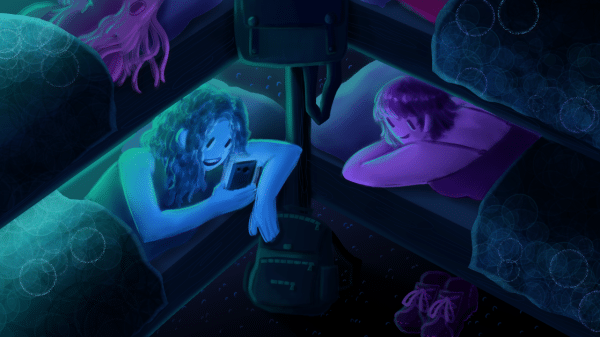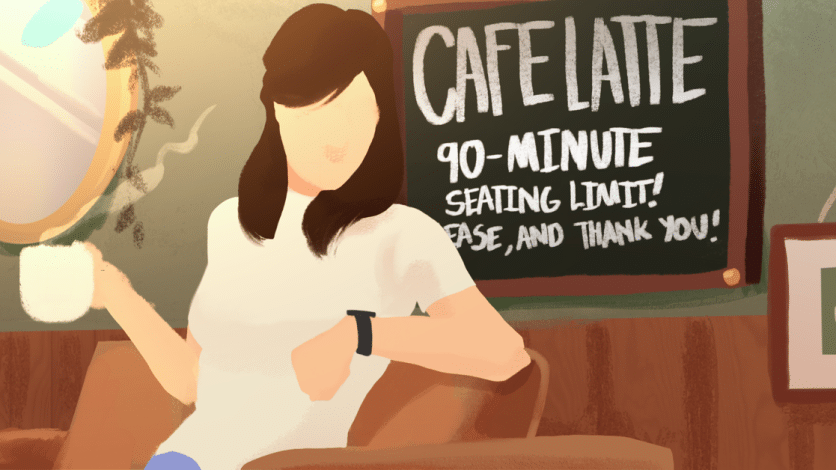
A student walks into a café on a Saturday afternoon, laptop in hand, hoping for noise. Not loudness, just the low hum of other people existing: cups clinking, someone laughing near the window. The comfort of not being alone.
The café is full. It always is. But after twenty minutes, a barista approaches gently and asks if they’d like to order something. The table is needed for paying customers; they haven’t bought anything. They don’t really have the money to, so they leave.
The next stop is a popular spot downtown—marketed as a “community coffeehouse,” half café, half coworking space. Inside, it’s silent. Every table holds a single person bent over a laptop, AirPods in, productivity radiating off them like heat. No one is speaking. No one is lingering. The room feels less like a gathering place and more like a performance of focus. There are no seats left anyway.
The following weekend, they try again. Maybe not coffee. Maybe something more intentional. A yoga studio. A pottery class. A writing workshop. A music collective. The prices arrive first. Two hundred dollars a month for a membership. Forty-five dollars per class. Fifteen dollars for entry to a “community night” at a bookstore. Even the open mic requires a ticket.
Every doorway has a fee attached to it. Eventually, the question stops being where to go and becomes whether it’s worth trying at all. Where, exactly, can someone simply exist among other people without purchasing permission?
What are third spaces?
Sociologist Ray Oldenburg described “third places” as the informal public spaces outside of home and work, where community forms without obligation. Think cafés, parks, barbershops, and libraries. They are not built around productivity but instead around presence. In these spaces, relationships form without performance or transaction, allowing people to practice the skills of democracy: listening, disagreeing, lingering, belonging.
When people talk about their decline, the explanations tend to follow a familiar script. Phones have replaced face-to-face interaction, and social media now functions as a kind of digital third space, collapsing geography and turning connection into something frictionless, immediate, and distant. The pandemic disrupted the long-standing habit of gathering, leaving many more comfortable at home than in shared public life, while political polarization has made even casual interaction feel charged.
None of this is untrue. Technology reshapes behavior, public health crises recalibrate social norms, and culture inevitably evolves.

But beneath these visible shifts lies another force shaping where—and whether—we gather, one that has less to do with distraction than with design.
Documenting the monetization shift in third spaces
Classic third places were neutral ground. You did not have to earn your right to be there. You did not have to justify your presence with output, branding, or consumption.
Presence requires purchase
Many of today’s gathering spaces are technically public but functionally transactional. Coffee shops discourage lingering without an order. Gyms and yoga studios promise “community,” but entry begins at $150 or $200 a month. Workshops, open mics, and community nights often come with ticket links attached.
Access is no longer assumed. It is priced.
This shift subtly reframes what it means to gather. Presence becomes something that must be subsidized. To occupy space is to spend.
For young people—students, part-time workers, those new to a city—this creates a barrier. The desire for community collides with the reality of rent, tuition, and limited income. Belonging becomes budget-dependent.
Community requires productivity
Even when cost is not the obstacle, purpose often is.
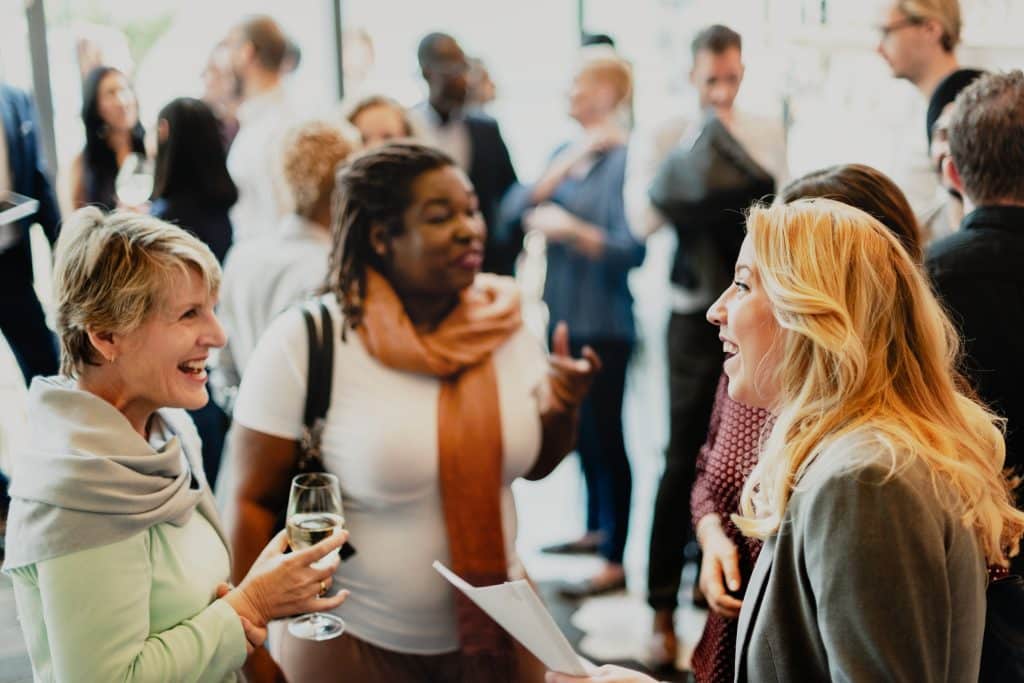
We rarely gather just to gather. Instead, we organize networking mixers, creator meetups, accountability sessions, “skill shares,” and “mastermind” groups. We optimize social time, reframe rest as self-improvement, and turn hanging out into a strategy to get ahead.
The language of work seeps into how we relate to one another. Rather than protecting a boundary between labor and leisure, we collapse them into work-life fusion, allowing professional ambition to shape not only how we spend our time but whom we spend it with. We begin to build communities—not simply as collections of friends but as networks of usefulness, thereby assembling relationships that orbit productivity rather than proximity.
In doing so, we lose low-stakes interaction: the kind where nothing is produced, no resume line is added, and no one is performing for further gain.
Aesthetic branding replaces belonging
Many modern “third spaces” are exquisitely designed to look good, but they don’t encourage people to stay.
Seating is minimal. Tables are narrow. Outlets are scarce. Lighting is optimized for photos. The space invites documentation more than conversation.
A bubble tea shop in a crowded mall can feel like a perfect example. It is beautiful—carefully curated, visually striking. But the seating is structured for waiting, not talking. A single narrow ledge substitutes for a table. Customers queue for thirty or forty minutes, surrounded by one another, yet the layout discourages interaction. The architecture signals: collect your drink, take your picture, move along.
The space looks communal, but it is built for circulation on social media.
When presence requires payment, when connection requires productivity, and when design favors display, something shifts culturally.
We begin to forget how to simply be together.

What are the cultural consequences?
When casual presence becomes economically inefficient, the cultural effects ripple outward.
Loitering becomes suspicious.
To linger without buying something is treated as a misuse of the space. While in some neighborhoods loitering is merely discouraged, in others—particularly for Black and brown people—it can be read as a threat. The right to “just be” in public has never been evenly distributed. When third spaces become transactional, the margin for harmless presence narrows even further.
Young people feel this acutely. Teenagers are heavily surveilled in malls, parks, and shopping districts. Groups are dispersed. Time limits are enforced. The message is subtle but consistent: if you are not spending, you should not stay.
Lingering requires justification. Spaces introduce forty-five minute seating caps, “Customers Only” signage, and Wi-Fi passwords that expire. The assumption is clear: time must convert into revenue.
Rest, too, becomes conditional. It must be optimized—turned into self-care content, productivity fuel, or a networking opportunity. Even socializing is reframed as strategic. Connection is valuable only insofar as it advances something.
And when gathering must justify itself economically, the lowest-stakes forms of connection begin to erode.
The loneliness data reflects the design
This is happening at the same time that American social life is measurably shrinking. In The Atlantic’s cover story “The Anti-Social Century,” Derek Thompson describes a country steadily retreating inward: spending more time alone and socializing less across nearly every demographic group. The decline began long before COVID-19. The pandemic accelerated it, but it did not invent it.
Other outlets echo the pattern. A Vox analysis of new data from the World Happiness Report notes that Americans are increasingly eating meals alone—especially young adults. Meanwhile, a TIME essay calling for a “third life” beyond work and home frames the loneliness crisis as a failure to sustain spaces of informal gathering and shared ritual. Screens matter. The pandemic mattered. Cultural shifts matter.
But so does the environment we’ve built.
When spaces are designed for turnover instead of talk, when young people are surveilled for gathering, and when rest is expected to be optimized, connection becomes harder—not because people don’t want it, but because the conditions for it have been structurally thinned.
Loneliness, then, is not just psychological. It is reinforced by our infrastructure.
We have reorganized public life around transaction and through output, making casual, low-stakes forms of connection—chatting with a barista, lingering in a park, becoming a regular somewhere—economically inefficient and therefore increasingly rare.
Where to find surviving or overlooked third spaces
Not all third spaces have disappeared. Some persist—stubbornly—outside the logic of optimization.
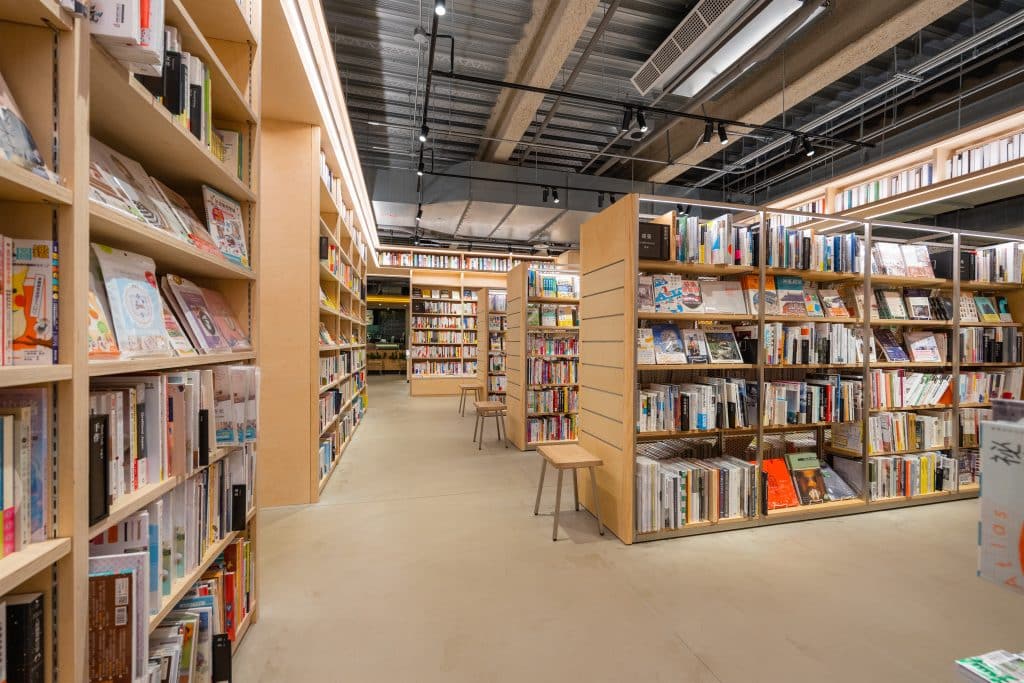
Public libraries remain one of the last places where presence does not require purchase. You can sit for hours without buying anything, read without producing, and exist without explanation.
Parks, too, still offer a version of neutrality. So do campus lawns, church basements, community centers, front stoops, and neighborhood basketball courts. These spaces are rarely aesthetic, rarely branded, and they are often underfunded. But they allow for something increasingly rare: unstructured time together.
Even within commercial environments, there are moments of resistance. The crowded diner where regulars linger over refills. Or the barber shop where conversation stretches longer than the haircut. The student lounge where no one is networking—just procrastinating together.
What distinguishes these spaces is not their design but their permission structure. These spaces allow people to stay. They do not demand immediate conversion, whether into money, content, or achievement.
They protect the right to linger.
And yet, many of these spaces are fragile. Libraries face budget cuts, public parks are unevenly maintained, and community centers close when funding dries up. The spaces that still allow non-transactional presence often survive despite the cultural tide, not because of it.
Creating community again
The question is not whether third spaces still exist, but what we expect them to do.
If every gathering must justify itself through productivity or purchase, then the idea of community will always feel slightly out of reach—available, but conditional.
Defending third spaces begins with something smaller: simply allowing them to be ordinary. It means resisting the urge to monetize every square foot of public life and accepting that not all value announces itself in measurable forms.
Small talk is inefficient, shared boredom produces nothing, and lingering does not scale. And yet these are the very conditions under which belonging forms—not through strategy or spectacle but through repetition, familiarity, and unremarkable presence.
To defend third spaces is to defend the right to be together without performance, without transaction, and without agenda. It is to insist that presence alone is enough.