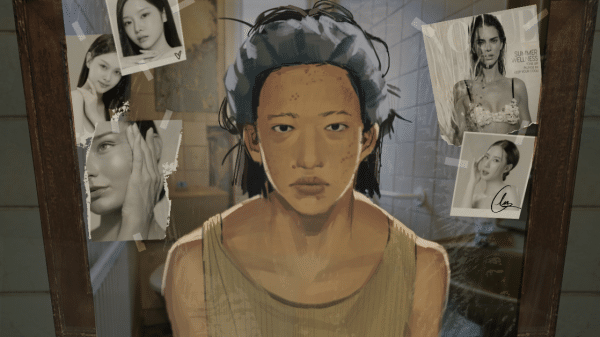
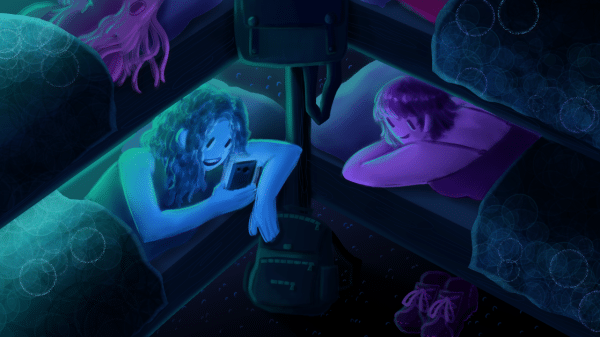
Valentine’s Day used to feel simple. Cards. Chocolate. Flowers. Maybe a crush. But now? It feels like a performance. For our generation, social media shifted the holiday from something personal to something public. Love isn’t just experienced anymore; it’s displayed. Even people who are secure in their relationships can feel a quiet pressure to meet this standard.
What even is love?
Love isn’t grand gestures and fireworks every day; love can be found in the most ordinary moments that barely make it into movies: getting the last slice of pizza, inside jokes that stretch late into the night, or even letting someone hog the blanket so they wouldn’t freeze. It’s these tiny moments that have come from deep within the heart. Noticing the little ways someone expresses their devotion and returning that care in ways that matter is where love really lives – even if it’s just making a cup of tea exactly how they like it or remembering the way they take their coffee. Relationships can have messy, unpretty sides, too. There are arguments, misunderstandings, awkward silences, and moments of frustration from both sides. In simple words, the reality of love is not perfect.
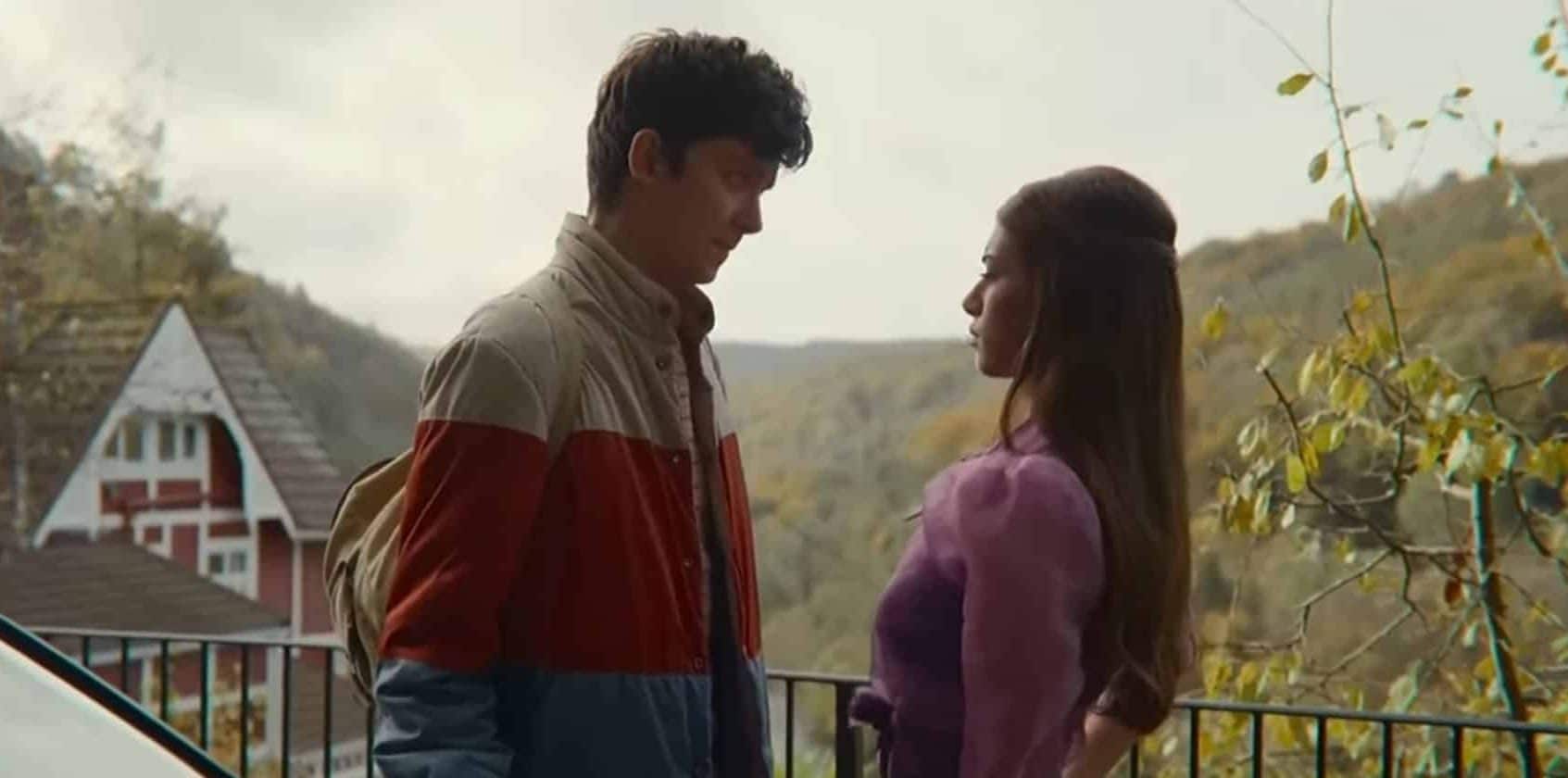
By the time February 14th rolls around, it’s like the whole world expects everyone to be a poet and a chef all at once. Alongside a handmade card and a box of chocolates, there should be roses, a fancy dinner, or some other over-the-top gesture that’s perfect to post online. The irony is that while so much effort goes into making the day perfect for a partner, the joy of the moment itself is often lost. Valentine’s Day can start to feel less like celebrating love and more like running an obstacle course, where the goal is to tick off another box on the “perfect romance” to-do list.
Modern love doesn’t work like that. Modern love is feeling it every day rather than waiting for a single “big day” to prove it. Even in the midst of imperfect love, a balance can be found. A way to uncover happiness in the everyday moments – to be there for each other. Love can exist between friends, family, pets, or in the small routines shared with people who matter.
The social media filter on love
Before, being away from your partner meant actually being away. There were stretches of time when you couldn’t call or text at will. Waiting to see each other gave room to miss each other and room to breathe. Couples could have private moments. That distance often made the heart grow fonder. Moments spent together felt more cherished. The distance often made the heart grow fonder. But today, social media replaced this space. Partners often check each other’s location or send constant messages.
It’s one thing to feel pressure from Valentine’s Day itself, but throw social media into the mix, and suddenly love looks as if it comes with a perfectly curated Instagram feed. Every couple posting heart-shaped pancakes at sunrise or matching outfits on weekend trips while you’re just… existing. When everyday love doesn’t look like that, it’s easy to start feeling inadequate. The more someone scrolls through social media, the more relationships are curated against highlight reels, often forgetting that behind every staged photo lies a different reality.
People no longer compare relationships to simple standards, but to carefully curated productions. When an influencer posts a video of a thousand roses for their partner, the post turns intimacy into a staged set piece. A teenager scrolling in bed may look at a sincere late-night text from a partner and dismiss it as “low-effort” when placed beside a viral soft-launch photo of intertwined hands over a £90 brunch. People judge the success of a date by the quality of a photo dump rather than the depth of the conversation. This creates a form of relationship dysmorphia, where happiness exists in real life but feels invalid if the online grid fails to reflect the cinematic romance demanded by the algorithm. Love is no longer just about connection; it becomes a search for someone who fits the aesthetic.
Re-thinking romance
So is there a silver lining? Absolutely. Despite social media creating an absurd standard of what love must look like, it also gave people new ways to express it. For many, particularly those who are introverted, social media acts as a safety net. On a day that demands the perfect method, it can feel easier to type out something meaningful than to say it face-to-face. Messaging apps create a space for openness. In that sense, Valentine’s pressure has accidentally made our generation more emotionally articulate.

Social Media has also become a global support network for love. It has provided younger generations with a shared language around relationship safety that was largely absent from mainstream pop culture two decades ago. Creators talk openly, using terms such as “love bombing” – the act of overwhelming someone with excessive attention. As well as “green flags” to highlight positive behaviours such as respecting boundaries. This vocabulary challenges older romantic narratives, which often framed crossing boundaries as a form of devotion. Many people acknowledge that because of social media, there is more awareness of healthy relationships. There are many viral videos on TikTok that show how to spot small everyday green flags in a partner’s behaviour. These clips give real-life models for healthy relationships.
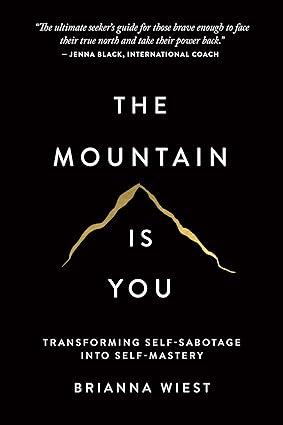
Valentine’s Day also has a habit of framing love as something you receive, rather than something you give yourself. If you’re single, it can feel like you’re missing the point of the day entirely. But this generation promotes self-love. More people are starting to recognise that love is also about how you show up for yourself. Taking yourself out, setting boundaries, choosing rest, or simply being okay with being alone. Books like The Mountain Is You by Brianna Wiest show how individuals can overcome self-sabotage and take control of their own growth. You do not have to be in a relationship to know your worth. While Valentine’s Day may still revolve around couples, more people are quietly reclaiming it as a reminder that love doesn’t disappear just because you’re single.
Love, every day
Valentine’s Day feels so different now. It’s become more than a holiday. It’s become a mirror, reflecting how love has been taught to appear – as something performative. But real love doesn’t need an audience. Whether it’s shared with someone else or rooted in oneself, love isn’t a one-day event. The less effort spent on making it appear perfect, the closer the experience comes to being genuinely felt.