

As the years have gone on, LGBTQIA+ people have had much more representation than they ever had in the past. However, asexual representation is not shown as often as it should. Why is that?
Modern queer representation, in general, has issues that need to be addressed. However, asexual representation is notably very absent in film and television. While there is some here and there, they ultimately do not appear too often. Even when there is, it has not always been viewed in the best light. But why is that?
What is asexuality?
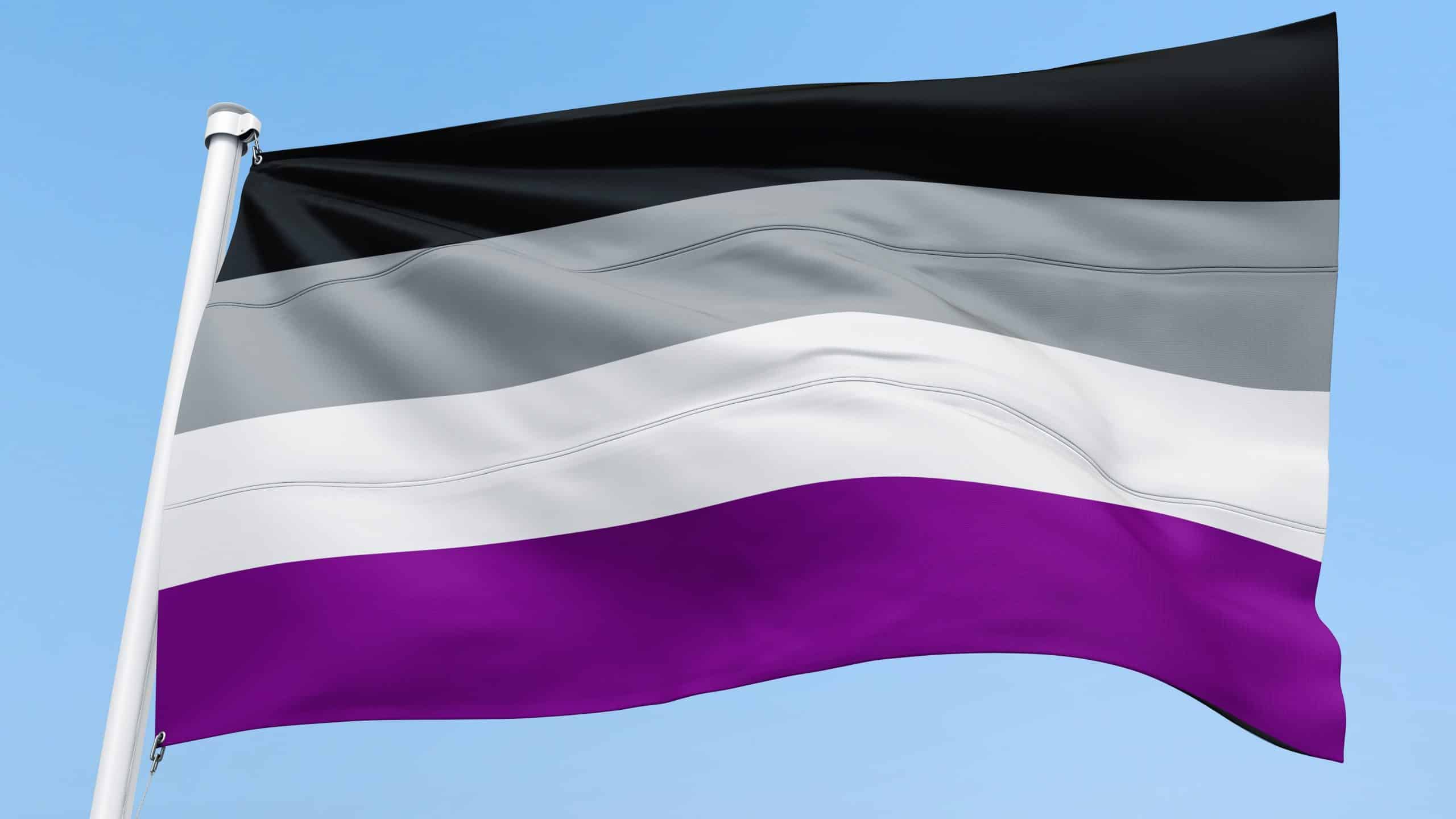
Before we go over representation, we must first understand what asexuality is and what it is not.
As defined by the Asexual Visibility and Education Network, asexuality is the sexual orientation in which a person does not experience sexual attraction. Asexuals still have sex drives and are capable of having sex. Some even enjoy or are neutral to it. They do not have the desire for sex like allosexuals would.
Also, contrary to popular belief, asexuality and aromanticism, or the lack of romantic attraction, are not the same. Some people are both asexual and aromantic, but there are plenty who can be one or the other. One can be asexual and hetro-romantic, and another can be aromantic and bisexual.
The bottom line is that while asexuality is rare, it is still perfectly normal. That said, let’s go over some of the problems that face television and film regarding asexual representation.
“Not having sex is a bad thing,” apparently
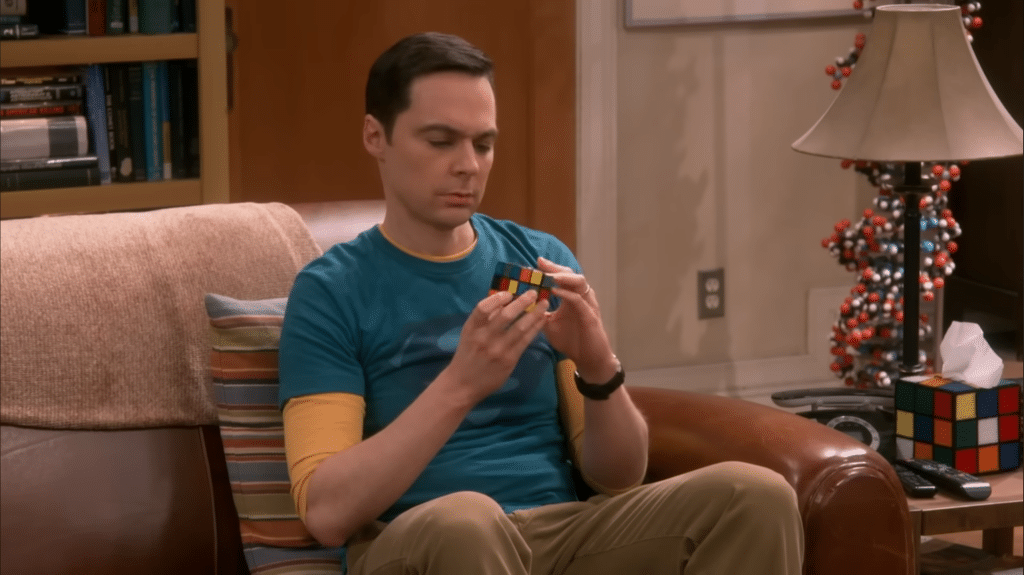
While the term “asexual” was not common until relatively recently, television has had a history of portraying characters who have no desire or interest in sexual relationships as childish or “needing to be fixed.”
While the show never identified them as asexual, Sheldon Cooper from the long-running sitcom The Big Bang Theory had no interest in romance and was disgusted by the idea of having sex in the earlier seasons. These aspects are more often than not used for comedy and further show that the other characters find him weird. As the show goes on, however, he ends up getting a love interest and completely loses his previous repulsion to sex. At the end of the day, the show treats his disinterest in sex as weird and has him fixed.

While Sheldon may not be “ace,” he ultimately was given a lot of the assumed characteristics of asexuals, which the show did not respect. These are harmful stereotypes and assumptions regarding the human mind that ultimately diminish the concept of asexuality.
Erasure
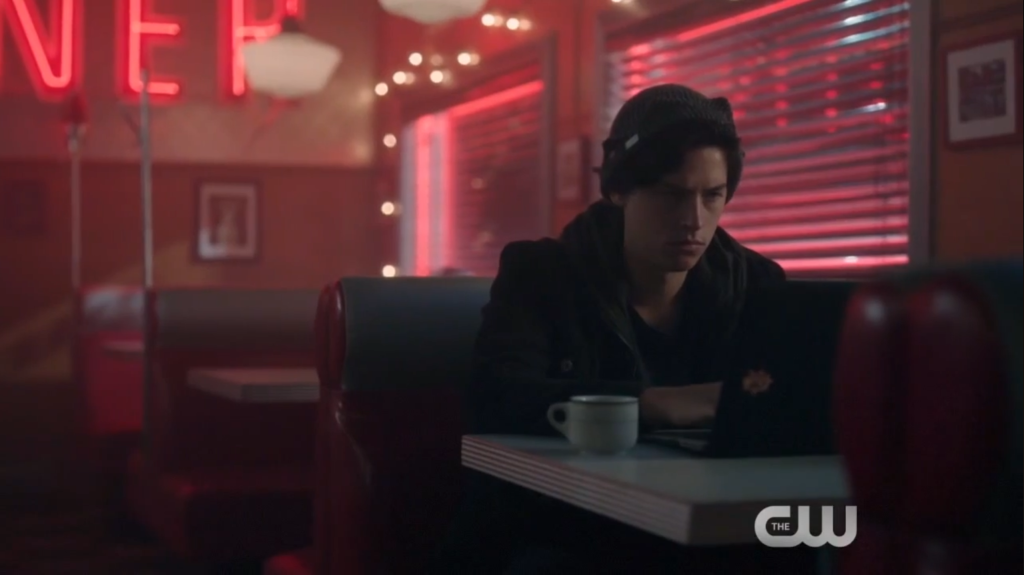
There are even instances where the entire concept of asexuality for a character is completely erased (In more ways than one).
For example, Archie Comics often depicted the character Jughead as having zero interest in sexual or romantic relations. So much so that in most modern interpretations canonize him as an aromantic asexual.
However, the Riverdale TV series (which is a very loose adaptation of the comic series) completely removes any implications of asexuality and makes him seemingly straight. While asexuals can engage in sexual activities and relationships, there is nothing to imply that they are anything but straight. This was something even Cole Sprouse, Jughead’s actor, thought that they should have explored.
“Clearly, there’s something medically wrong with you.”
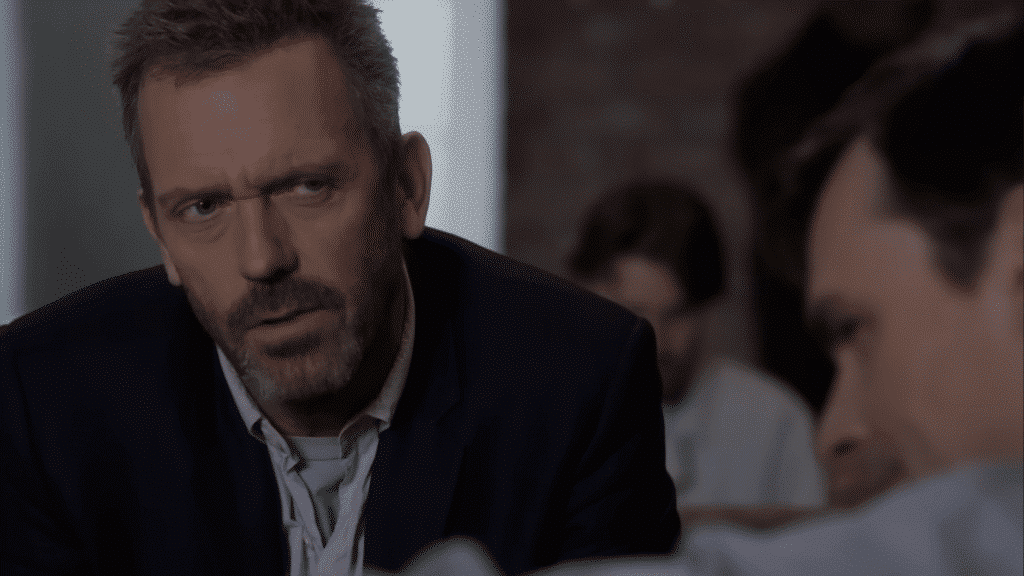
Another form of erasure comes from House M.D, in the season eight episode “Better Half.” The episode introduces a woman who claims to be in an asexual relationship with her husband, only for the titular character to disbelieve their claim. The show decides to prove House right hw finds that the woman was lying about being asexual, and that the true reason she and her husband don’t have sex is that her husband has a brain tumor that lowers his libido.
While the condition the husband suffers is real, it still gives off a condescending attitude towards asexuality, considering the introduction. It implies that the only reason someone does not want sex is if there is something wrong with them. Those who claim to be ace are actually lying.
Many of these shows tend to run on the presumption that sex is necessary for the audience to identify with the characters. As if the audience is incapable of relating to or understanding a character otherwise.
Why is this the case?
Mental health classifications officially documented asexuality as a mental disability until 2013. Only a little more than 10 years ago. Unfortunately, asexuality is still something that the vast majority of people do not fully understand.
As said by sexologist, intimacy coordinator, and host of the podcast series Birds & Bees Don’t Fck, Arielle Zadok also states that “we are at a point in media where [asexuality] does need to be explained and we need it to come up because so many people have never heard the term before.” While one of the main rules of writing is ‘show, don’t tell,’ asexuality is unfortunately one of those concepts that needs direct explanation. It may ultimately be for the show to tell the audience that a character is ace.
Also, Damian Pelliccione, CEO and co-founder of the queer streaming platform Revry, states, “asexuality remains one of the least visible identities in film and television, often overlooked in favor of narratives and unscripted that center romantic and sexual relationships as universal experiences.” At the end of the day, sex sells. The media would rather provide content to appease the masses than represent those who constitute a statistically small share of the world population.
Why does this matter?
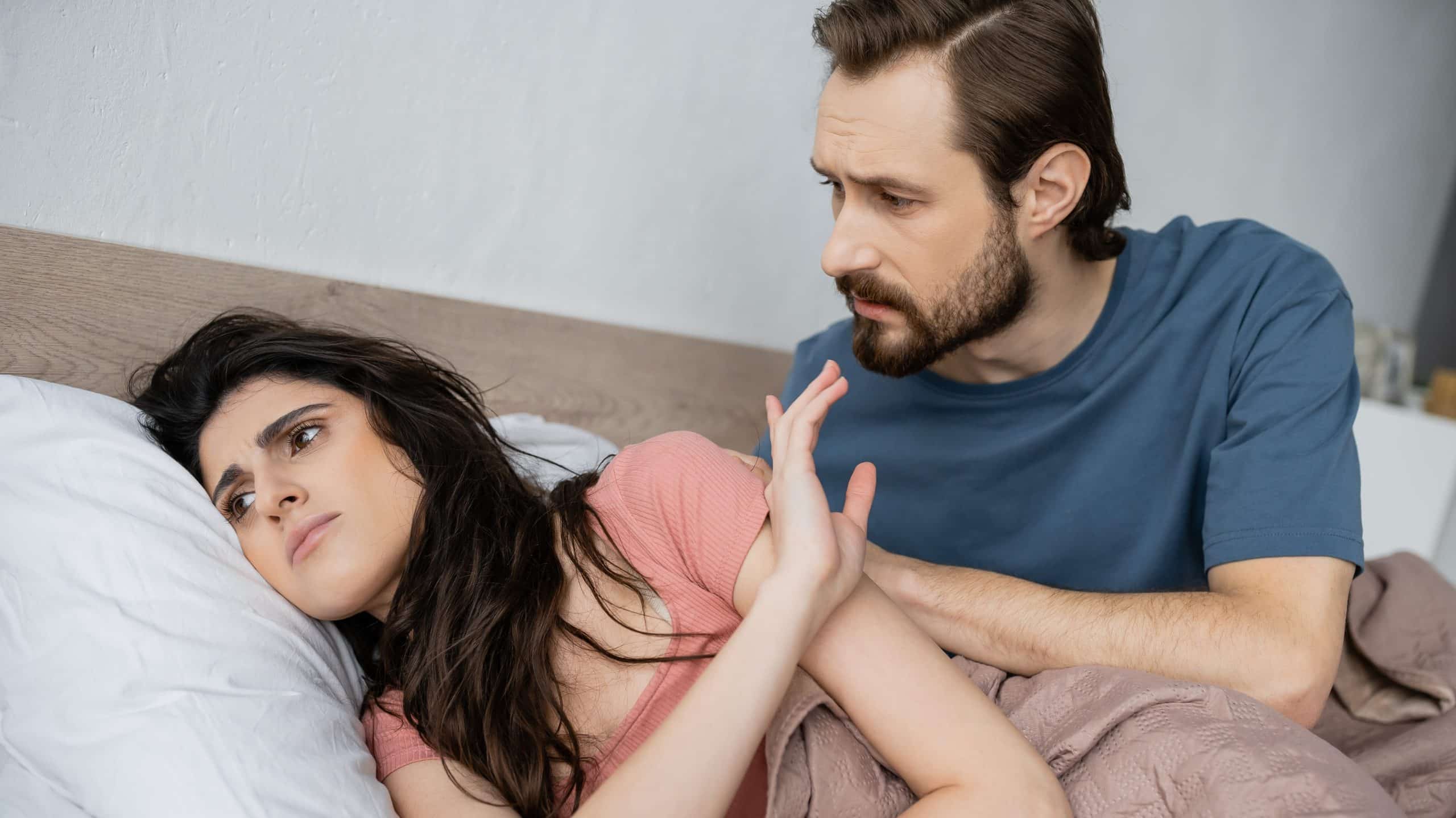
Asexuals, for a long time, had to deal with the idea that there’s something broken about them. That is because society seems to demand that they must be interested in sex to fit in, that they are the problem. Ignoring the concept of asexuality or encouraging the idea of “if you don’t want sex, you’re not normal” leads aces out there to feel like they don’t matter.
However, as we’ve established, those are not universal experiences. The mindset of establishing something universal ultimately ostracizes aces as unnatural. Sex is not bad, nor should we shame anyone who actively enjoys it. However, the problem lies in the “no sex is bad” mentality. If this mindset continues, it may lead some to take the idea of “I need to have sex” too far.
With everything said, is there any real hope for proper asexual representation?
Thankfully, there are still good media out there that support asexual characters, and there is a chance in the future for more so.
Good representation
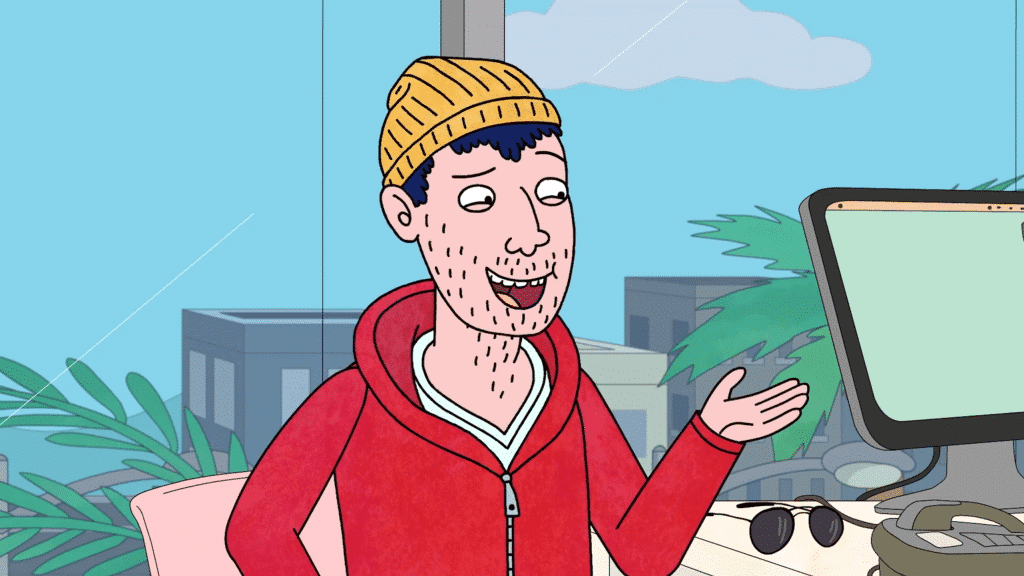
Despite the negativity said, there are some good representations of asexuality, especially in recent years.
In the critically acclaimed show BoJack Horseman, the character Todd Sanchez is one of the greatest, if not the greatest, asexual characters in recent memory. He goes through great development to discover his asexuality and improve himself as a person. Also, while the show is a comedy, his disinterest in sex is never the butt of any of them. The fact that he is ace is not a problem, nor does he need to be “fixed”.
Another great representation is Alestor from Hazbin Hotel. While he is objectively not a good person, he does not display any of the mentioned stereotypes regarding asexuality. His disinterest in sex or romance is not what makes him a terrible person. Even evil characters can be a good representation.
These characters work as their asexuality is not the butt of any jokes, nor is it considered a problem. While there are still a few in the grand scheme of representation, it is much better than in the past.
What needs to be done?

The only remaining question is: what do we need to do to improve asexual representation?
Firstly, we can try to enforce more stories that don’t try to center on sex and relationships. Pelliccione also states that, “audiences are ready for more nuanced portrayals—ones that reflect the real spectrum of human experience rather than defaulting to outdated assumptions.” Human behavior and their relationships are more than just their desire for sex and romance.
Secondly, Zadok notes that film and TV writers work more closely with intimacy coordinators and advisors “in the earliest stages of development”. These need to be introduced as soon as possible for a better understanding of lesser-understood sexual orientations. This is important so that representation may flow better with the writing.
Finally, if we want more asexual representation, it is ultimately on us to make it happen. As said by Thomas Z Seffernick, an indie movie producer and UPM, states, “if you’re trying to say something with your own voice and make it, you need to find the people or company that can support that vision and get it elevated. It may take years. It may take a lot of trial and error to find anyone who will work with it. But at the end of the day, we must have more ace or ace-spec writers share their stories so they can be told to many people.
At the end of the day, it is perfectly fine to write a sex filled narrative. It’s even okay to write a story that does not focus on asexuality or other members of the LGBTQIA+ community. However, representation remains important, and we should see more of it in the future.