

A staple of monster movies, “Godzilla” is a globally recognized figure, often referred to as the “King of the Monsters.” While there have been many different adaptations over the years, the original 1954 film still resonates with fans, many of whom consider it their favorite. Although some may view “Godzilla” as a typical horror movie, the film carries much deeper meanings underneath its monstrous surface.
“Godzilla” came out in 1954, only nine years after America had dropped the atomic bomb on Hiroshima and Nagasaki. The premise of the film follows Japanese authorities as they encounter a giant monster that comes out of the ocean and threatens to destroy the country. Seems like your average horror or science fiction film — right? But there’s actually a lot more to it. Godzilla is ultimately a cinematic response to the devastation that was brought upon the Japanese citizens and the post war anxieties that the people had — particularly about new technology. This film resonated deeply with audiences. Many in Japan left the theater in tears, as it gave voice to unspoken experiences and trauma that lingered after the war.
It’s important to note the historical context and parallels the movie has, especially how the film connects to the American scientist Oppenheimer — the father of the atomic bomb. As the lead scientist on the Manhattan Project — the team that would lead the development of the bomb itself — Oppenheimer later expressed guilt over what he had created, quoting the Bhagavad Gita, “Now I am become Death, the destroyer of worlds.” “Godzilla” reflects this statement as the monster brings death and destruction upon the Japanese people. However, Godzilla isn’t just a representation of the atomic bomb.
Godzilla as a symbol
When the scientists first see the monster, they find radioactive fallout and trace it back to the creature. While this is a direct reflection of the atomic bomb, it’s also a mirror to the American testing of hydrogen bombs in the Pacific. The scenes of Tokyo burning recall the destruction that was left in the bomb’s wake. There are many scenes of civilians running and buildings collapsing from this destruction — a stark reminder of what had happened and what can happen again.

However, what some audiences miss is that Godzilla also mirrors the survivors of the atomic bomb. Godzilla was awoken from atomic bomb testing, making the monster a victim of humanity’s ego and scientific arrogance. Something interesting to note is Godzilla’s skin, which was inspired by the burn scars of the Hiroshima and Nagasaki destruction. This deliberate choice represents the damage of radiation poisoning that was seen throughout all of Japan and directly references the bombings.
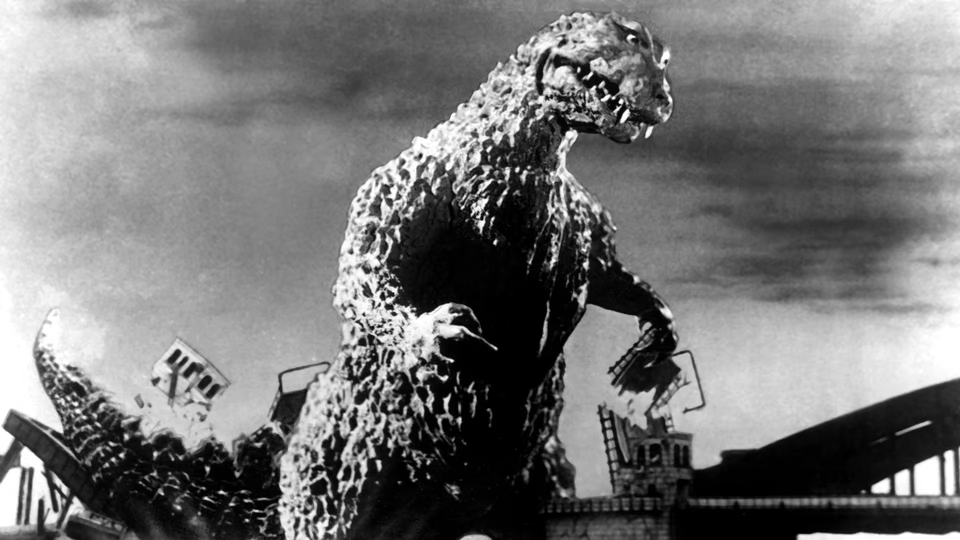
In later scenes, you can see the people of Japan suffering from the attack, with scenes of dead bodies reminding the audience of their country’s national tragedy. There are scenes of children in hospital beds and children singing in a choir, creating an air of mourning and grief by emphasizing young life lost.
Ethics of science
The film also brings up a powerful question: How far should we go with science?
Dr. Serizawa, a young scientist in the film, creates a powerful tool called the Oxygen Destroyer, capable of destroying all life around it by destroying oxygen molecules. He hides this invention throughout most of the film and his hesitation to use it when he gets found out speaks louder than words. He is afraid that if it falls into the wrong hands, it will be used for the wrong reasons — a subtle nod towards the American use of their creation: the atomic bomb.

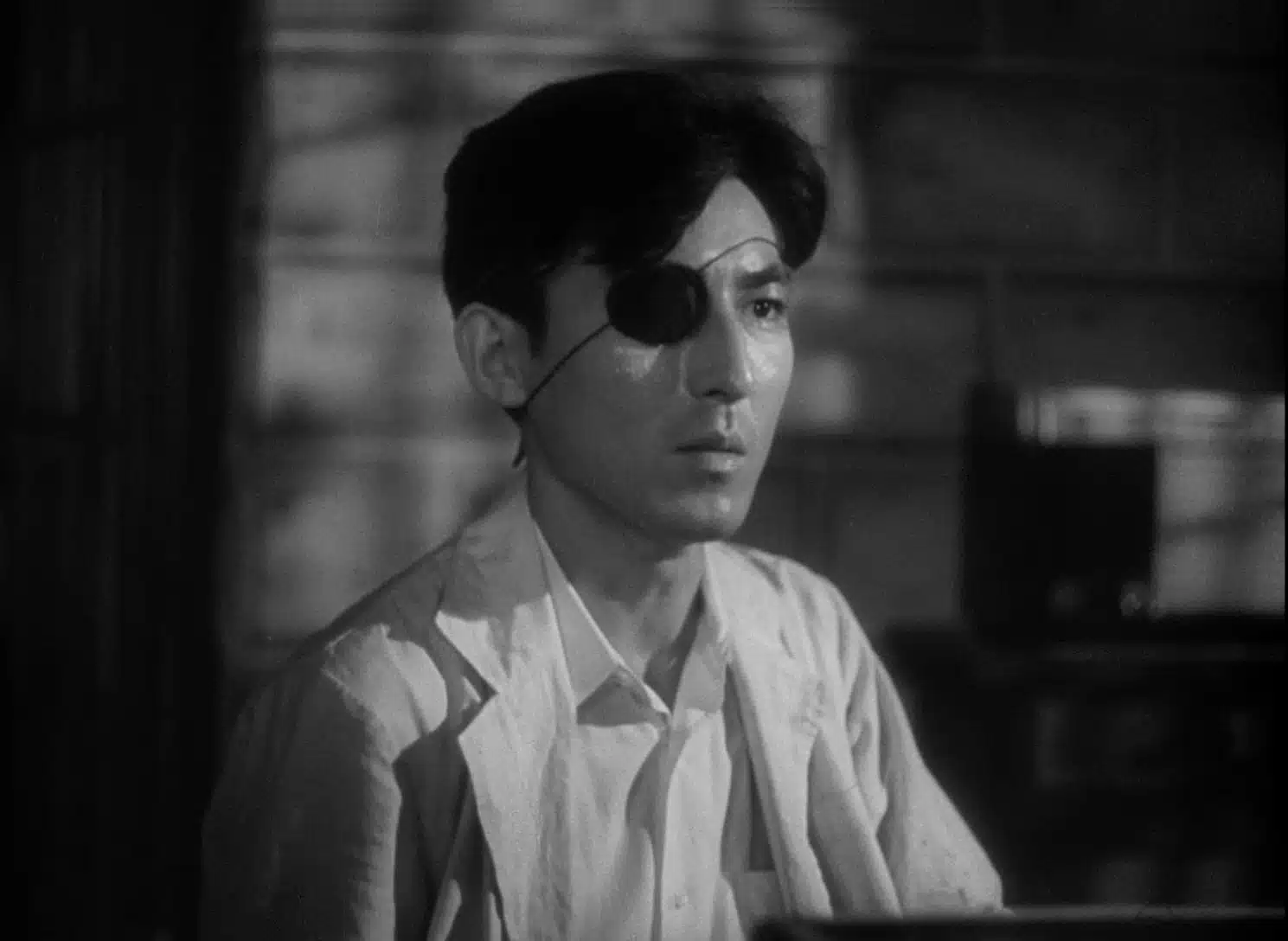
The older scientist, Dr. Yamane, longs to keep Godzilla alive due to its immunity to radiation. He dismisses the dangers that Godzilla poses to the city in hopes of attaining new knowledge, which represents humanity’s desire for discovery. However, it leaves the viewers wondering: Is knowledge always worth pursuing? If the scientist had gotten what he wanted, there could have been a possible cure for the damage of radiation sickness. But this knowledge comes with a cost and begs the question: How many more people would have died if they had left Godzilla to destroy Japan?
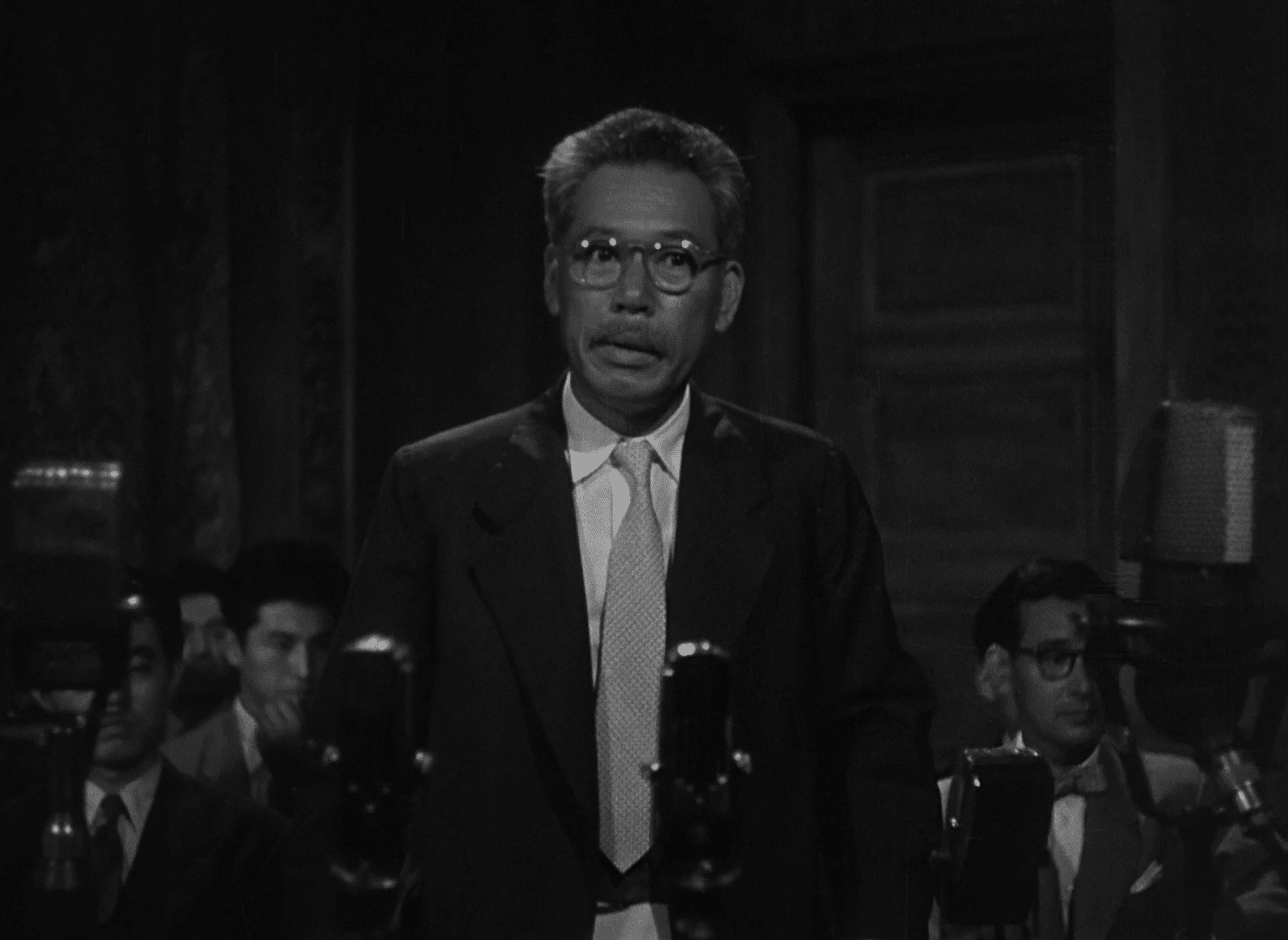
Both of these scientists reflect the tension between morality, scientific responsibility and curiosity. Dr. Yamane is curious, but Dr. Serizawa is keenly aware of the dangers that Godzilla and his own scientific discovery pose. This leads Dr. Serizawa to kill Godzilla with his invention and afterward, to take his own life — destroying both his discovery and his notes to keep them from falling into the wrong hands. He rejects scientific hubris, choosing instead to destroy something he knows can cause devastation, rather than seek the fame his invention could bring. This act is incredibly difficult for the scientist, yet he goes through with it — taking responsibility for his actions and refusing to be responsible for the destruction of the world.
Oppenheimer
Despite Oppenheimer never being mentioned in the film, his presence is felt. Oppenheimer and Dr. Serizawa serve as direct parallels for each other. Both made dangerous scientific “progresses” and feel guilt for their actions. The scientists recognized the potential for human annihilation if their weapons fell into the wrong hands. Especially with Oppenheimer’s invention being a key factor in the start of the Cold War, a period of monumental tension between two global superpowers — both armed with weapons capable of destroying each other and the world. Serizawa serves as a representation of the ideal scientist — a scientist who wants to shield the world from his own destructive inventions. This parallel serves as a representation of the moral burden that scientific discovery has, with it being capable of both salvation and destruction.
Takeaways
The film warns of the dangers of unchecked scientific discovery and the importance of morality and responsibility, embodied by Dr. Serizawa. Serizawa ends his life at the end, but before he does, he warns the other characters — and the audience — that continued nuclear testing will lead to another Godzilla. This self-sacrifice destroyed knowledge but also saved humanity. It reminds the audience of the importance of restraint and ethical responsibility in scientific advancement.
“Godzilla” remains relevant today, especially after the 2023 popularity of the Christopher Nolan film “Oppenheimer,” which was no doubt highly controversial in Japan and wasn’t released there until 2024, months after its global debut.
“Godzilla” continues to serve as a warning to the audience to be careful with our choices and actions. An example of this is the destruction of our environment. We are continuously finding new ways to destroy our planet, which leads to increased severity of disasters like hurricanes, rising sea levels, wildfires and more. Our own actions are awakening these disasters just as the testing in Godzilla awakened the monster. Similarly, our new discoveries with artificial intelligence mirror the discoveries of Dr. Serizawa. Though these discoveries can be used for good — like Dr. Serizawa’s discovery — they can also quickly turn sour if used for nefarious purposes like modern warfare. This unchecked ambition can destroy the nation and the world as a whole.
Similar Media
If you’re looking for more media that offers a symbolic lesson and holds a mirror up to society — much like the film “Godzilla” — there are many to choose from.
Here is a list of a few of my favorites:

“Frankenstein“: A multifaceted story, Mary Shelley’s “Frankenstein” serves as a commentary of the Enlightenment and industrial revolution era of Shelley’s time — reminding the audience of the dangers of pushing science beyond control and the importance of taking responsibility for your actions.
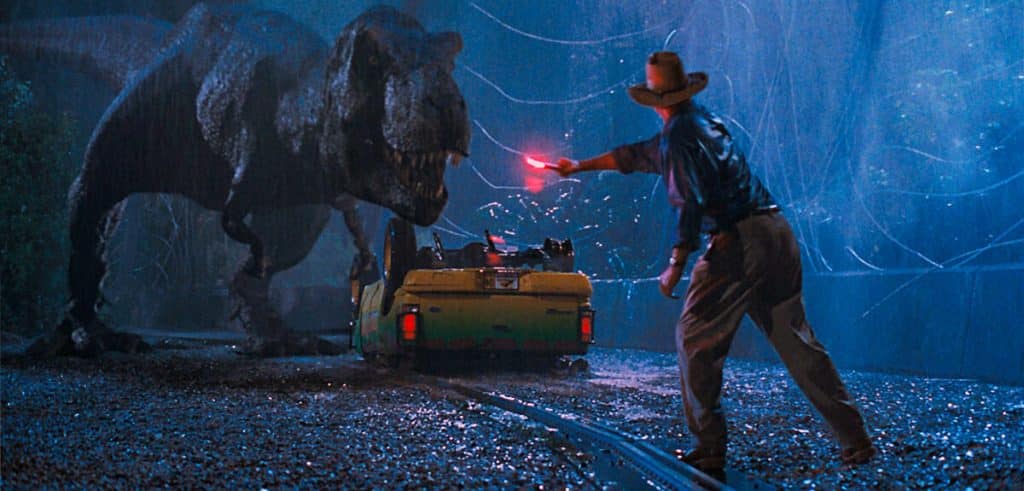
“Jurassic Park“: The film warns that arrogance, ignorance and greed in science can have dangerous, unintended consequences when we try to control nature.
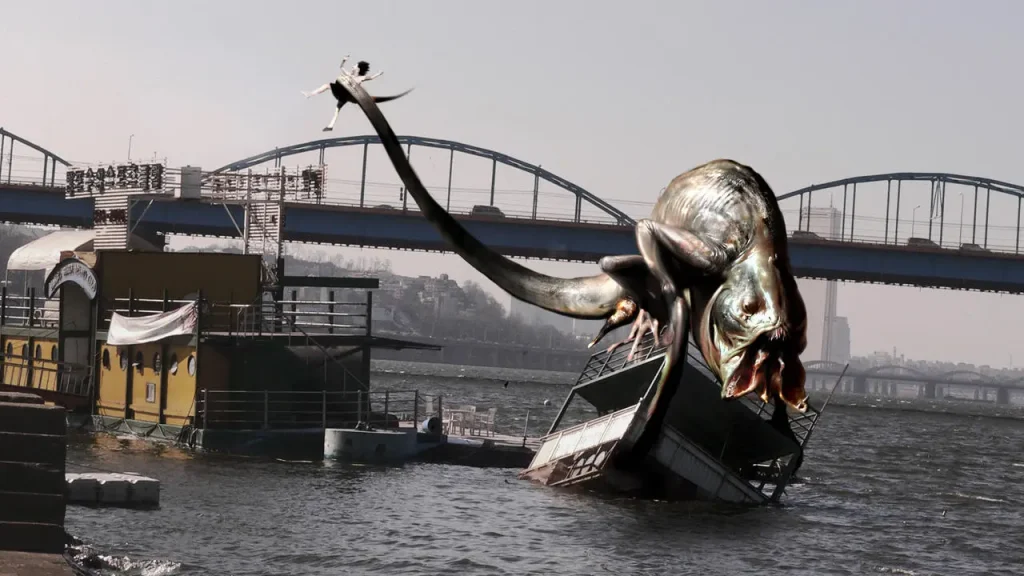
“The Host”: This Korean film reflects fears about imperialism, government corruption and environmental destruction.
Just like “Godzilla,” all these stories use monsters to spotlight human flaws. So go ahead, enjoy the chaos and the roars — but don’t forget, sometimes the real monster is us.