For many, spring is a season of downy, warm, mellow ambiance. Toasty air, sunny days, whispering the quiet promise of something new. But at times, have you ever gotten the feeling there is something slightly off about the season, too? The soil begins to warm, wildflowers begin to grow and bloom once again. All this reflects how nature shifts in ways beyond human control.
Folk horror fully taps into that unease. Intertwined in ritual, isolation, and the rhythms of the natural world, this genre reminds us that renewal is not always a gentle process. Buried deep under the flowers and sunlight are much older traditions, even stranger beliefs, and a sense of awareness that nature does not belong to us at all. These manifestations of life, death, and rebirth make spring an unexpectedly perfect time to revisit this genre.
As the spring equinox passes, Easter creeps up, and the season of metamorphosis begins; these folk horror films capture the unsettling side of Mother Nature.
1) Onibaba
Set in the tall grasses of war-torn Japan, this film follows two women surviving through violence and desperation.
Nature here is overwhelming and inescapable. The swaying fields feel almost alive, trapping the characters within them with no escape. The film’s connection to cycles of survival and transformation gives it a quiet, haunting relationship with the natural world, where human behavior becomes just another element of the landscape.
Where to Watch: HBO MAX
2) The Blood on Satan’s Claw
Set in rural England, this film follows a group of children as they fall under the influence of something ancient buried beneath the earth.
The horror emerges from the soil itself, as if the act of digging into the past has disturbed something that should have remained hidden. It feels like a warning about what lies beneath the surface of even the most peaceful countryside.

Where to Watch: Tubi, Pluto TV
3) The Wicker Man
There is no better place to start than with one of the defining films of the genre. Set on a remote island, the story follows a police officer investigating a missing child, only to discover a community deeply rooted in ritual and secular devotion.
Bright landscapes and cheerful celebrations create a sense of warmth that slowly becomes suffocating. Nature plays a role in the rituals led by humans. It is something to be honored, feared, and ultimately obeyed.
Where to Watch: Tubi, Pluto TV
4) Children of the Corn
Set in a seemingly abandoned rural town surrounded by endless fields, this film taps directly into the fear of the harvest and devotion to something deeply hidden within the land.
The film’s connection to nature feels immediate and oppressive. The cornfields are not just a prop but an entity that surrounds and traps anyone who wanders in by accident. Corn, a grain that usually symbolizes growth and abundance, instead becomes something deeply unsettling.
Its focus on sacrifice and obedience to a force tied to the harvest makes it one of the clearest examples of how folk horror showcases natural cycles into something far more dangerous. For me, growing up in Indiana, this film was especially scary. Something that I saw every day and that many of my peers relied on for their livelihood was presented to me in a new light. It was easy to see how corn was actually a life-changing force in our lives there. Haunted corn mazes haven’t been the same since.
Where to Watch: Tubi, Pluto TV
5) Kill List
What begins as a normal crime thriller flick slowly transforms into something far more ritualistic and unsettling.
As the film shifts into more rural, open spaces, the environment begins to feel soft yet intimidating. Fields stretch out in ways that feel exposed rather than freeing, and the natural world starts to carry a sense of watchfulness.
The film’s final act leans heavily into folk horror imagery, revealing a world shaped by twisted traditions and ancient practices. It leaves behind a lingering sense that these forces have always been there, just out of sight and lying in wait.
Where to Watch: Tubi
6) Jug Face
Set in an isolated rural community, this film centers on a group that worships a mysterious pit in the village, believing it demands sacrifice.
The natural world here feels isolated and intimate, almost claustrophobic. The woods and the earth are not expansive, but suffocating. Nature becomes a force that dictates human fate, reinforcing the idea that belonging to a place can come at a cost.
Where to Watch: Pluto TV
7) The Witch
The story is set on the edge of a vast and frightening wilderness that captures the fear of what lies just beyond the safety of home.
The forest is both a threat and a temptation. It represents metamorphosis in its most unsettling form, where identity, belief, and control begin to unravel. The force of nature felt as if it were lying in wait, anticipating the right moment to unravel.
Where to Watch: HBO MAX
8) The Wailing
In a quiet, remote mountain village, a strange illness begins to spread. An officer begins to unearth the origins after his daughter is infected, and he slowly discovers horrifying secrets.
Rain, mud, and dense forests create an atmosphere that feels heavy and inescapable. Nature is not a passive setting. It heavily shapes the film’s events, reinforcing the sense that something in the background is at work throughout the landscape itself.
Where to Watch: Tubi, Rakuten Viki, Pluto TV
9) November
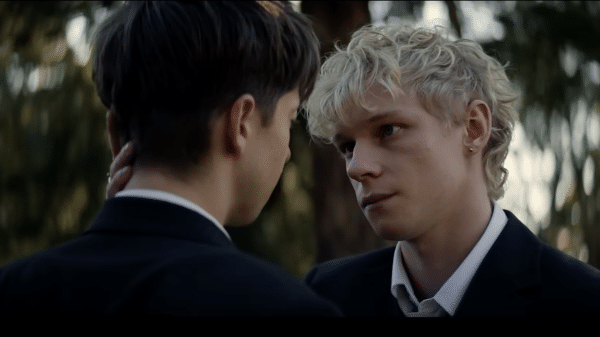
This film exists in a world where folklore and magic are woven into everyday life.
The environment is harsh and unforgiving, yet deeply intertwined with human desire. Nature does not nurture here. It demands, it takes, and it transforms, creating a world that feels both beautiful and frightening.
There is something almost reminiscent of Wuthering Heights in the way emotion and environment collapse into one another. The love presented here feels obsessive, and the landscape itself seems to reflect every impulse. Everything, from desire to destruction, is tied back to the land.
Where to Watch: Free on Philo
10) The Lighthouse
While slightly outside the more expected folk horror elements, this film shares the genre’s obsession with isolation and myth.
The ocean becomes an overwhelming presence, eroding against the sanity and identity of the lighthouse keepers. It feels absolute yet indifferent, strengthening the idea that nature is far beyond human understanding or control.
Where to Watch: HBO MAX
11) Midsommar
For me, this was the first horror film that was mostly set in daylight. This film transforms the bright forestry and floral imagery into something suffocating and overwhelming.
Its rituals are tied directly to seasonal cycles, making it one of the clearest examples of how spring and summer traditions can blur into something darker. Beauty and horror exist side by side, impossible to separate. Soon, you find yourself indoctrinated as well, losing yourself within the setting.
Where to Watch: Free on Tubi
12) Gaia
Set deep within a forest, this film explores a world where nature begins to regain its dominance over humanity.
The film devolves into ecological horror, blurring the boundary between human and earth. Nature’s growth becomes invasive, transformation becomes inevitable, and nature feels both sacred and sinister.
Where to Watch: Free on Tubi
13) The Devil’s Bath
Rooted in historical and religious context, this film explores female repression, belief, and isolation.
Nature is somber but ever-present, mirroring the internal tension of its characters. It feels less like an external force and more like something that reflects what is already within the characters themselves, reinforcing the cyclical nature of suffering and renewal. This was one of the films in the bunch that made me reflect on how far we have come in women’s rights.
Where to Watch:: SHUDDER
Marching forward into nature
Spring may be just one phase of nature’s constant metamorphosis, but the folk horror genre reminds us that change is rarely simple or soothing. Across cultures and landscapes, these films are tethered by the shared unease they provoke in us viewers. Showcasing nature’s power and, at times, humans’ poor attempts to contain it. As the season shifts, we witness a strong physical manifestation in which growth, belief, and sacrifice are forever intertwined.