Fairy tales never really go away. They shift, soften, darken, and reappear in new forms at each moment. While many of us were introduced to these stories through Disney, their origins are far older and far stranger, rooted in folklore that was never meant to be entirely comforting but more to teach lessons, warnings, and morals. Long before they reached the screen, these tales were passed down orally across generations, eventually collected and written down in various forms, most famously by figures like the Brothers Grimm. What we now recognize as “classic” fairy tales are already reinterpretations and translations, shaped by culture and time.
That constant reinvention is especially visible right now. With a new adaptation of modern fairy tales like The Chronicles of Narnia, directed by Greta Gerwig and set for release on Netflix soon, alongside upcoming projects like Werwulf and The Magic Faraway Tree, it’s clear that filmmakers are once again returning to fairy-tale worlds for inspiration. Even familiar favorites continue to evolve, with Shrek 5 already generating anticipation ahead of its 2027 release. At the same time, newer, more subversive takes like The Ugly Stepsister have sparked conversation about flipping perspectives and challenging the many “happily ever afters” that were pushed onto us by production companies in Millennial and Gen Z films.
What makes fairy tales so enduring is their malleability. A single story can be retold as romance, comedy, satire, horror, or something in between, reflecting shifting tones and meanings depending on who is telling it. The films in this list build on that long history of retelling, drawing from stories that have already been rewritten countless times, and reimagining them once again for modern audiences.
Shrek (2001)
What happens when fairy tales get tired of being perfect and predictable? Shrek flips the script by turning princes into silly punchlines and ogres into unseemly heroes. It’s a parody, but one that still understands the structure it’s poking fun at. A modern classic for many.
Where to Watch: Disney+
Alice in Wonderland (2010)
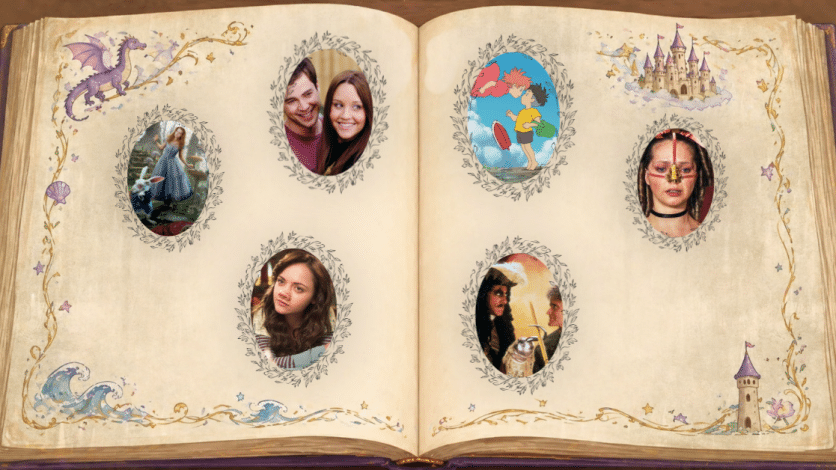
This is one of my all-time favorites, much to the contention of my best friend. Tim Burton’s take on Alice leans more into the strange and surreal, turning a familiar story into a film that many did not know was always chaotic and dreamlike. It’s less about clear logic and more about feeling lost inside a world that refuses to make sense. As a self-insert, this film was a cultural reset and one that I felt more accurately captured the jarring and displacement I felt when originally reading the novel.
Where to Watch: Disney+
Hook (1991)
While the 2003 version of Peter Pan was many people’s first crush, I felt that, since Hook asks what happens after the story ends, it was a more original retelling of the fairy tale. The film revisits Neverland from an adult perspective, reframing childhood wonder as something that can be lost and, maybe, found again. With the inclusion of the late Robin Williams, this is a nostalgic favorite for many.

Where to Watch: Philo
Ever After (1998)
While it’s not the version of Cinderella I grew up with, Ever After strips away the magic and replaces it with something more grounded and human. This version of Cinderella isn’t waiting to be rescued; she’s shaping her own story.
Where to Watch: Free with ads on Tubi
Sydney White (2007)
While tempted to add Mirror, Mirror, or Snow White and the Huntsman, this retelling of the fairy tale is set in a modern college environment. Sydney White reimagines Snow White through sororities, social hierarchies, and internet popularity. It keeps the bones of the story but updates the stakes. Amanda Bynes’s comedy was a refreshing, zany adaptation that I feel is less common than the others on this list.
Where to Watch: For rent on YouTube
Another Cinderella Story (2008)
At the height of Selena Gomez’s Disney days, this version trades glass slippers for dance floors and high school drama. While this retelling was not as popular as Hilary Duff’s fairy tale, to which this film was technically a sequel, it leans fully into the fantasy with a Step-Up-type story, showing how easily a classic story can shift into a modern setting.
Where to Watch: Free with ads on YouTube
Penelope (2006)
Penelope reframes the “curse” trope into something more personal by focusing on identity, confidence, and self-acceptance. It’s less about transformation for others and more about learning to exist comfortably as yourself. Penelope herself is a certified style icon in this film, and young James McAvoy, as the charming love interest, was a fun watch as well.
Where to Watch: Free with ads on Tubi
The Company of Wolves (1984)
This isn’t the version of Little Red Riding Hood you grew up with. Dreamlike and unsettling, the film leans into the story’s darker undertones, exploring fear, desire, and transformation. Much more reminiscent of Alice (2010) in ambiance, this may be a fairy tale film you’ve never heard of before!
Where to Watch: Free with ads on Tubi
Gretel & Hansel (2020)
By shifting focus to Gretel as a main character, this retelling turns a survival story into something more pensive and eerie. It is slow, atmospheric, and much more concerned with power than escape. It’s an interesting take that leans into the horror elements of the original fairy tale.
Where to Watch: Free with ads on Tubi
Sleeping Beauty (2011)
This film takes the idea of innocence and turns it into something uncomfortable and detached. While it is not a direct retelling, it echoes fairy tale themes in a much more unsettling, modern way. Very loosely based on the original tale, it’s still an interesting film and is definitely worth a watch.
Where to Watch: Free with ads on Tubi
The Ugly Stepsister (2025)
This is the third retelling of this classic fairy tale on this list, and it took the internet by storm. Instead of following Cinderella, this story shifts the spotlight to one of the more overlooked characters: the stepsister. By changing perspective, it questions who gets to be the villain and makes you rethink the tale once more. Drawing more elements from the original story, it brings my brother’s “Did you know the sister cuts off her toes in the real story?” childhood fears into visuals.
Where to Watch: Hulu
Ponyo (2008)
Not even one of Studio Ghibli’s best, this soft, colorful, and quietly magical film reimagines The Little Mermaid with a sense of childlike wonder. It focuses less on romantic sacrifice and more on connections between people, and maybe even soulmates. Perhaps Anderson would have appreciated this happy interpretation of his story.
Where to Watch: HBO Max
Fairy tales were never meant to stay the same. Long before they were written down, they shifted with each telling, shaped by the people and cultures that carried them forward. They reflect the cautions and morals that reflect the time period in which it is told. The films in this list continue that long and true tradition, taking well-known stories and reshaping them into something new, whether that means making them darker, reflecting their original tone, more romantic, more satirical, or simply more modern.
What makes these stories leave a lasting impression is not their endings, but their relatability. A tale as simple as Cinderella can be retold from three entirely different perspectives, as shown in this list, each one revealing something new about the characters and the world around them. There is no single “right” version, only the one that resonates at the time.
So maybe the moral of this tale is not to be afraid of the juicy apple, but to take a bite anyway, knowing the story will never savor the same way on your tongue twice.