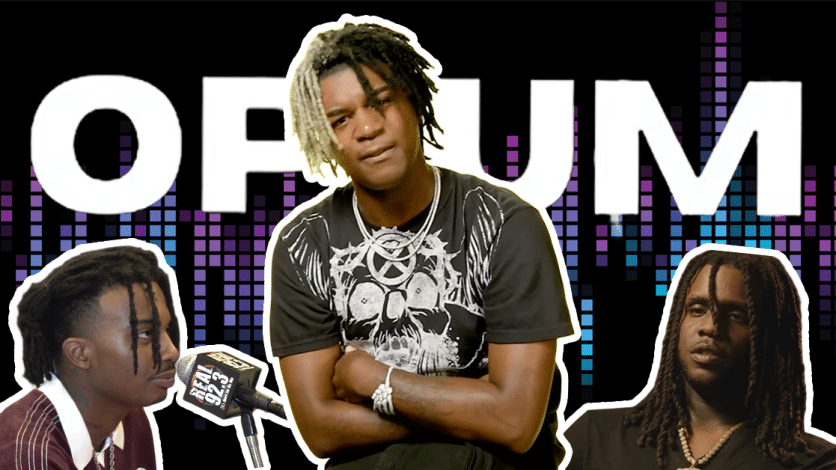
Hip-hop moves in cycles. Sounds that once dominated clubs, mixtapes, and car speakers eventually fade into the background, only to return years later in a completely new form. In 2026, one of the clearest examples of that cycle is the return of Glo, a sound that once defined the early 2010s. Glo is back and now reshaping modern rap through artists like Ken Carson and the Opium movement.
If you’ve spent any time online recently, you’ve probably already heard it. Whether it’s the blown-out 808s in TikTok edits, the chaotic synths flooding underground playlists, or the orchestral trap influence showing up in rage music, Glo has quietly become one of the most influential frameworks in hip-hop again.
What makes this comeback interesting isn’t just nostalgia. It’s the way a younger generation of artists has taken the foundation built by legends like Chief Keef and Waka Flocka Flame and transformed it into something futuristic, distorted, and tailor-made for internet culture.
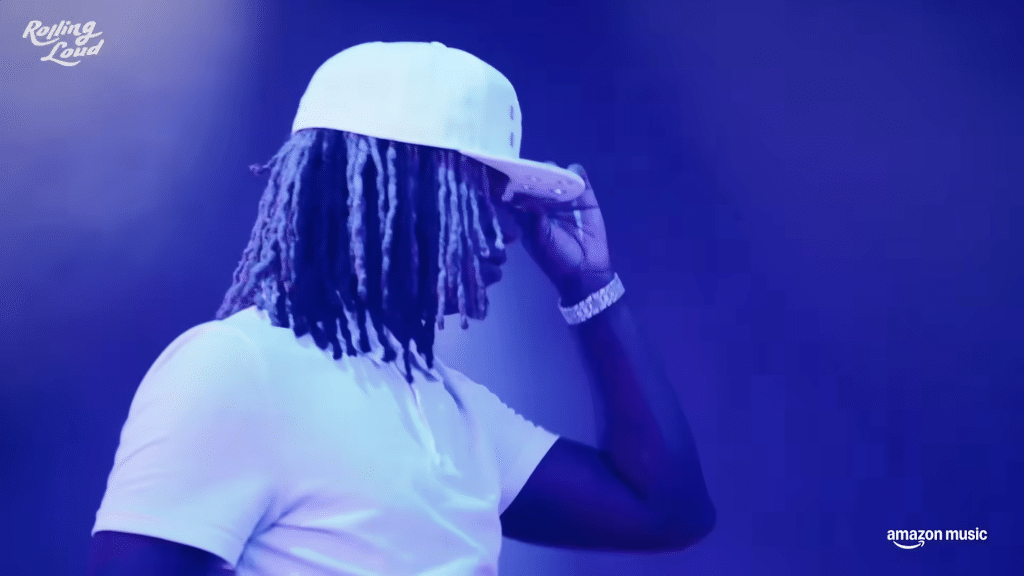
And with Ken Carson building anticipation for his upcoming album at events like Rolling Loud, where he previewed multiple songs to be on The Xperiment, the genre may be entering its biggest era yet.
What is glo?
Glo is a subgenre of trap music rooted in aggressive drums, cinematic melodies, and high-energy production. The sound became popular during the late 2000s and early 2010s through artists and producers who shaped the direction of mainstream trap music.
The genre is often built around:
- Syncopated brass melodies
- Orchestral stabs
- Bell and piano loops
- Heavy, distorted 808s
- Rapid hi-hats and snare rolls
- Anthemic hooks and aggressive performances
At the center of this movement were artists like Chief Keef (Glo Gang) and Waka Flocka Flame, alongside producers like Young Chop, Lex Luger, DP Beats, Zaytoven, DJ Plugg, and KC Da Beatmonster. Together, they helped create a sound that felt larger than life.
Back then, the sound that would later influence modern “glo” wasn’t treated like a niche internet subgenre — it was simply mainstream trap and drill music dominating the early 2010s.

Songs like…
- “Hard In Da Paint” by Waka Flocka Flame
- “Love Sosa” by Chief Keef
- “I Don’t Like” by Chief Keef featuring Lil Reese
- “Save Me” by Chief Keef
- “Blew My High” by Chief Keef
- “Versace” by Migos
…weren’t just hits, they helped define the sound of an entire era.
The early 2010s era of glo
Part of what made early Glo so impactful was its raw intensity. The beats sounded explosive and cinematic at the same time. Producers stacked orchestral sounds over pounding drums, creating tracks that felt built for giant speakers and crowded parties.
Lex Luger especially changed the game. His production style became one of the defining sounds of the mixtape era. Massive brass sections, chaotic drum patterns, and aggressive energy started showing up everywhere in rap music.
At the same time, Chief Keef brought a completely different energy to the genre. His music felt darker, more hypnotic, and emotionally detached in a way that would influence drill, rage, and underground rap scenes years later.
The impact of their work spread quickly across hip-hop.
Artists like Future and Young Thug had early Glo-inspired songs as well, including Future’s “Swap It Out,” produced by DJ Plugg and KC Da Beatmonster, and Thug’s “2 Cups Stuffed,” produced by Supah Mario. They continued experimenting with Glo-inspired production in their music. Songs like “Lil Haiti Baby” and “F Cancer (Boosie)” featuring Quavo carried traces of the same dramatic production style that had become impossible to ignore.
Even as trap evolved into different forms throughout the late 2010s, the DNA of Glo never really disappeared.
How the sound changed in the 2020s
By the early 2020s, rage music and hyper-digital production had become dominant forces in underground rap. Artists were moving away from traditional trap structures and experimenting with blown-out synths, clipping distortion, and futuristic aesthetics.
That’s where the Glo revival started taking shape.
Instead of directly recreating early 2010s trap beats, artists began blending Glo structure with rage production. The orchestral melodies were still there, but now they existed alongside digital synth textures and chaotic mixing styles.
One of the biggest artists leading that transformation was Ken Carson.
His 2023 project A Great Chaos became one of the defining examples of modern Glo evolution. While the album leaned heavily into rage aesthetics, its structure often mirrored the dramatic energy and melodic progression of classic Glo production.
Tracks like:
- “Fighting My Demons”
- “Lose It”
- “It’s Over”
- “SS”
all captured different sides of the sound.
“SS” in particular feels like one of the clearest examples of modern Glo. The song uses booming 808s, layered synths, and aggressive transitions that resemble the dramatic structure of early Lex Luger beats, but reimagined through Opium’s darker, more futuristic style.
That balance between nostalgia and innovation is exactly why the genre feels fresh again.
Why Gen Z connects with this sound
Part of Glo’s resurgence can be explained by the internet itself.
Modern listeners consume music differently than they did in the early 2010s. Songs now spread through TikTok clips, edits, livestreams, meme culture, and short-form videos. Tracks that create instant energy tend to thrive in that environment.
Modern Glo music fits perfectly into that ecosystem.
The distorted production and dramatic beat drops work especially well in gym edits, fashion content, gaming montages, concert clips, car videos, and TikTok trends to name a few.
A song like “Fighting My Demons” instantly grabs attention because it feels explosive within seconds. That matters in an era where listeners decide whether they like a track almost immediately.
At the same time, the emotional intensity of the music connects with younger audiences. Even though the production sounds chaotic and aggressive, many of these songs still carry resonant emotional themes underneath the surface: anxiety, isolation, confidence, rage, and escapism abound.
That combination of emotional vulnerability and maximalist production is a huge reason why Opium artists continue to dominate online conversations.
The influence of the opium movement
It’s impossible to talk about modern Glo without talking about the Opium label and aesthetic.
Founded by Playboi Carti, Opium has become one of the most influential creative movements in modern hip-hop. The label’s dark visuals, punk-inspired fashion, and distorted production have reshaped underground rap culture throughout the 2020s.
Artists like Ken Carson and Destroy Lonely have helped evolve Glo into something that feels almost cyberpunk.
Instead of relying entirely on traditional orchestral sounds, they often replace them with digital synths and futuristic textures while keeping the same aggressive structure that made early Glo so effective.
This influence has spread far beyond Opium itself. Artists like Ian, Summrs, Osamason, and MexikoDro have all experimented with versions of this sound.
Even veteran artists are returning to it. Trippie Redd leaned heavily into modern Glo aesthetics on Mansion Musik, a project executive-produced by Chief Keef himself.
That moment felt symbolic. The artist who helped define the original era was now directly involved in shaping its revival.
Why this sound keeps coming back
Hip-hop constantly reinvents itself by revisiting old ideas.
Jazz samples returned in the 2010s. Jersey club rhythms came back in pop music. Pluggnb revived melodic internet rap. Now, Glo is going through the same cycle.
But what makes Glo unique is how adaptable it is.
The original sound worked because it created energy. That same energy still works today, even when the production changes. Whether it’s orchestral trap from 2011 or distorted rage beats from 2026, the core feeling remains the same: intensity.
That’s why modern artists can reshape Glo without losing its identity.
The genre also represents a bridge between generations of rap fans. Older listeners recognize the influence of Lex Luger and Chief Keef, while younger listeners experience it through artists like Ken Carson and Playboi Carti.
That overlap helps the genre feel both nostalgic and current at the same time.
The build-up to The Xperiment
Now, much of the conversation around modern Glo is centered on Ken Carson’s upcoming album The Xperiment.
The hype surrounding the project has been massive online, especially after the release of singles like “The Acronym,” featuring Destroy Lonely, and “Margiela,” produced by Akachi.
Both tracks explore different versions of modern Glo production. “The Acronym” leans heavily into chaotic rage energy, while “Margiela” feels more atmospheric and melodic.
That flexibility is exactly why the sound continues evolving instead of becoming repetitive.
Fans are already treating The Xperiment like one of the defining rap releases of 2026, and many expect it to push the Glo revival even further into the mainstream.

Why you should press play right now
If you’re trying to understand where hip-hop is heading next, Glo is impossible to ignore.
The genre has become a blueprint for both underground and mainstream rap because it combines everything modern listeners respond to:
- Huge energy
- Emotional intensity
- Viral potential
- Aggressive production
- Experimental aesthetics
Most importantly, it captures the cyclical nature of hip-hop itself. Sounds never truly disappear, but they evolve with the next generation.
What started with Chief Keef and Waka Flocka Flame is now being reshaped by Ken Carson and a new wave of artists pushing the genre into uncharted territory.
And if the momentum around The Xperiment is any indication, Glo’s next era might be even bigger than its first.
Essential Glo Paylist
Want to hear the evolution for yourself? Start here:
Early 2010s essentials
- “Hard In Da Paint” by Waka Flocka Flame
- “Love Sosa” by Chief Keef
- “I Don’t Like” by Chief Keef featuring Lil Reese
- “Save Me” by Chief Keef
- “Blew My High” by Chief Keef
- “Versace” by Migos
- “Swap It Out” by Future
- “2 Cups Stuffed” by Young Thug
Modern Glo Essentials
- “Fighting My Demons” by Ken Carson
- “SS” by Ken Carson
- “Lose It” by Ken Carson
- “It’s Over” by Ken Carson
- “Margiela” by Ken Carson
- “The Acronym” by Ken Carson & Destroy Lonely
- “Till I Die” by ian
- “End Up Gone” by ian
- “Knuckle” by MexikoDro
What’s your favorite Glo track right now? Whether you’re revisiting classic trap anthems or discovering modern rage-inspired production for the first time, the genre’s evolution proves that hip-hop is always finding new ways to reinvent itself.