The term ‘industry plant’ has been around for decades. It’s stuck around for a reason. The phrase gives people a way to talk about the invisible powers that be behind an artist’s rise to fame. It’s not just slander, despite what a lot of people believe. It lets people question who gets boosted, who doesn’t, and how much seemingly “organic” success is actually engineered. Paying attention to the term means paying attention to pushy marketing tactics.
What’s an industry plant?
Independent labels
First, it’s important to note the difference between an independent label and a major label. The term “indie” has evolved to include a genre of music, but that’s not what the term indie originally implied. That lack of distinction is what makes this such a tricky topic to define.
“Indie” is really shorthand for independent. Independent labels are usually small (or medium-sized) and regional. Therefore, any artist in any genre can technically be indie. The downside to being signed to an indie label is that they don’t have big-budget funding. The upside is that artists typically have more creative control and general freedom than they would under a major label.
Image: Sony Music Group, Warner Music Group, and Universal Music Group
Major labels
There are only three major labels: Universal, Sony, and Warner. These labels own a massive amount of smaller labels. They dominate the market.
The problem is that nowadays a lot of ‘indie’ artists sound indie but are actually signed to the “Big Three.” An artist who projects “indie” branding but who is attached to a major record label is the broadest, most basic example of an industry plant.
The basic definition of an industry plant
Industry plants tend to misrepresent themselves by working under a smaller label that seems independent, but really isn’t. Covertly it’s just a child company in disguise owned by a major label.
Gen z really values authenticity. In a world dominated by fake news, culture and people, today’s youth crave truth in any form they can get it. So, labels market these artists as self-made and organic. Really though, they’re another product churned out by the corporate machines, backed by big finances and managed by big-name producers.
One more thing, too: these artists are primarily singers or rappers. Though instrumental musicians can be industry plants as well, it’s more difficult to pass off. There’s still skill involved, no matter how minute, that makes it fundamentally harder to be a complete impostor.

Industry plants wouldn’t act the way they do, look the way they do, or make the kind of music they do if a label wasn’t coaching them every step of the way. A plant’s management team picks their overall aesthetic for whatever identity they’re trying to market and see if it sticks.
Why bring it up now?
The term industry plant is nothing new to 2026. The phrase has been in circulation for over two decades, its use rising and falling based on who occupies the spotlight. The term has some heightened relevance right now due to a scandal that has brought it into the public limelight once again.
18-year-old Rapper, Gunner Shepardson– publicly known as Nettspend– was caught reading a script during his tour stop in Brisbane, Australia. Fans are now questioning Nettspend’s authenticity. This is once more bringing attention to whether artists whose careers have followed a similar trajectory to stardom are deserving of their success.
Origins of the industry plant
The term industry plant became popularized in the 2000s, but the idea came to be much earlier.
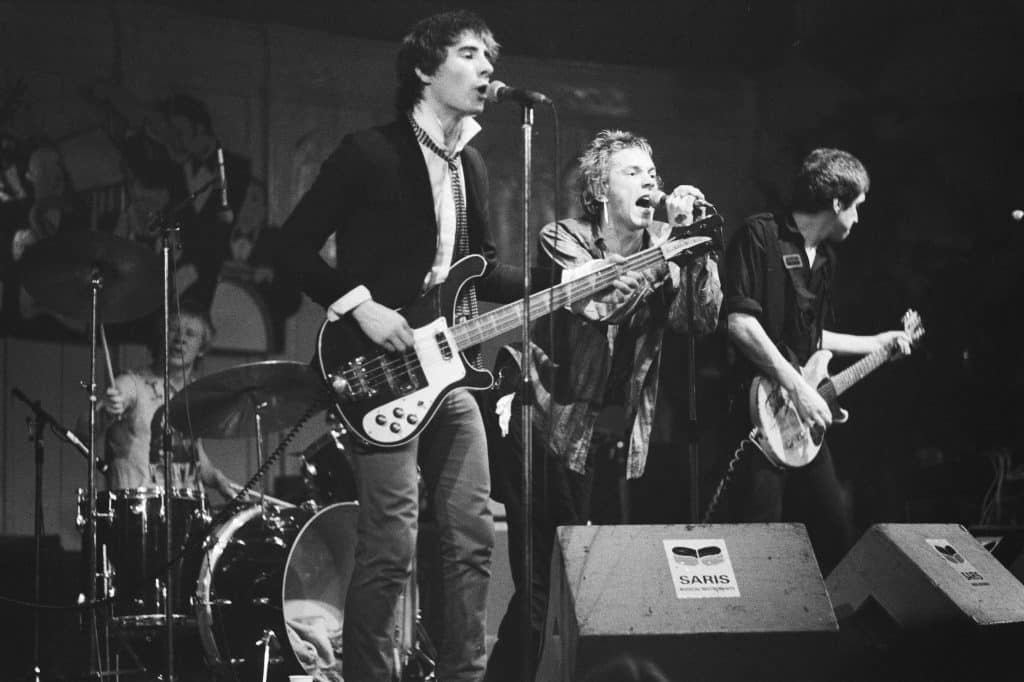
Image: Koen Suyk/Creative Commons
The very first example was way back in 1977 with The Sex Pistols. Back then, the term didn’t exist. Instead people— like Pink Floyd’s Roger Waters— would throw the words ‘contrived’ and ‘prefabricated’ at them. That was because clothing designer Malcom McLaren specifically created and managed The Sex Pistols in order to promote his boutique’s clothing.
The term became immensely popular with the rise of one prime example: Milli Vanilli.
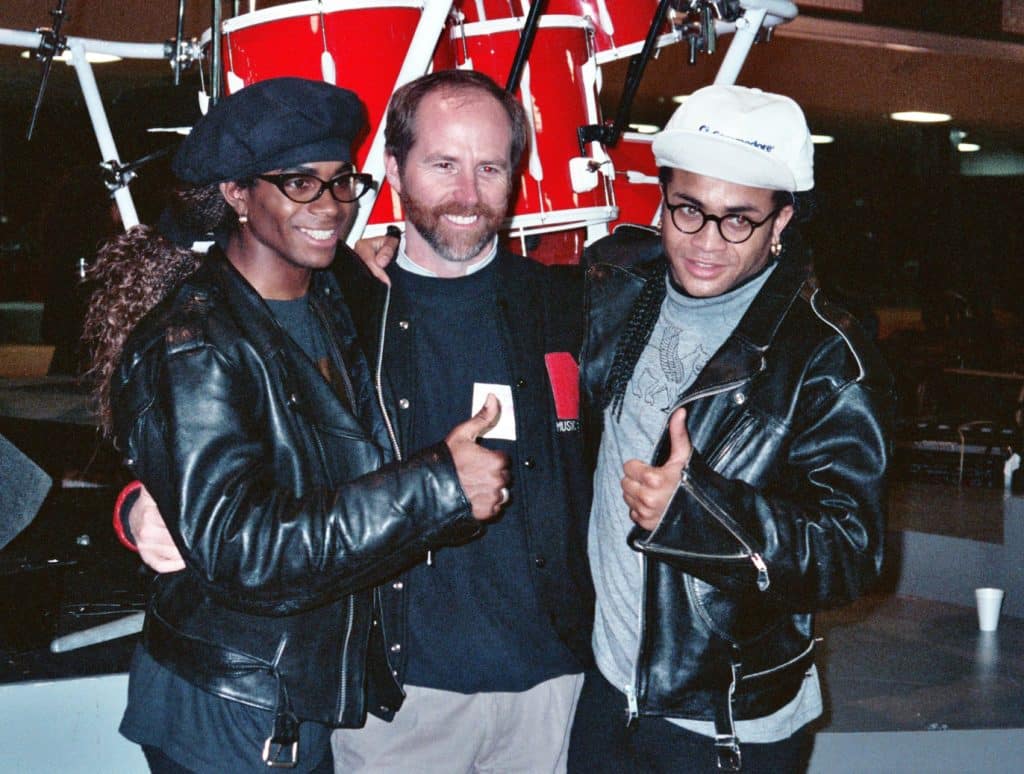
Image: Alan Light/Creative Commons
Milli Vanilli was an R&B duo consisting of Rob Pilatus and Fav Morvan. The pair were from Germany and gained international fame when 5 of their songs became Top 5 on the Billboard Hot 100. People loved them. That is, until their famous scandal during an MTV concert. It was there that the world found out they were lip-syncing during live performances.
As they sang their biggest hit, “Girl You Know It’s True,” the tape got jammed and the line, ‘Girl you know it’s…’ played repeatedly — looping over and over.
A few months later, a man named Charles Shaw gave a public statement (that he later retracted) saying he was actually one of the lead singers singing on the tape. A few months after that, Milli Vanilli’s producer, Frank Farian, confessed that Pilatus and Morvan were really just the faces of the R&B duo, and neither of them could actually sing. The scandal caused the Grammys to revoke the duo’s award– the only time in history that ever happened.
Farian had orchestrated the whole thing because he felt the actual creators of “”Girl You Know It’s True” were unmarketable, and he believed Pilatus and Marvan were conventionally attractive enough to take their spotlight despite having no actual talent.
Thus, the first industry plants were born.
How can you spot one?
If you look closely enough and do some critical thinking, there are signs that an artist isn’t truly who they seem to be. Word of warning: these are not definitive signs, but they provide good guidance nonetheless.
The image
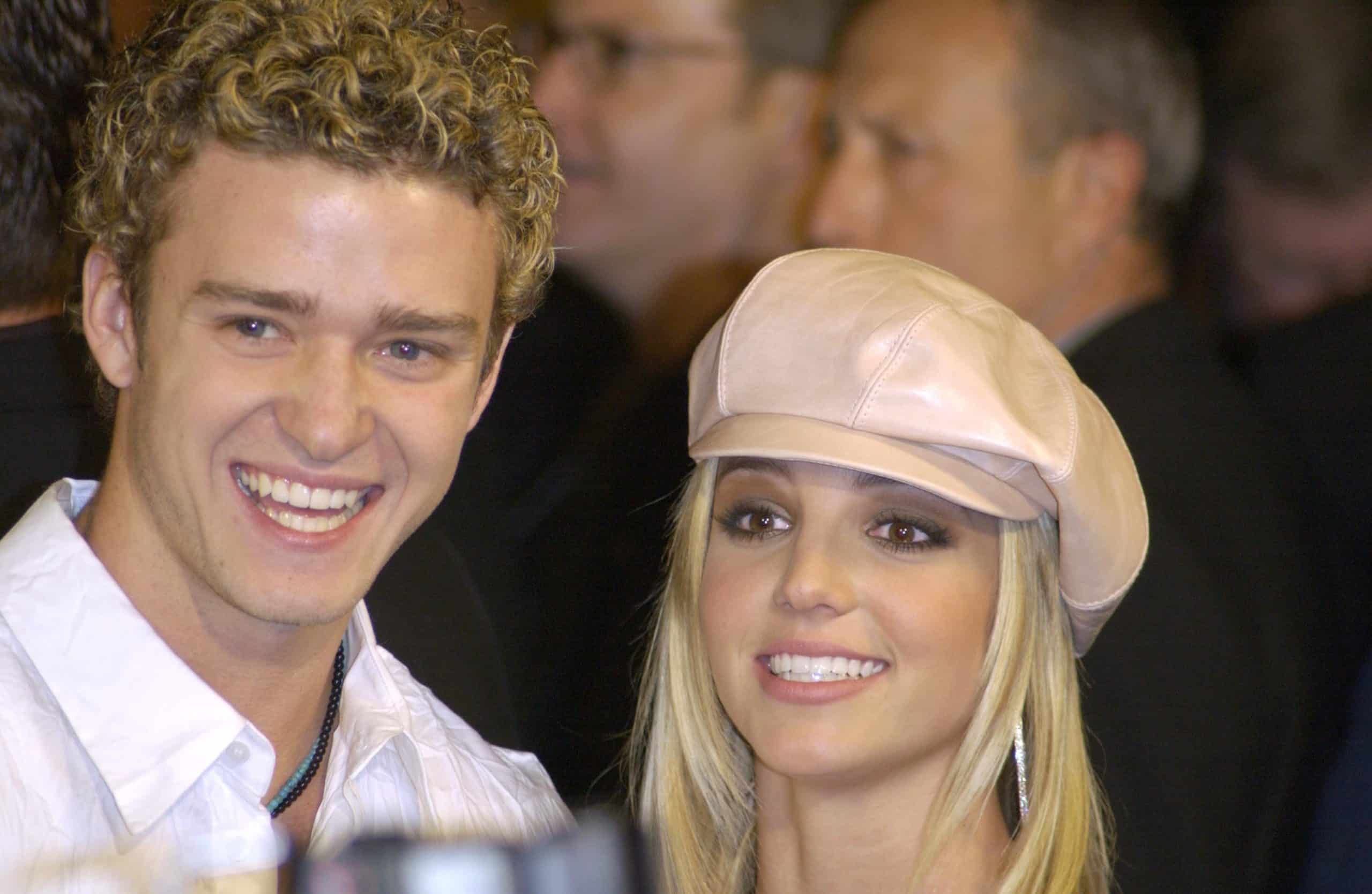
Image: Jaguar PS/Shutterstock
An alleged industry plant tends to have a specified, iconic image. This image is a combination of a look and a personality that a manager ensures stays consistent for marketing purposes. With industry plants, this image is a lot more curated, controlled, and extreme than the marketing tactics a regular artist might engage with.
Britney Spears is a great example, especially when comparing her early, carefully crafted image to her later eras, which were characterized by mental breakdowns. Spear’s management team marketed her not only as a sex symbol (despite being underage) but concurrently as saintly, innocent, and naïve. This is not unique for juvenile pop stars.
She consistently made statements about remaining abstinent until marriage. This was under the so-called guidance of her management team. Yet, that same team also simultaneously told Spears to pose seductively on the 1999 cover story of Rolling Stone. Spears has openly talked about—and taken legal action against—how nearly all aspects of her life have been meticulously and carefully controlled by her father and her management team in an abusive conservatorship.
Circa the early 2000s, major celebrity youths entered training programs to learn how to behave in a manner that oozed physical, mental, and emotional perfection. Every action became highly curated; their entire image was a faux representation of a perfected self that never really existed.
Not much has changed over the years. Now, training programs teach young, industry-made celebrities how to behave ‘properly’. These programs teach authenticity and vulnerability— traits that Gen Z values more than utter perfection. This is not something the industry rigorously trains the average performer in– it’s only for a select elite.
The rebrand
That image we talked about is subject to change when the company deems it desirable—also known as rebrands. We’re not talking about your typical rebrand here, the one many genuine artists go through midway through their career.
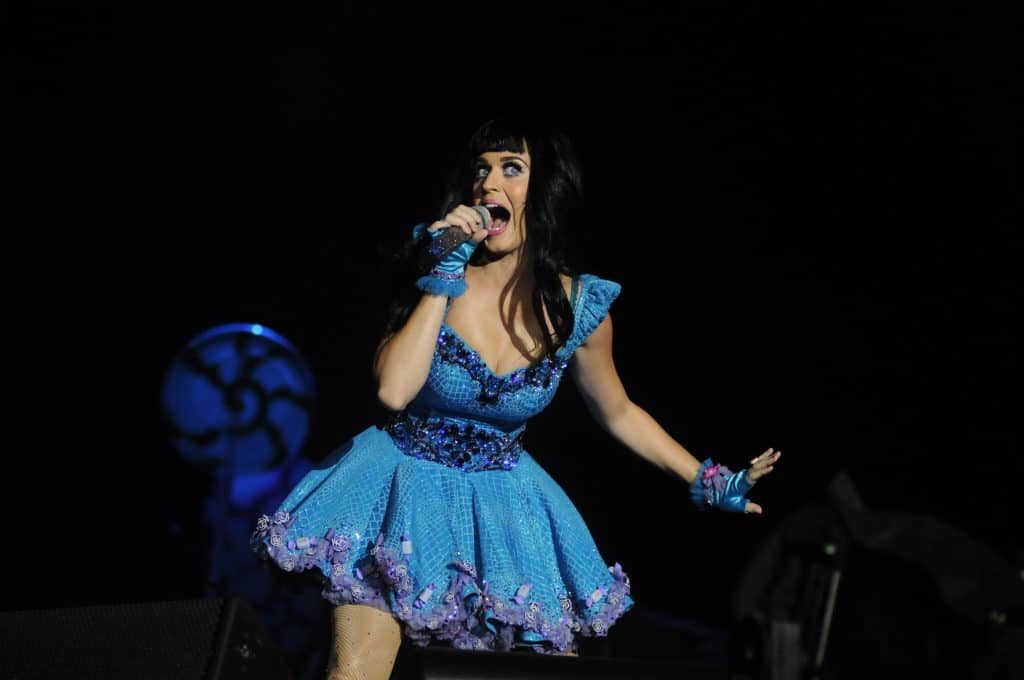
Image: A.Ricardo/Shutterstock
The rebrand that we’re discussing comes at the very beginning of an artist’s career. Katy Perry, for example, formerly known as Katy Hudson, started off as a Christian pop singer before she adopted the kitschy, cutesy, whimsical yet provocative look that dominated her career.
Most indie artists start off playing in bars and— if they’re lucky— manage to become a main act’s opener, performing in amphitheatre-sized venues.
Industry plants rarely start off in bars. Sometimes they do, but fail to get any traction– like Katy Perry. That’s when industry experts (mostly producers and sometimes managers) swoop in and change their entire identity to make them a star. A few weeks to a few months after gaining some popularity, they’re already uber well-known–maybe even headlining arenas.
The backstory
One of the best tell-tale signs of an industry plant is if an artist comes from a wealthy background. More often than not, planted artists usually have parents with connections to the music industry, but the managing team pushes a rags-to-riches narrative.
Their parents are rarely in the spotlight, but if you search them up, you’ll find out their occupation is a music or film executive, a stockbroker, or a financial advisor for a major record label. In short, someone who can pull some strings.
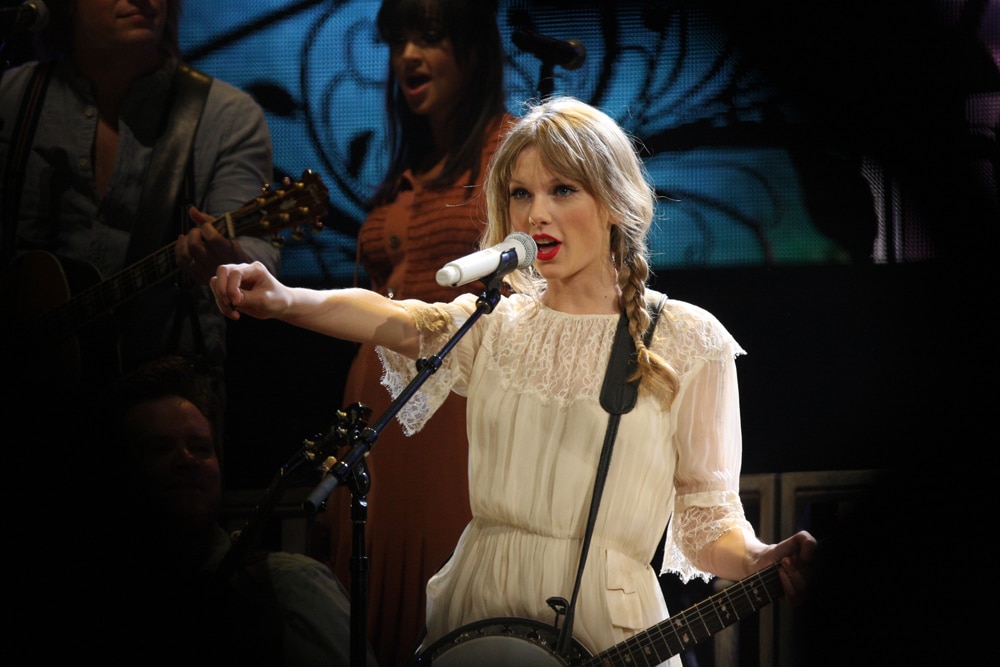
Image: Eva Rinaldi/Creative Commons
No shame to any Swifties, but it’s now a known fact that Taylor Swift’s father, Scott Swift, was a shareholder in Big Machine Records, the indie label she was first signed to. He had heavy involvement in managing her early career.
She started off as a country singer— a genre that’s quite blue collar and humble. Swift claimed she grew up on a Christmas tree farm. That statement has confused her hometown locals. Many have shared that, although the Swifts do own a farm, Taylor frequented a 5,000 square foot classic revival worth $900,000 only seven miles away. It became unclear where she actually lived.

Image: Shuvaev/Creative Commons
Producers and managers
If you want to know whether an artist is a plant, look to their producer and manager. Most industry plants have producers that only work with big names and major celebrities. If an artist is ever produced by Max Martin, for example, they’re most likely an industry plant.
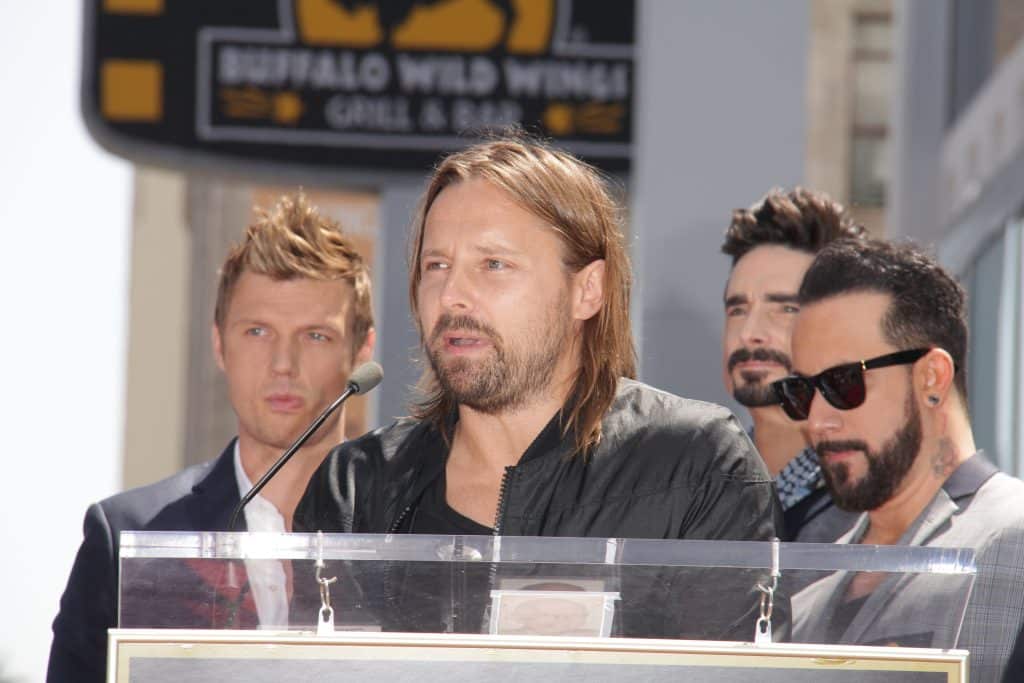
Image: Kathy Hutchins/Shutterstock
Tangentially related, if their first or second album sounds heavily produced, chances are they’re signed to a major label already and not actually an indie, rough-around-the-edges, and underfunded novice musician or singer.
Artist admission
When a major icon begins speaking out against their record label in an effort to gain creative control over their work, they’re admitting that at one point or another, they stopped having majority input. It happens all the time. Artists get sick and tired of having a major record label— or an over-controlling producer or manager— having final say on everything they’re allowed to release. Misrepresenting yourself gets exhausting.
Some notable cases include: Taylor Swift’s fight with Big Machine Records, Kesha’s famous legal battle with Dr. Luke, and Megan Thee Stallion’s restraining order against 1501 Entertainment.
While record labels naturally do have final say on what artists can release, only major mainstream artists with a tangible (a.k.a financially) valuable public image will have extreme and significant regulations on what they can put out.
This one usually only applies if an industry plant has longevity, consistent relevancy, and major cultural importance. Someone like Taylor Swift has the money to stand up for themselves, unlike most artists who are, unfortunately and surprisingly, quite broke and financially reliant on their label. When fans treat an industry plant like a trend, and they eventually become an afterthought, they don’t have the longevity, accumulated power, or finances to fight a major record label for freedom.
One important note on this: an attempt to break away from the creative shackles doesn’t always mean that an artist is undoubtedly an industry plant. In fact, it can indicate that an artist fought against a label’s attempt to mold or convert them into one.
Explosive exposure
I’ve touched on this one before, but it’s crucial: sudden massive exposure. If an artist goes from a no-name to headlining 20,000-seat arenas or festival line-ups, it’s a sign. Similarly, collaborating with major celebrities or receiving large endorsements right off the bat is also a good sign they’re an industry plant.
The term industry plant is divisive
It’s important to tread carefully with the term. Most people believe that the term is derogatory to successful artists.
There are very few actual examples of confirmed industry plants. That’s because confirmation needs to come directly from an artist or their marketing team– which doesn’t usually happen. Sometimes, though, artists are open and honest about their connections and financial backers. Miley Cyrus, Ariana Grande, and Lorde are a select few who haven’t shied away from their privileged path to fame.
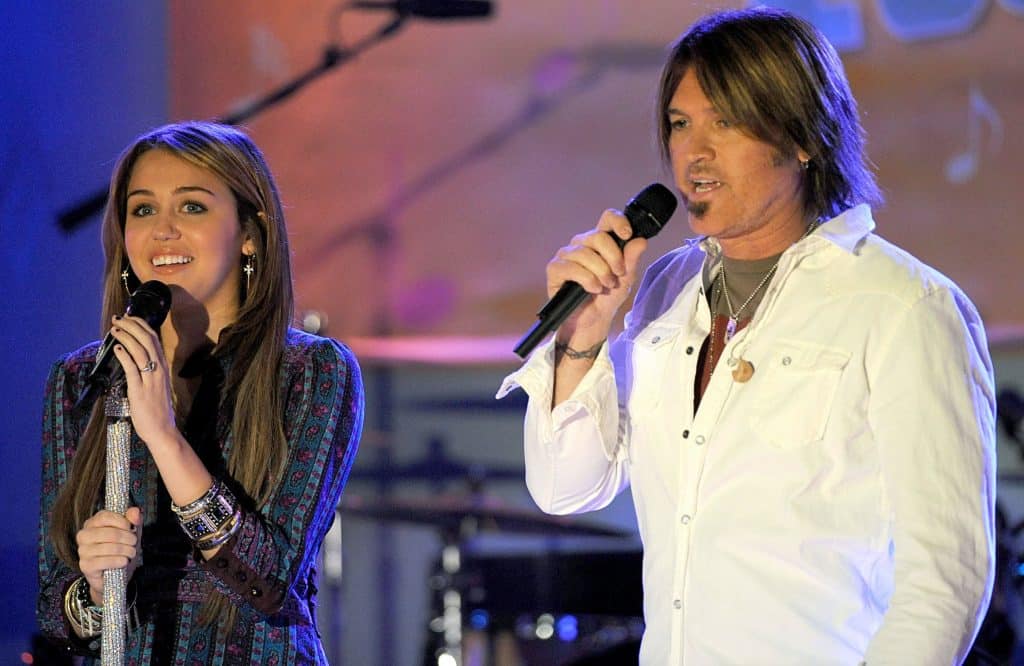
Image: Everett Collection/Shutterstock
It’s a divisive term, and to be fair, there are good reasons for that.
For one, industry plants have technically always been a thing– the music industry’s literal job is to market and put out the next big thing.
Plus, in today’s industry, to really make it as a musician, you do need connections; otherwise you’ll most likely never get discovered. Major labels control an estimated 65-70% of the global market share of music, and most musicians are signed to one of them.
And even through natural and organic chance, an artist can end up as an industry plant, depending on the producer and manager.
On top of that, sometimes artists really do blow up on TikTok, Insta, or YouTube. That kind of free publicity can launch an artist’s career at a shockingly rapid rate, and in a way that was never possible before the digital age.
And lastly, the standards for what defines an industry plant have changed dramatically over the decades— something that’s critical to this discussion.
Industry plants today versus in the past
The signs of an industry plant have shifted over time. Both fans and the industry alike treat what was once a dead giveaway as just an industry standard. Now, for the sake of an argument, let’s ignore financial backing and industry connections, an artist’s look or rebrand, and simply focus on an artist’s ability to sing.
If Milli Vanilli had pulled their lip-syncing stunt today, and not thirty years ago, the reaction wouldn’t have been so negative nor so strong. Nowadays, most major label artists do lip-sync, but back then, you weren’t a real artist unless you could sing live, too.
Though music listeners will accept lip-syncing, far fewer would accept the notion of their favorite artist hiring ghost singers to vocalize on their album, as Milli Vanilli were outed for.
The thing is, though, artists today don’t need to do that. Now we have pitch correction.
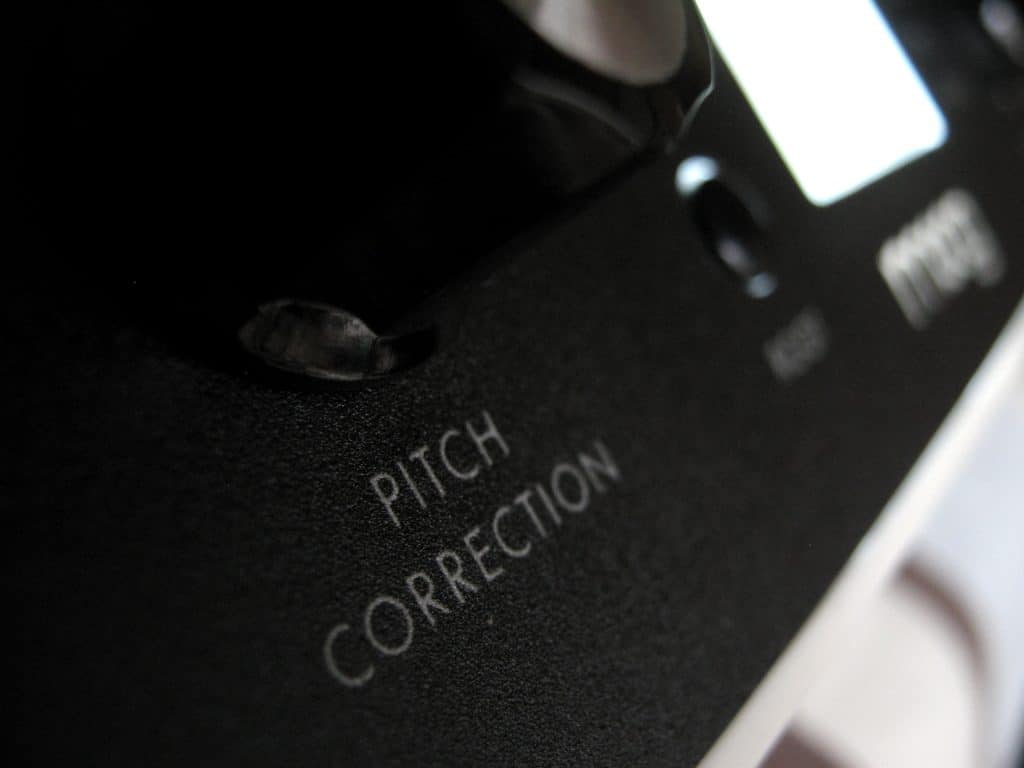
Image: Audiotecna/Creative Commons
Pitch correction is an audio process technique that fixes the pitch of a singer’s voice by correcting any off-key notes. The end goal is to perfectly match the pitch of the song’s melody without error.
Before the technique became popularized singers would do dozens of takes to sing a song in a near-perfect pitch. The thing is, artists do not sound mathematically and robotically perfect when trying to match keys to a melody. That doesn’t necessarily mean something needs fixing. In fact, it’s what makes music so human and so natural. Pitch correction changed that, though.
At the turn of the century, Antares Auto-Tune hit the market, and Cher’s Believe made it extremely popular. This has made it easy for, essentially, anybody to become a singer. No longer do artists need to master the ability to sing in near-perfect pitch. They don’t even have to sing in the correct key. Now their producer can just use pitch correction.
If an artist lip-syncs, people don’t think it’s too big of a deal. What if that same artist who lip-syncs at shows also has pitch correction in all the songs in their discography? It’s too effortless. Both combined shows a complete lack of skill. The artist becomes just a face and a name.
Who even cares?
Music lovers argue that industry plants take away resources from artists who aren’t conventionally attractive or cool but are skilled. At the same time, maybe those resources wouldn’t ever go to innate talent. Charles Shaw, one of the real singers behind Milli Vanilli, ended up forming a band called The Real Milli Vanilli. It never really caught on. Maybe Frank Farian was right. It’s no secret we live in a world that prefers a pretty face and persona over real talent.
Others argue that industry plants are killing the humanness that makes music, well, music. In turn, creativity and music culture are allegedly slipping away as artists put less and less effort into real skill. Yet, industry plants are at least human beings with human qualities– even if they’re tucked away deep, deep down.
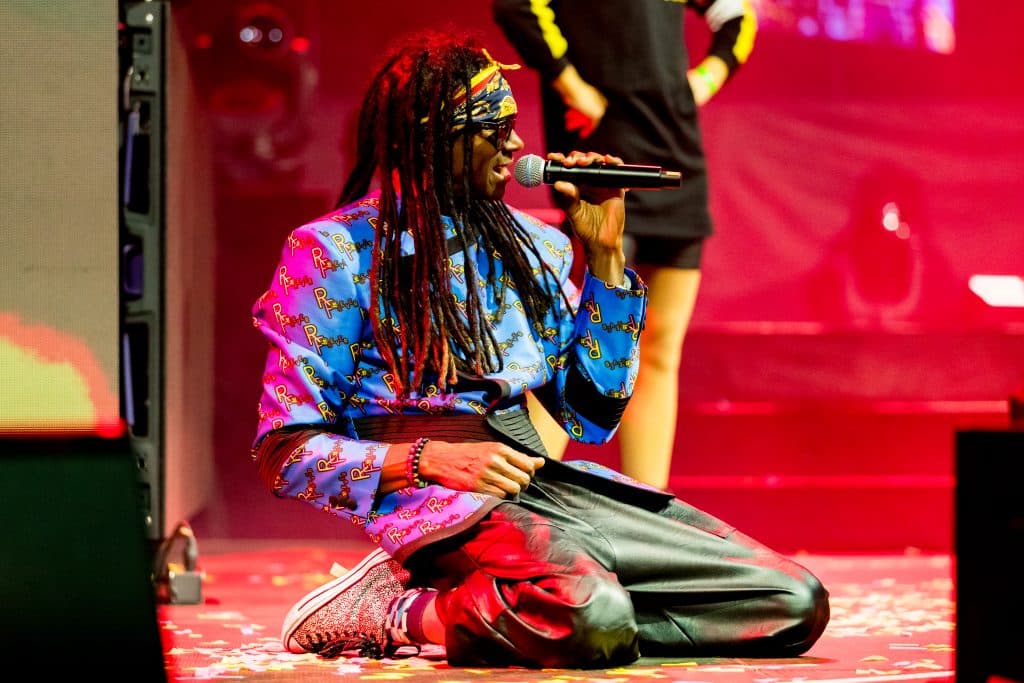
Image: Sven Mandel/Creative Commons
At the end of the day though, if it turns out your favorite artist is an industry plant, it’s okay. Sometimes producers really do know how to find a catchy tune and some managers know the perfect face to attach to it. In fact, that guy from Milli Vanilli— Fab Marvan— still performs. His fans carelessly shout along to “Girl You Know It’s True” when he takes the stage.