
Since the release of the film It Ends With Us in 2024, Colleen Hoover has continued to be a topic of interest. The release of this adaptation has caused several issues for the famous author. It was largely sparked due to a legal matter involving actors Blake Lively and Justin Baldoni. But prior readers of Hoover have noticed a recurring tendency to romanticize important topics.
Past Adaptations: It Ends With Us
The film It Ends With Us is one of many adaptations that Colleen Hoover is hoping to produce, with recent releases including Regretting You and future ones like Verity.
As more movies come out, the controversial topics continue to pile up. Following the sneak peak into It Ends With Us, fans communicated their disappointment regarding casting decisions. But after watching the film, the critiques only heightened.
The main character of the book, Lily Bloom, is meant to have a bit of an eccentric style. This did not translate well in the adaptation. Instead, we saw messy outfits and layered jeans. Fans were extremely disappointed in the lack of aesthetic creativity when it came to character fits.
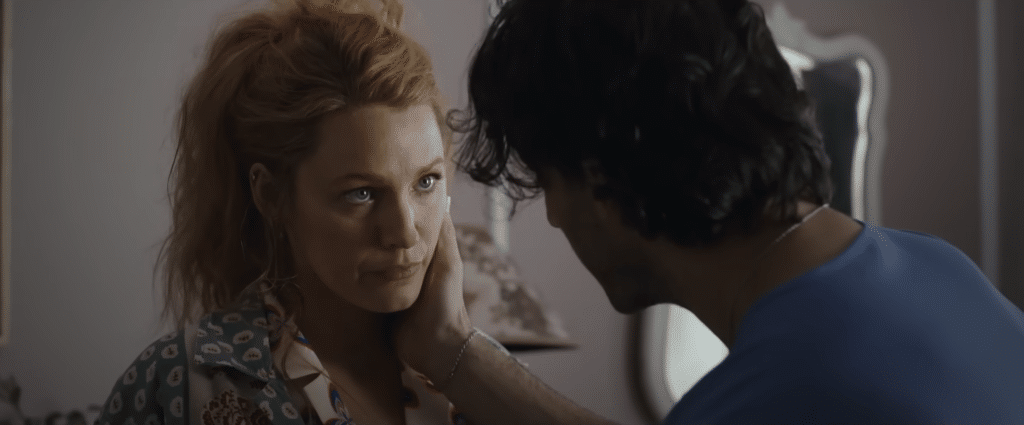
Looking at Reddit comments, the fans have not held back with their opinions, especially toward the main character. User lumpy_chemtrail wrote, “The wardrobe feels like a prank at this point”.
Other comments took issue with the age of the actors.
In the book, Lily Bloom is written as a 23-year-old young adult. The decision to cast a 36-year-old created a sharp disconnect for her audience.
But unfortunately for Hoover, the ages and outfits were only the start of the issues surrounding this film.

Blake Lively Controversy
Blake Lively is an extremely well known actress who has played in prominent TV shows and films like Gossip Girl and A Simple Favor. The hate directed toward Lively after the release of It Ends With Us was shocking for fans, myself included.
The fall of Blake Lively began with her promotional efforts, which appeared inappropriate to fans.
Domestic violence is a central focus of the film, and one would assume that Lively would address this during press interviews. But she did not.
Critics accused Lively of exploiting the film to promote herself and her husband, Ryan Reynolds.
At the time, her husband was starring in an upcoming movie, which was a frequent discussion point for Lively. She was equally intent on advertising her new hairspray line, which she used on her character Lily Bloom.
As a result, Lively came across as insensitive toward victims of domestic violence. Moreover, after the film, Lively decided to file a lawsuit against her costar Justin Baldoni accusing him of sexual harassment.
This put a spotlight not only on the cast but on the film itself, and the lines between the various issues became blurred. Was the hate primarily for Blake Lively, or was it more so tied to Hoover’s romanticization of domestic violence?
Representations of Domestic Violence and Infidelity
As an avid reader myself, the surge of hype around Colleen Hoover in 2021 influenced me to read a good amount of her books.
After the third book, I noticed a consistent theme. The main issues plaguing her book couples typically dealt in abuse or adultery.
Many of her male main characters represented aggressive and stereotypical behavior that would be alarming in real-life relationships.
And in multiple cases, the female main characters return to their abusive counterpart.
In It Ends With Us, fans were unsatisfied with the ending. Granting Ryle, an abusive man, an ending with basically no consequences other than a divorce should not be normalized. In fact, the ending eludes to him co-parenting his daughter with Lily.
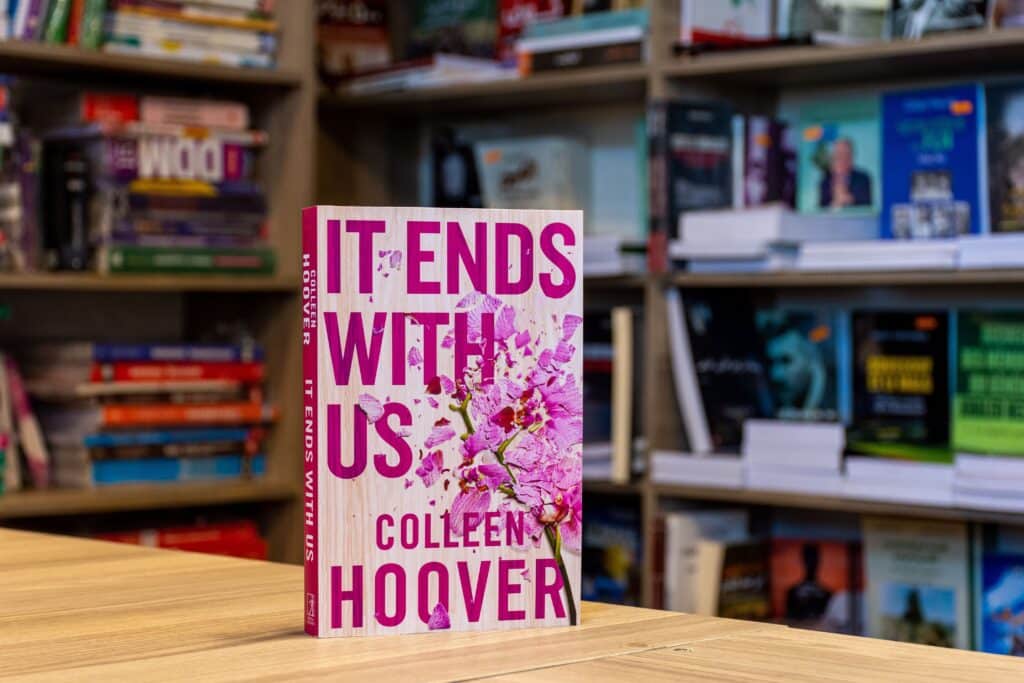
I was equally horrified by other stories written by Colleen Hoover, such as Ugly Love. In this book, the main couple meet due to their past partners having an affair with each other.
As the story continues, the reader witnesses the male main character cheating. After this is revealed to the female main character, she ends up taking him back, allowing this cycle of infidelity to continue.
In a number of Hoover’s books, it is evident that the women are given roles of submission and suffering at the hands of the men. After realizing this theme, fans grew weary of Hoover’s portrayal of women. This discovery increased the hate directed toward Colleen Hoover and her stories.
Continuing Adaptations
With the mounting debates circulating about Colleen Hoover’s books, one must wonder whether or not adaptations of her novels should persist.
Publicizing her writing could cause viewers to internalize and normalize harmful behavior.
That being said, the releases of two adaptations are paving the way for a third. The third adaptation, which is following It Ends With Us and Regretting You, is based on the book Verity.
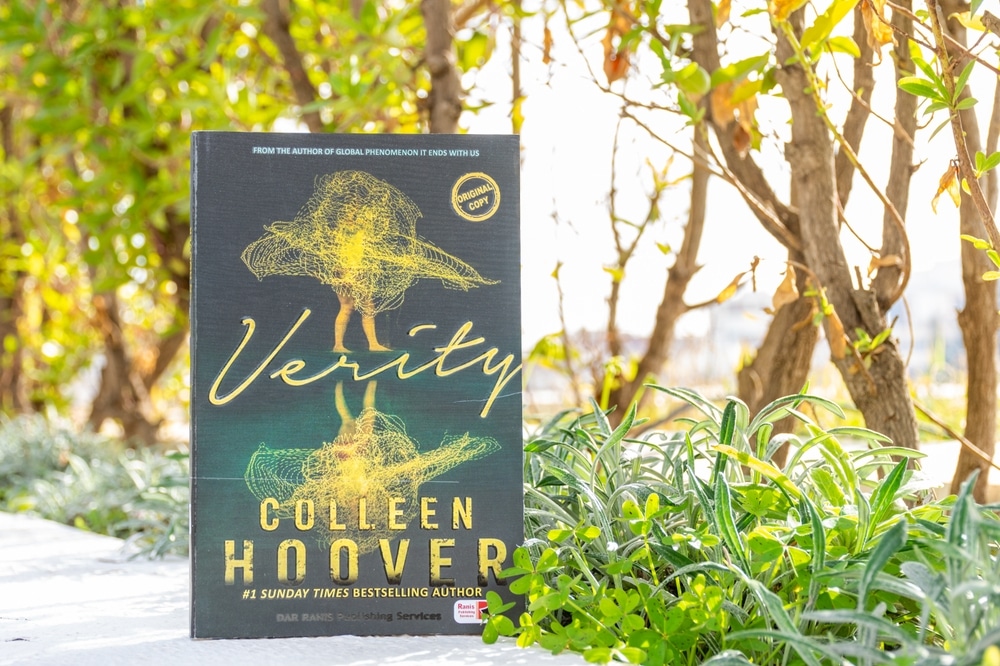
While still a romance, Verity is also classed as a psychological thriller.
However, the controversial themes persist. The story revolves around an affair between the male main character Jeremy and a character named Lowen, while Jeremy’s wife, named Verity, is described to be in a kind of coma.
Domestic violence and infidelity are sensitive topics that should not be correlated with romance. The audience consuming this content ranges from teens to a variety of adults, and the influence of media in today’s world needs to be considered when developing novels and films that showcase violent themes.
While Hoover does continue to experience hate, she is simultaneously receiving positive feedback from numerous readers who find her stories entertaining.
It is this fanbase that is driving the appetite for additional adaptations and book releases.
We can only hope that Hoover’s future stories shift toward more appropriate topics that do not glorify violent and distressing themes.