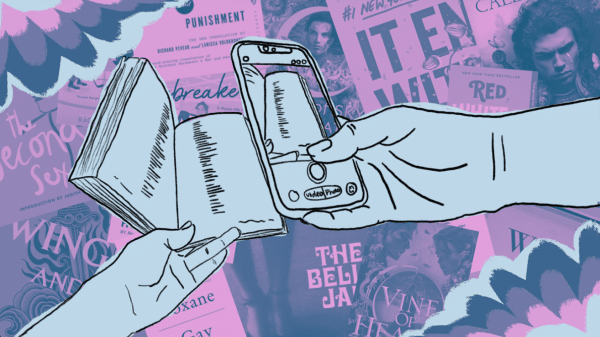
Once upon a time, during a class trip to the library, a young boy picked up the book Beauty and the Beast. When the other boys mocked him for his “girly” reading choice, he ran to the shelf to choose a new book. Meanwhile, a few feet away, a young girl cracked open Where the Wild Things Are, and no one looked twice.
It’s no secret that girls read more than boys. Growing up between the ages of 12 and 18, I had no shortage of stories that I wanted to read. The majority featured female protagonists, though I wasn’t opposed to reading books with male protagonists. This is not always the case for boys, who are mocked for reading stereotypically “feminine” books.
Society also discourages boys from reading fiction, causing them to miss out on important reading lessons. To reverse this phenomenon, we must first understand its root causes.
The power of stories
It is taught, learned, and internalized that boys and girls like different things. Boys like trucks, and girls like dolls. Is this biology at work? Or is it primarily a product of environmental influence?
Stories have always played one of the biggest roles in molding cultural norms by underscoring the power of perspective and empathy. But boys are reading at significantly lower rates than girls. A 2018 Deloitte study found that while over 40% of girls aged 15 reported reading for at least 30 minutes a day, only about 25% of boys of the same age reported similar reading. If reading is so pivotal for kids, what are boys missing out on in terms of emotional and cognitive development?
Childhood development
With young children, even minor experiences can permanently change their cognitive functioning. Neurologists describe this phenomenon as neural plasticity, or “the ability of the nervous system to change its activity in response to stimuli.” This means that the discrepant treatment of boys and girls can have profound effects on their developing brains.
In her book Gender in Early Childhood, Susan Grieshaber investigates the act of gender-coding children as early as the fetal stage. She notes how knowing the baby’s sex before birth invites parents to view the fetus as a gendered being. They then begin to employ restrictive language, including “gender-appropriate” names.
Parents are responsible for supporting their children’s expression of identity and encouraging them to be their authentic selves.

Kids learn from their parents
Kids can’t always be blamed for their habits because they learn many of them from the adults in their lives.
A 2022 survey from the National Endowment for the Arts found that men’s reading levels were at 27.7% while women’s were at 46.9%. Studies comparing the gap between young boys’ and girls’ reading habits produced similar numbers. This could signify that boys are picking up their reading habits (or lack thereof) from their fathers, uncles, or other male role models.
Furthermore, a 2025 study from HarperCollins demonstrated that boys ages 0-2 receive less reading from their parents than girls do. HarperCollins also reported that about 44% of girls aged 0-2 are read to every day, while only 29% of boys of the same age are read to every day. This parental behavior inherently pushes boys one way and girls another. Boys are less likely to grow up to be readers if their parents don’t introduce them to the joy and benefits of reading from a young age.
Boys don’t read “girl” books
It’s equally important to address the fact that boys read far fewer books featuring girls.
Looking at the top ten bestselling female authors (Margaret Atwood, Jojo Moyes, etc.), only 19% of their readers are men. On the other hand, looking at the top ten bestselling male authors (J.R.R. Tolkien, Stephen King, etc.), a gross 45% of their readers are women. This reinforce the fallacy that men’s stories are universal, whereas women’s stories are only for other women.
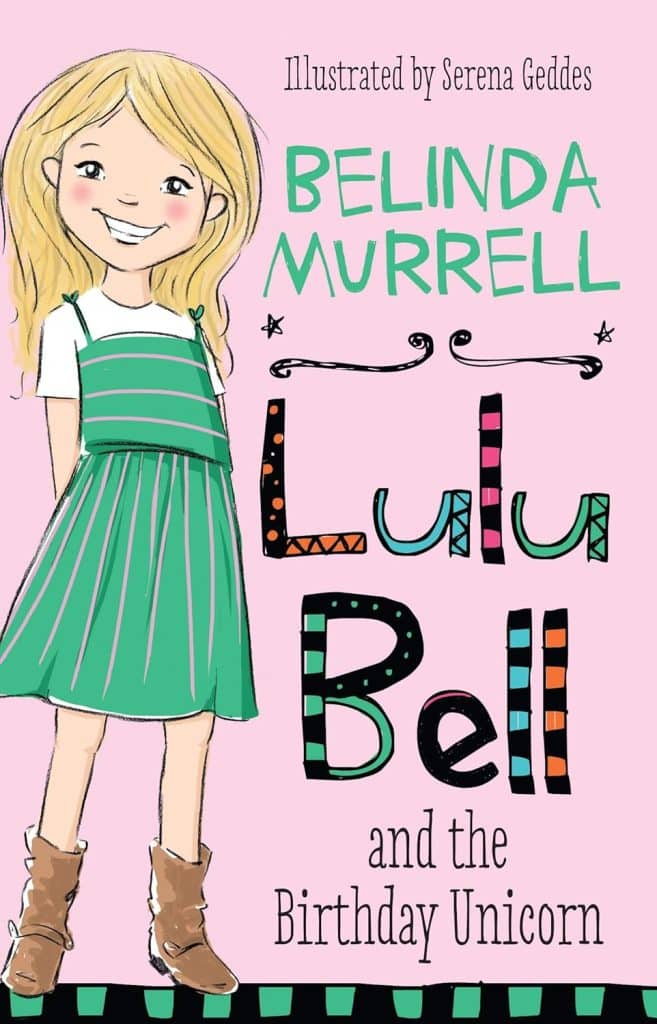
Even school teachers and librarians play a part in the process. International bestselling children’s author Belinda Murrell claimed that “schools prefer to book a male author as they assume that their books will appeal to both boys and girls, while they may choose not to book female authors as they assume their books will only appeal to girls.” This dangerous practice enables boys who are unable or unwilling to put themselves in a woman’s shoes.
What can we do?
Although the future may seem bleak, there are small steps we can take to make reading enjoyable for everyone.
For starters, we can watch the language we use and the pressures we put on children, particularly when it comes to boys, since they are often pushed away from reading and toward stereotypically “boy” activities such as video games or sports.
Secondly, we can convince publishers to steer away from such deliberately gender-coded covers on books for kids and teens. Books featuring more perceived “feminine” designs, whether consciously or not, send signals to boys that this is not a book for them.
The books we read in school can have a lasting impact on the readers we grow up to be. Schools have an obligation to shape bright kids into good people. It’s critical that boys continually hear, listen, and learn about girls’ stories. Assigning more female-centric stories for school reading is a great place to start.
School book fairs and author events are two helpful resources for fostering reading. Scholastic is known for its book fairs, which simplify the process of finding and obtaining books. As we champion these fairs, we must also advocate for schools to bring in more female authors with female-centered stories.
Make kids love to read again
Everyone has a responsibility to revive children’s love of reading. Even as social media and technology compete for our attention, people will always crave storytelling in the form of books. Schools can help bridge the gendered reading gap by featuring more female authors and continuing to select female-led books for class. Acknowledging the origins of the gap, as well as its enduring impact, will ultimately cultivate a more equitable reading space. Together, we can raise children who love to read and read to love.