

If you walk into any movie theater today, you might notice a trend about the films being shown: They’re nearly all remakes or book-to-movie adaptations. The massive flood of useless sequels and repeat superhero movies forces audiences to consider if true creativity is dead and originality is extinct.
However, most people don’t realize that remakes aren’t a new thing. Since the beginning of the film industry, filmmakers have been adapting stories into a visual medium. The purpose was to offer a unique perspective on storytelling, as well as experiment with a new art form.
As an English and Film Studies student, the debates about book-to-movie adaptations live rent-free in my mind. Because of this, I honestly believe that film versions receive too much hate. Yes, the infestation of movie adaptations of books and sequels has worsened in recent years. Yet that shouldn’t completely discount the quality of their cinematic art.
Obviously, this is all up to personal preference, since art is subjective. But to properly unpack this timeless battle, here are 5 examples that will have you second-guessing if the book is fundamentally better than the movie.
The Virgin Suicides
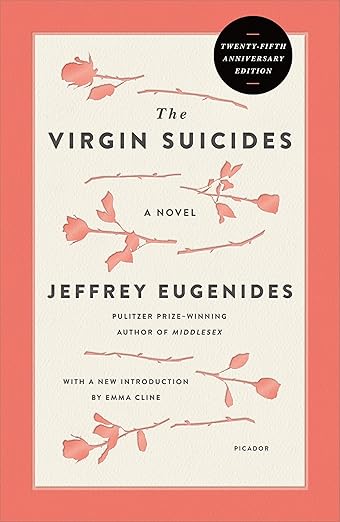
Director Sofia Coppola is responsible for making the 2001 film version of Jeffrey Eugenides’s 1993 novel so culturally iconic. She demonstrates notable visual aesthetics and themes of female subjectivity across her filmography. Coppola’s status as an auteur creates an unforgettable viewing experience, which in my opinion leaves the novel in the dust.
The Virgin Suicides is a story about girlhood told through the collective male gaze of the neighborhood boys. Coppola’s application of the female gaze allows for a multifaceted yet still faithful interpretation of the Lisbon sisters. The presence of the female gaze makes more thematic sense as opposed to the exclusive masculine narration in the novel.
Eugenides falls short in comparison to Coppola because the book invests in atmosphere, which is arguably easier to convey in a visual medium. The nuance of narration and the Lisbon sisters as an entity flourish in film.
The movie’s nostalgic visual style cultivates a haunting yet aesthetically pleasing mood that cements the status of The Virgin Suicides as a cult classic. The dreamlike mood and the absolutely perfect soundtrack ensure that it triumphs over the novel!

The Shawshank Redemption (Rita Hayworth and Shawshank Redemption)
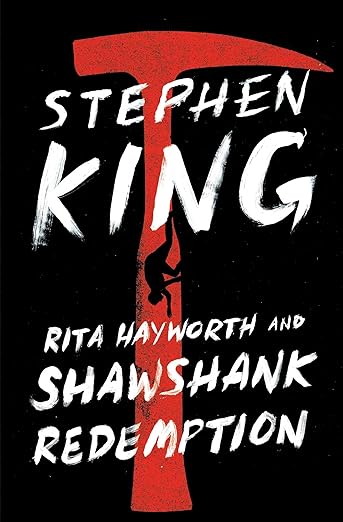
This 1982 novella by Stephen King received a much-needed film adaptation in 1994. The film went on to receive seven Academy Awards, which clearly shows its supremacy over King’s novella. The book falls short compared to the movie because of its abbreviated length. It resembles Red’s narrative diary instead of a fully fleshed out story like the film’s grim journey.
Not only does the movie adaptation include the majority of the novella’s plot points; it also further expands on details and infuses more emotional punches, making it an unforgettable viewing experience!
The powerful friendship between Red and Andy comes to life in the film. Andy’s wrongful conviction is all the more compelling with the two-hour and twenty-two-minute runtime, as the film takes a deeper dive into complex themes and the nuances of the prison system.
Who Framed Roger Rabbit? (Who Censored Roger Rabbit?)
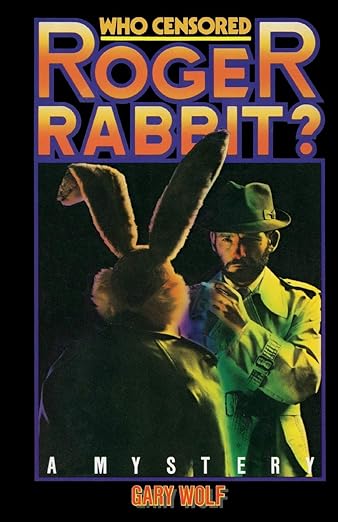
This 1988 film is a childhood classic, but did you know that it wasn’t entirely a Disney original? Who Framed Roger Rabbit? was inspired by the less popular 1981 novel Who Censored Roger Rabbit? Although they share character names and the inclusion of animated characters, their major differences have allowed the film to become a beacon of popular culture.
In the novel, Roger Rabbit is “censored” (murdered), and his doppelgänger helps detective Eddie Valiant solve the mystery. The story adopts a dark and cynical approach to its satire, which strongly contrasts with the movie. Who Framed Roger Rabbit? uses a light-hearted, comedic tone to explore why Roger Rabbit is being framed for murder rather than being murdered himself.
The film’s straightforward, family-friendly plot engages a wider audience than the book. Its innovative film technique of blending live-action and animation also launched the movie to popularity, and it was repeatedly praised as cinematically groundbreaking.
Buy on Amazon
Fight Club
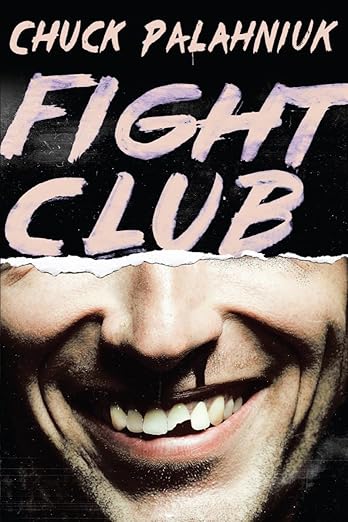
Another cult classic on the list, the 1999 David Fincher film adaptation was born out of Chuck Palahniuk’s 1996 novel of the same name. Both stories prominently feature themes about anti-consumerism and toxic masculinity, especially since the film is highly faithful to the novel. Yet the two forms diverge experientally.
The movie Fight Club largely excels through the unique qualities of the visual medium. The narrative voice is more attention-grabbing in the movie, as is the dynamic between the Narrator and Tyler Durden. The anxiously cynical mood translates perfectly through Fincher’s aesthetically crafted atmosphere and camera direction. The movie visually manipulates audiences, which aligns with Palahniuk’s intentions for the book.
The major twist in the book—when the Narrator discovers that his insomnia turns him into Tyler Durden—plays out masterfully on screen, solidifying the movie into the audience’s memories.
The Hours
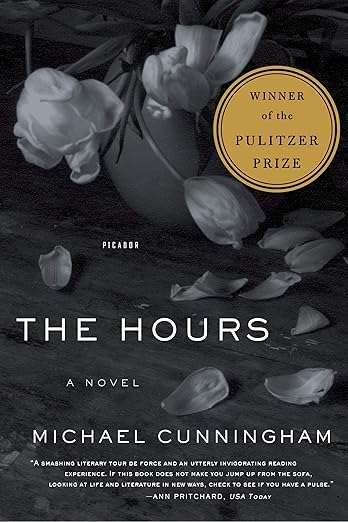
Michael Cunningham wrote The Hours in 1998 as a tribute to Virginia Woolf’s acclaimed novel Mrs. Dalloway. Although the source material has strong literary ties, the movie is just too beautiful to rank below it!
Where the novel uses stunning prose, the film unveils a gorgeous atmosphere that pulls you deeper into the story. The movie’s exploration of the inner lives of the women is more understated than the novel, providing nuance and visual complexities. The powerhouse cast further lifts the characters off the page, adding emotional intensity that will have you tearing up!
As a Virginia Woolf fan, I love how this movie brings Woolf to the screen—a rare occurrence—and dissects her relationship to her work, rather than painting the static image that is commonly attributed to her name.
Do you have a favorite book-to-movie adaptation that you will fiercely defend? Comment below!