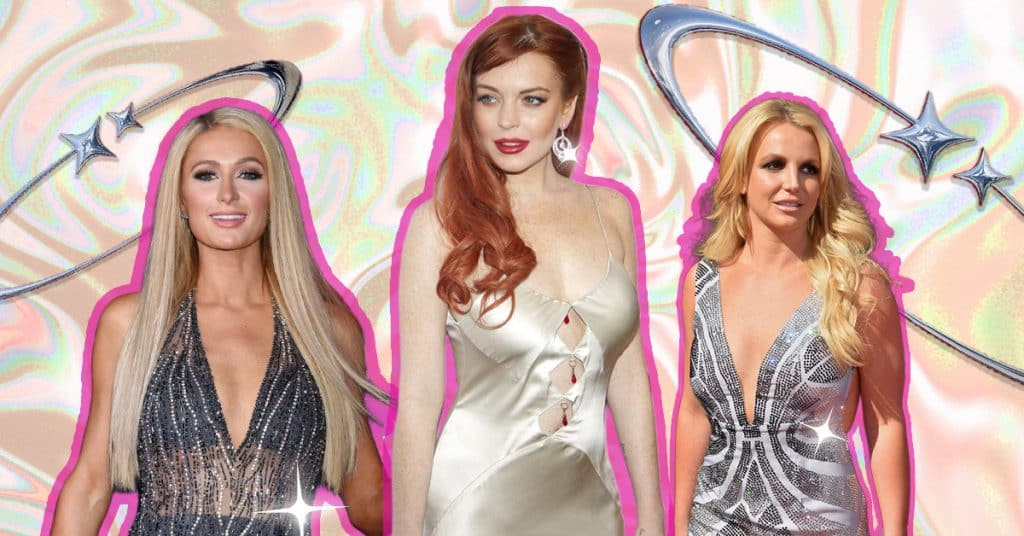
Lindsay Lohan’s return to Hollywood has reignited nostalgia for the celebrities who defined the 2000s while prompting a wider question: can Hollywood still create the same scale of the ‘it girl’?
For a generation of fans, Lindsay Lohan was impossible to avoid.
From starring in some of the biggest teen films of the early 2000s to dominating magazine covers and tabloid headlines, Lohan became one of Hollywood’s most recognisable young stars.
Her performances in The Parent Trap, Freaky Friday and Mean Girls cemented her place as a defining face of the decade. At the same time, her personal life became a constant source of media attention.
Alongside a brief but commercially successful music career, Lohan became increasingly critical of the media attention surrounding her, leading her to release a retaliatory ballad, “Rumors.“
Alongside celebrities such as the pop sensation Britney Spears, socialite Paris Hilton and actress Hilary Duff, Lohan helped define an era of celebrity culture in which a handful of young stars dominated fashion, entertainment and public conversation.
Now, just after her 40th birthday and a return to the screen in Freakier Friday, Lohan is experiencing a career resurgence.

At the same time, increased interest in Y2K culture and fashion has introduced a new generation to the celebrities who shaped the decade, sparking fresh discussions about the rise and fall of Hollywood’s ‘It Girl’.
The headlines have shifted from stories about arrests and her so-called ‘party era’ to broader conversations about celebrity culture itself.
As audiences reevaluate the intense media scrutiny Lohan faced, another question has emerged: why does Hollywood no longer seem to create stars with the same cultural impact anymore?
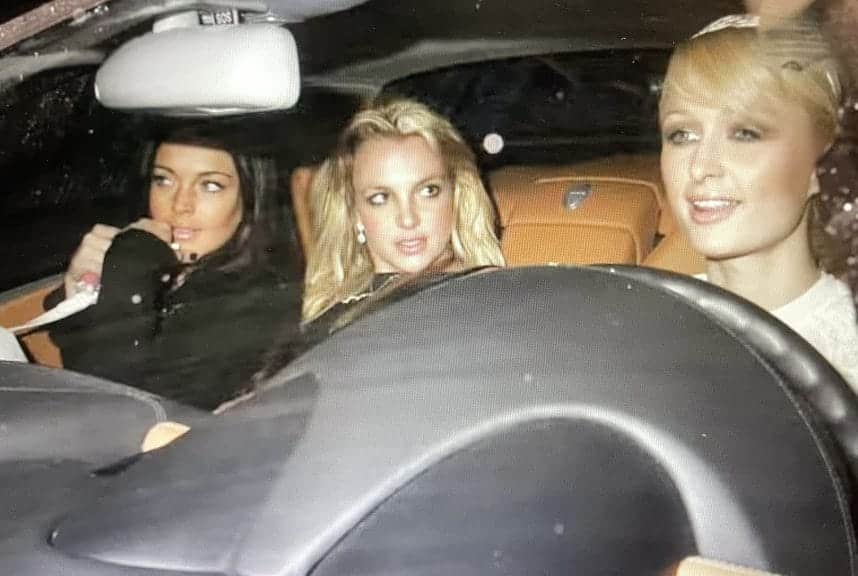
Celebrities were everywhere; what changed?
The early 2000’s marked the rise in celebrity gossip culture.
Before social media dominated, magazines, reality TV, and paparazzi shaped fame.
Celebrities and socialites appeared on magazine covers, entertainment programmes and red carpets.
Audiences largely consumed the versions of celebrities presented by traditional media.
For Lohan, this meant that every aspect of her life would be a topic for public discussion.
Her career was under constant scrutiny from both the media and the public.
High-profile feuds, parties and career achievements were blasted onto the front pages.
However, the same media that made her famous and created intense scrutiny also intensified publicity surrounding her legal troubles.
During this period, celebrities were defined not only by talent but also by visibility.
The biggest stars were the subject of a constant stream of media coverage.
This heavily created the impression that audiences knew them despite never meeting them.
This is the foundational structure for the ‘Hollywood It Girl’.
What actually was an “It Girl”?
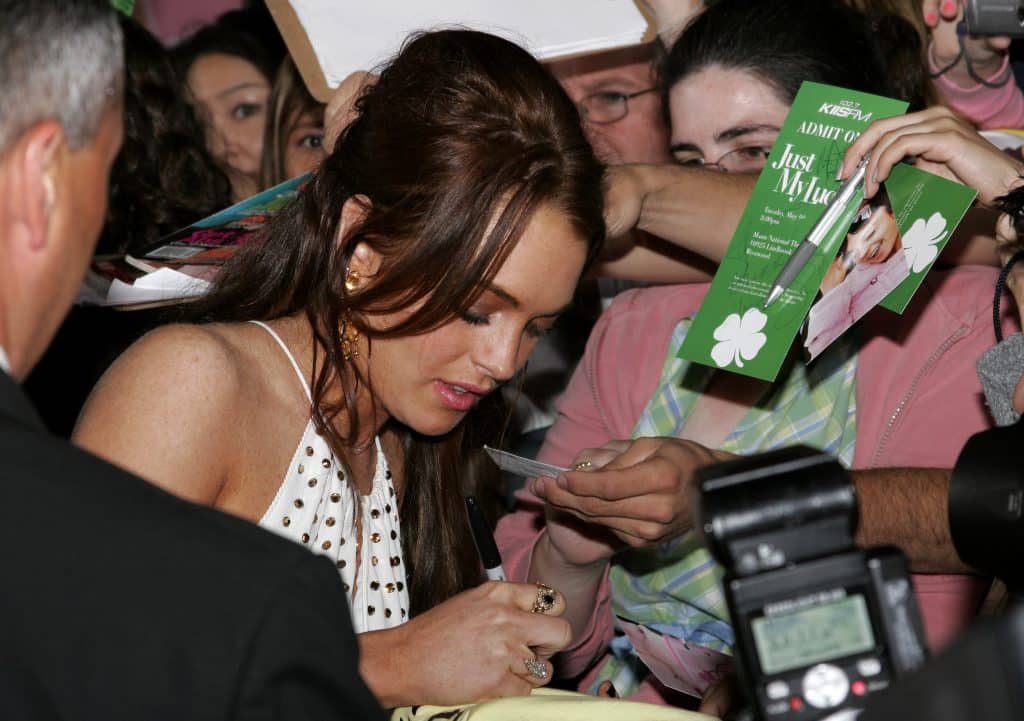
The term “It Girl” predates Lindsay Lohan, but she propelled the term into the spotlight.
An It Girl was not merely someone successful; they represented an entire cultural phenomenon.
They influenced fashion and entertainment and were at the centre of public conversation.
They became household names for reasons beyond their professional achievements.
Lindsay Lohan is a prime example.
Everybody wanted to keep updated on her career, her life, but most importantly, her drama.
She began her career as a child actor before becoming one of Hollywood’s most discussed young celebrities.
Paris Hilton transformed her socialite lifestyle into a global brand through reality television, fashion and constant media attention.
Britney Spears rose to international fame through hits such as …Baby One More Time.
While Hilary Duff represented a more controlled version of fame through Disney.
Despite their different career paths, these figures became defining symbols of 2000s celebrity culture.
Their names dominated headlines across the world.
How Lindsay Lohan became the face of 2000s media
After gaining attention as a child actor, Lohan quickly became one of Hollywood’s biggest young stars.
Her role as Cady Heron in Tina Fey’s 2004 classic Mean Girls became a defining performance of the decade.
The film continues to influence internet culture today.
However, Lohan’s story also highlights the pressures placed on young celebrities during the peak of paparazzi culture.
She made headlines for several highly publicised brushes with the law, some of which resulted in rehabilitation programmes.
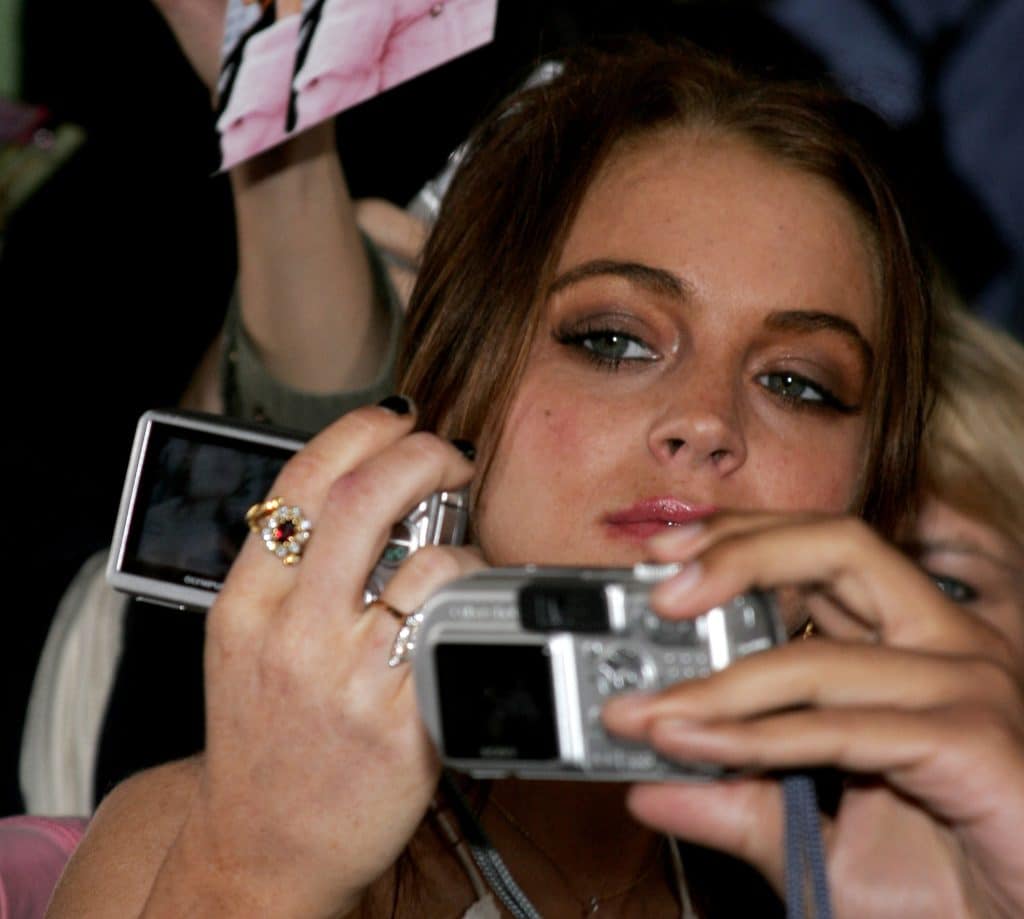
Her heavily publicised feuds with Paris Hilton and Hilary Duff only intensified media interest surrounding her personal situation.
Lohan has recently spoken out about the high media attention she received.
She told Vogue Arabia, ‘It was all so overwhelming and consuming’.
She has also spoken about the lasting impact of that period. In an interview with The Times, the actor said the treatment she faced during the 2000s continues to affect her.
She said: “I have PTSD to the extreme from those things.”
Melissa DiGianfillippo, CEO of Proof Publicity, has said: “When Lindsay hit with Freaky Friday and Mean Girls, everyone saw those movies.
“Everyone was watching the same MTV, reading the same magazines, consuming the same pop culture.”
She continued: “When someone broke through, it was total. The whole country was paying attention at the same time.”
Publicity in the modern age has switched from a talent aspect to a structural process.
The role of PR in churning out celebrity icons
In recent years, Hollywood has continued to create successful actors, musicians and online personalities, including influencers.
But, fewer have reached the same level of cultural dominance as the biggest stars of the 2000s.
Jordan McAuley, founder of ContactAnyCelebrity.com, has said: “Celebrity PR has evolved from carefully controlled magazine and tabloid coverage to a direct-to-fan model powered by social media.
“Celebrities can now shape their own image in real time through platforms like Instagram, TikTok, and X, creating a more personal connection with fans.”
From Tabloids to TikTok—the shift in celebrity press
The biggest difference between 2000s celebrity gossip and modern celebrity culture is control.
Modern celebrities no longer rely solely on paparazzi or magazines to communicate with fans; instead, they can speak directly to audiences through platforms such as Instagram and TikTok.
This has drastically changed how fame is manufactured.
Online influencers can now build millions of followers without appearing on the front page of a tabloid.
They can shape fashion trends and create a dedicated fan community.
However, the relationship between influencers and audiences differs significantly from 2000s celebrity culture.
Audiences can form parasocial relationships with influencers due to their direct access to online content, while stars such as Lohan experienced fame through a more distant relationship with the press.
Audiences followed their lives through the press, not through their own regulated media.
Despite influencers being considered ‘celebrities’ and dominating modern pop culture, there is still debate over whether they have truly replaced traditional stars like Lohan.
One reason the It Girl era feels different is that fame has become far more subjective.
In the 2000s, millions of people watched the same films, read the same magazines and followed the same celebrities.
Today, social media algorithms create personalised experiences for users, meaning fewer stars feel universally recognised.
That’s not to say there are not any major celebrities in this age; however, many are now associated with specific audiences and online communities rather than a shared cultural moment.
In cases like Lohan’s, as of today, she is far better known simply as “Lindsay Lohan” than for any of her film roles.
Why are audiences so nostalgic over 2000s celebrity culture?
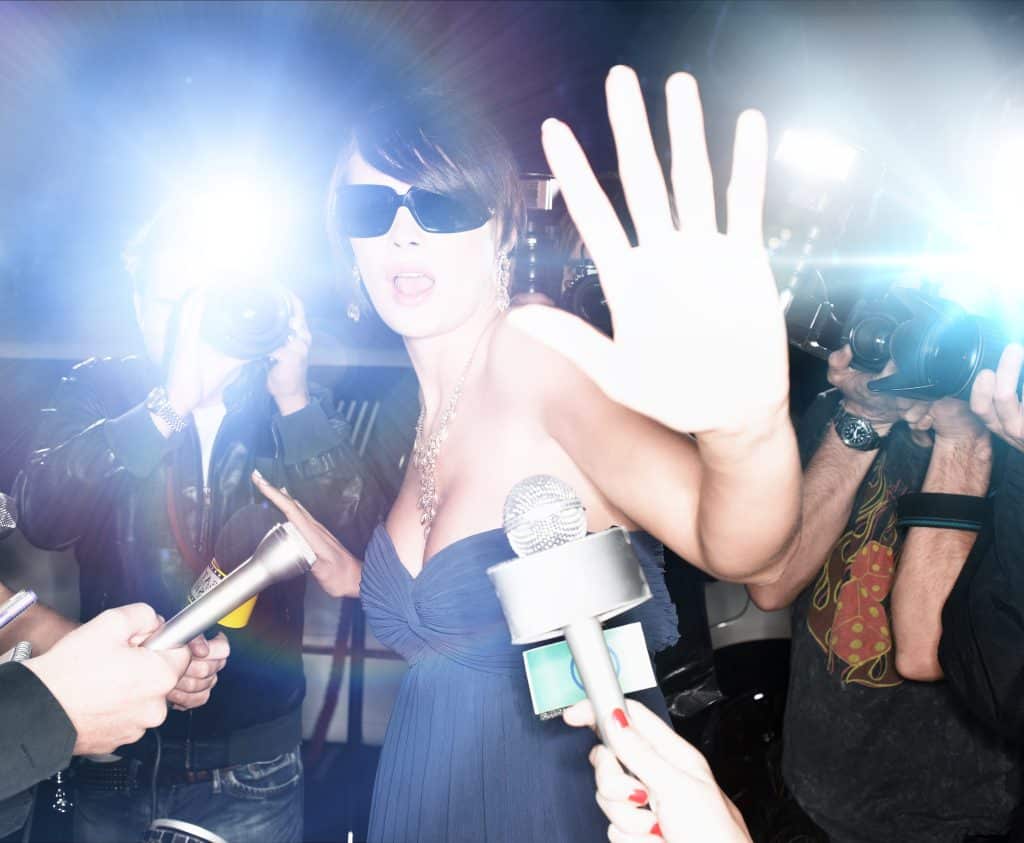
From hanging mugshots on their walls to glamourising Lohan’s ‘party era’, the resurgence of Lohan’s career coincides with a wider obsession with Y2K culture.
Across social media, younger audiences are rediscovering the fashion, films and celebrities that defined an entire generation.
For many fans, this era represents a period where glamour, entertainment and celebrity drama dominated popular culture.
There was a shared consensus around cultural icons, with Lohan arguably at the forefront.
The idea of everyone following the same cultural moment has become increasingly rare.
Can Hollywood really create another Lindsay Lohan?

Arguably, no. Hollywood cannot create another Lindsay Lohan.
The idea of everyone following the same cultural moment has become increasingly rare.
That level of fame and scrutiny was created through a combination of tabloid culture, paparazzi attention and limited entertainment platforms.
Jordan McAuley has said: “It is much harder for a celebrity to become a universally recognized cultural icon today than it was in the 2000s.
“Back then, a handful of media outlets and TV networks shaped a shared cultural conversation, allowing stars like Lindsay Lohan to reach nearly everyone.
“Today, audiences are spread across different platforms and social media feeds, creating “fragmented fame” where someone can be hugely popular with one group and unknown to another.”
Celebrity culture has drifted from paparazzi harassment to online communities in a regulated environment.
Lindsay Lohan’s comeback proves that audiences are still fascinated by the stars who redefined such a pivotal time for the entertainment industry.
Ryan McCormick, Co-Founder at Goldman McCormick Public Relations, has said: “I can’t say for certain she would capture the attention of an entire generation the way she did then.
“The values and art she embodied at her peak wouldn’t necessarily land the same way with young adults now.”
McCormick continued: “Lohan also built a reputation early in her career for being genuinely kind.
‘I know a couple of people who crossed paths with her and have said that Lindsay was a wonderful human being.’
“That early karma is probably paying dividends now.”
However, whether Hollywood can create another figure who receives the same level of global attention remains uncertain.
The “It Girl” has not disappeared entirely, but Lindsay Lohan remains one of the defining faces of 2000s celebrity culture.