


Fast fashion is often associated with cheap, low-quality clothing, but that perception obscures how the industry actually operates. In reality, fast fashion is a production method linked to a wide range of environmental problems, from excessive water use to pollution, with consequences that ultimately affect public health and the natural resources communities rely on.
The fashion world has often defined sustainability in black and white — with fast fashion as evil and slow fashion as supreme.
Many may think of the massive China-founded global retailers Shein and Temu, which offer extremely low prices, rapid delivery, and interactive interfaces designed to keep consumers engaged.
On a more national scale, others may look to Fashion Nova, Old Navy, and the now-defunct Forever 21 for their consistent inventory turnover and high-volume production, all of which cater to different styles of American fashion.
However, at its core, fast fashion refers to a business model that specializes in manufacturing clothing using cheap materials and labor practices.
The rapid production cycle associated with fast fashion is not a recent development. In fact, looking back at a more historical approach, fast fashion has been around for decades.
The term “fast fashion” was first coined in the 1970s to describe Zara, an up-and-coming clothing store for its time, and the store’s approach of reducing the traditional nine-month production process to just 15 days. This allowed stores to respond faster to consumer demand, which in turn encouraged increased consumption.
In the most literal sense, fast fashion is designed to be accessible to the average consumer. It is inexpensive, widely available, and produced quickly to keep pace with changing trends.

While these garments serve an immediate purpose, they are often not intended for long-term use.
Instead, the industry relies on a cycle of frequent purchasing and replacement, encouraging consumers to replace items as new styles emerge.
Environmental concerns
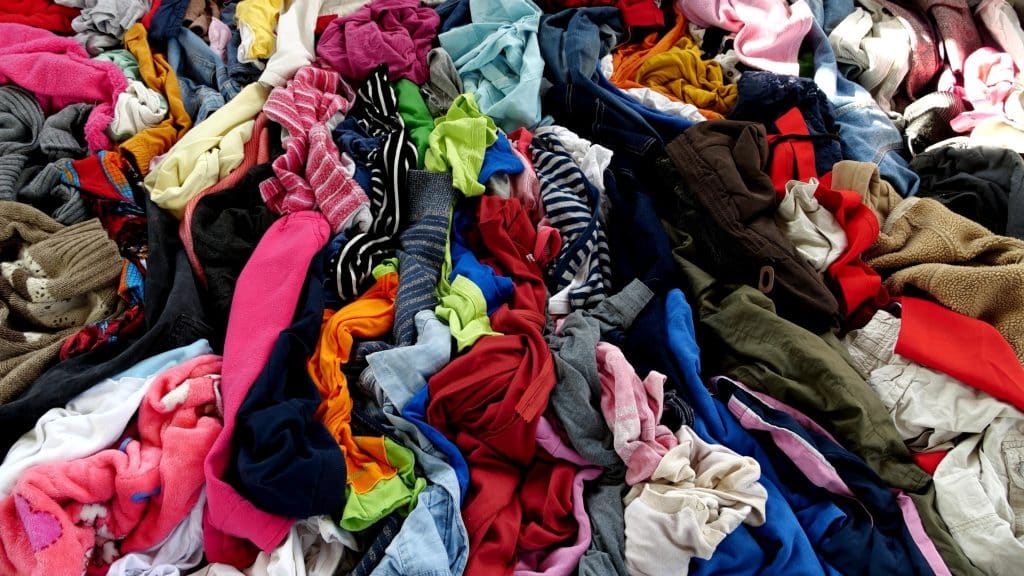
There are more than a few environmental issues involved with the fast fashion industry, the effects of which could be felt globally. Some of the most critical issues of fast fashion are carbon emissions, water usage, and pollution.
Carbon emissions of fast fashion
The fashion industry as a whole makes up 10% of the world’s carbon dioxide emissions. This large output stems from many factors, but fast fashion plays a significant role by relying on rapid production cycles that require constant manufacturing, transportation, and energy use.
As demand for cheaper and more frequently replaced clothing grows, so does the environmental impact of producing those garments.
According to UN Climate Change Executive Secretary Simon Stiell, “Less than half of active signatories [to the Fashion Industry Charter for Climate Change] are compliant with setting climate targets needed to limit global heating.”
The Fashion Industry Charter for Climate Change was created to encourage companies to reduce emissions and make their production processes more sustainable. Despite signing onto these commitments, many companies have yet to meet the climate targets they agreed to.
The charter includes major brands such as Nike, Puma, and H&M, showing that this issue extends beyond individual fast-fashion retailers and affects the fashion industry as a whole.
This lack of progress comes as global temperatures continue to rise. According to Berkeley Health, “2025 was the third warmest year on Earth since 1850. It is exceeded only by 2024 and 2023.”
While rising temperatures affect ecosystems and wildlife, they also directly impact people through increased electricity demand, pollution, and strain on resources communities rely on.
Water pollution
Beyond carbon emissions, fast fashion also places significant pressure on global water resources. Textile production consumes approximately 93 billion cubic meters of water annually, creating environmental consequences that extend far beyond the manufacturing process.
This excessive demand for water has had disastrous consequences on our ecosystems, often draining basins and aquifers needed for agriculture and creating further issues in food production.
Beyond water consumption, the chemicals and dyes used in clothing production can also contaminate freshwater sources. Over time, this contamination threatens the quality of the water communities rely on for drinking, cooking, and cleaning.
What’s the consensus?
Individuals in the fashion sphere have been having this conversation about fast fashion for a long time. While many point to the pros of fast fashion, others focus on its environmental consequences and its stifling of people’s creativity.
Pros of fast fashion
While fast fashion is often criticized for its environmental and social impacts, it has also provided some benefits for consumers.
One of the most recognized advantages is accessibility, as its low price points allow more people to purchase clothing that fits their personal style, especially during times of economic uncertainty.
Additionally, fast fashion allows consumers to experiment with their sense of identity and personal style without the pressure of making expensive purchases. Since these clothes are often inexpensive and not designed for long-term use, people may feel more comfortable trying new trends or styles they would otherwise avoid.
As YouTuber Thrift Junkie Fred explains, “Fast fashion can function like training wheels [for fashion].”
For some consumers, this experimentation can build confidence and help them understand their preferences before investing in longer-lasting pieces.
Negatives of fast fashion
One of the biggest issues with fast fashion is that it encourages significantly more overconsumption. For example, in 2024, people bought an average of 68 clothing items over the course of a year and spent 3% of their income on those pieces.
In comparison, in 1980, that number was around 12 pieces of clothing, while people spent 7% of their income on them.
People are actively spending less money on clothing while purchasing significantly more items than previous generations, creating a cycle of increased consumption and waste.
Clothing was designed with intention and quality at the forefront, reducing the risk of unsold stock that had to be pushed on sale or trashed. This costs companies good amounts of money — especially since they would be unable to export unsold goods.
The industry began to shift with the fall of the Multifiber Agreement, which had previously regulated textile and clothing imports between countries. However, production of these companies moved toward countries with cheaper labor costs — the process Zara optimized became even more accessible on a global scale.
However, this “cheap labor” was not just paid for in money — it was paid for in human ethics, often coming with consequences for workers and raised concerns about labor conditions within the fashion industry.
The cost of fast fashion
Part of the appeal of fast fashion is its low prices. However, while the cost may be low financially, that cost is often absorbed elsewhere through harm to the environment and the people who make our clothes.
As per the after-effects of the Multifiber Agreement, fast fashion remains inexpensive because many companies have reduced labor costs by offshoring production, meaning manufacturing is moved to countries where production costs are lower.
In some cases, this can involve weaker labor protections and lower wages for workers. Bangladesh is one of the world’s largest textile exporters, generating billions of dollars in clothing production each year. However, many garment workers continue to earn extremely low wages compared to the value of the industry they support.
Bangladesh produces $52.9 billion worth of textiles, yet garment workers can make as little as 42 cents an hour by U.S. currency standards.
For many workers, this is not enough to support themselves or their families.
Why should you care?
If we want to better understand the consequences of fast fashion, we need to acknowledge that our clothing was never meant to move this quickly.
It may serve as the training wheels for discovering your personal style, but in order to maintain its low prices, fast fashion requires sacrifices. Those sacrifices can impact the environment, the people who make our clothes, and even the quality of the clothes we purchase.
And even more directly, keeping prices low has also changed the clothes themselves. In the early 2000s, consumers saw more size ranges, longer-lasting materials, and more details that made clothing feel unique, such as patterns, buttons, and other design elements.
The issue is that these features come with additional costs. Expanding size ranges requires additional design and production considerations, while higher-quality materials, such as wool, can be more expensive. Additional details and accessories also increase manufacturing costs.
So how did retailers respond? Many began simplifying production. Sizing became more limited, synthetic fabrics became more common, and clothing designs became easier to reproduce by reducing details such as zippers, pockets, and buttons.
These changes allowed companies to keep prices low and maintain profits, even if it meant sacrificing some of the quality and variety consumers once expected from their clothing.
Fast fashion is not going anywhere, at least not for a while. However, rather than villainizing ourselves for participating in it or treating our clothing choices as simply “good” or “bad,” the solution may lie in rethinking what we expect from our clothes.
Fashion has always been a way to express ourselves and explore new styles, but that should not have to come at the expense of quality, the environment, or the people who make our clothing.