
Growing economic and social unrest is causing a growth in terrorist organizations in Nigeria. These issues have persisted for decades, but the United States has recently become more involved in the conflict. Joint U.S. and Nigerian attacks on Islamic State terror groups have exponentially grown since last year. Despite short-term success in killing ISIS leaders, officials say this is not a long-term solution.
Nigeria is facing a multitude of problems, including political, economic, and security crises. Due to these prolonged issues, terrorism and organized crime have grown significantly in Nigeria.
Nigeria’s economic issues have led to mass unemployment across the country. This leads many young men to join organized crime when they are unable to find employment anywhere else.
While the United States has been focusing on defeating ISIS, there are many more violent organizations plaguing the country. Bandits, organized crime, and jihadist groups have all caused unrest in Nigeria. Officials say the influx of terrorist and violent groups is directly due to a lack of security and funding for basic civilian needs such as water and education. This has caused a vicious cycle of violence that Nigeria is still experiencing today.
Tomorrow is Children’s Day, but we have many children in the bush. A teacher was beheaded. But no word from Aso Rock. No word from the police. Nigeria is a scary place, this broke my heart. WHY ARE WE NOT TALKING? 💔💔 https://t.co/OdUo5lV1VX pic.twitter.com/2PVJ5Bp5Rj
— NEFERTITI (@firstladyship) May 26, 2026
In 2009, Nigerian leaders claimed to have defeated the terrorist group Boko Haram by suppressing uprisings. Despite the apparent success, ISIS groups started appearing a year later. The United States and Nigeria now believe they are close to crushing the current ISIS group. However, Nigerian military officials have been claiming pivotal success against ISIS for over 15 years with little to show for it.
Bandits and terrorists have been attacking and kidnapping Nigerian citizens for decades. The United States and Nigeria’s joint efforts to stop them seem hopeful to some. However, it is important to understand the conflict in order to measure its success.
ISIS in Nigeria
There is a long history of terrorist groups in Nigeria. After Boko Haram, the Lakurawa group was formed a year later. Then, in 2016, an ISIS organization broke off from Boko Haram and established its own group, the Islamic State West Africa Province (ISWAP).
All of these organizations have carried out campaigns of attacking Nigerian citizens and soldiers. Some ISWAP-occupied zones have been declared too dangerous for the government to operate.

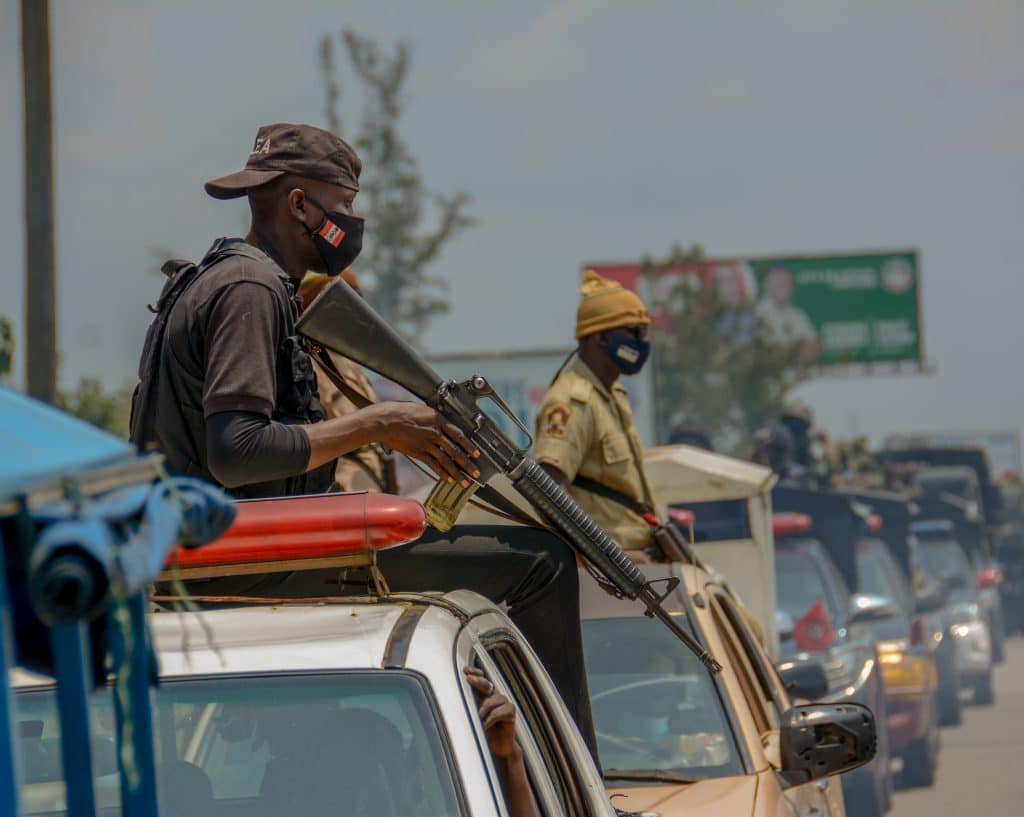
The rapid growth of ISWAP has drastically changed the representation of the Islamic State. 90% of ISIS attacks are now taking place in sub-Saharan Africa. The Nigerian branch of ISIS has become its most active location.
ISWAP is continuing to grow rapidly due to Nigeria’s crises. Despite recurring counter-terrorist attacks, members keep replenishing. Ladd Serwat, a senior analyst for Africa at the Armed Conflict Location and Event Data project, claims that some citizens are joining these organizations for safety reasons. They believe the lack of government protection will put them in danger of ISWAP if they do not join its cause. ISWAP recruitment also exploits children, causing Nigeria to have the largest population of children out of school globally.
What is the United States doing?
Despite President Trump’s campaign pledge to stop “forever wars” and pull troops out of Africa, he has become more involved in Nigeria since last year.
Previously, the United States had heavy restrictions on the kind of support it could provide Nigeria, including militarily. However, Trump lifted all of these restrictions. This has given the U.S. the ability to supply Nigeria both weapons and soldiers. American soldiers have been in Nigeria, carrying out joint attacks with the Nigerian government since December.
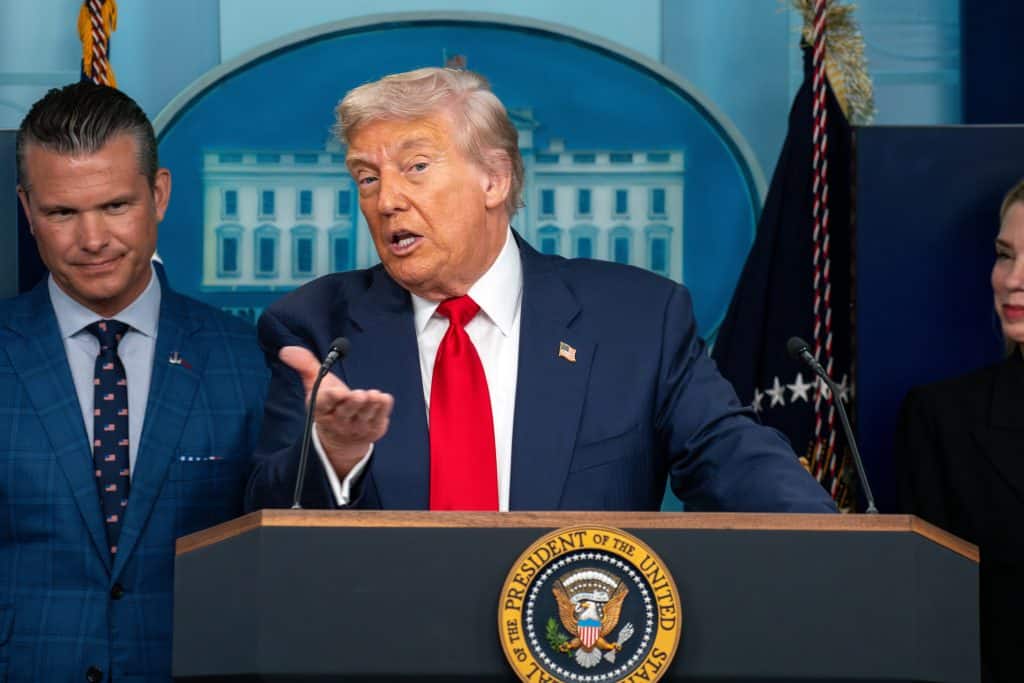
The Department of Defense recently released a statement about the success of these attacks. A recent attack resulted in over 170 ISWAP fighters and a high-ranking leader being killed.
Secretary of Defense, Pete Hegseth, also made comments on U.S. success in Nigeria and praised President Trump for his efforts. Hegseth specifically mentioned the efforts to save the Christian population being persecuted by ISWAP. This sentiment was the main justification for the United States’ involvement in Nigeria.
Despite these claims, there is no evidence to suggest that Christians are being targeted more than any other group in Nigeria by ISWAP. Cameron Hudson at the Center for Strategic and International Studies states that Trump is most likely focusing on Christians to appeal to his domestic Christian supporters in order to justify involvement.
What is Nigeria doing?
Nigeria’s response to ISWAP has caused controversy across the country. The recently elected President, Bola Ahmed Tinubu, has already faced controversy for a variety of issues in his administration.
Tinubu has claimed that the attacks on ISWAP have been a success. He even stated that the Nigerian economic crisis is coming to an end. This claim has caused skepticism due to the lack of real reform in civilian life.
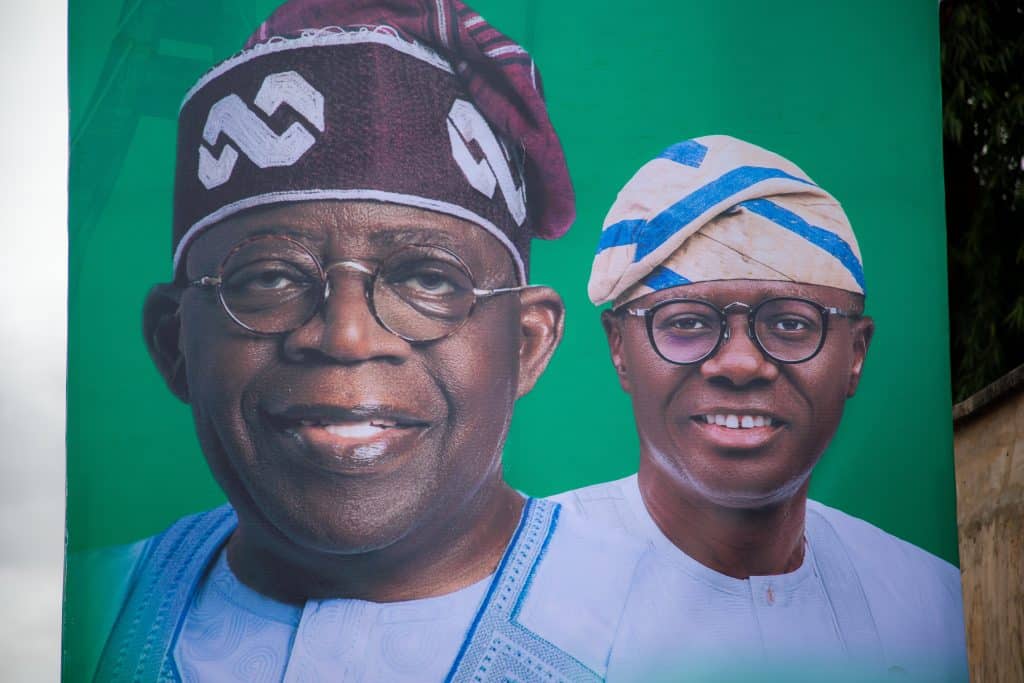
Tinubu has also faced backlash for working so closely with the United States, but claims this was a strategic decision to benefit Nigeria. While there have been no civilian casualties in the joint Nigerian-U.S. counterattacks, there are frequent casualties in independent Nigerian attacks.
Nigeria is focused on attacking ISIS groups rather than long-term solutions for the country. The number of ISWAP soldiers killed will not help the economic and standard of living crisis in Nigeria.
Are these solutions really effective?
Despite the claimed success from both the U.S. and Nigeria, officials are skeptical of long-term stability. Since Nigeria is focused on killing ISIS troops, resources are not being used to address the root cause of the violence. Repeated attacks against terrorist groups are strategically pointless without also focusing on Nigeria’s political and economic problems.
BREAKING: Secretary of War Hegseth reveals President Trump ordered the Pentagon to prioritize protecting Nigerian Christians targeted by ISIS — and says the mission quietly led to the killing of ISIS’ second-in-command in Nigeria.
— Fox News (@FoxNews) May 27, 2026
Hegseth says U.S. intelligence gathered during… pic.twitter.com/08LDabt0n7
Cameron Hudson states that Nigeria needs to focus on growing medical assistance, education, and infrastructure to create “pathways out of poverty, pathways to avoid terror recruitment.” Hudson claims that without systemic reform, there will be an “infinite number of unemployed 18-year-old men… waiting to be recruited and promoted into these terror groups.”
CEO of Abuja-based Beacon Security and Intelligence, Kabir Adamu, has concerns about U.S. involvement worsening terror recruitment. ISWAP may use U.S. involvement to convince more men to join in order to “stop the spread of U.S. politicization in Nigeria.”
How has this affected civilians?
Civilians have been under threat from bandits, kidnappers, and terrorists in Nigeria for decades. The United States’ focus on just ISIS has diminished the importance of addressing the rest of the crises that civilians are facing.
Innocent civilians are not only victims of Nigerian counterattacks, but also of violence when being accused of affiliating with terrorist groups. This has caused increased distrust in the Tinubu administration and safety concerns across Nigeria.
Due to Tinubu’s restriction on journalists, Nigerian citizens feel unheard and uncared for. There is very little coverage of the individual lives of Nigerians experiencing this conflict, making it difficult to know how to help them effectively. United States cuts in USAID and other foreign aid initiatives have made it impossible for the US to make humanitarian efforts to help Nigerian victims.