

Some older folks wax on about how kids these days are killing literature. But from where I’m standing, literature has never been more alive with the influence of Gen Z readers. It simply looks a little different than it used to.
Technology, social media, and shifting ideals have transformed the way that Gen Z approaches reading. Not every story has to evoke philosophical crises or leave us in tears over a heart-wrenching ending.
Sometimes we just want to read a cute love story or escape into a magical fantasyland. But when we’re in the mood, a brutal, high-stakes dystopian thriller might be exactly what we need.
Join me for a discussion about Gen Z’s reading habits and why our contribution to literary history should not be overlooked.
What we read
While Gen Z is widely known as the “online generation,” we’ve actually proven to read the widest range of books of any previous generation.
Genres
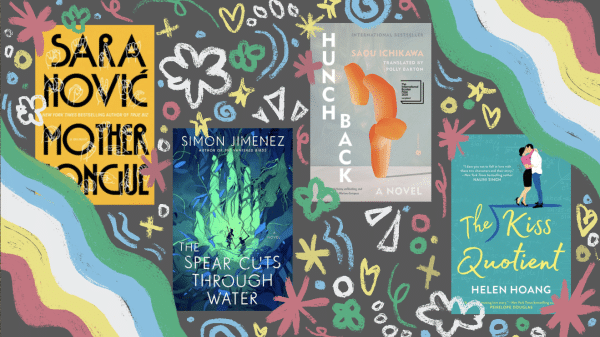
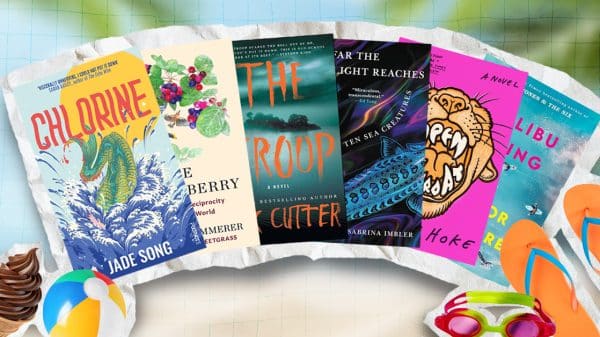
Gen Z is still primarily 26 and under, so Young Adult (YA) novels remain massive bestsellers for Gen Z readers. Markets have seen a recent surge in genres such as romance, fantasy, and science fiction.
It seems Gen Z can’t quite let go of the young protagonist who takes on the world and finds their happy ending. We’re drawn to stories in which we can envision ourselves as the protagonists, whether it be a young, stubborn teenager who fights with all they have to change the world, or an ambitious young adult curious to see where life will take them.
Relatability and authenticity are critical elements that draw Gen Z readers into a story, no matter what genre it may be.

Authors
Technology has actually improved our ability to discover new books that we might not have heard about otherwise. Social media allows debut authors to cultivate their fan bases and promote their breakout or new works with ease.
Platforms like Instagram, TikTok, Twitter, and Tumblr provide an accessible space for author-reader bonds to be made.
Popular authors can also bridge the social gap by connecting with their fans, which can benefit their careers in the long run and make their readers feel seen and appreciated.
Topics
Another quality that Gen Z readers gravitate toward pertains to content. As stigmatization decreases and inclusivity increases, today’s young adults are appreciating books that deal with “unspoken” themes that were rarely dealt with in previous literature.
Topics such as mental health, sexuality, identity, abusive or toxic relationships, and minority experiences not only diversify the oversaturated book market. They also foster a safe environment for all readers to feel understood and comforted by the stories they find on the shelves.
Books provide a familiar, private medium for Gen Z readers to work through and understand their own struggles at their own pace. Again, that authenticity truly makes reading a worthwhile experience.
How we read
Reading isn’t as simple as “paperback versus hardcover” anymore. There are several different reading platforms, and Gen Z readers have been known to try them all. It’s a prime example of how physical culture and media evolve alongside the population that uses them.
Digital media
E-books, audiobook subscriptions, or even free videos on YouTube have made reading accessible, or at least cheaper, for many Gen Z readers.
We’ve all heard of Kindle, Libby, Hoopla, audiobooks, and video essays. Reading has grown beyond only being “words on a page.” And, in my opinion, this is for the better.
Some may argue that reading takes up too much of their time, or that they can’t focus long enough to finish a book. These alternative platforms allow a greater range of people to enjoy the same stories, perhaps as they complete housework or travel on their daily commutes.
Social media influencing
Nowadays, you don’t need to go to a library to find people to talk books with. There are massive communities of readers that you can access right on your phone through social media.
Communities such as “BookTok” or “Bookstagram” connect readers all over the world, a phenomenon that Gen Z has embraced. You can find anything from book reviews to recommendations to memes for nearly every book on the market. Anyone can post online, and authors and readers alike have utilized social media to its full potential.
On the other hand, some may argue that the commodification of literature online has decreased readers’ media literacy. The simplification of stories into “tropes” and “aesthetics” as a marketing tactic can potentially damage the intellectual exercise of reading. However, that doesn’t mean enjoying a cliche or two makes us worse off than those who only read classics.
Reading for the feels
You might have seen people online ask for book recommendations that give off a certain “vibe.” But what exactly does that mean?
Typically, Gen Z readers are asking for books that make them feel a certain way. A simple, cozy rom-com. A complex, hero’s-journey fantasy. A conflicting, makes-you-question-the-world dystopia. An edge-of-your-seat thriller.
The promise of a story that builds you up or breaks you down is sometimes more effective than reading the blurb on the back of the cover. It might only take one well-selected quote from a story to get Gen Z to add it to their TBRs.
Reading isn’t just a pastime anymore. It’s a full-blown experience.
Why we read
The key to understanding Gen Z readers goes beyond studying their purchasing habits or how they interact with each other online. We must look deeper into why Gen Z connects with these books and how their values have shaped authors’ writing process to accommodate them.
Representation and diversity
As part of the infamous “woke” generation, I can’t deny that we do prefer seeing books with diverse casts, experiences, and perspectives. It’s refreshing to be able to relate to characters on a fundamental level.
Supporting authors with unique experiences opens the door for a more diverse book market and a wide range of stories that are waiting to be told. Gen Z readers challenge authors to embrace narratives that embody all walks of life.
Escaping the busy digital landscape
One thing that has remained consistent throughout generations is the love for an escape from reality that reading provides. Social media is cluttered with discourse and drama. The political landscape can be stressful and uncertain. Reading sustains our ability to reduce the digital noise we are consumed by.
Stories ground us in a single moment. They give us a chance to relax and step away from reality, even if only for a little while. Reading can be done anywhere and in any way.
And, let’s be honest, there’s no better feeling than having an entrancing story to return to after a long, tiring day.
Finding ourselves
While the stories we read may be fiction, the things that we create will always reflect reality in some way. Whether it be the world, characters, or conflicts, art continues to imitate life.
When we read, we don’t just watch the characters move through a plot line. We go through the adventure with them. Every thought, fear, desire, or challenge has the potential to be a mirror for ourselves.
Reading not only entertains. It can be a tool for self-growth and discovery. When you relate to a character, a struggle, or an experience, the author indirectly says: “I see you. I believe in you, just as you believed in my world.”
Some final thoughts
Now, you may be wondering, how can anything published these days be considered “literature”? As an English major who has read numerous classical works, let me give you my take.
Literature is a representation of culture. Every novel and every story preserves a piece of history in some way, whether it be depictions of life, identity, an individual, or what mattered to a piece of humanity at the moment the book was written.
Our ideas, values, and even our social dynamics contribute to this narrative. Even if it’s only fiction.
Though “literature” might not look the same as it used to, its ultimate purpose has remained intact. Authors, whether intentionally or not, are making observations, and typically critiques, of the human experience. The only difference is that we’re a bit more honest about it now.
Gen Z readers and authors are contributing just as much to literary history as Nathaniel Hawthorne or Jane Austen did. We can’t judge ourselves too harshly for enjoying what we like.
Don’t stress about cultivating a “superior” taste in books. Every story serves a unique purpose. What matters is that you don’t take its impact for granted. And if the “BookTok” noise becomes too overwhelming, just remember to prioritize your own interests.
The only requirement to be considered a “reader” is that you read and that you enjoy it.