
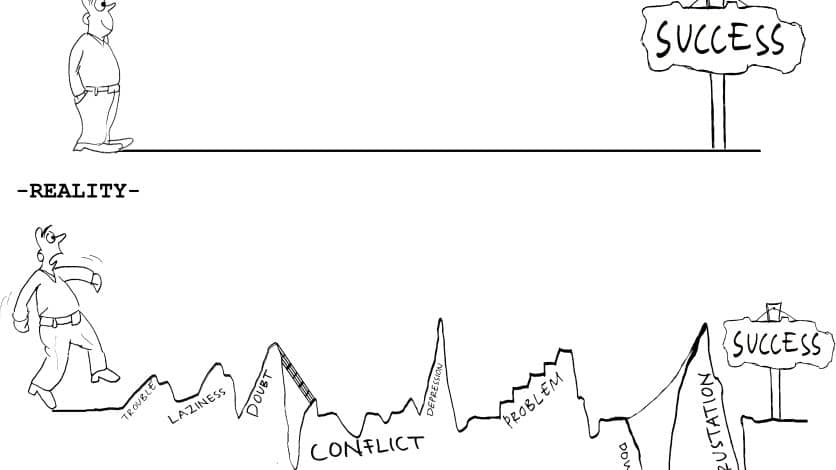
We grow up hearing that being an adult means freedom. The freedom to make decisions and the freedom to do what we want. But no one mentions the fine print attached—endless bills, endless decisions, and constantly juggling responsibilities.
People expect you to understand all these things because, as all of our elders say, “as you get older, you get wiser.” Well, guess what, adulting is basically faking it till you make it.
People always ask, “How’s life?” and we default to saying “busy.” But being busy doesn’t mean we are actually getting things done—it repeats itself. We are always rushing from one task to the next, yet we become more drained than productive.
Everyone is busy

As a college student, being busy is basically part of my identity now. Between classes, work, and trying to have a social life (which barely happens), it’s no wonder we are constantly drained. We wake up, check our emails, scroll through TikTok for way too long, and suddenly, we are going to bed.
It’s not that we are lazy, though. We care about our grades, jobs, and side projects. The problem is, we are stretched too thin. Something always needs to get done, but there is never enough time to do it without burning out. Even when we do take a break, the guilt will eat us up because something else is always on the list.
We are juggling it all, but somehow it still feels like we are falling short.
No instruction manual
On top of everything, no real guide exists for how to handle it all. As kids, someone was always there to tell us what to do next. Now, people expect you to figure everything: classes, work, money, relationships, and somehow take care of ourselves at the same time.

The small decisions don’t feel important on their own, but together they create a constant mental weight. You are always thinking ahead, recalculating, and trying to balance everything at once. That continuous decision-making is what slowly drains you the most.
More than just time pressure
Money also becomes another layer of stress that quietly sits in the background of everything. It’s not always dramatic, but it’s constant. Tuition, rent, food, and small expenses. They all add up, and you start thinking about them more often than you’d care to admit. Many decisions turn into what you can realistically afford, which slowly shifts the way you move through everyday life.
In the middle of all of this, there is also the quiet pressure of figuring out who you are supposed to become. You make choices every day that feel small in the moment, but together, they start to shape your entire future. The difficult part is that there is no clear confirmation that you are doing it right. You are just guessing, adjusting, and hoping it works out later.
Burnout cycle
We have all been there. You make plans—whether it’s a night out, a day trip, or time for yourself—and life feels like it’s finally falling into place. You are excited and looking forward to it. But then, life happens. Assignments pile up, and everything demands more hours than you planned, and your so-called “free time” disappears.
Now, the excitement fades quickly into exhaustion, and before you know it, you are backing out of plans you were once excited about. You would probably say “raincheck?” or “is it okay if we hang out another day?” Sometimes it isn’t even the internal exhaustion–it’s everything happening around us and in our lives externally.
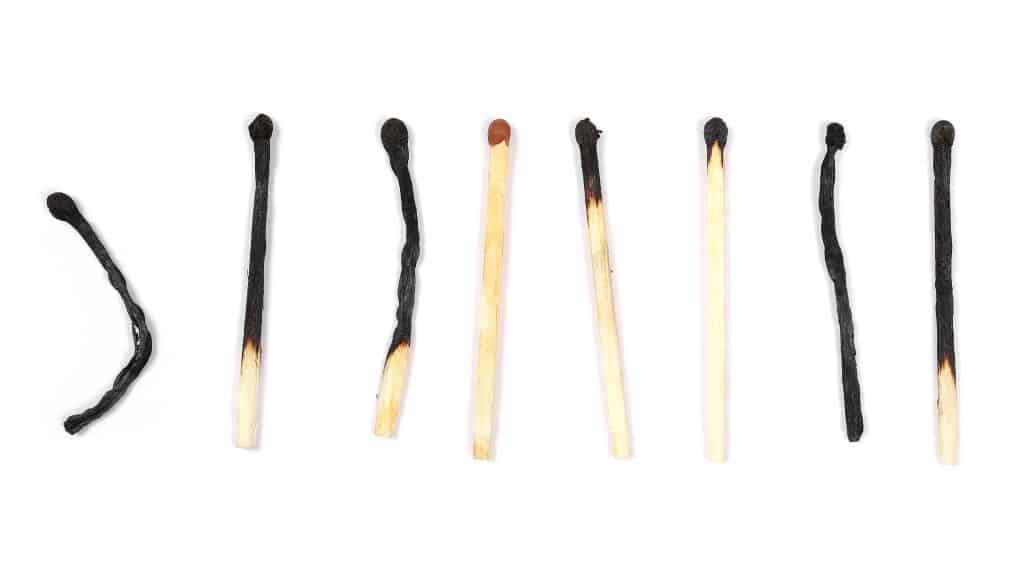
The worst part is that you start to expect it. The initial rush of excitement becomes a sense of obligation, like something will go wrong. The burnout cycle doesn’t just make you tired—it also messes with your head.
At some point, you realize that it’s not about the plans; it’s about being stuck in a constant state of burnout, where things you enjoy become another thing to check off the list.
Meanwhile, relationships start to change. Growing up, friendships were easy because you saw people every day. Now, staying close actually takes effort. Everyone has different schedules, different priorities, and different lives.
Even when you are constantly around people, adulthood comes with a strange kind of loneliness. You are not alone in a literal sense, but maintaining connection starts to feel harder. Everyone is busy, tired, and trying to keep up with their own life. So even the people you care about the most can start to feel distant. Not because anything changed emotionally, but because there is never enough time to bridge the gap.
Planning is the real exhaustion
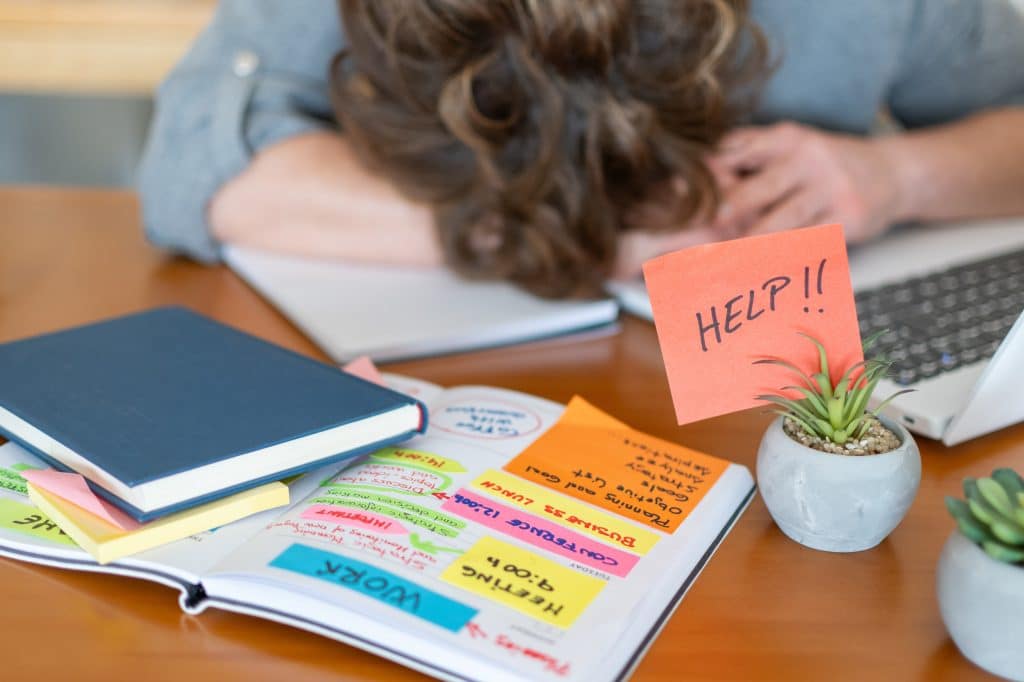
From this point in the cycle of life, planning becomes tiring. Something that feels like it should be simple, like grabbing dinner with friends, turns into an endless back-and-forth resembling a group project.
“What day works?” “I can’t do Friday.” “How about next week?” “Wait, I have work.” “No, I have an appointment at that time.” “I have something after 5.”
You are a million messages in, no closer to making an actual plan, and mentally checked out.
People do want to see each other…it just takes so much more effort now. What used to be simple turned into something that requires planning, energy, and coordination, and sometimes it feels easier not to do it at all.
Scheduling conflicts are the norm now, not an exception. Everyone is balancing classes, jobs, internships, and whatever else they have going on. The more you try to make something work, the more exhausting it gets, and lining up free time feels impossible. You’d basically need a calendar to plan around everyone else’s calendars.
The crazy thing is that when plans are set in stone, the effort it took drains you. Planning should be the easy part, but now canceling feels better than rescheduling another time.
Part of this exhaustion comes from realizing that things are not as simple as they used to be. You start to miss when friendships were effortless and your days had more structure. Not because everything was sunshine and rainbows, but because it felt easier to keep up with.
Soft flake era
Over time, it becomes clear that burnout is not something that just disappears after rest. It comes back in cycles, which means taking care of yourself is no longer optional; it’s maintenance. You have to actively check in with yourself, slow down when you can, and recognize when you are pushing too far, even when everything around you keeps moving.
While canceling used to feel guilt-inducing, it’s now expected. We are living in a soft flake era, where people respond to rescheduling with instant understanding rather than frustration. No questions asked, just mutual agreement.
Everyone does understand. We are all dealing with the same scheduling, so it’s a routine now. We make plans with good intentions behind them, but we always feel like they might not actually happen.
The most frustrating part is that we hope that the plans will follow through. However, more often than not, those plans turn into another raincheck.
Flaking has turned into survival. When everything feels too much, canceling plans shows you have nothing left to give.
Less on your plate, more in your life
Adulthood may be about independence most of the time, but it’s also about navigating uncertainty, making mistakes, and learning to laugh at the chaos. To get rid of the rinse and repeat cycle, here are some things to do.
- Be realistic with your time. Not everything needs to be done in a day. Overloading your schedule is the quickest way to burn out. Prioritize what matters the most and accept that some things can wait.
- Learn to say no without feeling guilty. You don’t have to take on every responsibility or always be available. Protecting your energy is just as important. Remember, no is a full sentence.
- Make rest intentional. Rest is not something you earn; it should be part of your routine. Take a break, go for a walk, or do nothing. Give yourself permission to pause.
- Stop chasing perfection. Not everything goes according to plan, and it’s completely okay. Plans fall through, schedules clash, and things get messy from time to time. What matters is how you adapt and move forward.
Stay connected, even when everything is too much. Sometimes you have to be the one to reach out first, and that is okay. When everything becomes overwhelming, ask for help. You are not meant to figure everything out on your own.
Adulthood is not about having life figured out; it’s about figuring things out as you go. Chaos will never go away, but it’s easier to manage when you stop fighting it.