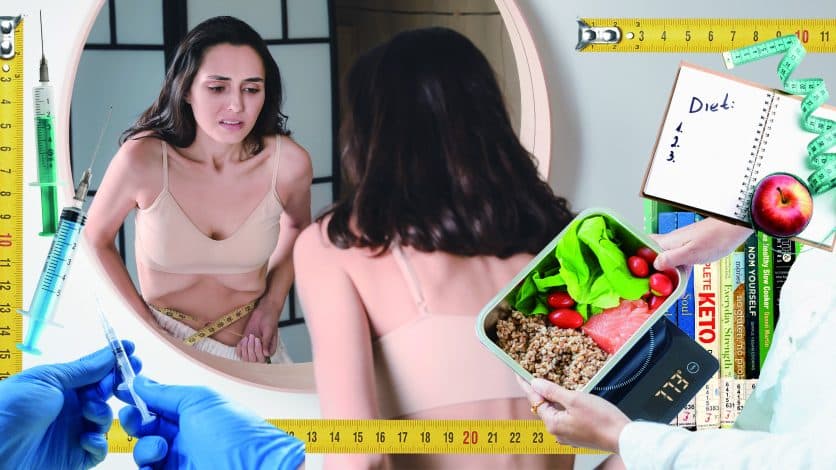
Prescriptions for weight-loss injections are soaring, reaching far beyond those with a clinical need. Once reserved for treating Type 2 Diabetes, these injections have become a symbol of the modern “wellness” lifestyle, especially among the young.
Recent data highlights just how dramatic this shift is in the United Kingdom. An estimated 1.6 million adults are expected to use weight-loss drugs between 2024 and 2025, a staggering leap that pushes far beyond clinical boundaries.
Over 42% of UK adults now recognize semaglutide-based treatments, and nearly 80% know brands like Wegovy, which is a prescription weight-loss drug containing semaglutide. It works by mimicking a hormone that reduces appetite and helps control blood sugar. Originally developed for diabetes, it has become widely used to treat obesity due to its strong clinical results.
The popularity of these injections has exploded, especially in the United States, where millions have embraced them. Demand is also surging across Europe and Asia, fueled by rising obesity rates and a growing appetite for medicalized weight-loss fixes. Social media and celebrity endorsements only fan the flames.
Alarm bells are ringing as prescription rates skyrocket. In London alone, Wegovy prescriptions soared by 233% in just one year, with some NHS trusts now issuing nearly 2,000 prescriptions each month.
Meanwhile, about 21% of users discover these injections through social media, revealing the unchecked sway of platforms like TikTok and Instagram over life-changing health choices. This explosive trend unfolds as 64% of adults in England are overweight or obese, and 4.7 million people qualify for medical weight-loss treatment.
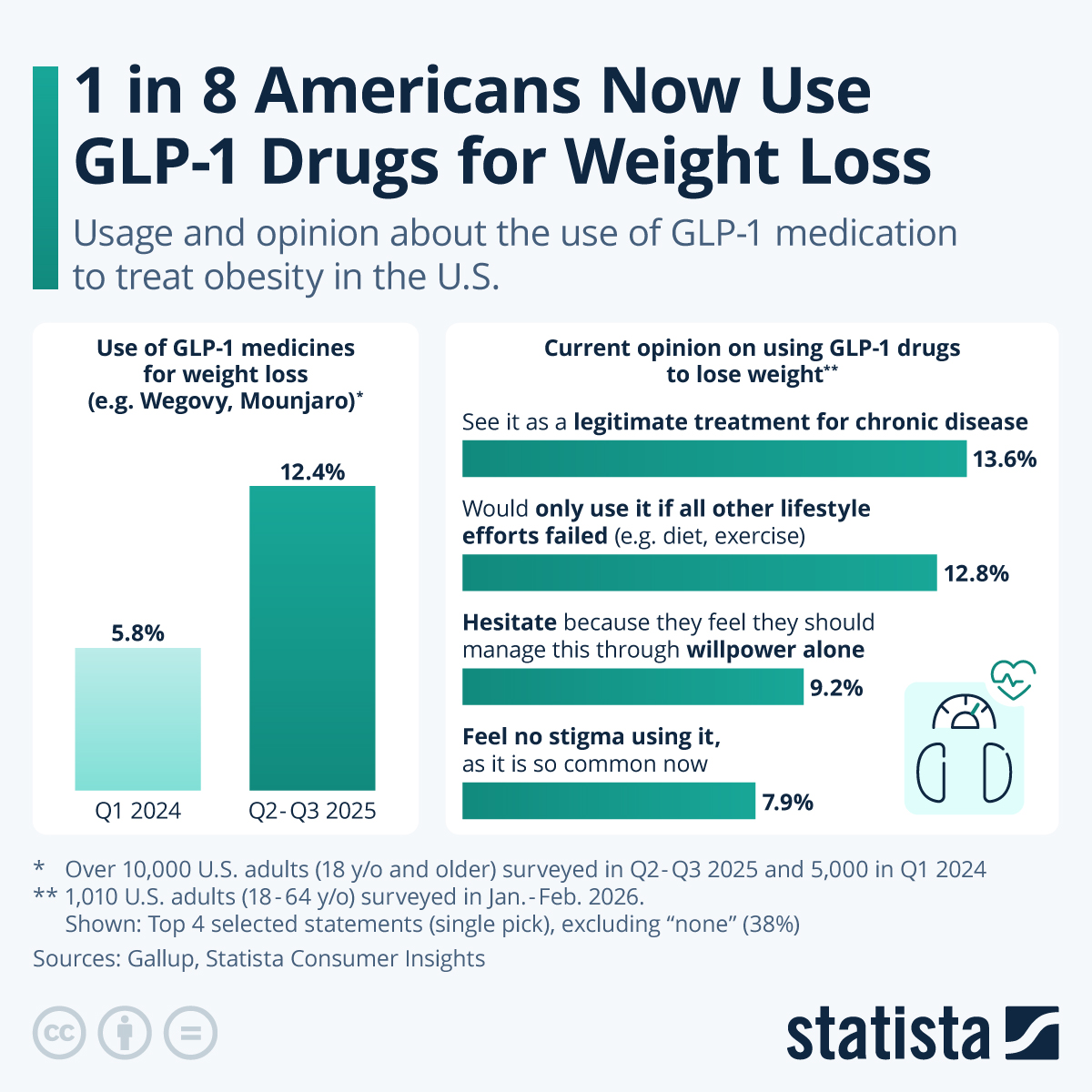 You will find more infographics at Statista
From treatment to trend
The data confirms weight-loss injections are no longer niche in the UK. Prescriptions for semaglutide-based drugs have surged, reflecting increased demand and broader eligibility. Initially created to treat Type 2 Diabetes, they’re now widely linked with weight management.
Beyond the surge in prescriptions, digital footprints reveal how quickly curiosity is spreading. Google Trends shows a dramatic spike in searches for terms like “weight loss injections” and “skinny jab.” These aren’t fleeting questions; they signal a persistent, growing fascination, especially among the young.
On social media, the numbers are even more eye-catching. TikTok videos tagged with weight-loss injection keywords rack up millions of views, showcasing dramatic transformations, curated meal plans, and unfiltered side effect stories. Influencers chronicle their weekly injections as if they’re just another step in a beauty routine, making the process seem both ordinary and aspirational.

Taken together, this data suggests something significant: weight-loss injections are no longer just a medical tool. They have become emblematic of a broader trend where medical interventions are adopted as cultural practices. This blurs the boundaries between health necessity and lifestyle choice.
Clinically, weight-loss injections serve a specific purpose. They are prescribed to individuals with obesity or related health conditions and work by regulating appetite and stabilizing blood sugar levels. For many patients, they can be life-changing, supporting long-term health improvements when used appropriately.
Nevertheless, their meaning is being rewritten as they move beyond the clinic setting.
The social media effect
On social media, these medications are almost never discussed as treatments for chronic illness. Instead, they blend seamlessly into lifestyle content, appearing next to gym routines, skincare rituals, and “what I eat in a day” videos. Even the language has shifted: what was once a “prescription medication” is now just a “jab,” a “hack,” or a “shortcut.”
This shift is more than a passing trend; it’s a warning flare. The rapid normalization of medically-assisted weight loss as an everyday option blurs the line between healthcare and lifestyle, inviting unintended consequences. Urgent questions hang in the air: why are these drugs being used, and how?
To grasp the meteoric rise of weight-loss injections, you have to look at social media’s powerful role. Platforms like TikTok and Instagram, where visual transformation is the currency of attention, are at the heart of this story.
Gen Z has come of age in a world where bodies are always on display, endlessly compared and judged. Fitness influencers and lifestyle vloggers don’t just show the ideal body; algorithms push it to the top. Content that promises dramatic change, whether through workouts, diets, or now injections, is amplified and celebrated.
Weight-loss injection content slips effortlessly into this digital ecosystem. Transformation videos deliver instant gratification: before-and-after, struggle and triumph, problem and solution. Unlike old-school dieting, these stories highlight how easy it can be. The message is clear: weight loss no longer demands relentless discipline, but rather the right prescription.
For young people, the message lands with force: thinness is not just desirable, it’s within reach, and maybe even required.
Rebranding diet culture
For years, diet culture has been widely criticized for promoting unrealistic standards and contributing to unhealthy relationships with food and body image. In response, the wellness industry repositioned itself. The focus shifted from weight loss to “health,” from restriction to “balance,” and from appearance to “self-care. ” Yet the arrival of weight-loss injections complicates this narrative in unexpected ways.
Wrapped in the language of wellness, these treatments risk reviving old ideals, thinness, control, and transformation, now dressed in more socially acceptable terms. The twist is that this time, they come stamped with medical approval.
This is what makes the trend so tangled. It’s no longer just influencers selling an image; it’s medicine, marketing, and media joining forces, all echoing the message that weight must be managed and optimized. It’s a subtle but significant shift: dieting hasn’t disappeared, it’s been medicalized. This transformation underscores how our cultural pursuit of thinness is being rebranded through medical technology rather than disappearing.

The pressure on Gen Z
Gen Z stands at a crossroads in this new landscape. As digital natives, they are bombarded with curated images of bodies and lifestyles, yet they also lead conversations about mental health, body positivity, and self-acceptance. This double exposure creates a unique tension: they know the dangers of diet culture, but are constantly fed content that frames thinness as healthy rather than just beautiful. Weight-loss injections sit right at this intersection, offering a seemingly acceptable path to the ideal body.
For young people, the line between health and appearance is growing dangerously thin. If a treatment is medically approved, does that make it healthy by default? And if everyone else is doing it, does saying no make you an outsider? These questions are tough, but they reveal the deep psychological impact of this trend, especially for a generation already wrestling with identity, control, and self-image.
The influence of family and environment
Beyond social media, family life also shapes how young people see weight and health. The rise of the so-called “almond mom”, a TikTok term for parents who push restrictive eating in the name of health, has thrown a spotlight on how diet culture is handed down through generations.
These behaviors, once tied to calorie counting or food guilt, are now morphing to fit new trends. Weight-loss interventions like Wegovy are stepping into this space, recasting restriction as a medical decision rather than an act of discipline. For Gen Z, this blurs the boundary between care and control, reinforcing the belief that bodies must be managed, monitored, and, if needed, medically changed. What was once cultural pressure is quietly becoming a clinical expectation at home. Weight-loss injections aren’t limited to individuals; they extend into households and social environments.
As more adults, including parents, turn to these treatments, family attitudes toward weight and health begin to shift. Children may grow up seeing weight management not as a personal journey, but as something to be medically controlled.
This new normal brings urgent, long-term consequences. Decades of research show that parental attitudes shape how children see themselves. When medical interventions become routine at home, the risks and confusion for kids only grow.
Important ethical concerns
Beyond cultural shifts, the rise of weight-loss injections sparks pressing practical and ethical dilemmas. By mediating supply shortages, putting pressure on people who need these medications for conditions like Type 2 Diabetes. This change raises a question: who should get access, and why?
While weight-loss injections such as Wegovy are backed by strong clinical trial evidence showing significant short- to medium-term weight loss. Researchers stress that the broader picture is still developing. Most studies track outcomes for around 68 weeks to two years. It means that long-term effects beyond controlled clinical settings remain less certain. Reviews of the evidence highlight gaps in understanding of sustained health outcomes, quality-of-life changes, and what happens when treatment stops. Particularly outside trial conditions, where adherence and monitoring are higher.
Experts have also called for more independent research, noting that many studies are industry-funded and conducted on relatively similar populations. At the same time, less is known about the cultural and psychological impact of these drugs, including how their growing use among non-clinical populations may influence body image, especially in younger groups exposed to social media-driven narratives of “effortless” weight loss. This creates a widening gap between what science can currently measure and how drugs are being used in everyday life. Some doctors express their concerns as to what effect the weight-loss jab has on the muscle:
Rethinking what “health” means
At its heart, the rise of weight-loss injections raises a deeper question: what do we really mean by “health”?
In theory, wellness is about the whole person: body, mind, and spirit. It promises balance, sustainability, and a richer quality of life. Yet in reality, these ideals are often eclipsed by a relentless focus on appearance.
Weight-loss injections spotlight this contradiction. Marketed as tools for better health, they often have their real allure in the promise of visible transformation. The message is clear: health is being measured by how closely our bodies fit a certain ideal, not by true well-being.
For Gen Z, this contradiction cuts deep. While the generation prides itself on authenticity and breaking old rules, it must also navigate a digital world that keeps reinventing those same pressures in new disguises.
A cultural turning point
The meteoric rise of drugs like Wegovy hints that we are standing at a crossroads in how society thinks about weight, health, and self-image.
Diet culture, once loud and easy to spot, unfortunately hasn’t vanished; it has changed as our society’s focus has shifted. It seems that now you do not need to do anything – just take a jab and the job is done. By cloaking itself in wellness language and medical authority, it gains a legitimacy that old-school dieting never enjoyed.
This isn’t to say weight-loss injections are always harmful. For many, they bring real, life-changing benefits. But their swift leap into mainstream culture raises urgent questions about how and why they’re being used.
Questioning the narrative
For Gen Z, the surge in weight-loss injections is more than a passing fad. It marks a seismic shift in how society defines, controls, and values our bodies.
In a world where wellness is sold like any other product and social media filters every health message, it’s easy to embrace new fixes without questioning the stories they tell. But this uncritical embrace risks deeper consequences, not just for individuals but for how whole generations measure self-worth and define health itself.
If wellness is truly about well-being, it must rise above appearances. It calls on us to challenge our beliefs, question our routines, and rethink what health really means, both for ourselves and for society.
If chasing “wellness” only leads us back to the same old pressures, insecurities, and unreachable standards at the core of diet culture, we have to ask: are we truly moving forward, or just giving the problem a new name?